mirror of
https://github.com/firestar5683/StarPilot.git
synced 2026-08-25 02:03:43 +08:00
Compare commits
167 Commits
| Author | SHA1 | Date | |
|---|---|---|---|
 James James
|
c35a868ec9 | ||
|
James
|
3aa807d963 | ||
|
James
|
1150f36fc8 | ||
|
James
|
0977148c58 | ||
|
James
|
e698878fbf | ||
|
James
|
666669585d | ||
|
James
|
483f967636 | ||
|
James
|
5758e61a6d | ||
|
James
|
dc9a91e201 | ||
|
James
|
56b57d07f5 | ||
|
James
|
b7bc4a56bb | ||
|
James
|
985e2c4632 | ||
|
James
|
98bae2769e | ||
|
James
|
c1c7d4fe8b | ||
|
James
|
7606d9a206 | ||
|
James
|
f6d4e42f7f | ||
|
James
|
f799acff88 | ||
|
James
|
56ed7b5f29 | ||
|
James
|
553c19dd0c | ||
|
James
|
7ab7b4e87a | ||
|
James
|
868221fc47 | ||
|
James
|
c2a35fe28a | ||
|
James
|
2479475418 | ||
|
James
|
a5287c787a | ||
|
James
|
34c39f4561 | ||
|
James
|
5d9177e6fb | ||
|
James
|
2e9e8d2501 | ||
|
James
|
cf070c2aae | ||
|
James
|
42947c7977 | ||
|
James
|
1cef060f2b | ||
|
James
|
d57f9a1b5c | ||
|
James
|
21434f8e62 | ||
|
James
|
39adc4520d | ||
|
James
|
2f4b5ec6a6 | ||
|
James
|
ec429896bb | ||
|
James
|
6da27f85e6 | ||
|
James
|
e5dbb705d1 | ||
|
James
|
28437531e3 | ||
|
James
|
8f2d595137 | ||
|
James
|
e49e1e73f8 | ||
|
James
|
53022ac07f | ||
|
James
|
b4b8f8fd7a | ||
|
James
|
ccf4567041 | ||
|
James
|
d50b8d0dba | ||
|
James
|
3706030c08 | ||
|
James
|
95e5d0131b | ||
|
James
|
2c14707c15 | ||
|
James
|
0508701670 | ||
|
James
|
202a035928 | ||
|
James
|
df49dc83ee | ||
|
James
|
7e1ea08834 | ||
|
James
|
32f2b5d3cc | ||
|
James
|
2a43a4940c | ||
|
James
|
f25006a6fe | ||
|
James
|
97d32a98f0 | ||
|
James
|
08b5c8c03b | ||
|
James
|
fa039f5d63 | ||
|
James
|
e0026fccf7 | ||
|
James
|
0cbc29ef96 | ||
|
James
|
e62d5f3a08 | ||
|
James
|
7dedb2a307 | ||
|
James
|
a758a9e219 | ||
|
James
|
b67c64d1bc | ||
|
James
|
2ea7e32b43 | ||
|
James
|
10b0c370d1 | ||
|
James
|
d1da906d0c | ||
|
James
|
e36f0658bd | ||
|
James
|
587c038954 | ||
|
James
|
0ba7cea158 | ||
|
James
|
862c324efb | ||
|
James
|
6526e095cd | ||
|
James
|
0d0dd775a0 | ||
|
James
|
55c9408054 | ||
|
James
|
ed4a05ef68 | ||
|
James
|
0315021076 | ||
|
James
|
c5b4e534fb | ||
|
James
|
9efbba0b40 | ||
|
James
|
e2a4a97301 | ||
|
James
|
6ea2e48b91 | ||
|
James
|
218e0791ba | ||
|
James
|
9f60d759cc | ||
|
James
|
5de345fa00 | ||
|
James
|
0421c8d73a | ||
|
James
|
3f524478d1 | ||
|
James
|
7275c78703 | ||
|
James
|
863f453a57 | ||
|
James
|
d537bb4b45 | ||
|
James
|
53f37a04dd | ||
|
James
|
30db7d12df | ||
|
James
|
0e7491ff12 | ||
|
James
|
3cebd195bb | ||
|
James
|
3192a73370 | ||
|
James
|
bef16ca226 | ||
|
James
|
4f237ec722 | ||
|
James
|
89842481f4 | ||
|
James
|
54af752309 | ||
|
James
|
7619a3094d | ||
|
James
|
c7c0970a5a | ||
|
James
|
0bf423792a | ||
|
James
|
38b2249750 | ||
|
James
|
732181b732 | ||
|
James
|
88704f0f02 | ||
|
James
|
76ff5a85c6 | ||
|
James
|
03e660e3a8 | ||
|
James
|
faaba86e09 | ||
|
James
|
67fd593220 | ||
|
James
|
d1697b638b | ||
|
James
|
1e28129b78 | ||
|
James
|
87f52eafac | ||
|
James
|
b9c847cbb3 | ||
|
James
|
5cb41866b3 | ||
|
James
|
da430cf89e | ||
|
James
|
d46e9dba43 | ||
|
James
|
65ab8230e2 | ||
|
James
|
10c3b77a53 | ||
|
James
|
4e7368cea6 | ||
|
James
|
f46e7ab06f | ||
|
James
|
90d3a7018e | ||
|
James
|
d9a0d750c5 | ||
|
James
|
df1fc51497 | ||
|
James
|
ab238e1aa5 | ||
|
James
|
88d4c08dda | ||
|
James
|
be09c9c9d7 | ||
|
James
|
b7512e7ba1 | ||
|
James
|
d221b93202 | ||
|
James
|
8ff7cc12fb | ||
|
James
|
a1d15afc8d | ||
|
James
|
70559c8f9d | ||
|
James
|
ec1ca05334 | ||
|
Adeeb Shihadeh
|
144c33455e | ||
|
James
|
86f3c44074 | ||
|
James
|
a1c9758b50 | ||
|
James
|
bd2de1358e | ||
|
James
|
98df62d7d0 | ||
|
James
|
65fcd9b89e | ||
|
James
|
db63dfd019 | ||
|
James
|
b1b0b48e76 | ||
|
James
|
c6a9437e89 | ||
|
James
|
6588193163 | ||
|
James
|
c8ba3e3b9e | ||
|
James
|
aa47ad829f | ||
|
James
|
bccd6a8823 | ||
|
James
|
cb80c936d9 | ||
|
James
|
1237297b84 | ||
|
James
|
1fb2eccbd8 | ||
|
James
|
89fa0f9f6a | ||
|
James
|
756bf64817 | ||
|
James
|
647cd593eb | ||
|
James
|
66161a753b | ||
|
James
|
b768ec1948 | ||
|
James
|
0246f03b75 | ||
|
James
|
f639125d18 | ||
|
James
|
6db02aea2f | ||
|
James
|
eafdd61010 | ||
|
James
|
06e827fee9 | ||
|
James
|
4009dc1e57 | ||
|
James
|
a620d3838b | ||
|
James
|
50b04a5f94 | ||
|
James
|
381980823f | ||
|
James
|
43705eb5dc | ||
|
James
|
450ae45b21 | ||
|
James
|
9ddde3916f | ||
|
James
|
93b33b88a1 | ||
|
James
|
41bf1bd2cb | ||
|
Vincent Wright
|
4726bdce29 | ||
|
Eric Brown
|
338c9f0a42 | ||
|
Vehicle Researcher
|
db0642ec47 |
@@ -0,0 +1,18 @@
|
||||
**/.git
|
||||
.DS_Store
|
||||
*.dylib
|
||||
*.DSYM
|
||||
*.d
|
||||
*.pyc
|
||||
*.pyo
|
||||
.*.swp
|
||||
.*.swo
|
||||
.*.un~
|
||||
*.tmp
|
||||
*.o
|
||||
*.o-*
|
||||
*.os
|
||||
*.os-*
|
||||
|
||||
venv/
|
||||
.venv/
|
||||
@@ -0,0 +1,11 @@
|
||||
root = true
|
||||
|
||||
[*]
|
||||
end_of_line = lf
|
||||
insert_final_newline = true
|
||||
trim_trailing_whitespace = true
|
||||
|
||||
[*.{py,pyx,pxd}]
|
||||
charset = utf-8
|
||||
indent_style = space
|
||||
indent_size = 2
|
||||
@@ -0,0 +1,47 @@
|
||||
name: Bug report
|
||||
description: For issues with running openpilot on your comma device
|
||||
labels: ["bug"]
|
||||
body:
|
||||
|
||||
- type: markdown
|
||||
attributes:
|
||||
value: >
|
||||
Before creating a **bug report**, please check the following:
|
||||
* If the issue likely only affects your car model or make, go back and open a **car bug report** instead.
|
||||
* If the issue is related to the driving or driver monitoring models, you should open a [discussion](https://github.com/commaai/openpilot/discussions/categories/model-feedback) instead.
|
||||
* Ensure you're running the latest openpilot release.
|
||||
* Ensure you're using officially supported hardware. Issues running on PCs have a different issue template.
|
||||
* Ensure there isn't an existing issue for your bug. If there is, leave a comment on the existing issue.
|
||||
* Ensure you're running stock openpilot. We cannot look into bug reports from forks.
|
||||
|
||||
If you're unsure whether you've hit a bug, check out the #installation-help channel in the [community Discord server](https://discord.comma.ai).
|
||||
|
||||
- type: textarea
|
||||
attributes:
|
||||
label: Describe the bug
|
||||
description: Also include a description of how to reproduce the bug
|
||||
validations:
|
||||
required: true
|
||||
|
||||
- type: input
|
||||
id: route
|
||||
attributes:
|
||||
label: Provide a route where the issue occurs
|
||||
description: Ensure the route is fully uploaded at https://useradmin.comma.ai. We cannot look into issues without routes, or at least a Dongle ID.
|
||||
placeholder: 77611a1fac303767|2020-05-11--16-37-07
|
||||
validations:
|
||||
required: true
|
||||
|
||||
- type: input
|
||||
id: version
|
||||
attributes:
|
||||
label: openpilot version
|
||||
description: If you're not on release, provide the commit hash
|
||||
placeholder: 0.8.10
|
||||
validations:
|
||||
required: true
|
||||
|
||||
- type: textarea
|
||||
attributes:
|
||||
label: Additional info
|
||||
|
||||
@@ -0,0 +1,14 @@
|
||||
blank_issues_enabled: false
|
||||
contact_links:
|
||||
- name: Car bug report
|
||||
url: https://github.com/commaai/opendbc/issues/new
|
||||
about: For issues with a particular car make or model
|
||||
- name: Join the Discord
|
||||
url: https://discord.comma.ai
|
||||
about: The community Discord is for both openpilot development and experience discussion
|
||||
- name: Report driving behavior feedback
|
||||
url: https://discord.com/channels/469524606043160576/1254834193066623017
|
||||
about: Feedback for the driving and driver monitoring models goes in the #driving-feedback in Discord
|
||||
- name: Community Wiki
|
||||
url: https://github.com/commaai/openpilot/wiki
|
||||
about: Check out our community wiki
|
||||
@@ -0,0 +1,8 @@
|
||||
---
|
||||
name: Enhancement
|
||||
about: For openpilot enhancement suggestions
|
||||
title: ''
|
||||
labels: 'enhancement'
|
||||
assignees: ''
|
||||
---
|
||||
|
||||
@@ -0,0 +1,42 @@
|
||||
name: PC bug report
|
||||
description: For issues with running openpilot on PC
|
||||
labels: ["PC"]
|
||||
body:
|
||||
|
||||
- type: markdown
|
||||
attributes:
|
||||
value: >
|
||||
Before creating a **bug report**, please check the following:
|
||||
* Ensure you're running the latest openpilot release.
|
||||
* Ensure there isn't an existing issue for your bug. If there is, leave a comment on the existing issue.
|
||||
* Ensure you're running stock openpilot. We cannot look into bug reports from forks.
|
||||
|
||||
If you're unsure whether you've hit a bug, check out the #installation-help channel in the [community Discord server](https://discord.comma.ai).
|
||||
|
||||
- type: textarea
|
||||
attributes:
|
||||
label: Describe the bug
|
||||
description: Also include a description of how to reproduce the bug
|
||||
validations:
|
||||
required: true
|
||||
|
||||
- type: input
|
||||
id: os-version
|
||||
attributes:
|
||||
label: OS Version
|
||||
placeholder: Ubuntu 24.04
|
||||
validations:
|
||||
required: true
|
||||
|
||||
- type: input
|
||||
id: version
|
||||
attributes:
|
||||
label: openpilot version or commit
|
||||
placeholder: bd36f2ec8d3559909678eff2690c10a520938367
|
||||
validations:
|
||||
required: false
|
||||
|
||||
- type: textarea
|
||||
attributes:
|
||||
label: Additional info
|
||||
|
||||
@@ -0,0 +1,27 @@
|
||||
CI / testing:
|
||||
- changed-files:
|
||||
- any-glob-to-all-files: "{.github/**,**/test_*,**/test/**,Jenkinsfile}"
|
||||
|
||||
car:
|
||||
- changed-files:
|
||||
- any-glob-to-all-files: '{selfdrive/car/**,opendbc_repo}'
|
||||
|
||||
simulation:
|
||||
- changed-files:
|
||||
- any-glob-to-all-files: 'tools/sim/**'
|
||||
|
||||
ui:
|
||||
- changed-files:
|
||||
- any-glob-to-all-files: '{selfdrive/assets/**,selfdrive/ui/**,system/ui/**}'
|
||||
|
||||
tools:
|
||||
- changed-files:
|
||||
- any-glob-to-all-files: 'tools/**'
|
||||
|
||||
multilanguage:
|
||||
- changed-files:
|
||||
- any-glob-to-all-files: 'selfdrive/ui/translations/**'
|
||||
|
||||
autonomy:
|
||||
- changed-files:
|
||||
- any-glob-to-all-files: "{selfdrive/modeld/models/**,selfdrive/test/process_replay/model_replay_ref_commit}"
|
||||
@@ -0,0 +1,68 @@
|
||||
<!-- Please copy and paste the relevant template -->
|
||||
|
||||
<!--- ***** Template: Fingerprint *****
|
||||
|
||||
**Car**
|
||||
Which car (make, model, year) this fingerprint is for
|
||||
|
||||
**Route**
|
||||
A route with the fingerprint
|
||||
|
||||
-->
|
||||
|
||||
<!--- ***** Template: Car Bugfix *****
|
||||
|
||||
**Description**
|
||||
|
||||
A description of the bug and the fix. Also link the issue if it exists.
|
||||
|
||||
**Verification**
|
||||
|
||||
Explain how you tested this bug fix.
|
||||
|
||||
**Route**
|
||||
|
||||
Route: [a route with the bug fix]
|
||||
|
||||
|
||||
-->
|
||||
|
||||
<!--- ***** Template: Bugfix *****
|
||||
|
||||
**Description**
|
||||
|
||||
A description of the bug and the fix. Also link the issue if it exists.
|
||||
|
||||
**Verification**
|
||||
|
||||
Explain how you tested this bug fix.
|
||||
|
||||
|
||||
-->
|
||||
|
||||
<!--- ***** Template: Car Port *****
|
||||
|
||||
**Checklist**
|
||||
|
||||
- [ ] added entry to CAR in selfdrive/car/*/values.py and ran `selfdrive/car/docs.py` to generate new docs
|
||||
- [ ] test route added to [routes.py](https://github.com/commaai/openpilot/blob/master/selfdrive/car/tests/routes.py)
|
||||
- [ ] route with openpilot:
|
||||
- [ ] route with stock system:
|
||||
- [ ] car harness used (if comma doesn't sell it, put N/A):
|
||||
|
||||
|
||||
-->
|
||||
|
||||
<!--- ***** Template: Refactor *****
|
||||
|
||||
**Description**
|
||||
|
||||
A description of the refactor, including the goals it accomplishes.
|
||||
|
||||
**Verification**
|
||||
|
||||
Explain how you tested the refactor for regressions.
|
||||
|
||||
|
||||
-->
|
||||
|
||||
@@ -0,0 +1,58 @@
|
||||
name: 'automatically cache based on current runner'
|
||||
|
||||
inputs:
|
||||
path:
|
||||
description: 'path to cache'
|
||||
required: true
|
||||
key:
|
||||
description: 'key'
|
||||
required: true
|
||||
restore-keys:
|
||||
description: 'restore-keys'
|
||||
required: true
|
||||
save:
|
||||
description: 'whether to save the cache'
|
||||
default: 'true'
|
||||
required: false
|
||||
outputs:
|
||||
cache-hit:
|
||||
description: 'cache hit occurred'
|
||||
value: ${{ (contains(runner.name, 'nsc') && steps.ns-cache.outputs.cache-hit) ||
|
||||
(!contains(runner.name, 'nsc') && inputs.save != 'false' && steps.gha-cache.outputs.cache-hit) ||
|
||||
(!contains(runner.name, 'nsc') && inputs.save == 'false' && steps.gha-cache-ro.outputs.cache-hit) }}
|
||||
|
||||
runs:
|
||||
using: "composite"
|
||||
steps:
|
||||
- name: setup namespace cache
|
||||
id: ns-cache
|
||||
if: ${{ contains(runner.name, 'nsc') }}
|
||||
uses: namespacelabs/nscloud-cache-action@v1
|
||||
with:
|
||||
path: ${{ inputs.path }}
|
||||
|
||||
- name: setup github cache
|
||||
id: gha-cache
|
||||
if: ${{ !contains(runner.name, 'nsc') && inputs.save != 'false' }}
|
||||
uses: 'actions/cache@v4'
|
||||
with:
|
||||
path: ${{ inputs.path }}
|
||||
key: ${{ inputs.key }}
|
||||
restore-keys: ${{ inputs.restore-keys }}
|
||||
|
||||
- name: setup github cache
|
||||
id: gha-cache-ro
|
||||
if: ${{ !contains(runner.name, 'nsc') && inputs.save == 'false' }}
|
||||
uses: 'actions/cache/restore@v4'
|
||||
with:
|
||||
path: ${{ inputs.path }}
|
||||
key: ${{ inputs.key }}
|
||||
restore-keys: ${{ inputs.restore-keys }}
|
||||
|
||||
# make the directory manually in case we didn't get a hit, so it doesn't fail on future steps
|
||||
- id: scons-cache-setup
|
||||
shell: bash
|
||||
run: |
|
||||
mkdir -p ${{ inputs.path }}
|
||||
sudo chmod -R 777 ${{ inputs.path }}
|
||||
sudo chown -R $USER ${{ inputs.path }}
|
||||
@@ -0,0 +1,52 @@
|
||||
name: "PR review"
|
||||
on:
|
||||
pull_request_target:
|
||||
types: [opened, reopened, synchronize, edited]
|
||||
|
||||
jobs:
|
||||
labeler:
|
||||
name: review
|
||||
permissions:
|
||||
contents: read
|
||||
pull-requests: write
|
||||
runs-on: ubuntu-latest
|
||||
steps:
|
||||
- uses: actions/checkout@v4
|
||||
with:
|
||||
submodules: false
|
||||
|
||||
# Label PRs
|
||||
- uses: actions/labeler@v5.0.0
|
||||
with:
|
||||
dot: true
|
||||
configuration-path: .github/labeler.yaml
|
||||
|
||||
# Check PR target branch
|
||||
- name: check branch
|
||||
uses: Vankka/pr-target-branch-action@def32ec9d93514138d6ac0132ee62e120a72aed5
|
||||
if: github.repository == 'commaai/openpilot'
|
||||
env:
|
||||
GITHUB_TOKEN: ${{ secrets.GITHUB_TOKEN }}
|
||||
with:
|
||||
target: /^(?!master$).*/
|
||||
exclude: /commaai:.*/
|
||||
change-to: ${{ github.base_ref }}
|
||||
already-exists-action: close_this
|
||||
already-exists-comment: "Your PR should be made against the `master` branch"
|
||||
|
||||
# Welcome comment
|
||||
- name: "First timers PR"
|
||||
uses: actions/first-interaction@v1
|
||||
if: github.event.pull_request.head.repo.full_name != 'commaai/openpilot'
|
||||
with:
|
||||
repo-token: ${{ secrets.GITHUB_TOKEN }}
|
||||
pr-message: |
|
||||
<!-- _(run_id **${{ github.run_id }}**)_ -->
|
||||
Thanks for contributing to openpilot! In order for us to review your PR as quickly as possible, check the following:
|
||||
* Convert your PR to a draft unless it's ready to review
|
||||
* Read the [contributing docs](https://github.com/commaai/openpilot/blob/master/docs/CONTRIBUTING.md)
|
||||
* Before marking as "ready for review", ensure:
|
||||
* the goal is clearly stated in the description
|
||||
* all the tests are passing
|
||||
* the change is [something we merge](https://github.com/commaai/openpilot/blob/master/docs/CONTRIBUTING.md#what-gets-merged)
|
||||
* include a route or your device' dongle ID if relevant
|
||||
@@ -0,0 +1,37 @@
|
||||
name: badges
|
||||
on:
|
||||
schedule:
|
||||
- cron: '0 * * * *'
|
||||
workflow_dispatch:
|
||||
|
||||
env:
|
||||
BASE_IMAGE: openpilot-base
|
||||
DOCKER_REGISTRY: ghcr.io/commaai
|
||||
RUN: docker run --shm-size 2G -v $PWD:/tmp/openpilot -w /tmp/openpilot -e PYTHONPATH=/tmp/openpilot -e NUM_JOBS -e JOB_ID -e GITHUB_ACTION -e GITHUB_REF -e GITHUB_HEAD_REF -e GITHUB_SHA -e GITHUB_REPOSITORY -e GITHUB_RUN_ID -v $GITHUB_WORKSPACE/.ci_cache/scons_cache:/tmp/scons_cache -v $GITHUB_WORKSPACE/.ci_cache/comma_download_cache:/tmp/comma_download_cache -v $GITHUB_WORKSPACE/.ci_cache/openpilot_cache:/tmp/openpilot_cache $DOCKER_REGISTRY/$BASE_IMAGE:latest /bin/bash -c
|
||||
|
||||
jobs:
|
||||
badges:
|
||||
name: create badges
|
||||
runs-on: ubuntu-latest
|
||||
if: github.repository == 'commaai/openpilot'
|
||||
permissions:
|
||||
contents: write
|
||||
steps:
|
||||
- uses: actions/checkout@v4
|
||||
with:
|
||||
submodules: true
|
||||
- uses: ./.github/workflows/setup-with-retry
|
||||
- name: Push badges
|
||||
run: |
|
||||
${{ env.RUN }} "python3 selfdrive/ui/translations/create_badges.py"
|
||||
|
||||
rm .gitattributes
|
||||
|
||||
git checkout --orphan badges
|
||||
git rm -rf --cached .
|
||||
git config user.email "badge-researcher@comma.ai"
|
||||
git config user.name "Badge Researcher"
|
||||
|
||||
git add translation_badge.svg
|
||||
git commit -m "Add/Update badges"
|
||||
git push -f origin HEAD
|
||||
@@ -0,0 +1,101 @@
|
||||
name: weekly CI test report
|
||||
on:
|
||||
schedule:
|
||||
- cron: '37 9 * * 1' # 9:37AM UTC -> 2:37AM PST every monday
|
||||
workflow_dispatch:
|
||||
inputs:
|
||||
ci_runs:
|
||||
description: 'The amount of runs to trigger in CI test report'
|
||||
concurrency:
|
||||
group: ${{ github.workflow }}-${{ github.ref }}
|
||||
cancel-in-progress: true
|
||||
|
||||
env:
|
||||
CI_RUNS: ${{ github.event.inputs.ci_runs || '50' }}
|
||||
|
||||
jobs:
|
||||
setup:
|
||||
if: github.repository == 'commaai/openpilot'
|
||||
runs-on: ubuntu-latest
|
||||
outputs:
|
||||
ci_runs: ${{ steps.ci_runs_setup.outputs.matrix }}
|
||||
steps:
|
||||
- id: ci_runs_setup
|
||||
name: CI_RUNS=${{ env.CI_RUNS }}
|
||||
run: |
|
||||
matrix=$(python3 -c "import json; print(json.dumps({ 'run_number' : list(range(${{ env.CI_RUNS }})) }))")
|
||||
echo "matrix=$matrix" >> $GITHUB_OUTPUT
|
||||
|
||||
ci_matrix_run:
|
||||
needs: [ setup ]
|
||||
strategy:
|
||||
fail-fast: false
|
||||
matrix: ${{fromJSON(needs.setup.outputs.ci_runs)}}
|
||||
uses: commaai/openpilot/.github/workflows/ci_weekly_run.yaml@master
|
||||
with:
|
||||
run_number: ${{ matrix.run_number }}
|
||||
|
||||
report:
|
||||
needs: [ci_matrix_run]
|
||||
runs-on: ubuntu-latest
|
||||
if: always() && github.repository == 'commaai/openpilot'
|
||||
steps:
|
||||
- name: Get job results
|
||||
uses: actions/github-script@v7
|
||||
id: get-job-results
|
||||
with:
|
||||
script: |
|
||||
const jobs = await github
|
||||
.paginate("GET /repos/{owner}/{repo}/actions/runs/{run_id}/attempts/{attempt}/jobs", {
|
||||
owner: "commaai",
|
||||
repo: "${{ github.event.repository.name }}",
|
||||
run_id: "${{ github.run_id }}",
|
||||
attempt: "${{ github.run_attempt }}",
|
||||
})
|
||||
var report = {}
|
||||
jobs.slice(1, jobs.length-1).forEach(job => {
|
||||
if (job.conclusion === "skipped") return;
|
||||
const jobName = job.name.split(" / ")[2];
|
||||
const runRegex = /\((.*?)\)/;
|
||||
const run = job.name.match(runRegex)[1];
|
||||
report[jobName] = report[jobName] || { successes: [], failures: [], canceled: [] };
|
||||
switch (job.conclusion) {
|
||||
case "success":
|
||||
report[jobName].successes.push({ "run_number": run, "link": job.html_url}); break;
|
||||
case "failure":
|
||||
report[jobName].failures.push({ "run_number": run, "link": job.html_url }); break;
|
||||
case "canceled":
|
||||
report[jobName].canceled.push({ "run_number": run, "link": job.html_url }); break;
|
||||
}
|
||||
});
|
||||
return JSON.stringify({"jobs": report});
|
||||
|
||||
- name: Add job results to summary
|
||||
env:
|
||||
JOB_RESULTS: ${{ fromJSON(steps.get-job-results.outputs.result) }}
|
||||
run: |
|
||||
cat <<EOF >> template.html
|
||||
<table>
|
||||
<thead>
|
||||
<tr>
|
||||
<th></th>
|
||||
<th>Job</th>
|
||||
<th>✅ Passing</th>
|
||||
<th>❌ Failure Details</th>
|
||||
</tr>
|
||||
</thead>
|
||||
<tbody>
|
||||
{% for key in jobs.keys() %}<tr>
|
||||
<td>{% for i in range(5) %}{% if i+1 <= (5 * jobs[key]["successes"]|length // ${{ env.CI_RUNS }}) %}🟩{% else %}🟥{% endif %}{% endfor%}</td>
|
||||
<td>{{ key }}</td>
|
||||
<td>{{ 100 * jobs[key]["successes"]|length // ${{ env.CI_RUNS }} }}%</td>
|
||||
<td>{% if jobs[key]["failures"]|length > 0 %}<details>{% for failure in jobs[key]["failures"] %}<a href="{{ failure['link'] }}">Log for run #{{ failure['run_number'] }}</a><br>{% endfor %}</details>{% else %}{% endif %}</td>
|
||||
</td>
|
||||
</tr>{% endfor %}
|
||||
</table>
|
||||
EOF
|
||||
|
||||
pip install jinja2-cli
|
||||
echo $JOB_RESULTS | jinja2 template.html > report.html
|
||||
echo "# CI Test Report - ${{ env.CI_RUNS }} Runs" >> $GITHUB_STEP_SUMMARY
|
||||
cat report.html >> $GITHUB_STEP_SUMMARY
|
||||
@@ -0,0 +1,17 @@
|
||||
name: weekly CI test run
|
||||
on:
|
||||
workflow_call:
|
||||
inputs:
|
||||
run_number:
|
||||
required: true
|
||||
type: string
|
||||
|
||||
concurrency:
|
||||
group: ci-run-${{ inputs.run_number }}-${{ github.ref }}
|
||||
cancel-in-progress: true
|
||||
|
||||
jobs:
|
||||
tests:
|
||||
uses: commaai/openpilot/.github/workflows/tests.yaml@master
|
||||
with:
|
||||
run_number: ${{ inputs.run_number }}
|
||||
@@ -0,0 +1,21 @@
|
||||
name: 'compile openpilot'
|
||||
|
||||
runs:
|
||||
using: "composite"
|
||||
steps:
|
||||
- shell: bash
|
||||
name: Build openpilot with all flags
|
||||
run: |
|
||||
${{ env.RUN }} "scons -j$(nproc)"
|
||||
${{ env.RUN }} "release/check-dirty.sh"
|
||||
- shell: bash
|
||||
name: Cleanup scons cache and rebuild
|
||||
run: |
|
||||
${{ env.RUN }} "rm -rf /tmp/scons_cache/* && \
|
||||
scons -j$(nproc) --cache-populate"
|
||||
- name: Save scons cache
|
||||
uses: actions/cache/save@v4
|
||||
if: github.ref == 'refs/heads/master'
|
||||
with:
|
||||
path: .ci_cache/scons_cache
|
||||
key: scons-${{ runner.arch }}-${{ env.CACHE_COMMIT_DATE }}-${{ github.sha }}
|
||||
@@ -0,0 +1,239 @@
|
||||
name: Compile FrogPilot
|
||||
|
||||
on:
|
||||
workflow_dispatch:
|
||||
inputs:
|
||||
not_vetted:
|
||||
description: "This branch is not vetted"
|
||||
type: boolean
|
||||
default: false
|
||||
required: false
|
||||
publish_custom_branch:
|
||||
description: "Push to custom branch:"
|
||||
type: string
|
||||
default: ""
|
||||
required: false
|
||||
publish_frogpilot:
|
||||
description: "Push to FrogPilot"
|
||||
type: boolean
|
||||
default: false
|
||||
required: false
|
||||
publish_staging:
|
||||
description: "Push to FrogPilot-Staging"
|
||||
type: boolean
|
||||
default: false
|
||||
required: false
|
||||
publish_testing:
|
||||
description: "Push to FrogPilot-Testing"
|
||||
type: boolean
|
||||
default: false
|
||||
required: false
|
||||
runner:
|
||||
description: "Select runner"
|
||||
type: choice
|
||||
options:
|
||||
- c3
|
||||
- c3x
|
||||
default: "c3"
|
||||
required: true
|
||||
update_translations:
|
||||
description: "Update missing/outdated translations"
|
||||
type: boolean
|
||||
default: false
|
||||
required: false
|
||||
vet_existing_translations:
|
||||
description: "Vet existing translations"
|
||||
type: boolean
|
||||
default: false
|
||||
required: false
|
||||
|
||||
env:
|
||||
BASE_DIR: ${{ github.workspace }}
|
||||
BUILD_DIR: "/data/openpilot"
|
||||
CUSTOM_BRANCH: ${{ inputs.publish_custom_branch }}
|
||||
GIT_EMAIL: "91348155+FrogAi@users.noreply.github.com"
|
||||
GIT_NAME: "James"
|
||||
OPENAI_API_KEY: ${{ secrets.OPENAI_API_KEY }}
|
||||
|
||||
jobs:
|
||||
get_branch:
|
||||
runs-on: [self-hosted, "${{ inputs.runner }}"]
|
||||
outputs:
|
||||
branch: ${{ steps.get_branch.outputs.branch }}
|
||||
python_version: ${{ steps.get_python_version.outputs.python_version }}
|
||||
steps:
|
||||
- name: Get Current Branch
|
||||
id: get_branch
|
||||
run: |
|
||||
cd "$BUILD_DIR"
|
||||
echo "branch=$(git rev-parse --abbrev-ref HEAD)" >> "$GITHUB_OUTPUT"
|
||||
|
||||
- name: Get Python Version
|
||||
id: get_python_version
|
||||
run: |
|
||||
echo "python_version=$(tr -d '[:space:]' < "$BUILD_DIR/.python-version")" >> $GITHUB_OUTPUT
|
||||
|
||||
translate:
|
||||
needs: get_branch
|
||||
if: inputs.update_translations
|
||||
runs-on: ubuntu-latest
|
||||
steps:
|
||||
- name: Configure Git Identity
|
||||
run: |
|
||||
git config --global user.name "$GIT_NAME"
|
||||
git config --global user.email "$GIT_EMAIL"
|
||||
|
||||
- name: Checkout Required Files
|
||||
uses: actions/checkout@v4
|
||||
with:
|
||||
ref: ${{ needs.get_branch.outputs.branch }}
|
||||
sparse-checkout: |
|
||||
frogpilot/ui/
|
||||
selfdrive/controls/lib/alerts_offroad.json
|
||||
selfdrive/ui/
|
||||
selfdrive/ui/translations/
|
||||
selfdrive/ui/translations/auto_translate.py
|
||||
selfdrive/ui/update_translations.py
|
||||
|
||||
- name: Set Up Python
|
||||
uses: actions/setup-python@v4
|
||||
with:
|
||||
cache: "pip"
|
||||
python-version: ${{ needs.get_branch.outputs.python_version }}
|
||||
|
||||
- name: Install Dependencies
|
||||
run: |
|
||||
pip install requests
|
||||
sudo apt-get update && sudo apt-get install -y --no-install-recommends qttools5-dev-tools
|
||||
|
||||
- name: Update Translations
|
||||
run: |
|
||||
python selfdrive/ui/update_translations.py --vanish
|
||||
|
||||
- name: Update Missing Translations
|
||||
continue-on-error: true
|
||||
timeout-minutes: 300
|
||||
run: |
|
||||
python selfdrive/ui/translations/auto_translate.py --all-files
|
||||
|
||||
- name: Vet Existing Translations
|
||||
if: inputs.vet_existing_translations
|
||||
continue-on-error: true
|
||||
timeout-minutes: 300
|
||||
run: |
|
||||
python selfdrive/ui/translations/auto_translate.py --all-files --vet-translations
|
||||
|
||||
- name: Commit and Push Translations
|
||||
run: |
|
||||
if git diff --quiet selfdrive/ui/translations/*.ts; then
|
||||
echo "No translation updates detected."
|
||||
exit 0
|
||||
fi
|
||||
|
||||
git fetch --unshallow origin "${{ needs.get_branch.outputs.branch }}"
|
||||
git checkout "${{ needs.get_branch.outputs.branch }}"
|
||||
git add selfdrive/ui/translations/*.ts
|
||||
git commit --amend --no-edit
|
||||
git push --force origin "${{ needs.get_branch.outputs.branch }}"
|
||||
|
||||
build_and_push:
|
||||
needs: [get_branch, translate]
|
||||
if: ${{ !failure() && !cancelled() && needs.get_branch.result == 'success' }}
|
||||
runs-on: [self-hosted, "${{ inputs.runner }}"]
|
||||
permissions:
|
||||
contents: write
|
||||
defaults:
|
||||
run:
|
||||
working-directory: ${{ env.BUILD_DIR }}
|
||||
steps:
|
||||
- name: Configure Git
|
||||
run: |
|
||||
git config http.postBuffer 104857600
|
||||
git config user.name "$GIT_NAME"
|
||||
git config user.email "$GIT_EMAIL"
|
||||
git remote set-url origin "https://${{ secrets.PERSONAL_ACCESS_TOKEN }}@github.com/FrogAi/FrogPilot.git"
|
||||
|
||||
- name: Sync Translation Updates
|
||||
if: inputs.update_translations
|
||||
run: |
|
||||
git fetch origin "${{ needs.get_branch.outputs.branch }}"
|
||||
git reset --hard FETCH_HEAD
|
||||
|
||||
- name: Take Ownership of Build Directory
|
||||
run: |
|
||||
sudo chown -R $(whoami):$(whoami) .
|
||||
|
||||
- name: Clean Build Artifacts
|
||||
run: |
|
||||
find . -name "matlab.*.md" -delete
|
||||
|
||||
find . -type d \( -iname "debug" -o -iname "test" -o -iname "tests" -o -name '__pycache__' \) -exec rm -rf {} +
|
||||
|
||||
find . -type f \( \
|
||||
-name '*.a' -o \
|
||||
-name '*.o' -o \
|
||||
-name '*.onnx' -o \
|
||||
-name '*.os' -o \
|
||||
-name '*.pyc' -o \
|
||||
-name 'moc_*' \
|
||||
\) -delete
|
||||
|
||||
find .github -mindepth 1 -maxdepth 1 ! -name 'workflows' -exec rm -rf {} +
|
||||
find .github/workflows -mindepth 1 ! \( \
|
||||
-type f \( \
|
||||
-name 'compile_frogpilot.yaml' -o \
|
||||
-name 'review_pull_request.yaml' -o \
|
||||
-name 'schedule_update.yaml' -o \
|
||||
-name 'update_pr_branch.yaml' -o \
|
||||
-name 'update_release_branch.yaml' -o \
|
||||
-name 'update_tinygrad.yaml' \
|
||||
\) \
|
||||
\) -exec rm -rf {} +
|
||||
|
||||
find panda/board -type f \
|
||||
! -name '__init__.py' \
|
||||
! -name 'bootstub.panda.bin' \
|
||||
! -name 'bootstub.panda_h7.bin' \
|
||||
! -name 'panda.bin.signed' \
|
||||
! -name 'panda_h7.bin.signed' \
|
||||
-delete
|
||||
|
||||
find third_party/ -name '*Darwin*' -exec rm -rf {} +
|
||||
find third_party/ -name '*x86*' -exec rm -rf {} +
|
||||
|
||||
rm -f .gitignore .gitmodules .gitattributes .lfsconfig .overlay_init
|
||||
|
||||
rm -rf .sconsign.dblite .vscode/ Jenkinsfile release/ scripts/ site_scons/ teleoprtc_repo/
|
||||
|
||||
find . -type d -empty ! -path "./.git*" -delete
|
||||
|
||||
touch prebuilt
|
||||
[ "${{ inputs.not_vetted }}" = "true" ] && touch not_vetted || true
|
||||
|
||||
- name: Add Update Date File
|
||||
if: inputs.publish_staging
|
||||
continue-on-error: true
|
||||
run: |
|
||||
curl -fLsS https://raw.githubusercontent.com/FrogAi/FrogPilot/FrogPilot-Staging/.github/update_date -o .github/update_date || echo "No update_date found, skipping..."
|
||||
|
||||
- name: Commit and Push Build
|
||||
run: |
|
||||
git add -f .
|
||||
git commit -m "Compile FrogPilot"
|
||||
git push --force origin HEAD
|
||||
|
||||
if [ "${{ inputs.publish_frogpilot }}" = "true" ]; then
|
||||
git push --force origin HEAD:FrogPilot
|
||||
fi
|
||||
|
||||
if [ "${{ inputs.publish_staging }}" = "true" ]; then
|
||||
git push --force origin HEAD:FrogPilot-Staging
|
||||
fi
|
||||
|
||||
if [ "${{ inputs.publish_testing }}" = "true" ]; then
|
||||
git push --force origin HEAD:FrogPilot-Testing
|
||||
fi
|
||||
|
||||
if [ -n "$CUSTOM_BRANCH" ]; then
|
||||
git push --force origin HEAD:"$CUSTOM_BRANCH"
|
||||
fi
|
||||
@@ -0,0 +1,65 @@
|
||||
name: docs
|
||||
|
||||
on:
|
||||
push:
|
||||
branches:
|
||||
- master
|
||||
pull_request:
|
||||
workflow_call:
|
||||
inputs:
|
||||
run_number:
|
||||
default: '1'
|
||||
required: true
|
||||
type: string
|
||||
concurrency:
|
||||
group: docs-tests-ci-run-${{ inputs.run_number }}-${{ github.event_name == 'push' && github.ref == 'refs/heads/master' && github.run_id || github.head_ref || github.ref }}-${{ github.workflow }}-${{ github.event_name }}
|
||||
cancel-in-progress: true
|
||||
|
||||
jobs:
|
||||
docs:
|
||||
name: build docs
|
||||
runs-on: ubuntu-24.04
|
||||
steps:
|
||||
- uses: commaai/timeout@v1
|
||||
|
||||
- uses: actions/checkout@v4
|
||||
with:
|
||||
submodules: true
|
||||
|
||||
# Build
|
||||
- name: Build docs
|
||||
run: |
|
||||
# TODO: can we install just the "docs" dependency group without the normal deps?
|
||||
pip install mkdocs
|
||||
mkdocs build
|
||||
|
||||
# Push to docs.comma.ai
|
||||
- uses: actions/checkout@v4
|
||||
if: github.ref == 'refs/heads/master' && github.repository == 'commaai/openpilot'
|
||||
with:
|
||||
path: openpilot-docs
|
||||
ssh-key: ${{ secrets.OPENPILOT_DOCS_KEY }}
|
||||
repository: commaai/openpilot-docs
|
||||
- name: Push
|
||||
if: github.ref == 'refs/heads/master' && github.repository == 'commaai/openpilot'
|
||||
run: |
|
||||
set -x
|
||||
|
||||
source release/identity.sh
|
||||
|
||||
cd openpilot-docs
|
||||
git checkout --orphan tmp
|
||||
git rm -rf .
|
||||
|
||||
# copy over docs
|
||||
cp -r ../docs_site/ docs/
|
||||
|
||||
# GitHub pages config
|
||||
touch docs/.nojekyll
|
||||
echo -n docs.comma.ai > docs/CNAME
|
||||
|
||||
git add -f .
|
||||
git commit -m "build docs"
|
||||
|
||||
# docs live in different repo to not bloat openpilot's full clone size
|
||||
git push -f origin tmp:gh-pages
|
||||
@@ -0,0 +1,59 @@
|
||||
name: jenkins scan
|
||||
|
||||
on:
|
||||
issue_comment:
|
||||
types: [created, edited]
|
||||
|
||||
jobs:
|
||||
# TODO: gc old branches in a separate job in this workflow
|
||||
scan-comments:
|
||||
runs-on: ubuntu-latest
|
||||
if: ${{ github.event.issue.pull_request }}
|
||||
permissions:
|
||||
contents: write
|
||||
issues: write
|
||||
steps:
|
||||
- name: Check for trigger phrase
|
||||
id: check_comment
|
||||
uses: actions/github-script@v7
|
||||
with:
|
||||
script: |
|
||||
const triggerPhrase = "trigger-jenkins";
|
||||
const comment = context.payload.comment.body;
|
||||
const commenter = context.payload.comment.user.login;
|
||||
|
||||
const { data: permissions } = await github.rest.repos.getCollaboratorPermissionLevel({
|
||||
owner: context.repo.owner,
|
||||
repo: context.repo.repo,
|
||||
username: commenter
|
||||
});
|
||||
|
||||
const hasWriteAccess = permissions.permission === 'write' || permissions.permission === 'admin';
|
||||
|
||||
return (hasWriteAccess && comment.includes(triggerPhrase));
|
||||
result-encoding: json
|
||||
|
||||
- name: Checkout repository
|
||||
if: steps.check_comment.outputs.result == 'true'
|
||||
uses: actions/checkout@v4
|
||||
with:
|
||||
ref: refs/pull/${{ github.event.issue.number }}/head
|
||||
|
||||
- name: Push to tmp-jenkins branch
|
||||
if: steps.check_comment.outputs.result == 'true'
|
||||
run: |
|
||||
git config --global user.name "github-actions[bot]"
|
||||
git config --global user.email "github-actions[bot]@users.noreply.github.com"
|
||||
git checkout -b tmp-jenkins-${{ github.event.issue.number }}
|
||||
GIT_LFS_SKIP_PUSH=1 git push -f origin tmp-jenkins-${{ github.event.issue.number }}
|
||||
|
||||
- name: Delete trigger comment
|
||||
if: steps.check_comment.outputs.result == 'true' && always()
|
||||
uses: actions/github-script@v7
|
||||
with:
|
||||
script: |
|
||||
await github.rest.issues.deleteComment({
|
||||
owner: context.repo.owner,
|
||||
repo: context.repo.repo,
|
||||
comment_id: context.payload.comment.id,
|
||||
});
|
||||
@@ -0,0 +1,151 @@
|
||||
name: "mici raylib ui preview"
|
||||
on:
|
||||
push:
|
||||
branches:
|
||||
- master
|
||||
pull_request_target:
|
||||
types: [assigned, opened, synchronize, reopened, edited]
|
||||
branches:
|
||||
- 'master'
|
||||
paths:
|
||||
- 'selfdrive/assets/**'
|
||||
- 'selfdrive/ui/**'
|
||||
- 'system/ui/**'
|
||||
workflow_dispatch:
|
||||
|
||||
env:
|
||||
UI_JOB_NAME: "Create mici raylib UI Report"
|
||||
REPORT_NAME: ${{ github.event_name == 'push' && github.ref == 'refs/heads/master' && 'master' || github.event.number }}
|
||||
SHA: ${{ github.event_name == 'push' && github.ref == 'refs/heads/master' && github.sha || github.event.pull_request.head.sha }}
|
||||
BRANCH_NAME: "openpilot/pr-${{ github.event.number }}-mici-raylib-ui"
|
||||
MASTER_BRANCH_NAME: "openpilot_master_ui_mici_raylib"
|
||||
# All report files are pushed here
|
||||
REPORT_FILES_BRANCH_NAME: "mici-raylib-ui-reports"
|
||||
|
||||
jobs:
|
||||
preview:
|
||||
if: github.repository == 'commaai/openpilot'
|
||||
name: preview
|
||||
runs-on: ubuntu-latest
|
||||
timeout-minutes: 20
|
||||
permissions:
|
||||
contents: read
|
||||
pull-requests: write
|
||||
actions: read
|
||||
steps:
|
||||
- uses: actions/checkout@v4
|
||||
with:
|
||||
submodules: true
|
||||
|
||||
- name: Waiting for ui generation to end
|
||||
uses: lewagon/wait-on-check-action@v1.3.4
|
||||
with:
|
||||
ref: ${{ env.SHA }}
|
||||
check-name: ${{ env.UI_JOB_NAME }}
|
||||
repo-token: ${{ secrets.GITHUB_TOKEN }}
|
||||
allowed-conclusions: success
|
||||
wait-interval: 20
|
||||
|
||||
- name: Getting workflow run ID
|
||||
id: get_run_id
|
||||
run: |
|
||||
echo "run_id=$(curl https://api.github.com/repos/${{ github.repository }}/commits/${{ env.SHA }}/check-runs | jq -r '.check_runs[] | select(.name == "${{ env.UI_JOB_NAME }}") | .html_url | capture("(?<number>[0-9]+)") | .number')" >> $GITHUB_OUTPUT
|
||||
|
||||
- name: Getting proposed ui # filename: pr_ui/mici_ui_replay.mp4
|
||||
id: download-artifact
|
||||
uses: dawidd6/action-download-artifact@v6
|
||||
with:
|
||||
github_token: ${{ secrets.GITHUB_TOKEN }}
|
||||
run_id: ${{ steps.get_run_id.outputs.run_id }}
|
||||
search_artifacts: true
|
||||
name: mici-raylib-report-1-${{ env.REPORT_NAME }}
|
||||
path: ${{ github.workspace }}/pr_ui
|
||||
|
||||
- name: Getting master ui # filename: master_ui_raylib/mici_ui_replay.mp4
|
||||
uses: actions/checkout@v4
|
||||
with:
|
||||
repository: commaai/ci-artifacts
|
||||
ssh-key: ${{ secrets.CI_ARTIFACTS_DEPLOY_KEY }}
|
||||
path: ${{ github.workspace }}/master_ui_raylib
|
||||
ref: ${{ env.MASTER_BRANCH_NAME }}
|
||||
|
||||
- name: Saving new master ui
|
||||
if: github.ref == 'refs/heads/master' && github.event_name == 'push'
|
||||
working-directory: ${{ github.workspace }}/master_ui_raylib
|
||||
run: |
|
||||
git checkout --orphan=new_master_ui_mici_raylib
|
||||
git rm -rf *
|
||||
git branch -D ${{ env.MASTER_BRANCH_NAME }}
|
||||
git branch -m ${{ env.MASTER_BRANCH_NAME }}
|
||||
git config user.name "GitHub Actions Bot"
|
||||
git config user.email "<>"
|
||||
mv ${{ github.workspace }}/pr_ui/* .
|
||||
git add .
|
||||
git commit -m "mici raylib video for commit ${{ env.SHA }}"
|
||||
git push origin ${{ env.MASTER_BRANCH_NAME }} --force
|
||||
|
||||
- name: Setup FFmpeg
|
||||
uses: AnimMouse/setup-ffmpeg@ae28d57dabbb148eff63170b6bf7f2b60062cbae
|
||||
|
||||
- name: Finding diff
|
||||
if: github.event_name == 'pull_request_target'
|
||||
id: find_diff
|
||||
run: |
|
||||
# Find the video file from PR
|
||||
pr_video="${{ github.workspace }}/pr_ui/mici_ui_replay_proposed.mp4"
|
||||
mv "${{ github.workspace }}/pr_ui/mici_ui_replay.mp4" "$pr_video"
|
||||
|
||||
master_video="${{ github.workspace }}/pr_ui/mici_ui_replay_master.mp4"
|
||||
mv "${{ github.workspace }}/master_ui_raylib/mici_ui_replay.mp4" "$master_video"
|
||||
|
||||
# Run report
|
||||
export PYTHONPATH=${{ github.workspace }}
|
||||
baseurl="https://github.com/commaai/ci-artifacts/raw/refs/heads/${{ env.BRANCH_NAME }}"
|
||||
diff_exit_code=0
|
||||
python3 ${{ github.workspace }}/selfdrive/ui/tests/diff/diff.py "${{ github.workspace }}/pr_ui/mici_ui_replay_master.mp4" "${{ github.workspace }}/pr_ui/mici_ui_replay_proposed.mp4" "diff.html" --basedir "$baseurl" --no-open || diff_exit_code=$?
|
||||
|
||||
# Copy diff report files
|
||||
cp ${{ github.workspace }}/selfdrive/ui/tests/diff/report/diff.html ${{ github.workspace }}/pr_ui/
|
||||
cp ${{ github.workspace }}/selfdrive/ui/tests/diff/report/diff.mp4 ${{ github.workspace }}/pr_ui/
|
||||
|
||||
REPORT_URL="https://commaai.github.io/ci-artifacts/diff_pr_${{ github.event.number }}.html"
|
||||
if [ $diff_exit_code -eq 0 ]; then
|
||||
DIFF="✅ Videos are identical! [View Diff Report]($REPORT_URL)"
|
||||
else
|
||||
DIFF="❌ <strong>Videos differ!</strong> [View Diff Report]($REPORT_URL)"
|
||||
fi
|
||||
echo "DIFF=$DIFF" >> "$GITHUB_OUTPUT"
|
||||
|
||||
- name: Saving proposed ui
|
||||
if: github.event_name == 'pull_request_target'
|
||||
working-directory: ${{ github.workspace }}/master_ui_raylib
|
||||
run: |
|
||||
# Overwrite PR branch w/ proposed ui, and master ui at this point in time for future reference
|
||||
git config user.name "GitHub Actions Bot"
|
||||
git config user.email "<>"
|
||||
git checkout --orphan=${{ env.BRANCH_NAME }}
|
||||
git rm -rf *
|
||||
mv ${{ github.workspace }}/pr_ui/* .
|
||||
git add .
|
||||
git commit -m "mici raylib video for PR #${{ github.event.number }}"
|
||||
git push origin ${{ env.BRANCH_NAME }} --force
|
||||
|
||||
# Append diff report to report files branch
|
||||
git fetch origin ${{ env.REPORT_FILES_BRANCH_NAME }}
|
||||
git checkout ${{ env.REPORT_FILES_BRANCH_NAME }}
|
||||
cp ${{ github.workspace }}/selfdrive/ui/tests/diff/report/diff.html diff_pr_${{ github.event.number }}.html
|
||||
git add diff_pr_${{ github.event.number }}.html
|
||||
git commit -m "mici raylib ui diff report for PR #${{ github.event.number }}" || echo "No changes to commit"
|
||||
git push origin ${{ env.REPORT_FILES_BRANCH_NAME }}
|
||||
|
||||
- name: Comment Video on PR
|
||||
if: github.event_name == 'pull_request_target'
|
||||
uses: thollander/actions-comment-pull-request@v2
|
||||
with:
|
||||
message: |
|
||||
<!-- _(run_id_video_mici_raylib **${{ github.run_id }}**)_ -->
|
||||
## mici raylib UI Preview
|
||||
${{ steps.find_diff.outputs.DIFF }}
|
||||
comment_tag: run_id_video_mici_raylib
|
||||
pr_number: ${{ github.event.number }}
|
||||
GITHUB_TOKEN: ${{ secrets.GITHUB_TOKEN }}
|
||||
@@ -0,0 +1,42 @@
|
||||
name: "model review"
|
||||
|
||||
on:
|
||||
pull_request:
|
||||
types: [opened, reopened, synchronize]
|
||||
paths:
|
||||
- 'selfdrive/modeld/models/*.onnx'
|
||||
workflow_dispatch:
|
||||
|
||||
jobs:
|
||||
comment:
|
||||
permissions:
|
||||
contents: read
|
||||
pull-requests: write
|
||||
runs-on: ubuntu-latest
|
||||
if: github.repository == 'commaai/openpilot'
|
||||
steps:
|
||||
- name: Checkout
|
||||
uses: actions/checkout@v4
|
||||
- name: Checkout master
|
||||
uses: actions/checkout@v4
|
||||
with:
|
||||
ref: master
|
||||
path: base
|
||||
- run: git lfs pull
|
||||
- run: cd base && git lfs pull
|
||||
|
||||
- run: pip install onnx
|
||||
|
||||
- name: scripts/reporter.py
|
||||
id: report
|
||||
run: |
|
||||
echo "content<<EOF" >> $GITHUB_OUTPUT
|
||||
echo "## Model Review" >> $GITHUB_OUTPUT
|
||||
MASTER_PATH=${{ github.workspace }}/base python scripts/reporter.py >> $GITHUB_OUTPUT
|
||||
echo "EOF" >> $GITHUB_OUTPUT
|
||||
|
||||
- name: Post model report comment
|
||||
uses: marocchino/sticky-pull-request-comment@baa7203ed60924babbe5dcd0ac8eae3b66ec5e16
|
||||
with:
|
||||
header: model-review
|
||||
message: ${{ steps.report.outputs.content }}
|
||||
@@ -0,0 +1,39 @@
|
||||
name: prebuilt
|
||||
on:
|
||||
schedule:
|
||||
- cron: '0 * * * *'
|
||||
workflow_dispatch:
|
||||
|
||||
env:
|
||||
DOCKER_LOGIN: docker login ghcr.io -u ${{ github.actor }} -p ${{ secrets.GITHUB_TOKEN }}
|
||||
BUILD: selfdrive/test/docker_build.sh prebuilt
|
||||
|
||||
jobs:
|
||||
build_prebuilt:
|
||||
name: build prebuilt
|
||||
runs-on: ubuntu-latest
|
||||
if: github.repository == 'commaai/openpilot'
|
||||
env:
|
||||
PUSH_IMAGE: true
|
||||
permissions:
|
||||
checks: read
|
||||
contents: read
|
||||
packages: write
|
||||
steps:
|
||||
- name: Wait for green check mark
|
||||
if: ${{ github.event_name != 'workflow_dispatch' }}
|
||||
uses: lewagon/wait-on-check-action@ccfb013c15c8afb7bf2b7c028fb74dc5a068cccc
|
||||
with:
|
||||
ref: master
|
||||
wait-interval: 30
|
||||
running-workflow-name: 'build prebuilt'
|
||||
repo-token: ${{ secrets.GITHUB_TOKEN }}
|
||||
check-regexp: ^((?!.*(build master-ci).*).)*$
|
||||
- uses: actions/checkout@v4
|
||||
with:
|
||||
submodules: true
|
||||
- run: git lfs pull
|
||||
- name: Build and Push docker image
|
||||
run: |
|
||||
$DOCKER_LOGIN
|
||||
eval "$BUILD"
|
||||
@@ -0,0 +1,175 @@
|
||||
name: "raylib ui preview"
|
||||
on:
|
||||
push:
|
||||
branches:
|
||||
- master
|
||||
pull_request_target:
|
||||
types: [assigned, opened, synchronize, reopened, edited]
|
||||
branches:
|
||||
- 'master'
|
||||
paths:
|
||||
- 'selfdrive/assets/**'
|
||||
- 'selfdrive/ui/**'
|
||||
- 'system/ui/**'
|
||||
workflow_dispatch:
|
||||
|
||||
env:
|
||||
UI_JOB_NAME: "Create raylib UI Report"
|
||||
REPORT_NAME: ${{ github.event_name == 'push' && github.ref == 'refs/heads/master' && 'master' || github.event.number }}
|
||||
SHA: ${{ github.event_name == 'push' && github.ref == 'refs/heads/master' && github.sha || github.event.pull_request.head.sha }}
|
||||
BRANCH_NAME: "openpilot/pr-${{ github.event.number }}-raylib-ui"
|
||||
|
||||
jobs:
|
||||
preview:
|
||||
if: github.repository == 'commaai/openpilot'
|
||||
name: preview
|
||||
runs-on: ubuntu-latest
|
||||
timeout-minutes: 20
|
||||
permissions:
|
||||
contents: read
|
||||
pull-requests: write
|
||||
actions: read
|
||||
steps:
|
||||
- name: Waiting for ui generation to start
|
||||
run: sleep 30
|
||||
|
||||
- name: Waiting for ui generation to end
|
||||
uses: lewagon/wait-on-check-action@v1.3.4
|
||||
with:
|
||||
ref: ${{ env.SHA }}
|
||||
check-name: ${{ env.UI_JOB_NAME }}
|
||||
repo-token: ${{ secrets.GITHUB_TOKEN }}
|
||||
allowed-conclusions: success
|
||||
wait-interval: 20
|
||||
|
||||
- name: Getting workflow run ID
|
||||
id: get_run_id
|
||||
run: |
|
||||
echo "run_id=$(curl https://api.github.com/repos/${{ github.repository }}/commits/${{ env.SHA }}/check-runs | jq -r '.check_runs[] | select(.name == "${{ env.UI_JOB_NAME }}") | .html_url | capture("(?<number>[0-9]+)") | .number')" >> $GITHUB_OUTPUT
|
||||
|
||||
- name: Getting proposed ui
|
||||
id: download-artifact
|
||||
uses: dawidd6/action-download-artifact@v6
|
||||
with:
|
||||
github_token: ${{ secrets.GITHUB_TOKEN }}
|
||||
run_id: ${{ steps.get_run_id.outputs.run_id }}
|
||||
search_artifacts: true
|
||||
name: raylib-report-1-${{ env.REPORT_NAME }}
|
||||
path: ${{ github.workspace }}/pr_ui
|
||||
|
||||
- name: Getting master ui
|
||||
uses: actions/checkout@v4
|
||||
with:
|
||||
repository: commaai/ci-artifacts
|
||||
ssh-key: ${{ secrets.CI_ARTIFACTS_DEPLOY_KEY }}
|
||||
path: ${{ github.workspace }}/master_ui_raylib
|
||||
ref: openpilot_master_ui_raylib
|
||||
|
||||
- name: Saving new master ui
|
||||
if: github.ref == 'refs/heads/master' && github.event_name == 'push'
|
||||
working-directory: ${{ github.workspace }}/master_ui_raylib
|
||||
run: |
|
||||
git checkout --orphan=new_master_ui_raylib
|
||||
git rm -rf *
|
||||
git branch -D openpilot_master_ui_raylib
|
||||
git branch -m openpilot_master_ui_raylib
|
||||
git config user.name "GitHub Actions Bot"
|
||||
git config user.email "<>"
|
||||
mv ${{ github.workspace }}/pr_ui/*.png .
|
||||
git add .
|
||||
git commit -m "raylib screenshots for commit ${{ env.SHA }}"
|
||||
git push origin openpilot_master_ui_raylib --force
|
||||
|
||||
- name: Finding diff
|
||||
if: github.event_name == 'pull_request_target'
|
||||
id: find_diff
|
||||
run: >-
|
||||
sudo apt-get update && sudo apt-get install -y imagemagick
|
||||
|
||||
scenes=$(find ${{ github.workspace }}/pr_ui/*.png -type f -printf "%f\n" | cut -d '.' -f 1 | grep -v 'pair_device')
|
||||
A=($scenes)
|
||||
|
||||
DIFF=""
|
||||
TABLE="<details><summary>All Screenshots</summary>"
|
||||
TABLE="${TABLE}<table>"
|
||||
|
||||
for ((i=0; i<${#A[*]}; i=i+1));
|
||||
do
|
||||
# Check if the master file exists
|
||||
if [ ! -f "${{ github.workspace }}/master_ui_raylib/${A[$i]}.png" ]; then
|
||||
# This is a new file in PR UI that doesn't exist in master
|
||||
DIFF="${DIFF}<details open>"
|
||||
DIFF="${DIFF}<summary>${A[$i]} : \$\${\\color{cyan}\\text{NEW}}\$\$</summary>"
|
||||
DIFF="${DIFF}<table>"
|
||||
|
||||
DIFF="${DIFF}<tr>"
|
||||
DIFF="${DIFF} <td> <img src=\"https://raw.githubusercontent.com/commaai/ci-artifacts/${{ env.BRANCH_NAME }}/${A[$i]}.png\"> </td>"
|
||||
DIFF="${DIFF}</tr>"
|
||||
|
||||
DIFF="${DIFF}</table>"
|
||||
DIFF="${DIFF}</details>"
|
||||
elif ! compare -fuzz 2% -highlight-color DeepSkyBlue1 -lowlight-color Black -compose Src ${{ github.workspace }}/master_ui_raylib/${A[$i]}.png ${{ github.workspace }}/pr_ui/${A[$i]}.png ${{ github.workspace }}/pr_ui/${A[$i]}_diff.png; then
|
||||
convert ${{ github.workspace }}/pr_ui/${A[$i]}_diff.png -transparent black mask.png
|
||||
composite mask.png ${{ github.workspace }}/master_ui_raylib/${A[$i]}.png composite_diff.png
|
||||
convert -delay 100 ${{ github.workspace }}/master_ui_raylib/${A[$i]}.png composite_diff.png -loop 0 ${{ github.workspace }}/pr_ui/${A[$i]}_diff.gif
|
||||
|
||||
mv ${{ github.workspace }}/master_ui_raylib/${A[$i]}.png ${{ github.workspace }}/pr_ui/${A[$i]}_master_ref.png
|
||||
|
||||
DIFF="${DIFF}<details open>"
|
||||
DIFF="${DIFF}<summary>${A[$i]} : \$\${\\color{red}\\text{DIFFERENT}}\$\$</summary>"
|
||||
DIFF="${DIFF}<table>"
|
||||
|
||||
DIFF="${DIFF}<tr>"
|
||||
DIFF="${DIFF} <td> master <img src=\"https://raw.githubusercontent.com/commaai/ci-artifacts/${{ env.BRANCH_NAME }}/${A[$i]}_master_ref.png\"> </td>"
|
||||
DIFF="${DIFF} <td> proposed <img src=\"https://raw.githubusercontent.com/commaai/ci-artifacts/${{ env.BRANCH_NAME }}/${A[$i]}.png\"> </td>"
|
||||
DIFF="${DIFF}</tr>"
|
||||
|
||||
DIFF="${DIFF}<tr>"
|
||||
DIFF="${DIFF} <td> diff <img src=\"https://raw.githubusercontent.com/commaai/ci-artifacts/${{ env.BRANCH_NAME }}/${A[$i]}_diff.png\"> </td>"
|
||||
DIFF="${DIFF} <td> composite diff <img src=\"https://raw.githubusercontent.com/commaai/ci-artifacts/${{ env.BRANCH_NAME }}/${A[$i]}_diff.gif\"> </td>"
|
||||
DIFF="${DIFF}</tr>"
|
||||
|
||||
DIFF="${DIFF}</table>"
|
||||
DIFF="${DIFF}</details>"
|
||||
else
|
||||
rm -f ${{ github.workspace }}/pr_ui/${A[$i]}_diff.png
|
||||
fi
|
||||
|
||||
INDEX=$(($i % 2))
|
||||
if [[ $INDEX -eq 0 ]]; then
|
||||
TABLE="${TABLE}<tr>"
|
||||
fi
|
||||
TABLE="${TABLE} <td> <img src=\"https://raw.githubusercontent.com/commaai/ci-artifacts/${{ env.BRANCH_NAME }}/${A[$i]}.png\"> </td>"
|
||||
if [[ $INDEX -eq 1 || $(($i + 1)) -eq ${#A[*]} ]]; then
|
||||
TABLE="${TABLE}</tr>"
|
||||
fi
|
||||
done
|
||||
|
||||
TABLE="${TABLE}</table></details>"
|
||||
|
||||
echo "DIFF=$DIFF$TABLE" >> "$GITHUB_OUTPUT"
|
||||
|
||||
- name: Saving proposed ui
|
||||
if: github.event_name == 'pull_request_target'
|
||||
working-directory: ${{ github.workspace }}/master_ui_raylib
|
||||
run: |
|
||||
git config user.name "GitHub Actions Bot"
|
||||
git config user.email "<>"
|
||||
git checkout --orphan=${{ env.BRANCH_NAME }}
|
||||
git rm -rf *
|
||||
mv ${{ github.workspace }}/pr_ui/* .
|
||||
git add .
|
||||
git commit -m "raylib screenshots for PR #${{ github.event.number }}"
|
||||
git push origin ${{ env.BRANCH_NAME }} --force
|
||||
|
||||
- name: Comment Screenshots on PR
|
||||
if: github.event_name == 'pull_request_target'
|
||||
uses: thollander/actions-comment-pull-request@v2
|
||||
with:
|
||||
message: |
|
||||
<!-- _(run_id_screenshots_raylib **${{ github.run_id }}**)_ -->
|
||||
## raylib UI Preview
|
||||
${{ steps.find_diff.outputs.DIFF }}
|
||||
comment_tag: run_id_screenshots_raylib
|
||||
pr_number: ${{ github.event.number }}
|
||||
GITHUB_TOKEN: ${{ secrets.GITHUB_TOKEN }}
|
||||
@@ -0,0 +1,42 @@
|
||||
name: release
|
||||
on:
|
||||
schedule:
|
||||
- cron: '0 9 * * *'
|
||||
workflow_dispatch:
|
||||
|
||||
jobs:
|
||||
build_masterci:
|
||||
name: build master-ci
|
||||
env:
|
||||
ImageOS: ubuntu24
|
||||
container:
|
||||
image: ghcr.io/commaai/openpilot-base:latest
|
||||
runs-on: ubuntu-latest
|
||||
if: github.repository == 'commaai/openpilot'
|
||||
permissions:
|
||||
checks: read
|
||||
contents: write
|
||||
steps:
|
||||
- name: Install wait-on-check-action dependencies
|
||||
run: |
|
||||
sudo apt-get update
|
||||
sudo apt-get install -y libyaml-dev
|
||||
- name: Wait for green check mark
|
||||
if: ${{ github.event_name == 'schedule' }}
|
||||
uses: lewagon/wait-on-check-action@ccfb013c15c8afb7bf2b7c028fb74dc5a068cccc
|
||||
with:
|
||||
ref: master
|
||||
wait-interval: 30
|
||||
running-workflow-name: 'build master-ci'
|
||||
repo-token: ${{ secrets.GITHUB_TOKEN }}
|
||||
check-regexp: ^((?!.*(build prebuilt).*).)*$
|
||||
- uses: actions/checkout@v4
|
||||
with:
|
||||
submodules: true
|
||||
fetch-depth: 0
|
||||
- name: Pull LFS
|
||||
run: |
|
||||
git config --global --add safe.directory '*'
|
||||
git lfs pull
|
||||
- name: Push master-ci
|
||||
run: BRANCH=__nightly release/build_stripped.sh
|
||||
@@ -0,0 +1,72 @@
|
||||
name: repo maintenance
|
||||
|
||||
on:
|
||||
schedule:
|
||||
- cron: "0 14 * * 1" # every Monday at 2am UTC (6am PST)
|
||||
workflow_dispatch:
|
||||
|
||||
env:
|
||||
BASE_IMAGE: openpilot-base
|
||||
BUILD: selfdrive/test/docker_build.sh base
|
||||
RUN: docker run --shm-size 2G -v $PWD:/tmp/openpilot -w /tmp/openpilot -e CI=1 -e PYTHONWARNINGS=error -e FILEREADER_CACHE=1 -e PYTHONPATH=/tmp/openpilot -e NUM_JOBS -e JOB_ID -e GITHUB_ACTION -e GITHUB_REF -e GITHUB_HEAD_REF -e GITHUB_SHA -e GITHUB_REPOSITORY -e GITHUB_RUN_ID -v $GITHUB_WORKSPACE/.ci_cache/scons_cache:/tmp/scons_cache -v $GITHUB_WORKSPACE/.ci_cache/comma_download_cache:/tmp/comma_download_cache -v $GITHUB_WORKSPACE/.ci_cache/openpilot_cache:/tmp/openpilot_cache $BASE_IMAGE /bin/bash -c
|
||||
|
||||
jobs:
|
||||
update_translations:
|
||||
runs-on: ubuntu-latest
|
||||
if: github.repository == 'commaai/openpilot'
|
||||
steps:
|
||||
- uses: actions/checkout@v4
|
||||
- uses: ./.github/workflows/setup-with-retry
|
||||
- name: Update translations
|
||||
run: |
|
||||
${{ env.RUN }} "python3 selfdrive/ui/update_translations.py --vanish"
|
||||
- name: Create Pull Request
|
||||
uses: peter-evans/create-pull-request@9153d834b60caba6d51c9b9510b087acf9f33f83
|
||||
with:
|
||||
author: Vehicle Researcher <user@comma.ai>
|
||||
commit-message: "Update translations"
|
||||
title: "[bot] Update translations"
|
||||
body: "Automatic PR from repo-maintenance -> update_translations"
|
||||
branch: "update-translations"
|
||||
base: "master"
|
||||
delete-branch: true
|
||||
labels: bot
|
||||
|
||||
package_updates:
|
||||
name: package_updates
|
||||
runs-on: ubuntu-latest
|
||||
container:
|
||||
image: ghcr.io/commaai/openpilot-base:latest
|
||||
if: github.repository == 'commaai/openpilot'
|
||||
steps:
|
||||
- uses: actions/checkout@v4
|
||||
with:
|
||||
submodules: true
|
||||
- name: uv lock
|
||||
run: |
|
||||
python3 -m ensurepip --upgrade
|
||||
pip3 install uv
|
||||
uv lock --upgrade
|
||||
- name: bump submodules
|
||||
run: |
|
||||
git config --global --add safe.directory '*'
|
||||
git submodule update --remote
|
||||
git add .
|
||||
- name: update car docs
|
||||
run: |
|
||||
export PYTHONPATH="$PWD"
|
||||
scons -j$(nproc) --minimal opendbc_repo
|
||||
python selfdrive/car/docs.py
|
||||
git add docs/CARS.md
|
||||
- name: Create Pull Request
|
||||
uses: peter-evans/create-pull-request@9153d834b60caba6d51c9b9510b087acf9f33f83
|
||||
with:
|
||||
author: Vehicle Researcher <user@comma.ai>
|
||||
token: ${{ secrets.ACTIONS_CREATE_PR_PAT }}
|
||||
commit-message: Update Python packages
|
||||
title: '[bot] Update Python packages'
|
||||
branch: auto-package-updates
|
||||
base: master
|
||||
delete-branch: true
|
||||
body: 'Automatic PR from repo-maintenance -> package_updates'
|
||||
labels: bot
|
||||
@@ -0,0 +1,38 @@
|
||||
name: Review Pull Request
|
||||
|
||||
on:
|
||||
pull_request_target:
|
||||
types: [opened, reopened]
|
||||
|
||||
env:
|
||||
EXPECTED_BRANCH: "MAKE-PRS-HERE"
|
||||
GIT_TOKEN: ${{ secrets.GITHUB_TOKEN }}
|
||||
|
||||
permissions:
|
||||
pull-requests: write
|
||||
|
||||
jobs:
|
||||
pr_check:
|
||||
runs-on: ubuntu-latest
|
||||
if: ${{ github.actor != 'FrogAi' }}
|
||||
steps:
|
||||
- name: Validate Target Branch
|
||||
env:
|
||||
GH_TOKEN: ${{ env.GIT_TOKEN }}
|
||||
PR_NUMBER: ${{ github.event.pull_request.number }}
|
||||
REPO: ${{ github.repository }}
|
||||
TARGET_BRANCH: ${{ github.base_ref }}
|
||||
run: |
|
||||
if [ "$TARGET_BRANCH" != "$EXPECTED_BRANCH" ]; then
|
||||
echo "Invalid target branch: $TARGET_BRANCH"
|
||||
|
||||
gh pr comment "$PR_NUMBER" --repo "$REPO" \
|
||||
--body "Please submit your pull request to the \"$EXPECTED_BRANCH\" branch."
|
||||
|
||||
gh pr close "$PR_NUMBER" --repo "$REPO"
|
||||
else
|
||||
echo "Valid target branch."
|
||||
|
||||
gh pr comment "$PR_NUMBER" --repo "$REPO" \
|
||||
--body "Thank you for your PR! If you're not already in the FrogPilot Discord, [feel free to join](https://discord.FrogPilot.com) and let me know you've opened a PR!"
|
||||
fi
|
||||
@@ -0,0 +1,71 @@
|
||||
name: Schedule FrogPilot Update
|
||||
|
||||
on:
|
||||
workflow_dispatch:
|
||||
inputs:
|
||||
scheduled_date:
|
||||
description: "Enter the date to update the \"FrogPilot\" branch (YYYY-MM-DD)"
|
||||
required: true
|
||||
|
||||
env:
|
||||
GIT_EMAIL: "91348155+FrogAi@users.noreply.github.com"
|
||||
GIT_NAME: "James"
|
||||
TARGET_BRANCH: "FrogPilot-Staging"
|
||||
UPDATE_FILE_PATH: ".github/update_date"
|
||||
|
||||
jobs:
|
||||
schedule_update:
|
||||
runs-on: ubuntu-latest
|
||||
steps:
|
||||
- name: Checkout Target Branch
|
||||
uses: actions/checkout@v4
|
||||
with:
|
||||
ref: ${{ env.TARGET_BRANCH }}
|
||||
token: ${{ secrets.PERSONAL_ACCESS_TOKEN }}
|
||||
fetch-depth: 3
|
||||
|
||||
- name: Configure Git Identity
|
||||
run: |
|
||||
git config --global user.name "$GIT_NAME"
|
||||
git config --global user.email "$GIT_EMAIL"
|
||||
|
||||
- name: Write Schedule Date
|
||||
env:
|
||||
SCHEDULED_DATE: ${{ github.event.inputs.scheduled_date }}
|
||||
run: |
|
||||
echo "$SCHEDULED_DATE" > "$UPDATE_FILE_PATH"
|
||||
git add "$UPDATE_FILE_PATH"
|
||||
|
||||
- name: Get Target Commit Data
|
||||
id: get_target
|
||||
run: |
|
||||
TARGET_COMMIT=$(git rev-parse HEAD~1)
|
||||
AUTHOR_DATE=$(git show -s --format=%aD "$TARGET_COMMIT")
|
||||
COMMITTER_DATE=$(git show -s --format=%cD "$TARGET_COMMIT")
|
||||
|
||||
echo "AUTHOR_DATE=$AUTHOR_DATE" >> "$GITHUB_ENV"
|
||||
echo "COMMITTER_DATE=$COMMITTER_DATE" >> "$GITHUB_ENV"
|
||||
echo "TARGET_COMMIT=$TARGET_COMMIT" >> "$GITHUB_ENV"
|
||||
|
||||
- name: Create Fixup Commit
|
||||
id: fixup_commit
|
||||
run: |
|
||||
if git diff --cached --quiet; then
|
||||
echo "No changes detected."
|
||||
echo "has_changes=false" >> "$GITHUB_OUTPUT"
|
||||
else
|
||||
echo "Changes detected. Creating fixup commit."
|
||||
git commit --fixup="$TARGET_COMMIT"
|
||||
echo "has_changes=true" >> "$GITHUB_OUTPUT"
|
||||
fi
|
||||
|
||||
- name: Autosquash and Restore Timestamps
|
||||
if: steps.fixup_commit.outputs.has_changes == 'true'
|
||||
run: |
|
||||
GIT_SEQUENCE_EDITOR=: git rebase --autosquash -i HEAD~3
|
||||
git rebase --exec "GIT_COMMITTER_DATE='$COMMITTER_DATE' git commit --amend --no-edit --date='$AUTHOR_DATE'" HEAD~2
|
||||
|
||||
- name: Push Changes
|
||||
if: steps.fixup_commit.outputs.has_changes == 'true'
|
||||
run: |
|
||||
git push origin "$TARGET_BRANCH" --force-with-lease
|
||||
@@ -0,0 +1,52 @@
|
||||
name: 'openpilot env setup, with retry on failure'
|
||||
|
||||
inputs:
|
||||
docker_hub_pat:
|
||||
description: 'Auth token for Docker Hub, required for BuildJet jobs'
|
||||
required: false
|
||||
default: ''
|
||||
sleep_time:
|
||||
description: 'Time to sleep between retries'
|
||||
required: false
|
||||
default: 30
|
||||
|
||||
outputs:
|
||||
duration:
|
||||
description: 'Duration of the setup process in seconds'
|
||||
value: ${{ steps.get_duration.outputs.duration }}
|
||||
|
||||
runs:
|
||||
using: "composite"
|
||||
steps:
|
||||
- id: start_time
|
||||
shell: bash
|
||||
run: echo "START_TIME=$(date +%s)" >> $GITHUB_ENV
|
||||
- id: setup1
|
||||
uses: ./.github/workflows/setup
|
||||
continue-on-error: true
|
||||
with:
|
||||
is_retried: true
|
||||
- if: steps.setup1.outcome == 'failure'
|
||||
shell: bash
|
||||
run: sleep ${{ inputs.sleep_time }}
|
||||
- id: setup2
|
||||
if: steps.setup1.outcome == 'failure'
|
||||
uses: ./.github/workflows/setup
|
||||
continue-on-error: true
|
||||
with:
|
||||
is_retried: true
|
||||
- if: steps.setup2.outcome == 'failure'
|
||||
shell: bash
|
||||
run: sleep ${{ inputs.sleep_time }}
|
||||
- id: setup3
|
||||
if: steps.setup2.outcome == 'failure'
|
||||
uses: ./.github/workflows/setup
|
||||
with:
|
||||
is_retried: true
|
||||
- id: get_duration
|
||||
shell: bash
|
||||
run: |
|
||||
END_TIME=$(date +%s)
|
||||
DURATION=$((END_TIME - START_TIME))
|
||||
echo "Total duration: $DURATION seconds"
|
||||
echo "duration=$DURATION" >> $GITHUB_OUTPUT
|
||||
@@ -0,0 +1,56 @@
|
||||
name: 'openpilot env setup'
|
||||
|
||||
inputs:
|
||||
is_retried:
|
||||
description: 'A mock param that asserts that we use the setup-with-retry instead of this action directly'
|
||||
required: false
|
||||
default: 'false'
|
||||
|
||||
runs:
|
||||
using: "composite"
|
||||
steps:
|
||||
# assert that this action is retried using the setup-with-retry
|
||||
- shell: bash
|
||||
if: ${{ inputs.is_retried == 'false' }}
|
||||
run: |
|
||||
echo "You should not run this action directly. Use setup-with-retry instead"
|
||||
exit 1
|
||||
|
||||
- shell: bash
|
||||
name: No retries!
|
||||
run: |
|
||||
if [ "${{ github.run_attempt }}" -gt 1 ]; then
|
||||
echo -e "\033[0;31m##################################################"
|
||||
echo -e "\033[0;31m Retries not allowed! Fix the flaky test! "
|
||||
echo -e "\033[0;31m##################################################\033[0m"
|
||||
exit 1
|
||||
fi
|
||||
|
||||
# do this after checkout to ensure our custom LFS config is used to pull from GitLab
|
||||
- shell: bash
|
||||
run: git lfs pull
|
||||
|
||||
# build cache
|
||||
- id: date
|
||||
shell: bash
|
||||
run: echo "CACHE_COMMIT_DATE=$(git log -1 --pretty='format:%cd' --date=format:'%Y-%m-%d-%H:%M')" >> $GITHUB_ENV
|
||||
- shell: bash
|
||||
run: echo "$CACHE_COMMIT_DATE"
|
||||
- id: scons-cache
|
||||
uses: ./.github/workflows/auto-cache
|
||||
with:
|
||||
path: .ci_cache/scons_cache
|
||||
key: scons-${{ runner.arch }}-${{ env.CACHE_COMMIT_DATE }}-${{ github.sha }}
|
||||
restore-keys: |
|
||||
scons-${{ runner.arch }}-${{ env.CACHE_COMMIT_DATE }}
|
||||
scons-${{ runner.arch }}
|
||||
# as suggested here: https://github.com/moby/moby/issues/32816#issuecomment-910030001
|
||||
- id: normalize-file-permissions
|
||||
shell: bash
|
||||
name: Normalize file permissions to ensure a consistent docker build cache
|
||||
run: |
|
||||
find . -type f -executable -not -perm 755 -exec chmod 755 {} \;
|
||||
find . -type f -not -executable -not -perm 644 -exec chmod 644 {} \;
|
||||
# build our docker image
|
||||
- shell: bash
|
||||
run: eval ${{ env.BUILD }}
|
||||
@@ -0,0 +1,52 @@
|
||||
name: stale
|
||||
on:
|
||||
schedule:
|
||||
- cron: '30 1 * * *'
|
||||
workflow_dispatch:
|
||||
|
||||
env:
|
||||
DAYS_BEFORE_PR_CLOSE: 7
|
||||
DAYS_BEFORE_PR_STALE: 24
|
||||
DAYS_BEFORE_PR_STALE_DRAFT: 30
|
||||
|
||||
jobs:
|
||||
stale:
|
||||
runs-on: ubuntu-latest
|
||||
steps:
|
||||
- uses: actions/stale@v9
|
||||
with:
|
||||
exempt-all-milestones: true
|
||||
|
||||
# pull request config
|
||||
stale-pr-message: 'This PR has had no activity for ${{ env.DAYS_BEFORE_PR_STALE }} days. It will be automatically closed in ${{ env.DAYS_BEFORE_PR_CLOSE }} days if there is no activity.'
|
||||
close-pr-message: 'This PR has been automatically closed due to inactivity. Feel free to re-open once activity resumes.'
|
||||
stale-pr-label: stale
|
||||
delete-branch: ${{ github.event.pull_request.head.repo.full_name == 'commaai/openpilot' }} # only delete branches on the main repo
|
||||
exempt-pr-labels: "ignore stale,needs testing" # if wip or it needs testing from the community, don't mark as stale
|
||||
days-before-pr-stale: ${{ env.DAYS_BEFORE_PR_STALE }}
|
||||
days-before-pr-close: ${{ env.DAYS_BEFORE_PR_CLOSE }}
|
||||
exempt-draft-pr: false
|
||||
|
||||
# issue config
|
||||
days-before-issue-stale: -1 # ignore issues for now
|
||||
|
||||
# same as above, but give draft PRs more time
|
||||
stale_drafts:
|
||||
runs-on: ubuntu-latest
|
||||
steps:
|
||||
- uses: actions/stale@v9
|
||||
with:
|
||||
exempt-all-milestones: true
|
||||
|
||||
# pull request config
|
||||
stale-pr-message: 'This PR has had no activity for ${{ env.DAYS_BEFORE_PR_STALE_DRAFT }} days. It will be automatically closed in ${{ env.DAYS_BEFORE_PR_CLOSE }} days if there is no activity.'
|
||||
close-pr-message: 'This PR has been automatically closed due to inactivity. Feel free to re-open once activity resumes.'
|
||||
stale-pr-label: stale
|
||||
delete-branch: ${{ github.event.pull_request.head.repo.full_name == 'commaai/openpilot' }} # only delete branches on the main repo
|
||||
exempt-pr-labels: "ignore stale,needs testing" # if wip or it needs testing from the community, don't mark as stale
|
||||
days-before-pr-stale: ${{ env.DAYS_BEFORE_PR_STALE_DRAFT }}
|
||||
days-before-pr-close: ${{ env.DAYS_BEFORE_PR_CLOSE }}
|
||||
exempt-draft-pr: true
|
||||
|
||||
# issue config
|
||||
days-before-issue-stale: -1 # ignore issues for now
|
||||
@@ -0,0 +1,294 @@
|
||||
name: tests
|
||||
|
||||
on:
|
||||
push:
|
||||
branches:
|
||||
- master
|
||||
pull_request:
|
||||
workflow_dispatch:
|
||||
workflow_call:
|
||||
inputs:
|
||||
run_number:
|
||||
default: '1'
|
||||
required: true
|
||||
type: string
|
||||
|
||||
concurrency:
|
||||
group: tests-ci-run-${{ inputs.run_number }}-${{ github.event_name == 'push' && github.ref == 'refs/heads/master' && github.run_id || github.head_ref || github.ref }}-${{ github.workflow }}-${{ github.event_name }}
|
||||
cancel-in-progress: true
|
||||
|
||||
env:
|
||||
PYTHONWARNINGS: error
|
||||
BASE_IMAGE: openpilot-base
|
||||
AZURE_TOKEN: ${{ secrets.AZURE_COMMADATACI_OPENPILOTCI_TOKEN }}
|
||||
|
||||
DOCKER_LOGIN: docker login ghcr.io -u ${{ github.actor }} -p ${{ secrets.GITHUB_TOKEN }}
|
||||
BUILD: selfdrive/test/docker_build.sh base
|
||||
|
||||
RUN: docker run --shm-size 2G -v $PWD:/tmp/openpilot -w /tmp/openpilot -e CI=1 -e PYTHONWARNINGS=error -e FILEREADER_CACHE=1 -e PYTHONPATH=/tmp/openpilot -e NUM_JOBS -e JOB_ID -e GITHUB_ACTION -e GITHUB_REF -e GITHUB_HEAD_REF -e GITHUB_SHA -e GITHUB_REPOSITORY -e GITHUB_RUN_ID -v $GITHUB_WORKSPACE/.ci_cache/scons_cache:/tmp/scons_cache -v $GITHUB_WORKSPACE/.ci_cache/comma_download_cache:/tmp/comma_download_cache -v $GITHUB_WORKSPACE/.ci_cache/openpilot_cache:/tmp/openpilot_cache $BASE_IMAGE /bin/bash -c
|
||||
|
||||
PYTEST: pytest --continue-on-collection-errors --durations=0 -n logical
|
||||
|
||||
jobs:
|
||||
build_release:
|
||||
name: build release
|
||||
runs-on: ${{
|
||||
(github.repository == 'commaai/openpilot') &&
|
||||
((github.event_name != 'pull_request') ||
|
||||
(github.event.pull_request.head.repo.full_name == 'commaai/openpilot'))
|
||||
&& fromJSON('["namespace-profile-amd64-8x16", "namespace-experiments:docker.builds.local-cache=separate"]')
|
||||
|| fromJSON('["ubuntu-24.04"]') }}
|
||||
env:
|
||||
STRIPPED_DIR: /tmp/releasepilot
|
||||
steps:
|
||||
- uses: actions/checkout@v4
|
||||
with:
|
||||
submodules: true
|
||||
- name: Getting LFS files
|
||||
uses: nick-fields/retry@7152eba30c6575329ac0576536151aca5a72780e
|
||||
with:
|
||||
timeout_minutes: 2
|
||||
max_attempts: 3
|
||||
command: git lfs pull
|
||||
- name: Build devel
|
||||
timeout-minutes: 1
|
||||
run: TARGET_DIR=$STRIPPED_DIR release/build_stripped.sh
|
||||
- uses: ./.github/workflows/setup-with-retry
|
||||
- name: Build openpilot and run checks
|
||||
timeout-minutes: ${{ ((steps.restore-scons-cache.outputs.cache-hit == 'true') && 10 || 30) }} # allow more time when we missed the scons cache
|
||||
run: |
|
||||
cd $STRIPPED_DIR
|
||||
${{ env.RUN }} "python3 system/manager/build.py"
|
||||
- name: Run tests
|
||||
timeout-minutes: 1
|
||||
run: |
|
||||
cd $STRIPPED_DIR
|
||||
${{ env.RUN }} "release/check-dirty.sh"
|
||||
- name: Check submodules
|
||||
if: github.repository == 'commaai/openpilot'
|
||||
timeout-minutes: 3
|
||||
run: release/check-submodules.sh
|
||||
|
||||
build:
|
||||
runs-on: ${{
|
||||
(github.repository == 'commaai/openpilot') &&
|
||||
((github.event_name != 'pull_request') ||
|
||||
(github.event.pull_request.head.repo.full_name == 'commaai/openpilot'))
|
||||
&& fromJSON('["namespace-profile-amd64-8x16", "namespace-experiments:docker.builds.local-cache=separate"]')
|
||||
|| fromJSON('["ubuntu-24.04"]') }}
|
||||
steps:
|
||||
- uses: actions/checkout@v4
|
||||
with:
|
||||
submodules: true
|
||||
- name: Setup docker push
|
||||
if: github.ref == 'refs/heads/master' && github.event_name != 'pull_request' && github.repository == 'commaai/openpilot'
|
||||
run: |
|
||||
echo "PUSH_IMAGE=true" >> "$GITHUB_ENV"
|
||||
$DOCKER_LOGIN
|
||||
- uses: ./.github/workflows/setup-with-retry
|
||||
- uses: ./.github/workflows/compile-openpilot
|
||||
timeout-minutes: 30
|
||||
|
||||
build_mac:
|
||||
name: build macOS
|
||||
if: false # tmp disable due to brew install not working
|
||||
runs-on: ${{ ((github.repository == 'commaai/openpilot') && ((github.event_name != 'pull_request') || (github.event.pull_request.head.repo.full_name == 'commaai/openpilot'))) && 'namespace-profile-macos-8x14' || 'macos-latest' }}
|
||||
steps:
|
||||
- uses: actions/checkout@v4
|
||||
with:
|
||||
submodules: true
|
||||
- run: echo "CACHE_COMMIT_DATE=$(git log -1 --pretty='format:%cd' --date=format:'%Y-%m-%d-%H:%M')" >> $GITHUB_ENV
|
||||
- name: Homebrew cache
|
||||
uses: ./.github/workflows/auto-cache
|
||||
with:
|
||||
path: ~/Library/Caches/Homebrew
|
||||
key: brew-macos-${{ env.CACHE_COMMIT_DATE }}-${{ github.sha }}
|
||||
restore-keys: |
|
||||
brew-macos-${{ env.CACHE_COMMIT_DATE }}
|
||||
brew-macos
|
||||
- name: Install dependencies
|
||||
run: ./tools/mac_setup.sh
|
||||
env:
|
||||
PYTHONWARNINGS: default # package install has DeprecationWarnings
|
||||
HOMEBREW_DISPLAY_INSTALL_TIMES: 1
|
||||
- run: git lfs pull
|
||||
- name: Getting scons cache
|
||||
uses: ./.github/workflows/auto-cache
|
||||
with:
|
||||
path: /tmp/scons_cache
|
||||
key: scons-${{ runner.arch }}-macos-${{ env.CACHE_COMMIT_DATE }}-${{ github.sha }}
|
||||
restore-keys: |
|
||||
scons-${{ runner.arch }}-macos-${{ env.CACHE_COMMIT_DATE }}
|
||||
scons-${{ runner.arch }}-macos
|
||||
- name: Building openpilot
|
||||
run: . .venv/bin/activate && scons -j$(nproc)
|
||||
|
||||
static_analysis:
|
||||
name: static analysis
|
||||
runs-on: ${{
|
||||
(github.repository == 'commaai/openpilot') &&
|
||||
((github.event_name != 'pull_request') ||
|
||||
(github.event.pull_request.head.repo.full_name == 'commaai/openpilot'))
|
||||
&& fromJSON('["namespace-profile-amd64-8x16", "namespace-experiments:docker.builds.local-cache=separate"]')
|
||||
|| fromJSON('["ubuntu-24.04"]') }}
|
||||
env:
|
||||
PYTHONWARNINGS: default
|
||||
steps:
|
||||
- uses: actions/checkout@v4
|
||||
with:
|
||||
submodules: true
|
||||
- uses: ./.github/workflows/setup-with-retry
|
||||
- name: Static analysis
|
||||
timeout-minutes: 1
|
||||
run: ${{ env.RUN }} "scripts/lint/lint.sh"
|
||||
|
||||
unit_tests:
|
||||
name: unit tests
|
||||
runs-on: ${{
|
||||
(github.repository == 'commaai/openpilot') &&
|
||||
((github.event_name != 'pull_request') ||
|
||||
(github.event.pull_request.head.repo.full_name == 'commaai/openpilot'))
|
||||
&& fromJSON('["namespace-profile-amd64-8x16", "namespace-experiments:docker.builds.local-cache=separate"]')
|
||||
|| fromJSON('["ubuntu-24.04"]') }}
|
||||
steps:
|
||||
- uses: actions/checkout@v4
|
||||
with:
|
||||
submodules: true
|
||||
- uses: ./.github/workflows/setup-with-retry
|
||||
id: setup-step
|
||||
- name: Build openpilot
|
||||
run: ${{ env.RUN }} "scons -j$(nproc)"
|
||||
- name: Run unit tests
|
||||
timeout-minutes: ${{ contains(runner.name, 'nsc') && ((steps.setup-step.outputs.duration < 18) && 1 || 2) || 20 }}
|
||||
run: |
|
||||
${{ env.RUN }} "source selfdrive/test/setup_xvfb.sh && \
|
||||
# Pre-compile Python bytecode so each pytest worker doesn't need to
|
||||
$PYTEST --collect-only -m 'not slow' -qq && \
|
||||
MAX_EXAMPLES=1 $PYTEST -m 'not slow' && \
|
||||
chmod -R 777 /tmp/comma_download_cache"
|
||||
|
||||
process_replay:
|
||||
name: process replay
|
||||
runs-on: ${{
|
||||
(github.repository == 'commaai/openpilot') &&
|
||||
((github.event_name != 'pull_request') ||
|
||||
(github.event.pull_request.head.repo.full_name == 'commaai/openpilot'))
|
||||
&& fromJSON('["namespace-profile-amd64-8x16", "namespace-experiments:docker.builds.local-cache=separate"]')
|
||||
|| fromJSON('["ubuntu-24.04"]') }}
|
||||
steps:
|
||||
- uses: actions/checkout@v4
|
||||
with:
|
||||
submodules: true
|
||||
- uses: ./.github/workflows/setup-with-retry
|
||||
id: setup-step
|
||||
- name: Cache test routes
|
||||
id: dependency-cache
|
||||
uses: actions/cache@v4
|
||||
with:
|
||||
path: .ci_cache/comma_download_cache
|
||||
key: proc-replay-${{ hashFiles('selfdrive/test/process_replay/ref_commit', 'selfdrive/test/process_replay/test_processes.py') }}
|
||||
- name: Build openpilot
|
||||
run: |
|
||||
${{ env.RUN }} "scons -j$(nproc)"
|
||||
- name: Run replay
|
||||
timeout-minutes: ${{ contains(runner.name, 'nsc') && (steps.dependency-cache.outputs.cache-hit == 'true') && ((steps.setup-step.outputs.duration < 18) && 1 || 2) || 20 }}
|
||||
run: |
|
||||
${{ env.RUN }} "selfdrive/test/process_replay/test_processes.py -j$(nproc) && \
|
||||
chmod -R 777 /tmp/comma_download_cache"
|
||||
- name: Print diff
|
||||
id: print-diff
|
||||
if: always()
|
||||
run: cat selfdrive/test/process_replay/diff.txt
|
||||
- uses: actions/upload-artifact@v4
|
||||
if: always()
|
||||
continue-on-error: true
|
||||
with:
|
||||
name: process_replay_diff.txt
|
||||
path: selfdrive/test/process_replay/diff.txt
|
||||
- name: Upload reference logs
|
||||
if: false # TODO: move this to github instead of azure
|
||||
run: |
|
||||
${{ env.RUN }} "unset PYTHONWARNINGS && AZURE_TOKEN='$AZURE_TOKEN' python3 selfdrive/test/process_replay/test_processes.py -j$(nproc) --upload-only"
|
||||
- name: Run regen
|
||||
if: false
|
||||
timeout-minutes: 4
|
||||
run: |
|
||||
${{ env.RUN }} "ONNXCPU=1 $PYTEST selfdrive/test/process_replay/test_regen.py && \
|
||||
chmod -R 777 /tmp/comma_download_cache"
|
||||
|
||||
simulator_driving:
|
||||
name: simulator driving
|
||||
runs-on: ${{
|
||||
(github.repository == 'commaai/openpilot') &&
|
||||
((github.event_name != 'pull_request') ||
|
||||
(github.event.pull_request.head.repo.full_name == 'commaai/openpilot'))
|
||||
&& fromJSON('["namespace-profile-amd64-8x16", "namespace-experiments:docker.builds.local-cache=separate"]')
|
||||
|| fromJSON('["ubuntu-24.04"]') }}
|
||||
if: false # FIXME: Started to timeout recently
|
||||
steps:
|
||||
- uses: actions/checkout@v4
|
||||
with:
|
||||
submodules: true
|
||||
- uses: ./.github/workflows/setup-with-retry
|
||||
id: setup-step
|
||||
- name: Build openpilot
|
||||
run: |
|
||||
${{ env.RUN }} "scons -j$(nproc)"
|
||||
- name: Driving test
|
||||
timeout-minutes: ${{ (steps.setup-step.outputs.duration < 18) && 1 || 2 }}
|
||||
run: |
|
||||
${{ env.RUN }} "source selfdrive/test/setup_xvfb.sh && \
|
||||
source selfdrive/test/setup_vsound.sh && \
|
||||
CI=1 pytest -s tools/sim/tests/test_metadrive_bridge.py"
|
||||
|
||||
create_raylib_ui_report:
|
||||
name: Create raylib UI Report
|
||||
runs-on: ${{
|
||||
(github.repository == 'commaai/openpilot') &&
|
||||
((github.event_name != 'pull_request') ||
|
||||
(github.event.pull_request.head.repo.full_name == 'commaai/openpilot'))
|
||||
&& fromJSON('["namespace-profile-amd64-8x16", "namespace-experiments:docker.builds.local-cache=separate"]')
|
||||
|| fromJSON('["ubuntu-24.04"]') }}
|
||||
steps:
|
||||
- uses: actions/checkout@v4
|
||||
with:
|
||||
submodules: true
|
||||
- uses: ./.github/workflows/setup-with-retry
|
||||
- name: Build openpilot
|
||||
run: ${{ env.RUN }} "scons -j$(nproc)"
|
||||
- name: Create raylib UI Report
|
||||
run: >
|
||||
${{ env.RUN }} "PYTHONWARNINGS=ignore &&
|
||||
source selfdrive/test/setup_xvfb.sh &&
|
||||
python3 selfdrive/ui/tests/test_ui/raylib_screenshots.py"
|
||||
- name: Upload Raylib UI Report
|
||||
uses: actions/upload-artifact@v4
|
||||
with:
|
||||
name: raylib-report-${{ inputs.run_number || '1' }}-${{ github.event_name == 'push' && github.ref == 'refs/heads/master' && 'master' || github.event.number }}
|
||||
path: selfdrive/ui/tests/test_ui/raylib_report/screenshots
|
||||
|
||||
create_mici_raylib_ui_report:
|
||||
name: Create mici raylib UI Report
|
||||
runs-on: ${{
|
||||
(github.repository == 'commaai/openpilot') &&
|
||||
((github.event_name != 'pull_request') ||
|
||||
(github.event.pull_request.head.repo.full_name == 'commaai/openpilot'))
|
||||
&& fromJSON('["namespace-profile-amd64-8x16", "namespace-experiments:docker.builds.local-cache=separate"]')
|
||||
|| fromJSON('["ubuntu-24.04"]') }}
|
||||
steps:
|
||||
- uses: actions/checkout@v4
|
||||
with:
|
||||
submodules: true
|
||||
- uses: ./.github/workflows/setup-with-retry
|
||||
- name: Build openpilot
|
||||
run: ${{ env.RUN }} "scons -j$(nproc)"
|
||||
- name: Create mici raylib UI Report
|
||||
run: >
|
||||
${{ env.RUN }} "PYTHONWARNINGS=ignore &&
|
||||
source selfdrive/test/setup_xvfb.sh &&
|
||||
WINDOWED=1 python3 selfdrive/ui/tests/diff/replay.py"
|
||||
- name: Upload Raylib UI Report
|
||||
uses: actions/upload-artifact@v4
|
||||
with:
|
||||
name: mici-raylib-report-${{ inputs.run_number || '1' }}-${{ github.event_name == 'push' && github.ref == 'refs/heads/master' && 'master' || github.event.number }}
|
||||
path: selfdrive/ui/tests/diff/report
|
||||
@@ -0,0 +1,97 @@
|
||||
name: Update MAKE-PRS-HERE
|
||||
run-name: Update MAKE-PRS-HERE
|
||||
|
||||
on:
|
||||
push:
|
||||
branches:
|
||||
- FrogPilot-Testing
|
||||
|
||||
env:
|
||||
GIT_EMAIL: "91348155+FrogAi@users.noreply.github.com"
|
||||
GIT_NAME: "James"
|
||||
GITHUB_TOKEN: ${{ secrets.PERSONAL_ACCESS_TOKEN }}
|
||||
SOURCE_BRANCH: FrogPilot-Testing
|
||||
TARGET_BRANCH: MAKE-PRS-HERE
|
||||
TZ: America/Phoenix
|
||||
|
||||
permissions:
|
||||
contents: write
|
||||
|
||||
jobs:
|
||||
update_branch:
|
||||
runs-on: ubuntu-latest
|
||||
steps:
|
||||
- name: Checkout Source
|
||||
uses: actions/checkout@v4
|
||||
with:
|
||||
ref: ${{ env.SOURCE_BRANCH }}
|
||||
fetch-depth: 5
|
||||
token: ${{ env.GITHUB_TOKEN }}
|
||||
|
||||
- name: Configure Git Identity
|
||||
run: |
|
||||
git config --global user.name "$GIT_NAME"
|
||||
git config --global user.email "$GIT_EMAIL"
|
||||
|
||||
- name: Revert "Compile FrogPilot"
|
||||
id: prepare_source
|
||||
run: |
|
||||
COMPILE_COMMIT=$(git rev-list HEAD -n 1 --grep="Compile FrogPilot" || true)
|
||||
|
||||
if [ -n "$COMPILE_COMMIT" ]; then
|
||||
echo "Found 'Compile FrogPilot' at $COMPILE_COMMIT. Reverting..."
|
||||
git revert --no-edit "$COMPILE_COMMIT"
|
||||
else
|
||||
echo "Compile commit not found. Proceeding with current source state."
|
||||
fi
|
||||
|
||||
echo "source_state=$(git rev-parse HEAD)" >> "$GITHUB_OUTPUT"
|
||||
|
||||
- name: Checkout Target
|
||||
run: |
|
||||
git fetch origin "$TARGET_BRANCH" --depth=2
|
||||
git checkout "$TARGET_BRANCH"
|
||||
|
||||
- name: Sync Files from Source to Target
|
||||
env:
|
||||
SOURCE_STATE: ${{ steps.prepare_source.outputs.source_state }}
|
||||
run: |
|
||||
git rm -r --ignore-unmatch .
|
||||
git clean -fdx
|
||||
|
||||
git checkout "$SOURCE_STATE" -- .
|
||||
|
||||
rm -f .github/update_date
|
||||
git add --all
|
||||
|
||||
- name: Commit and Push
|
||||
env:
|
||||
REPO_NAME: ${{ github.repository }}
|
||||
run: |
|
||||
if git diff --staged --quiet; then
|
||||
echo "Working tree is clean. No changes to commit."
|
||||
exit 0
|
||||
fi
|
||||
|
||||
DAY=$(TZ="$TZ" date +'%d' | sed 's/^0//')
|
||||
case "$DAY" in
|
||||
1|21|31) SUFFIX="st" ;;
|
||||
2|22) SUFFIX="nd" ;;
|
||||
3|23) SUFFIX="rd" ;;
|
||||
*) SUFFIX="th" ;;
|
||||
esac
|
||||
|
||||
MONTH=$(TZ="$TZ" date +'%B')
|
||||
YEAR=$(TZ="$TZ" date +'%Y')
|
||||
COMMIT_MSG="${MONTH} ${DAY}${SUFFIX}, ${YEAR} Update"
|
||||
|
||||
if git log -1 --pretty=%s | grep -q "$COMMIT_MSG"; then
|
||||
echo "Amending previous commit: $COMMIT_MSG"
|
||||
git commit --amend --no-edit
|
||||
else
|
||||
echo "Creating new commit: $COMMIT_MSG"
|
||||
git commit -m "$COMMIT_MSG"
|
||||
fi
|
||||
|
||||
git remote set-url origin "https://${GITHUB_TOKEN}@github.com/${REPO_NAME}"
|
||||
git push origin "$TARGET_BRANCH" --force
|
||||
@@ -0,0 +1,107 @@
|
||||
name: Update FrogPilot Branch
|
||||
|
||||
on:
|
||||
schedule:
|
||||
- cron: "0 18 * * 6"
|
||||
|
||||
env:
|
||||
BRANCH_FROGPILOT: FrogPilot
|
||||
BRANCH_PREVIOUS: FrogPilot-Previous
|
||||
BRANCH_STAGING: FrogPilot-Staging
|
||||
GIT_EMAIL: "91348155+FrogAi@users.noreply.github.com"
|
||||
GIT_NAME: "James"
|
||||
GITHUB_TOKEN: ${{ secrets.PERSONAL_ACCESS_TOKEN }}
|
||||
TZ: America/Phoenix
|
||||
UPDATE_FILE: .github/update_date
|
||||
|
||||
jobs:
|
||||
check_update:
|
||||
runs-on: ubuntu-latest
|
||||
outputs:
|
||||
update_due: ${{ steps.check_update.outputs.update_due }}
|
||||
scheduled_date: ${{ steps.check_update.outputs.scheduled_date }}
|
||||
steps:
|
||||
- name: Check Update Status
|
||||
id: check_update
|
||||
env:
|
||||
REPO_NAME: ${{ github.repository }}
|
||||
run: |
|
||||
URL="https://raw.githubusercontent.com/$REPO_NAME/$BRANCH_STAGING/$UPDATE_FILE"
|
||||
STATUS=$(curl -o /dev/null -s -w "%{http_code}\n" "$URL")
|
||||
|
||||
if [ "$STATUS" != "200" ]; then
|
||||
echo "update_due=false" >> "$GITHUB_OUTPUT"
|
||||
exit 0
|
||||
fi
|
||||
|
||||
SCHEDULED_DATE=$(curl -s "$URL")
|
||||
CURRENT_DATE=$(TZ="$TZ" date +%F)
|
||||
|
||||
if [ "$SCHEDULED_DATE" == "$CURRENT_DATE" ]; then
|
||||
echo "update_due=true" >> "$GITHUB_OUTPUT"
|
||||
echo "scheduled_date=$SCHEDULED_DATE" >> "$GITHUB_OUTPUT"
|
||||
else
|
||||
echo "update_due=false" >> "$GITHUB_OUTPUT"
|
||||
fi
|
||||
|
||||
update_branch:
|
||||
needs: check_update
|
||||
if: ${{ needs.check_update.outputs.update_due == 'true' }}
|
||||
runs-on: ubuntu-latest
|
||||
steps:
|
||||
- name: Checkout Staging
|
||||
uses: actions/checkout@v4
|
||||
with:
|
||||
ref: ${{ env.BRANCH_STAGING }}
|
||||
fetch-depth: 0
|
||||
token: ${{ secrets.PERSONAL_ACCESS_TOKEN }}
|
||||
|
||||
- name: Configure Git Identity
|
||||
run: |
|
||||
git config --global user.name "$GIT_NAME"
|
||||
git config --global user.email "$GIT_EMAIL"
|
||||
|
||||
- name: Update README and Cleanup
|
||||
env:
|
||||
SCHEDULED_DATE: ${{ needs.check_update.outputs.scheduled_date }}
|
||||
run: |
|
||||
DAY=$(TZ="$TZ" date +'%d' | sed 's/^0//')
|
||||
case "$DAY" in
|
||||
1|21|31) SUFFIX="st" ;;
|
||||
2|22) SUFFIX="nd" ;;
|
||||
3|23) SUFFIX="rd" ;;
|
||||
*) SUFFIX="th" ;;
|
||||
esac
|
||||
|
||||
MONTH=$(TZ="$TZ" date +'%B')
|
||||
YEAR=$(TZ="$TZ" date +'%Y')
|
||||
DATE_FMT="${MONTH} ${DAY}${SUFFIX}, ${YEAR}"
|
||||
DATE_ESCAPED=$(printf '%s' "$DATE_FMT" | sed -E 's/ /%20/g; s/,/%2C/g')
|
||||
|
||||
sed -i -E "s|(Last%20Updated-)[^-)]*|\1${DATE_ESCAPED}|g" README.md
|
||||
|
||||
git rm -f "$UPDATE_FILE"
|
||||
git add README.md
|
||||
git commit -m "Updated README date to ${DATE_FMT}"
|
||||
|
||||
git reset --soft HEAD~2
|
||||
ORIGINAL_MSG=$(git log -1 --pretty=%B HEAD)
|
||||
|
||||
COMMIT_PHX=$(TZ="$TZ" date -d "$SCHEDULED_DATE 12:00" +"%Y-%m-%dT%H:%M:%S %z")
|
||||
GIT_COMMITTER_DATE="$COMMIT_PHX" GIT_AUTHOR_DATE="$COMMIT_PHX" git commit -m "$ORIGINAL_MSG"
|
||||
|
||||
- name: Wait Until Noon ${{ env.TZ }}
|
||||
run: |
|
||||
NOW=$(TZ="$TZ" date +%s)
|
||||
TARGET=$(TZ="$TZ" date -d "12:00" +%s)
|
||||
|
||||
if [ "$NOW" -lt "$TARGET" ]; then
|
||||
sleep $((TARGET - NOW))
|
||||
fi
|
||||
|
||||
- name: Push and Sync Branches
|
||||
run: |
|
||||
git push origin "$BRANCH_STAGING" --force
|
||||
git fetch origin "$BRANCH_FROGPILOT:$BRANCH_FROGPILOT"
|
||||
git push origin "$BRANCH_FROGPILOT:$BRANCH_PREVIOUS" --force
|
||||
git push origin "$BRANCH_STAGING:$BRANCH_FROGPILOT" --force
|
||||
@@ -0,0 +1,95 @@
|
||||
name: Update Tinygrad
|
||||
|
||||
on:
|
||||
workflow_dispatch:
|
||||
inputs:
|
||||
runner:
|
||||
description: "Select runner"
|
||||
type: choice
|
||||
options:
|
||||
- c3
|
||||
- c3x
|
||||
default: "c3"
|
||||
required: true
|
||||
|
||||
env:
|
||||
GIT_EMAIL: "91348155+FrogAi@users.noreply.github.com"
|
||||
GIT_NAME: "James"
|
||||
GITLAB_REPO_DIR: "FrogPilot-Resources"
|
||||
GITLAB_URL: "gitlab.com/FrogAi/FrogPilot-Resources.git"
|
||||
OPENPILOT_DIR: "/data/openpilot"
|
||||
|
||||
jobs:
|
||||
update_tinygrad:
|
||||
runs-on: [self-hosted, "${{ inputs.runner }}"]
|
||||
steps:
|
||||
- name: Get Version
|
||||
id: get_version
|
||||
run: |
|
||||
VERSION=$(grep -oP '^VERSION\s*=\s*"\K[^"]+' "$OPENPILOT_DIR/frogpilot/assets/model_manager.py")
|
||||
echo "VERSION=$VERSION"
|
||||
echo "version=$VERSION" >> "$GITHUB_OUTPUT"
|
||||
|
||||
- name: Setup Workspace and Clone GitLab
|
||||
id: setup
|
||||
env:
|
||||
GITLAB_TOKEN: ${{ secrets.GITLAB_TOKEN }}
|
||||
run: |
|
||||
WORK_DIR="$RUNNER_TEMP/frogpilot_tinygrad"
|
||||
rm -rf "$WORK_DIR" && mkdir -p "$WORK_DIR"
|
||||
echo "work_dir=$WORK_DIR" >> "$GITHUB_OUTPUT"
|
||||
|
||||
cd "$WORK_DIR"
|
||||
git clone --depth 1 --branch Tinygrad "https://oauth2:${GITLAB_TOKEN}@$GITLAB_URL"
|
||||
|
||||
- name: Create Tinygrad Archive
|
||||
working-directory: ${{ env.OPENPILOT_DIR }}
|
||||
env:
|
||||
WORK_DIR: ${{ steps.setup.outputs.work_dir }}
|
||||
VERSION: ${{ steps.get_version.outputs.version }}
|
||||
run: |
|
||||
set -euo pipefail
|
||||
|
||||
ARCHIVE_DEST="$WORK_DIR/$GITLAB_REPO_DIR"
|
||||
ARCHIVE_NAME="Tinygrad_$VERSION.tar.gz"
|
||||
|
||||
DUMMY_DIR=$(mktemp -d)
|
||||
touch "$DUMMY_DIR/SConscript"
|
||||
|
||||
tar -czf "$ARCHIVE_DEST/$ARCHIVE_NAME" \
|
||||
--exclude="*.a" \
|
||||
--exclude="*.o" \
|
||||
--exclude="*.onnx" \
|
||||
--exclude="*__pycache__*" \
|
||||
--exclude="*tests*" \
|
||||
--exclude="selfdrive/modeld/SConscript" \
|
||||
selfdrive/modeld tinygrad_repo \
|
||||
-C "$DUMMY_DIR" \
|
||||
--transform 's|^SConscript$|selfdrive/modeld/SConscript|' \
|
||||
SConscript
|
||||
|
||||
rm -rf "$DUMMY_DIR"
|
||||
|
||||
- name: Push Updated Tinygrad
|
||||
working-directory: ${{ steps.setup.outputs.work_dir }}/${{ env.GITLAB_REPO_DIR }}
|
||||
env:
|
||||
VERSION: ${{ steps.get_version.outputs.version }}
|
||||
run: |
|
||||
git config user.name "$GIT_NAME"
|
||||
git config user.email "$GIT_EMAIL"
|
||||
|
||||
git add Tinygrad_*.tar.gz
|
||||
|
||||
if git diff --staged --quiet; then
|
||||
echo "No changes to commit."
|
||||
else
|
||||
git commit -m "Updated Tinygrad: $VERSION"
|
||||
git push origin Tinygrad
|
||||
fi
|
||||
|
||||
- name: Cleanup Temporary Files
|
||||
if: always()
|
||||
env:
|
||||
WORK_DIR: ${{ steps.setup.outputs.work_dir }}
|
||||
run: |
|
||||
rm -rf "$WORK_DIR"
|
||||
+32
-24
@@ -10,10 +10,13 @@ venv/
|
||||
.overlay_init
|
||||
.overlay_consistent
|
||||
.sconsign.dblite
|
||||
model2.png
|
||||
a.out
|
||||
.hypothesis
|
||||
.cache/
|
||||
|
||||
/docs_site/
|
||||
|
||||
*.mp4
|
||||
*.dylib
|
||||
*.DSYM
|
||||
*.d
|
||||
@@ -33,36 +36,22 @@ a.out
|
||||
*.class
|
||||
*.pyxbldc
|
||||
*.vcd
|
||||
*.qm
|
||||
*.mo
|
||||
*_pyx.cpp
|
||||
*.stats
|
||||
config.json
|
||||
clcache
|
||||
compile_commands.json
|
||||
compare_runtime*.html
|
||||
|
||||
persist
|
||||
board/obj/
|
||||
selfdrive/boardd/boardd
|
||||
selfdrive/logcatd/logcatd
|
||||
selfdrive/mapd/default_speeds_by_region.json
|
||||
system/proclogd/proclogd
|
||||
selfdrive/ui/translations/alerts_generated.h
|
||||
selfdrive/pandad/pandad
|
||||
cereal/services.h
|
||||
cereal/gen
|
||||
cereal/messaging/bridge
|
||||
selfdrive/ui/translations/tmp
|
||||
selfdrive/test/longitudinal_maneuvers/out
|
||||
selfdrive/car/tests/cars_dump
|
||||
system/camerad/camerad
|
||||
system/camerad/test/ae_gray_test
|
||||
selfdrive/modeld/_modeld
|
||||
selfdrive/modeld/_navmodeld
|
||||
selfdrive/modeld/_dmonitoringmodeld
|
||||
/src/
|
||||
|
||||
one
|
||||
notebooks
|
||||
xx
|
||||
yy
|
||||
hyperthneed
|
||||
panda_jungle
|
||||
provisioning
|
||||
|
||||
.coverage*
|
||||
coverage.xml
|
||||
@@ -75,11 +64,11 @@ flycheck_*
|
||||
cppcheck_report.txt
|
||||
comma*.sh
|
||||
|
||||
selfdrive/modeld/thneed/compile
|
||||
selfdrive/modeld/models/*.thneed
|
||||
selfdrive/modeld/models/*.pkl
|
||||
|
||||
# openpilot log files
|
||||
*.bz2
|
||||
*.zst
|
||||
|
||||
build/
|
||||
|
||||
@@ -87,3 +76,22 @@ build/
|
||||
|
||||
poetry.toml
|
||||
Pipfile
|
||||
|
||||
### VisualStudioCode ###
|
||||
.vscode/*
|
||||
!.vscode/settings.json
|
||||
!.vscode/tasks.json
|
||||
!.vscode/launch.json
|
||||
!.vscode/extensions.json
|
||||
!.vscode/*.code-snippets
|
||||
|
||||
# Local History for Visual Studio Code
|
||||
.history/
|
||||
|
||||
# Built Visual Studio Code Extensions
|
||||
*.vsix
|
||||
|
||||
### VisualStudioCode Patch ###
|
||||
# Ignore all local history of files
|
||||
.history
|
||||
.ionide
|
||||
|
||||
Vendored
+8
@@ -0,0 +1,8 @@
|
||||
{
|
||||
"recommendations": [
|
||||
"ms-python.python",
|
||||
"ms-vscode.cpptools",
|
||||
"elagil.pre-commit-helper",
|
||||
"charliermarsh.ruff",
|
||||
]
|
||||
}
|
||||
Vendored
+85
@@ -0,0 +1,85 @@
|
||||
{
|
||||
"version": "0.2.0",
|
||||
"inputs": [
|
||||
{
|
||||
"id": "python_process",
|
||||
"type": "pickString",
|
||||
"description": "Select the process to debug",
|
||||
"options": [
|
||||
"selfdrive/controls/controlsd.py",
|
||||
"system/timed/timed.py",
|
||||
"tools/sim/run_bridge.py"
|
||||
]
|
||||
},
|
||||
{
|
||||
"id": "cpp_process",
|
||||
"type": "pickString",
|
||||
"description": "Select the process to debug",
|
||||
"options": [
|
||||
"selfdrive/ui/ui"
|
||||
]
|
||||
},
|
||||
{
|
||||
"id": "args",
|
||||
"description": "Arguments to pass to the process",
|
||||
"type": "promptString"
|
||||
},
|
||||
{
|
||||
"id": "replayArg",
|
||||
"type": "promptString",
|
||||
"description": "Enter route or segment to replay."
|
||||
}
|
||||
],
|
||||
"configurations": [
|
||||
{
|
||||
"name": "Python: openpilot Process",
|
||||
"type": "debugpy",
|
||||
"request": "launch",
|
||||
"program": "${input:python_process}",
|
||||
"console": "integratedTerminal",
|
||||
"justMyCode": true,
|
||||
"args": "${input:args}"
|
||||
},
|
||||
{
|
||||
"name": "C++: openpilot Process",
|
||||
"type": "cppdbg",
|
||||
"request": "launch",
|
||||
"program": "${workspaceFolder}/${input:cpp_process}",
|
||||
"cwd": "${workspaceFolder}"
|
||||
},
|
||||
{
|
||||
"name": "Attach LLDB to Replay drive",
|
||||
"type": "lldb",
|
||||
"request": "attach",
|
||||
"pid": "${command:pickMyProcess}",
|
||||
"initCommands": [
|
||||
"script import time; time.sleep(3)"
|
||||
]
|
||||
},
|
||||
{
|
||||
"name": "Replay drive",
|
||||
"type": "debugpy",
|
||||
"request": "launch",
|
||||
"program": "${workspaceFolder}/opendbc/safety/tests/safety_replay/replay_drive.py",
|
||||
"args": [
|
||||
"${input:replayArg}"
|
||||
],
|
||||
"console": "integratedTerminal",
|
||||
"justMyCode": false,
|
||||
"env": {
|
||||
"PYTHONPATH": "${workspaceFolder}"
|
||||
},
|
||||
"subProcess": true,
|
||||
"stopOnEntry": false
|
||||
}
|
||||
],
|
||||
"compounds": [
|
||||
{
|
||||
"name": "Replay drive + Safety LLDB",
|
||||
"configurations": [
|
||||
"Replay drive",
|
||||
"Attach LLDB to Replay drive"
|
||||
]
|
||||
}
|
||||
]
|
||||
}
|
||||
Vendored
+27
@@ -0,0 +1,27 @@
|
||||
{
|
||||
"editor.tabSize": 2,
|
||||
"editor.insertSpaces": true,
|
||||
"editor.renderWhitespace": "trailing",
|
||||
"files.trimTrailingWhitespace": true,
|
||||
"search.exclude": {
|
||||
"**/.git": true,
|
||||
"**/.venv": true,
|
||||
"**/__pycache__": true
|
||||
},
|
||||
"files.exclude": {
|
||||
"**/.git": true,
|
||||
"**/.venv": true,
|
||||
"**/__pycache__": true
|
||||
},
|
||||
"python.analysis.exclude": [
|
||||
"**/.git",
|
||||
"**/.venv",
|
||||
"**/__pycache__",
|
||||
// exclude directories that should be using the symlinked version
|
||||
"common/**",
|
||||
"selfdrive/**",
|
||||
"system/**",
|
||||
"third_party/**",
|
||||
"tools/**",
|
||||
]
|
||||
}
|
||||
@@ -0,0 +1,14 @@
|
||||
FROM ghcr.io/commaai/openpilot-base:latest
|
||||
|
||||
ENV PYTHONUNBUFFERED=1
|
||||
|
||||
ENV OPENPILOT_PATH=/home/batman/openpilot
|
||||
|
||||
RUN mkdir -p ${OPENPILOT_PATH}
|
||||
WORKDIR ${OPENPILOT_PATH}
|
||||
|
||||
COPY . ${OPENPILOT_PATH}/
|
||||
|
||||
ENV UV_BIN="/home/batman/.local/bin/"
|
||||
ENV PATH="$UV_BIN:$PATH"
|
||||
RUN UV_PROJECT_ENVIRONMENT=$VIRTUAL_ENV uv run scons --cache-readonly -j$(nproc)
|
||||
@@ -0,0 +1,81 @@
|
||||
FROM ubuntu:24.04
|
||||
|
||||
ENV PYTHONUNBUFFERED=1
|
||||
|
||||
ENV DEBIAN_FRONTEND=noninteractive
|
||||
RUN apt-get update && \
|
||||
apt-get install -y --no-install-recommends sudo tzdata locales ssh pulseaudio xvfb x11-xserver-utils gnome-screenshot python3-tk python3-dev && \
|
||||
rm -rf /var/lib/apt/lists/*
|
||||
|
||||
RUN sed -i -e 's/# en_US.UTF-8 UTF-8/en_US.UTF-8 UTF-8/' /etc/locale.gen && locale-gen
|
||||
ENV LANG=en_US.UTF-8
|
||||
ENV LANGUAGE=en_US:en
|
||||
ENV LC_ALL=en_US.UTF-8
|
||||
|
||||
COPY tools/install_ubuntu_dependencies.sh /tmp/tools/
|
||||
RUN /tmp/tools/install_ubuntu_dependencies.sh && \
|
||||
rm -rf /var/lib/apt/lists/* /tmp/* && \
|
||||
cd /usr/lib/gcc/arm-none-eabi/* && \
|
||||
rm -rf arm/ thumb/nofp thumb/v6* thumb/v8* thumb/v7+fp thumb/v7-r+fp.sp
|
||||
|
||||
# Add OpenCL
|
||||
RUN apt-get update && apt-get install -y --no-install-recommends \
|
||||
apt-utils \
|
||||
alien \
|
||||
unzip \
|
||||
tar \
|
||||
curl \
|
||||
xz-utils \
|
||||
dbus \
|
||||
gcc-arm-none-eabi \
|
||||
tmux \
|
||||
vim \
|
||||
libx11-6 \
|
||||
wget \
|
||||
&& rm -rf /var/lib/apt/lists/*
|
||||
|
||||
RUN mkdir -p /tmp/opencl-driver-intel && \
|
||||
cd /tmp/opencl-driver-intel && \
|
||||
wget https://github.com/intel/llvm/releases/download/2024-WW14/oclcpuexp-2024.17.3.0.09_rel.tar.gz && \
|
||||
wget https://github.com/oneapi-src/oneTBB/releases/download/v2021.12.0/oneapi-tbb-2021.12.0-lin.tgz && \
|
||||
mkdir -p /opt/intel/oclcpuexp_2024.17.3.0.09_rel && \
|
||||
cd /opt/intel/oclcpuexp_2024.17.3.0.09_rel && \
|
||||
tar -zxvf /tmp/opencl-driver-intel/oclcpuexp-2024.17.3.0.09_rel.tar.gz && \
|
||||
mkdir -p /etc/OpenCL/vendors && \
|
||||
echo /opt/intel/oclcpuexp_2024.17.3.0.09_rel/x64/libintelocl.so > /etc/OpenCL/vendors/intel_expcpu.icd && \
|
||||
cd /opt/intel && \
|
||||
tar -zxvf /tmp/opencl-driver-intel/oneapi-tbb-2021.12.0-lin.tgz && \
|
||||
ln -s /opt/intel/oneapi-tbb-2021.12.0/lib/intel64/gcc4.8/libtbb.so /opt/intel/oclcpuexp_2024.17.3.0.09_rel/x64 && \
|
||||
ln -s /opt/intel/oneapi-tbb-2021.12.0/lib/intel64/gcc4.8/libtbbmalloc.so /opt/intel/oclcpuexp_2024.17.3.0.09_rel/x64 && \
|
||||
ln -s /opt/intel/oneapi-tbb-2021.12.0/lib/intel64/gcc4.8/libtbb.so.12 /opt/intel/oclcpuexp_2024.17.3.0.09_rel/x64 && \
|
||||
ln -s /opt/intel/oneapi-tbb-2021.12.0/lib/intel64/gcc4.8/libtbbmalloc.so.2 /opt/intel/oclcpuexp_2024.17.3.0.09_rel/x64 && \
|
||||
mkdir -p /etc/ld.so.conf.d && \
|
||||
echo /opt/intel/oclcpuexp_2024.17.3.0.09_rel/x64 > /etc/ld.so.conf.d/libintelopenclexp.conf && \
|
||||
ldconfig -f /etc/ld.so.conf.d/libintelopenclexp.conf && \
|
||||
cd / && \
|
||||
rm -rf /tmp/opencl-driver-intel
|
||||
|
||||
ENV NVIDIA_VISIBLE_DEVICES=all
|
||||
ENV NVIDIA_DRIVER_CAPABILITIES=graphics,utility,compute
|
||||
ENV QTWEBENGINE_DISABLE_SANDBOX=1
|
||||
|
||||
RUN dbus-uuidgen > /etc/machine-id
|
||||
|
||||
ARG USER=batman
|
||||
ARG USER_UID=1001
|
||||
RUN useradd -m -s /bin/bash -u $USER_UID $USER
|
||||
RUN usermod -aG sudo $USER
|
||||
RUN echo '%sudo ALL=(ALL) NOPASSWD:ALL' >> /etc/sudoers
|
||||
USER $USER
|
||||
|
||||
COPY --chown=$USER pyproject.toml uv.lock /home/$USER
|
||||
COPY --chown=$USER tools/install_python_dependencies.sh /home/$USER/tools/
|
||||
|
||||
ENV VIRTUAL_ENV=/home/$USER/.venv
|
||||
ENV PATH="$VIRTUAL_ENV/bin:$PATH"
|
||||
RUN cd /home/$USER && \
|
||||
tools/install_python_dependencies.sh && \
|
||||
rm -rf tools/ pyproject.toml uv.lock .cache
|
||||
|
||||
USER root
|
||||
RUN sudo git config --global --add safe.directory /tmp/openpilot
|
||||
Vendored
+269
@@ -0,0 +1,269 @@
|
||||
def retryWithDelay(int maxRetries, int delay, Closure body) {
|
||||
for (int i = 0; i < maxRetries; i++) {
|
||||
try {
|
||||
return body()
|
||||
} catch (Exception e) {
|
||||
sleep(delay)
|
||||
}
|
||||
}
|
||||
throw Exception("Failed after ${maxRetries} retries")
|
||||
}
|
||||
|
||||
def device(String ip, String step_label, String cmd) {
|
||||
withCredentials([file(credentialsId: 'id_rsa', variable: 'key_file')]) {
|
||||
def ssh_cmd = """
|
||||
ssh -o ConnectTimeout=5 -o ServerAliveInterval=5 -o ServerAliveCountMax=2 -o BatchMode=yes -o StrictHostKeyChecking=no -i ${key_file} 'comma@${ip}' exec /usr/bin/bash <<'END'
|
||||
|
||||
set -e
|
||||
|
||||
export TERM=xterm-256color
|
||||
|
||||
shopt -s huponexit # kill all child processes when the shell exits
|
||||
|
||||
export CI=1
|
||||
export PYTHONWARNINGS=error
|
||||
export LOGPRINT=debug
|
||||
export TEST_DIR=${env.TEST_DIR}
|
||||
export SOURCE_DIR=${env.SOURCE_DIR}
|
||||
export GIT_BRANCH=${env.GIT_BRANCH}
|
||||
export GIT_COMMIT=${env.GIT_COMMIT}
|
||||
export CI_ARTIFACTS_TOKEN=${env.CI_ARTIFACTS_TOKEN}
|
||||
export GITHUB_COMMENTS_TOKEN=${env.GITHUB_COMMENTS_TOKEN}
|
||||
export AZURE_TOKEN='${env.AZURE_TOKEN}'
|
||||
# only use 1 thread for tici tests since most require HIL
|
||||
export PYTEST_ADDOPTS="-n0 -s"
|
||||
|
||||
|
||||
export GIT_SSH_COMMAND="ssh -i /data/gitkey"
|
||||
|
||||
source ~/.bash_profile
|
||||
if [ -f /TICI ]; then
|
||||
source /etc/profile
|
||||
|
||||
rm -rf /tmp/tmp*
|
||||
rm -rf ~/.commacache
|
||||
rm -rf /dev/shm/*
|
||||
rm -rf /dev/tmp/tmp*
|
||||
|
||||
if ! systemctl is-active --quiet systemd-resolved; then
|
||||
echo "restarting resolved"
|
||||
sudo systemctl start systemd-resolved
|
||||
sleep 3
|
||||
fi
|
||||
|
||||
# restart aux USB
|
||||
if [ -e /sys/bus/usb/drivers/hub/3-0:1.0 ]; then
|
||||
echo "restarting aux usb"
|
||||
echo "3-0:1.0" | sudo tee /sys/bus/usb/drivers/hub/unbind
|
||||
sleep 0.5
|
||||
echo "3-0:1.0" | sudo tee /sys/bus/usb/drivers/hub/bind
|
||||
fi
|
||||
fi
|
||||
if [ -f /data/openpilot/launch_env.sh ]; then
|
||||
source /data/openpilot/launch_env.sh
|
||||
fi
|
||||
|
||||
ln -snf ${env.TEST_DIR} /data/pythonpath
|
||||
|
||||
cd ${env.TEST_DIR} || true
|
||||
time ${cmd}
|
||||
END"""
|
||||
|
||||
sh script: ssh_cmd, label: step_label
|
||||
}
|
||||
}
|
||||
|
||||
def deviceStage(String stageName, String deviceType, List extra_env, def steps) {
|
||||
stage(stageName) {
|
||||
if (currentBuild.result != null) {
|
||||
return
|
||||
}
|
||||
|
||||
if (isReplay()) {
|
||||
error("REPLAYING TESTS IS NOT ALLOWED. FIX THEM INSTEAD.")
|
||||
}
|
||||
|
||||
def extra = extra_env.collect { "export ${it}" }.join('\n');
|
||||
def branch = env.BRANCH_NAME ?: 'master';
|
||||
def gitDiff = sh returnStdout: true, script: 'curl -s -H "Authorization: Bearer ${GITHUB_COMMENTS_TOKEN}" https://api.github.com/repos/commaai/openpilot/compare/master...${GIT_BRANCH} | jq .files[].filename || echo "/"', label: 'Getting changes'
|
||||
|
||||
lock(resource: "", label: deviceType, inversePrecedence: true, variable: 'device_ip', quantity: 1, resourceSelectStrategy: 'random') {
|
||||
docker.image('ghcr.io/commaai/alpine-ssh').inside('--user=root') {
|
||||
timeout(time: 35, unit: 'MINUTES') {
|
||||
retry (3) {
|
||||
def date = sh(script: 'date', returnStdout: true).trim();
|
||||
device(device_ip, "set time", "date -s '" + date + "'")
|
||||
device(device_ip, "git checkout", extra + "\n" + readFile("selfdrive/test/setup_device_ci.sh"))
|
||||
}
|
||||
steps.each { item ->
|
||||
def name = item[0]
|
||||
def cmd = item[1]
|
||||
|
||||
def args = item[2]
|
||||
def diffPaths = args.diffPaths ?: []
|
||||
def cmdTimeout = args.timeout ?: 9999
|
||||
|
||||
if (branch != "master" && !branch.contains("__jenkins_loop_") && diffPaths && !hasPathChanged(gitDiff, diffPaths)) {
|
||||
println "Skipping ${name}: no changes in ${diffPaths}."
|
||||
return
|
||||
} else {
|
||||
timeout(time: cmdTimeout, unit: 'SECONDS') {
|
||||
device(device_ip, name, cmd)
|
||||
}
|
||||
}
|
||||
}
|
||||
}
|
||||
}
|
||||
}
|
||||
}
|
||||
}
|
||||
|
||||
def hasPathChanged(String gitDiff, List<String> paths) {
|
||||
for (path in paths) {
|
||||
if (gitDiff.contains(path)) {
|
||||
return true
|
||||
}
|
||||
}
|
||||
return false
|
||||
}
|
||||
|
||||
def isReplay() {
|
||||
def replayClass = "org.jenkinsci.plugins.workflow.cps.replay.ReplayCause"
|
||||
return currentBuild.rawBuild.getCauses().any{ cause -> cause.toString().contains(replayClass) }
|
||||
}
|
||||
|
||||
def setupCredentials() {
|
||||
withCredentials([
|
||||
string(credentialsId: 'azure_token', variable: 'AZURE_TOKEN'),
|
||||
]) {
|
||||
env.AZURE_TOKEN = "${AZURE_TOKEN}"
|
||||
}
|
||||
|
||||
withCredentials([
|
||||
string(credentialsId: 'ci_artifacts_pat', variable: 'CI_ARTIFACTS_TOKEN'),
|
||||
]) {
|
||||
env.CI_ARTIFACTS_TOKEN = "${CI_ARTIFACTS_TOKEN}"
|
||||
}
|
||||
|
||||
withCredentials([
|
||||
string(credentialsId: 'post_comments_github_pat', variable: 'GITHUB_COMMENTS_TOKEN'),
|
||||
]) {
|
||||
env.GITHUB_COMMENTS_TOKEN = "${GITHUB_COMMENTS_TOKEN}"
|
||||
}
|
||||
}
|
||||
|
||||
def step(String name, String cmd, Map args = [:]) {
|
||||
return [name, cmd, args]
|
||||
}
|
||||
|
||||
node {
|
||||
env.CI = "1"
|
||||
env.PYTHONWARNINGS = "error"
|
||||
env.TEST_DIR = "/data/openpilot"
|
||||
env.SOURCE_DIR = "/data/openpilot_source/"
|
||||
setupCredentials()
|
||||
|
||||
env.GIT_BRANCH = checkout(scm).GIT_BRANCH
|
||||
env.GIT_COMMIT = checkout(scm).GIT_COMMIT
|
||||
|
||||
def excludeBranches = ['__nightly', 'devel', 'devel-staging', 'release3', 'release3-staging',
|
||||
'release-tici', 'release-tizi', 'release-tizi-staging', 'testing-closet*', 'hotfix-*']
|
||||
def excludeRegex = excludeBranches.join('|').replaceAll('\\*', '.*')
|
||||
|
||||
if (env.BRANCH_NAME != 'master' && !env.BRANCH_NAME.contains('__jenkins_loop_')) {
|
||||
properties([
|
||||
disableConcurrentBuilds(abortPrevious: true)
|
||||
])
|
||||
}
|
||||
|
||||
try {
|
||||
if (env.BRANCH_NAME == 'devel-staging') {
|
||||
deviceStage("build release-tizi-staging", "tizi-needs-can", [], [
|
||||
step("build release-tizi-staging", "RELEASE_BRANCH=release-tizi-staging $SOURCE_DIR/release/build_release.sh"),
|
||||
])
|
||||
}
|
||||
|
||||
if (env.BRANCH_NAME == '__nightly') {
|
||||
parallel (
|
||||
'nightly': {
|
||||
deviceStage("build nightly", "tizi-needs-can", [], [
|
||||
step("build nightly", "RELEASE_BRANCH=nightly $SOURCE_DIR/release/build_release.sh"),
|
||||
])
|
||||
},
|
||||
'nightly-dev': {
|
||||
deviceStage("build nightly-dev", "tizi-needs-can", [], [
|
||||
step("build nightly-dev", "PANDA_DEBUG_BUILD=1 RELEASE_BRANCH=nightly-dev $SOURCE_DIR/release/build_release.sh"),
|
||||
])
|
||||
},
|
||||
)
|
||||
}
|
||||
|
||||
if (!env.BRANCH_NAME.matches(excludeRegex)) {
|
||||
parallel (
|
||||
'onroad tests': {
|
||||
deviceStage("onroad", "tizi-needs-can", ["UNSAFE=1"], [
|
||||
step("build openpilot", "cd system/manager && ./build.py"),
|
||||
step("check dirty", "release/check-dirty.sh"),
|
||||
step("onroad tests", "pytest selfdrive/test/test_onroad.py -s", [timeout: 60]),
|
||||
])
|
||||
},
|
||||
'HW + Unit Tests': {
|
||||
deviceStage("tizi-hardware", "tizi-common", ["UNSAFE=1"], [
|
||||
step("build", "cd system/manager && ./build.py"),
|
||||
step("test pandad", "pytest selfdrive/pandad/tests/test_pandad.py", [diffPaths: ["panda", "selfdrive/pandad/"]]),
|
||||
step("test power draw", "pytest -s system/hardware/tici/tests/test_power_draw.py"),
|
||||
step("test encoder", "LD_LIBRARY_PATH=/usr/local/lib pytest system/loggerd/tests/test_encoder.py", [diffPaths: ["system/loggerd/"]]),
|
||||
step("test manager", "pytest system/manager/test/test_manager.py"),
|
||||
])
|
||||
},
|
||||
'loopback': {
|
||||
deviceStage("loopback", "tizi-loopback", ["UNSAFE=1"], [
|
||||
step("build openpilot", "cd system/manager && ./build.py"),
|
||||
step("test pandad loopback", "pytest selfdrive/pandad/tests/test_pandad_loopback.py"),
|
||||
])
|
||||
},
|
||||
'camerad OX03C10': {
|
||||
deviceStage("OX03C10", "tizi-ox03c10", ["UNSAFE=1"], [
|
||||
step("build", "cd system/manager && ./build.py"),
|
||||
step("test camerad", "pytest system/camerad/test/test_camerad.py", [timeout: 60]),
|
||||
step("test exposure", "pytest system/camerad/test/test_exposure.py"),
|
||||
])
|
||||
},
|
||||
'camerad OS04C10': {
|
||||
deviceStage("OS04C10", "tici-os04c10", ["UNSAFE=1"], [
|
||||
step("build", "cd system/manager && ./build.py"),
|
||||
step("test camerad", "pytest system/camerad/test/test_camerad.py", [timeout: 60]),
|
||||
step("test exposure", "pytest system/camerad/test/test_exposure.py"),
|
||||
])
|
||||
},
|
||||
'sensord': {
|
||||
deviceStage("LSM + MMC", "tizi-lsmc", ["UNSAFE=1"], [
|
||||
step("build", "cd system/manager && ./build.py"),
|
||||
step("test sensord", "pytest system/sensord/tests/test_sensord.py"),
|
||||
])
|
||||
},
|
||||
'replay': {
|
||||
deviceStage("model-replay", "tizi-replay", ["UNSAFE=1"], [
|
||||
step("build", "cd system/manager && ./build.py", [diffPaths: ["selfdrive/modeld/", "tinygrad_repo", "selfdrive/test/process_replay/model_replay.py"]]),
|
||||
step("model replay", "selfdrive/test/process_replay/model_replay.py", [diffPaths: ["selfdrive/modeld/", "tinygrad_repo", "selfdrive/test/process_replay/model_replay.py"]]),
|
||||
])
|
||||
},
|
||||
'tizi': {
|
||||
deviceStage("tizi", "tizi", ["UNSAFE=1"], [
|
||||
step("build openpilot", "cd system/manager && ./build.py"),
|
||||
step("test pandad loopback", "SINGLE_PANDA=1 pytest selfdrive/pandad/tests/test_pandad_loopback.py"),
|
||||
step("test pandad spi", "pytest selfdrive/pandad/tests/test_pandad_spi.py"),
|
||||
step("test amp", "pytest system/hardware/tici/tests/test_amplifier.py"),
|
||||
// TODO: enable once new AGNOS is available
|
||||
// step("test esim", "pytest system/hardware/tici/tests/test_esim.py"),
|
||||
step("test qcomgpsd", "pytest system/qcomgpsd/tests/test_qcomgpsd.py", [diffPaths: ["system/qcomgpsd/"]]),
|
||||
])
|
||||
},
|
||||
|
||||
)
|
||||
}
|
||||
} catch (Exception e) {
|
||||
currentBuild.result = 'FAILED'
|
||||
throw e
|
||||
}
|
||||
}
|
||||
@@ -1,9 +1,33 @@
|
||||
[](https://comma.ai/shop/comma-3x)
|
||||
<div align="center" style="text-align: center;">
|
||||
|
||||
What is openpilot?
|
||||
------
|
||||
<h1>openpilot</h1>
|
||||
|
||||
[openpilot](http://github.com/commaai/openpilot) is an open source driver assistance system. Currently, openpilot performs the functions of Adaptive Cruise Control (ACC), Automated Lane Centering (ALC), Forward Collision Warning (FCW), and Lane Departure Warning (LDW) for a growing variety of [supported car makes, models, and model years](docs/CARS.md). In addition, while openpilot is engaged, a camera-based Driver Monitoring (DM) feature alerts distracted and asleep drivers. See more about [the vehicle integration](docs/INTEGRATION.md) and [limitations](docs/LIMITATIONS.md).
|
||||
<p>
|
||||
<b>openpilot is an operating system for robotics.</b>
|
||||
<br>
|
||||
Currently, it upgrades the driver assistance system in 300+ supported cars.
|
||||
</p>
|
||||
|
||||
<h3>
|
||||
<a href="https://docs.comma.ai">Docs</a>
|
||||
<span> · </span>
|
||||
<a href="https://docs.comma.ai/contributing/roadmap/">Roadmap</a>
|
||||
<span> · </span>
|
||||
<a href="https://github.com/commaai/openpilot/blob/master/docs/CONTRIBUTING.md">Contribute</a>
|
||||
<span> · </span>
|
||||
<a href="https://discord.comma.ai">Community</a>
|
||||
<span> · </span>
|
||||
<a href="https://comma.ai/shop">Try it on a comma 3X</a>
|
||||
</h3>
|
||||
|
||||
Quick start: `bash <(curl -fsSL openpilot.comma.ai)`
|
||||
|
||||
[](https://github.com/commaai/openpilot/actions/workflows/selfdrive_tests.yaml)
|
||||
[](LICENSE)
|
||||
[](https://x.com/comma_ai)
|
||||
[](https://discord.comma.ai)
|
||||
|
||||
</div>
|
||||
|
||||
<table>
|
||||
<tr>
|
||||
@@ -13,216 +37,216 @@ What is openpilot?
|
||||
</tr>
|
||||
</table>
|
||||
|
||||
What is FrogPilot? 🐸
|
||||
|
||||
Using openpilot in a car
|
||||
------
|
||||
|
||||
FrogPilot is a fully open-sourced fork of openpilot, featuring clear and concise commits striving to be a resource for the openpilot developer community. It thrives on contributions from both users and developers, focusing on a collaborative, community-led approach to deliver an advanced openpilot experience for everyone!
|
||||
To use openpilot in a car, you need four things:
|
||||
1. **Supported Device:** a comma 3/3X, available at [comma.ai/shop](https://comma.ai/shop/comma-3x).
|
||||
2. **Software:** The setup procedure for the comma 3/3X allows users to enter a URL for custom software. Use the URL `openpilot.comma.ai` to install the release version.
|
||||
3. **Supported Car:** Ensure that you have one of [the 275+ supported cars](docs/CARS.md).
|
||||
4. **Car Harness:** You will also need a [car harness](https://comma.ai/shop/car-harness) to connect your comma 3/3X to your car.
|
||||
|
||||
We have detailed instructions for [how to install the harness and device in a car](https://comma.ai/setup). Note that it's possible to run openpilot on [other hardware](https://blog.comma.ai/self-driving-car-for-free/), although it's not plug-and-play.
|
||||
|
||||
------
|
||||
FrogPilot was last updated on:
|
||||
|
||||
**June 1st, 2024**
|
||||
<div align="center" style="text-align: center;">
|
||||
|
||||
Features
|
||||
------
|
||||
<h1>FrogPilot 🐸</h1>
|
||||
|
||||
FrogPilot offers a wide range of customizable features that are easily toggled on or off to suit your preferences. Whether you want a completely stock openpilot experience, or want to add some fun and personal touches, FrogPilot has you covered! Some of the features include:
|
||||
[](https://deepwiki.com/FrogAi/FrogPilot)
|
||||
[](https://discord.frogpilot.com)
|
||||
[](https://github.com/FrogAi/FrogPilot/releases/latest)
|
||||
[](https://frogpilot.wiki.gg/)
|
||||
|
||||
</div>
|
||||
|
||||
------
|
||||
⚡ **Advanced Customizations:**
|
||||
|
||||
- "Alert Volume Controller" to set the volume level for each of of openpilot's sounds
|
||||
- Customize the following distance and jerk values for each personality profile
|
||||
- Fine tune your car's "Steer Ratio" to perfect your lateral control
|
||||
- Increase the distance when stopped behind lead vehicles
|
||||
- Increase the max set speed by a custom interval (i.e. 2, 3, 4, 5, 6, etc. instead of just 1)
|
||||
- Select between past, present, and future openpilot driving models
|
||||
------
|
||||
🎨 **Custom Themes:**
|
||||
**FrogPilot** is a custom, community-driven, frog-themed fork of openpilot that grows and improves through the ideas and contributions of its users. It offers exciting new features and cutting-edge experiments that often arrive long before official releases. As an unofficial and highly experimental version of openpilot, **FrogPilot** should *always* be used with caution!
|
||||
|
||||
- 🐸 Frog theme (with a bonus 🐐 sound effect)
|
||||
- <img src="https://images.emojiterra.com/google/noto-emoji/unicode-15/color/512px/1f1f7-1f1fa.png" width="15" height="12"> Russia / Joseph Stalin theme
|
||||
- 🔌 Tesla theme
|
||||
- Holiday themes! Minor holidays last a day, while major holidays (Easter, Halloween, Thanksgiving, Christmas) last a week
|
||||
- Random events triggered by specific actions while driving with openpilot
|
||||
|
||||
- 📢 Want to add a theme? Request one in the "feature-request" channel in the FrogPilot Discord!
|
||||
------
|
||||
🚀 **Conditional Experimental Mode:**
|
||||
|
||||
- Auto-activates "Experimental Mode" under several conditions, including:
|
||||
- Approaching intersections and turns while using navigation
|
||||
- Approaching slower vehicles to take advantage of "Experimental Mode"'s smoother braking
|
||||
- Curve and stop light/stop sign detection
|
||||
- Driving below a set speed
|
||||
- Turn signal activation below 55mph for turn assistance
|
||||
------
|
||||
📊 **Developer UI:**
|
||||
|
||||
- Display various driving logics such as the distance, speed, and the desired following distance to your lead vehicle
|
||||
- Lane measuring of the adjacent lanes for lane detection
|
||||
- Tap the "VEHICLE ONLINE"/"CPU"/"GPU" gauge to toggle between CPU and GPU monitoring
|
||||
- Tap the "CONNECT ONLINE"/"MEMORY"/"LEFT"/"USED" gauge to toggle between RAM and storage monitoring
|
||||
------
|
||||
🛠 **Device Management:**
|
||||
|
||||
- Adjustable screen brightness for both onroad and offroad states
|
||||
- Adjustable screen timeout times for both onroad and offroad states
|
||||
- Backup and restore previous versions of FrogPilot
|
||||
- Backup and restore previous versions of toggle configurations
|
||||
- Battery level threshold to automatically shut the device down after you car's battery falls below a set voltage limit when offroad
|
||||
- Delete stored driving data for increased privacy/space via the "Device" panel
|
||||
- Device can operate offline indefinitely
|
||||
- Disable logging and/or uploading
|
||||
- Disable uploads while onroad to help reduce data usage
|
||||
- Flash the Panda within the "Device" menu
|
||||
- "Standby Mode" that wakes the screen up between engagement states or when important alerts are triggered
|
||||
- Timer to automatically shut down after going offroad
|
||||
------
|
||||
🚖 **Lateral Adjustments:**
|
||||
|
||||
- Activate lateral control by simply pressing the "Cruise Control" button
|
||||
- Force comma's auto tuning for unsupported vehicles
|
||||
- Lateral control won't disengage on gas or brake
|
||||
- Nudgeless lane changes with lane detection to prevent driving into curbs or going offroad
|
||||
- Pause lateral control when below a set speed
|
||||
- Pause lateral control when pressing the brake
|
||||
- Pause lateral control when turn signals are active
|
||||
- Precise turns by using turn desires when below the minimum lane change speed
|
||||
- [Twilsonco's NNFF](https://github.com/twilsonco/openpilot) for smoother steering control
|
||||
------
|
||||
🚘 **Longitudinal Adjustments:**
|
||||
|
||||
- Aggressive acceleration when following a lead vehicle from a stop
|
||||
- "Map Turn Speed Controller" to slow down for curves based on stored map data
|
||||
- With an additional toggle to fine tune the speed aggressiveness
|
||||
- Smoother braking behind slower leads
|
||||
- "Speed Limit Controller" to adjust your speed to the posted speed limit
|
||||
- With additional toggles to set offsets for "0-34 mph", "35-54 mph", "55-64 mph", and "65-99 mph"
|
||||
- "Sport" and "Eco" acceleration and deceleration profiles
|
||||
- "Traffic Mode" tailored towards driving in traffic
|
||||
- Tweak the lead detection threshold to detect leads sooner for smoother braking on stopped/slower vehicles
|
||||
- "Vision Turn Speed Controller" for smoother handling of curves
|
||||
- With additional toggles to fine tune the speed aggressiveness and curve detection sensitivity
|
||||
------
|
||||
🗺️ **Navigation:**
|
||||
|
||||
- 3D buildings
|
||||
- Custom map styles
|
||||
- Full screen map that takes up the entire screen for a more expansive map view
|
||||
- iOS shortcuts to quickly set navigation destinations
|
||||
- Navigate on openpilot without a comma prime subscription
|
||||
- Offline maps
|
||||
- "Open Street Maps" integration for speed limit control and road name view
|
||||
------
|
||||
🎮 **Onroad UI:**
|
||||
|
||||
- Compass that rotates according to the direction you're driving
|
||||
- FPS counter in the screen's border
|
||||
- Hide various UI elements on the screen for a cleaner UI
|
||||
- Pedals on the onroad UI indicate when the gas/brake pedals are being used
|
||||
- Road UI Customizations:
|
||||
- Acceleration path to show the model's desired acceleration/deceleration
|
||||
- Blind spot path when a vehicle is detected in your blind spot
|
||||
- Increase/decrease the lane line, path, and road edge widths
|
||||
- Path edge colors based on specific driving statuses:
|
||||
- 🔵 Blue - Navigation active
|
||||
- 🟦 Light Blue - "Always On Lateral" active
|
||||
- 🟢 Green - Default
|
||||
- 🟠 Orange - "Experimental Mode" active
|
||||
- 🔴 Red - "Traffic Mode" active
|
||||
- 🟡 Yellow - "Conditional Experimental Mode" overridden
|
||||
- "Unlimited" road UI that extends out as far as the model can see
|
||||
- Sidebar retains it's previous position between reboots/ignition cycles
|
||||
- Steering wheel icons
|
||||
- 📢 Request your own steering wheel icon in the "feature-request" channel!
|
||||
- Steering wheel in the onroad UI rotates alongside your physical steering wheel
|
||||
------
|
||||
🚙 **Vehicle Specific Additions:**
|
||||
|
||||
- Automatic/manual fingerprint selection to force a selected fingerprint
|
||||
- Custom longitudinal tunings for GM EVs and trucks for smoother gas and brake control
|
||||
- Custom longitudinal tunings for Toyota/Lexus for smoother gas and brake control
|
||||
- Disable openpilot longitudinal control to use your car's stock cruise control
|
||||
- GM Volt support
|
||||
- Honda Clarity support
|
||||
- Increased torque for the Subaru Crosstrek
|
||||
- Lock doors automatically when in the drive gear for Toyota/Lexus and unlock when in park
|
||||
- openpilot longitudinal control for GM vehicles without ACC
|
||||
- Pedal interceptor support for GM vehicles
|
||||
- "Stop and Go" hack for Toyota's without stop and go functionality
|
||||
- ZSS support for the Toyota Prius and Sienna
|
||||
------
|
||||
🚦 **Quality of Life Features:**
|
||||
|
||||
- Automatic updates for a completely "set and forget" experience
|
||||
- Camera view selection
|
||||
- Custom alerts for green lights, vehicles in blindspot, lead departing, and the current speed limit changing
|
||||
- Display the driver camera when in reverse
|
||||
- Driving statistics to show how many hours and miles you've driven on the home screen
|
||||
- Fleet Manager to easily access your driving data and screen recordings
|
||||
- Numerical temperature gauge
|
||||
- Retain tethering status between reboots
|
||||
- Screenrecorder
|
||||
- Toggle "Experimental Mode" via the "Lane Departure Alert" button, holding down the "Distance" button for 0.5+ seconds, or by double tapping the screen
|
||||
|
||||
How to Install
|
||||
openpilot vs **FrogPilot**
|
||||
------
|
||||
|
||||
Easiest way to install FrogPilot is via this URL at the installation screen:
|
||||
#### Community
|
||||
| Feature | openpilot | **FrogPilot** |
|
||||
|---------|:---------:|:---------:|
|
||||
| A Welcoming Community | ❌ | ✅ |
|
||||
| Erich / Primary Moderators / 🦇 | ✅ | ❌ |
|
||||
|
||||
#### Core Features
|
||||
| Feature | openpilot | **FrogPilot** |
|
||||
|---------|:---------:|:---------:|
|
||||
| Always On Lateral (Steering) | ❌ | ✅ |
|
||||
| Blind Spot Integration | ✅ | ✅ |
|
||||
| Conditional Experimental Mode | ❌ | ✅ |
|
||||
| Custom Themes | ❌ | ✅ |
|
||||
| Driver Monitoring | ✅ | ✅ |
|
||||
| Driving Model Selector | ❌ | ✅ |
|
||||
| Holiday Themes | ❌ | ✅ |
|
||||
| Speed Limit Support | ❌ | ✅ |
|
||||
| Weather Detection | ❌ | ✅ |
|
||||
|
||||
#### Device & Hardware
|
||||
| Feature | openpilot | **FrogPilot** |
|
||||
|---------|:---------:|:---------:|
|
||||
| Advanced Volume Controller | ❌ | ✅ |
|
||||
| Automatic Version Backups | ❌ | ✅ |
|
||||
| C3 Support | ❌ | ✅ |
|
||||
| comma Pedal Support | ❌ | ✅ |
|
||||
| High Quality Recordings | ❌ | ✅ |
|
||||
| SDSU Support | ❌ | ✅ |
|
||||
| ZSS Support | ❌ | ✅ |
|
||||
|
||||
#### Gas/Brake
|
||||
| Feature | openpilot | **FrogPilot** |
|
||||
|---------|:---------:|:---------:|
|
||||
| Adaptive Cruise Control (ACC) | ✅ | ✅ |
|
||||
| Advanced Live Tuning | ❌ | ✅ |
|
||||
| Custom Following Distances | ❌ | ✅ |
|
||||
| Faster Human-Like Acceleration | ❌ | ✅ |
|
||||
| Human-Like Speed Control in Curves | ❌ | ✅ |
|
||||
| Smoother Human-Like Braking | ❌ | ✅ |
|
||||
|
||||
#### Steering
|
||||
| Feature | openpilot | **FrogPilot** |
|
||||
|---------|:---------:|:---------:|
|
||||
| Advanced Live Tuning | ❌ | ✅ |
|
||||
| Automatic Lane Changes | ❌ | ✅ |
|
||||
| Increased Steering Torque* | ❌ | ✅ |
|
||||
| Lane Centering (LKAS) | ✅ | ✅ |
|
||||
| Lane Change Assist | ✅ | ✅ |
|
||||
|
||||
*Select vehicles only
|
||||
|
||||
And much much more!
|
||||
|
||||
🌟 Highlight Features
|
||||
------
|
||||
|
||||
### 🚗 Always On Lateral (AOL)
|
||||
|
||||
With **"Always On Lateral"**, lane-centering stays active whenever cruise control is on, even when you press the accelerator or brake. This means steering assist won't cut out during manual speed adjustments giving you continuous support through curves, traffic, or mountain roads!
|
||||
|
||||
---
|
||||
|
||||
### 🧠 Conditional Experimental Mode (CEM)
|
||||
|
||||
**["Experimental Mode"](https://blog.comma.ai/090release/#experimental-mode)** lets openpilot drive at the speed it thinks a human would to allow slowing for curves, stopping at stoplights/stop signs, and adapting to traffic. This makes it powerful in complex scenarios, but it's still, well, "experimental" and less predictable than **"Chill Mode"**. But **"Conditional Experimental Mode"** gives you the best of both worlds by automatically switching between **"Chill Mode"** for steady cruising and **"Experimental Mode"** for more advanced situations to help fully automate your driving experience!
|
||||
|
||||
**"Conditional Experimental Mode"** switches into **"Experimental Mode"** when conditions like these are met:
|
||||
- Approaching curves and turns
|
||||
- Detecting slower or stopped lead vehicles
|
||||
- Driving below a set speed
|
||||
- Predicting an upcoming stop (e.g. stoplight or stop sign)
|
||||
|
||||
Once conditions clear it returns to **"Chill Mode"** for stability and predictability.
|
||||
|
||||
**Note: Stay attentive as "Experimental Mode" is an alpha feature and mistakes are expected!**
|
||||
|
||||
---
|
||||
|
||||
### 🎭 Driving Personalities
|
||||
|
||||
With **"Driving Personalities"**, you choose how the vehicle behaves with four adjustable profiles:
|
||||
|
||||
- **Traffic:** Catered towards stop-and-go traffic by minimizing gaps and delays
|
||||
- **Aggressive:** Aimed to provide tighter following distances and quicker reactions
|
||||
- **Standard:** Useful for a balanced, all-purpose driving
|
||||
- **Relaxed:** A smoother driving experience with larger following distance gaps
|
||||
|
||||
Each profile can be fine-tuned to change the desired following distance, acceleration, and braking style letting you shape **FrogPilot**'s behavior to match your own driving preferences! Profiles can be switched instantly using the following distance button on the steering wheel, while **"Traffic Mode"** can be enabled by simply holding down the following distance button.
|
||||
|
||||
---
|
||||
|
||||
### 📏 Speed Limit Controller (SLC)
|
||||
|
||||
With **"Speed Limit Controller"**, **FrogPilot** automatically adapts to the road's posted speed using information from downloaded **["OpenStreetMap"](https://www.openstreetmap.org)** maps, online **["Mapbox"](https://www.mapbox.com)** data, and the vehicle's dashboard (if supported).
|
||||
|
||||
Offsets let you fine-tune how closely **FrogPilot** follows posted limits across different speed ranges allowing you to cruise slightly above or below for a more natural driving experience. If no speed limit is available, you can choose whether **FrogPilot** drives at the set speed, falls back to the last known speed limit, or uses **"Experimental Mode"** to estimate one with the driving model.
|
||||
|
||||
Maps can be downloaded directly in settings and updated automatically on a schedule ensuring your device always has the latest speed limits!
|
||||
|
||||
**Note: Speed limits are only as accurate as the available speed limit data. Always stay attentive and adjust your speed when necessary!**
|
||||
|
||||
---
|
||||
|
||||
### 🎨 Themes
|
||||
|
||||
With **"Themes"**, you can personalize **FrogPilot**'s driving screen to make it uniquely yours! Choose from:
|
||||
|
||||
- **Color Schemes**
|
||||
- **Icon Packs**
|
||||
- **Sound Packs**
|
||||
- **Turn Signal Animations**
|
||||
- **Steering Wheel Icons**
|
||||
|
||||
Enjoy pre-existing **FrogPilot** and seasonal holiday themes, or you can create your own with the **"Theme Maker"** and even share them with the community! For extra fun, enable features like the Mario Kart–style **"Rainbow Path"** or **"Random Events"** that add playful visual effects while you drive!
|
||||
|
||||
---
|
||||
|
||||
And lots more! From safety enhancements to personalization options, **FrogPilot** continues to evolve with features that put you in control. Check it out today for yourself!
|
||||
|
||||
---
|
||||
|
||||
🔧 Branches
|
||||
------
|
||||
| Branch | Install URL | Description | Recommended For |
|
||||
|----------------------------|---------------------------|--------------------------------------------------------|--------------------------|
|
||||
| FrogPilot | frogpilot.download | The main release branch. | Everyone |
|
||||
| FrogPilot‑Staging | staging.frogpilot.download| Beta branch with upcoming features. Expect bugs! | Early Adopters |
|
||||
| FrogPilot‑Testing | testing.frogpilot.download| Alpha branch with bleeding-edge features. Breaks often!| Advanced Testers |
|
||||
| FrogPilot‑Development| No :) | Active development branch. Do not use! | **FrogPilot** Developers|
|
||||
| MAKE‑PRS‑HERE | No :) | Workspace for pull requests. Do not use! | Contributors |
|
||||
|
||||
🧰 How to Install
|
||||
------
|
||||
|
||||
The easiest way to install **FrogPilot** is by entering this URL on the installation screen:
|
||||
|
||||
```
|
||||
frogpilot.download
|
||||
```
|
||||
|
||||
DO NOT install the "FrogPilot-Development" branch. I'm constantly breaking things on there, so unless you don't want to use openpilot, NEVER install it!
|
||||
**DO NOT** install the **FrogPilot-Development** branch. I'm constantly breaking things on there, so unless you don't want to use **FrogPilot**, **NEVER** install it!
|
||||
|
||||

|
||||

|
||||
|
||||
Bug reports / Feature Requests
|
||||
🐞 Bug Reports / Feature Requests
|
||||
------
|
||||
|
||||
If you encounter any issues or bugs while using FrogPilot, or if you have any suggestions for new features or improvements, please don't hesitate to post about it on the Discord! I'm always looking for ways to improve the fork and provide a better experience for everyone!
|
||||
If you run into bugs, issues, or have ideas for new features, please post about it on the **[FrogPilot Discord](https://discord.gg/frogpilot)**! Feedback helps improve **FrogPilot** and create a better experience for everyone!
|
||||
|
||||
To report a bug or request a new feature, make a post in the #bug-reports or #feature-requests channel respectively on the FrogPilot Discord. Please provide as much detail as possible about the issue you're experiencing or the feature you'd like to see added. Photos, videos, log files, or other relevant information are very helpful!
|
||||
To report a bug, please post it in [**#bug-reports**](https://discord.com/channels/1137853399715549214/1162100167110053888).
|
||||
To request a feature, please post it in [**#feature-requests**](https://discord.com/channels/1137853399715549214/1160318669839147259).
|
||||
|
||||
I will do my best to respond to bug reports and feature requests in a timely manner, but please understand that I may not be able to address every request immediately. Your feedback and suggestions are valuable, and I appreciate your help in making FrogPilot the best it can be!
|
||||
Please include as much detail as possible! Photos, videos, log files, or anything that can help explain the issue or idea are very helpful!
|
||||
|
||||
Discord
|
||||
------
|
||||
I'll do my best to respond promptly, but not every request can be addressed right away. Your feedback is always appreciated and helps make **FrogPilot** the best it can be!
|
||||
|
||||
[Join the FrogPilot Community Discord!](https://discord.gg/frogpilot)
|
||||
|
||||
Credits
|
||||
📋 Credits
|
||||
------
|
||||
|
||||
* [Aidenir](https://github.com/Aidenir)
|
||||
* [AlexandreSato](https://github.com/AlexandreSato)
|
||||
* [Crwusiz](https://github.com/crwusiz)
|
||||
* [DragonPilot](https://github.com/dragonpilot-community)
|
||||
* [cfranyota](https://github.com/cfranyota)
|
||||
* [cydia2020](https://github.com/cydia2020)
|
||||
* [dragonpilot-community](https://github.com/dragonpilot-community)
|
||||
* [ErichMoraga](https://github.com/ErichMoraga)
|
||||
* [Garrettpall](https://github.com/garrettpall)
|
||||
* [Mike8643](https://github.com/mike8643)
|
||||
* [Neokii](https://github.com/Neokii)
|
||||
* [garrettpall](https://github.com/garrettpall)
|
||||
* [jakethesnake420](https://github.com/jakethesnake420)
|
||||
* [jyoung8607](https://github.com/jyoung8607)
|
||||
* [mike8643](https://github.com/mike8643)
|
||||
* [neokii](https://github.com/neokii)
|
||||
* [OPGM](https://github.com/opgm)
|
||||
* [OPKR](https://github.com/openpilotkr)
|
||||
* [Pfeiferj](https://github.com/pfeiferj)
|
||||
* [ServerDummy](https://github.com/ServerDummy)
|
||||
* [Twilsonco](https://github.com/twilsonco)
|
||||
* [pfeiferj](https://github.com/pfeiferj)
|
||||
* [realfast](https://github.com/realfast)
|
||||
* [syncword](https://github.com/syncword)
|
||||
* [twilsonco](https://github.com/twilsonco)
|
||||
|
||||
Licensing
|
||||
Star History
|
||||
------
|
||||
|
||||
openpilot is released under the MIT license. Some parts of the software are released under other licenses as specified.
|
||||
|
||||
Any user of this software shall indemnify and hold harmless Comma.ai, Inc. and its directors, officers, employees, agents, stockholders, affiliates, subcontractors and customers from and against all allegations, claims, actions, suits, demands, damages, liabilities, obligations, losses, settlements, judgments, costs and expenses (including without limitation attorneys’ fees and costs) which arise out of, relate to or result from any use of this software by user.
|
||||
|
||||
**THIS IS ALPHA QUALITY SOFTWARE FOR RESEARCH PURPOSES ONLY. THIS IS NOT A PRODUCT.
|
||||
YOU ARE RESPONSIBLE FOR COMPLYING WITH LOCAL LAWS AND REGULATIONS.
|
||||
NO WARRANTY EXPRESSED OR IMPLIED.**
|
||||
|
||||
---
|
||||
|
||||
<img src="https://d1qb2nb5cznatu.cloudfront.net/startups/i/1061157-bc7e9bf3b246ece7322e6ffe653f6af8-medium_jpg.jpg?buster=1458363130" width="75"></img> <img src="https://cdn-images-1.medium.com/max/1600/1*C87EjxGeMPrkTuVRVWVg4w.png" width="225"></img>
|
||||
|
||||

|
||||
[](https://codecov.io/gh/commaai/openpilot)
|
||||
[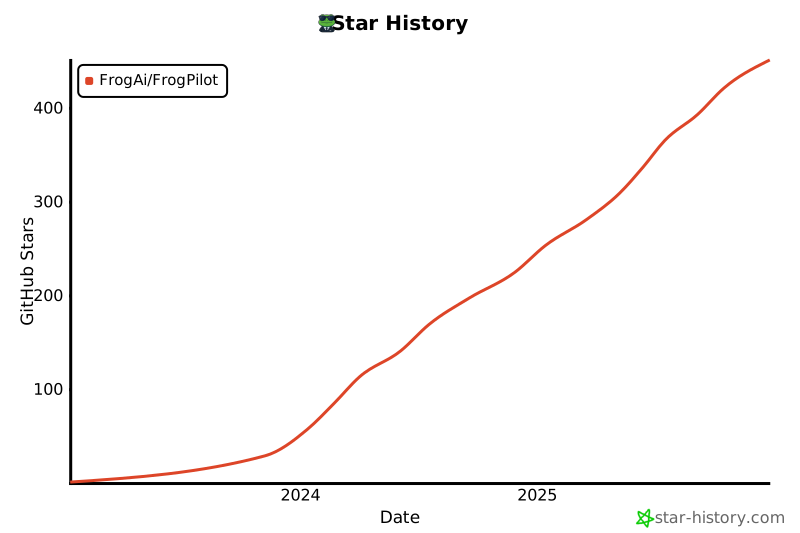](https://www.star-history.com/#FrogAi/FrogPilot&Date)
|
||||
|
||||
+82
-4
@@ -1,8 +1,86 @@
|
||||
Version 0.9.7 (2024-XX-XX)
|
||||
Version 0.10.3 (2025-12-17)
|
||||
========================
|
||||
* New driving model #36249
|
||||
* New temporal policy architecture
|
||||
* New on-policy training physics noise model
|
||||
* New driver monitoring model #36409
|
||||
* Trained on a new dataset, including comma four data
|
||||
* Improved inter-process communication memory efficiency
|
||||
|
||||
Version 0.10.2 (2025-11-19)
|
||||
========================
|
||||
* comma four support
|
||||
|
||||
Version 0.10.1 (2025-09-08)
|
||||
========================
|
||||
* New driving model #36276
|
||||
* World Model: removed global localization inputs
|
||||
* World Model: 2x the number of parameters
|
||||
* World Model: trained on 4x the number of segments
|
||||
* VAE Compression Model: new architecture and training objective
|
||||
* Driving Vision Model: trained on 4x the number of segments
|
||||
* New Driver Monitoring model #36198
|
||||
* Acura TLX 2021 support thanks to MVL!
|
||||
* Honda City 2023 support thanks to vanillagorillaa and drFritz!
|
||||
* Honda N-Box 2018 support thanks to miettal!
|
||||
* Honda Odyssey 2021-25 support thanks to csouers and MVL!
|
||||
* Honda Passport 2026 support thanks to vanillagorillaa and MVL!
|
||||
|
||||
Version 0.10.0 (2025-08-05)
|
||||
========================
|
||||
* New driving model
|
||||
* New training architecture
|
||||
* Described in our CVPR paper: "Learning to Drive from a World Model"
|
||||
* Longitudinal MPC replaced by E2E planning from World Model in Experimental Mode
|
||||
* Action from lateral MPC as training objective replaced by E2E planning from World Model
|
||||
* Low-speed lead car ground-truth fixes
|
||||
* Enable live-learned steering actuation delay
|
||||
* Opt-in audio recording for dashcam video
|
||||
* Acura MDX 2025 support thanks to vanillagorillaa and MVL!
|
||||
* Honda Accord 2023-25 support thanks to vanillagorillaa and MVL!
|
||||
* Honda CR-V 2023-25 support thanks to vanillagorillaa and MVL!
|
||||
* Honda Pilot 2023-25 support thanks to vanillagorillaa and MVL!
|
||||
|
||||
Version 0.9.9 (2025-05-23)
|
||||
========================
|
||||
* New driving model
|
||||
* New training architecture using parts from MLSIM
|
||||
* Steering actuation delay is now learned online
|
||||
* Ford Escape 2023-24 support thanks to incognitojam!
|
||||
* Ford Kuga 2024 support thanks to incognitojam!
|
||||
* Hyundai Nexo 2021 support thanks to sunnyhaibin!
|
||||
* Tesla Model 3 and Y support thanks to lukasloetkolben!
|
||||
* Lexus RC 2023 support thanks to nelsonjchen!
|
||||
|
||||
Version 0.9.8 (2025-02-28)
|
||||
========================
|
||||
* New driving model
|
||||
* Model now gates applying positive acceleration in Chill mode
|
||||
* New driver monitoring model
|
||||
* Reduced false positives related to passengers
|
||||
* Image processing pipeline moved to the ISP
|
||||
* More GPU time for bigger driving models
|
||||
* Power draw reduced 0.5W, which means your device runs cooler
|
||||
* Added toggle to enable driver monitoring even when openpilot is not engaged
|
||||
* Localizer rewritten to remove GPS dependency at runtime
|
||||
* Firehose Mode for maximizing your training data uploads
|
||||
* Enable openpilot longitudinal control for Ford Q3 vehicles
|
||||
* New Toyota TSS2 longitudinal tune
|
||||
* Rivian R1S and R1T support thanks to lukasloetkolben!
|
||||
* Ford F-150, F-150 Hybrid, Mach-E, and Ranger support
|
||||
|
||||
Version 0.9.7 (2024-06-13)
|
||||
========================
|
||||
* New driving model
|
||||
* Inputs the past curvature for smoother and more accurate lateral control
|
||||
* Simplified neural network architecture in the model's last layers
|
||||
* Minor fixes to desire augmentation and weight decay
|
||||
* New driver monitoring model
|
||||
* Improved end-to-end bit for phone detection
|
||||
* Adjust driving personality with the follow distance button
|
||||
* Support for hybrid variants of supported Ford models
|
||||
* Fingerprinting without the OBD-II port on all cars
|
||||
* Improved fuzzy fingerprinting for Ford and Volkswagen
|
||||
|
||||
Version 0.9.6 (2024-02-27)
|
||||
========================
|
||||
@@ -632,7 +710,7 @@ Version 0.5.13 (2019-05-31)
|
||||
* Reduce CPU utilization by 20% and improve stability
|
||||
* Temporarily remove mapd functionalities to improve stability
|
||||
* Add openpilot record-only mode for unsupported cars
|
||||
* Synchronize controlsd to boardd to reduce latency
|
||||
* Synchronize controlsd to pandad to reduce latency
|
||||
* Remove panda support for Subaru giraffe
|
||||
|
||||
Version 0.5.12 (2019-05-16)
|
||||
@@ -968,7 +1046,7 @@ Version 0.2.8 (2017-02-27)
|
||||
Version 0.2.7 (2017-02-08)
|
||||
===========================
|
||||
* Better performance and pictures at night
|
||||
* Fix ptr alignment issue in boardd
|
||||
* Fix ptr alignment issue in pandad
|
||||
* Fix brake error light, fix crash if too cold
|
||||
|
||||
Version 0.2.6 (2017-01-31)
|
||||
@@ -1000,7 +1078,7 @@ Version 0.2.2 (2017-01-10)
|
||||
Version 0.2.1 (2016-12-14)
|
||||
===========================
|
||||
* Performance improvements, removal of more numpy
|
||||
* Fix boardd process priority
|
||||
* Fix pandad process priority
|
||||
* Make counter timer reset on use of steering wheel
|
||||
|
||||
Version 0.2 (2016-12-12)
|
||||
|
||||
+34
-73
@@ -17,7 +17,7 @@ AGNOS = TICI
|
||||
|
||||
Decider('MD5-timestamp')
|
||||
|
||||
SetOption('num_jobs', int(os.cpu_count()/2))
|
||||
SetOption('num_jobs', max(1, int(os.cpu_count()/2)))
|
||||
|
||||
AddOption('--kaitai',
|
||||
action='store_true',
|
||||
@@ -39,35 +39,26 @@ AddOption('--clazy',
|
||||
action='store_true',
|
||||
help='build with clazy')
|
||||
|
||||
AddOption('--compile_db',
|
||||
action='store_true',
|
||||
help='build clang compilation database')
|
||||
|
||||
AddOption('--ccflags',
|
||||
action='store',
|
||||
type='string',
|
||||
default='',
|
||||
help='pass arbitrary flags over the command line')
|
||||
|
||||
AddOption('--snpe',
|
||||
action='store_true',
|
||||
help='use SNPE on PC')
|
||||
|
||||
AddOption('--external-sconscript',
|
||||
action='store',
|
||||
metavar='FILE',
|
||||
dest='external_sconscript',
|
||||
help='add an external SConscript to the build')
|
||||
|
||||
AddOption('--pc-thneed',
|
||||
AddOption('--mutation',
|
||||
action='store_true',
|
||||
dest='pc_thneed',
|
||||
help='use thneed on pc')
|
||||
help='generate mutation-ready code')
|
||||
|
||||
AddOption('--minimal',
|
||||
action='store_false',
|
||||
dest='extras',
|
||||
default=os.path.islink(Dir('#rednose/').abspath), # minimal by default on release branch (where rednose is not a link)
|
||||
default=os.path.exists(File('#.lfsconfig').abspath), # minimal by default on release branch (where there's no LFS)
|
||||
help='the minimum build to run openpilot. no tests, tools, etc.')
|
||||
|
||||
## Architecture name breakdown (arch)
|
||||
@@ -85,7 +76,6 @@ assert arch in ["larch64", "aarch64", "x86_64", "Darwin"]
|
||||
|
||||
lenv = {
|
||||
"PATH": os.environ['PATH'],
|
||||
"LD_LIBRARY_PATH": [Dir(f"#third_party/acados/{arch}/lib").abspath],
|
||||
"PYTHONPATH": Dir("#").abspath + ':' + Dir(f"#third_party/acados").abspath,
|
||||
|
||||
"ACADOS_SOURCE_DIR": Dir("#third_party/acados").abspath,
|
||||
@@ -93,7 +83,7 @@ lenv = {
|
||||
"TERA_PATH": Dir("#").abspath + f"/third_party/acados/{arch}/t_renderer"
|
||||
}
|
||||
|
||||
rpath = lenv["LD_LIBRARY_PATH"].copy()
|
||||
rpath = []
|
||||
|
||||
if arch == "larch64":
|
||||
cpppath = [
|
||||
@@ -102,13 +92,11 @@ if arch == "larch64":
|
||||
|
||||
libpath = [
|
||||
"/usr/local/lib",
|
||||
"/usr/lib",
|
||||
"/system/vendor/lib64",
|
||||
f"#third_party/acados/{arch}/lib",
|
||||
]
|
||||
|
||||
libpath += [
|
||||
"#third_party/snpe/larch64",
|
||||
"#third_party/libyuv/larch64/lib",
|
||||
"/usr/lib/aarch64-linux-gnu"
|
||||
]
|
||||
@@ -137,7 +125,6 @@ else:
|
||||
f"{brew_prefix}/include",
|
||||
f"{brew_prefix}/opt/openssl@3.0/include",
|
||||
]
|
||||
lenv["DYLD_LIBRARY_PATH"] = lenv["LD_LIBRARY_PATH"]
|
||||
# Linux
|
||||
else:
|
||||
libpath = [
|
||||
@@ -147,14 +134,6 @@ else:
|
||||
"/usr/local/lib",
|
||||
]
|
||||
|
||||
if arch == "x86_64":
|
||||
libpath += [
|
||||
f"#third_party/snpe/{arch}"
|
||||
]
|
||||
rpath += [
|
||||
Dir(f"#third_party/snpe/{arch}").abspath,
|
||||
]
|
||||
|
||||
if GetOption('asan'):
|
||||
ccflags = ["-fsanitize=address", "-fno-omit-frame-pointer"]
|
||||
ldflags = ["-fsanitize=address"]
|
||||
@@ -169,10 +148,6 @@ else:
|
||||
if arch != "Darwin":
|
||||
ldflags += ["-Wl,--as-needed", "-Wl,--no-undefined"]
|
||||
|
||||
# Enable swaglog include in submodules
|
||||
cflags += ['-DSWAGLOG="\\"common/swaglog.h\\""']
|
||||
cxxflags += ['-DSWAGLOG="\\"common/swaglog.h\\""']
|
||||
|
||||
ccflags_option = GetOption('ccflags')
|
||||
if ccflags_option:
|
||||
ccflags += ccflags_option.split(' ')
|
||||
@@ -187,12 +162,10 @@ env = Environment(
|
||||
"-Werror",
|
||||
"-Wshadow",
|
||||
"-Wno-unknown-warning-option",
|
||||
"-Wno-deprecated-register",
|
||||
"-Wno-register",
|
||||
"-Wno-inconsistent-missing-override",
|
||||
"-Wno-c99-designator",
|
||||
"-Wno-reorder-init-list",
|
||||
"-Wno-error=unused-but-set-variable",
|
||||
"-Wno-vla-cxx-extension",
|
||||
] + cflags + ccflags,
|
||||
|
||||
CPPPATH=cpppath + [
|
||||
@@ -204,13 +177,8 @@ env = Environment(
|
||||
"#third_party/libyuv/include",
|
||||
"#third_party/json11",
|
||||
"#third_party/linux/include",
|
||||
"#third_party/snpe/include",
|
||||
"#third_party/qrcode",
|
||||
"#third_party",
|
||||
"#cereal",
|
||||
"#opendbc/can",
|
||||
"#third_party/maplibre-native-qt/include",
|
||||
f"#third_party/maplibre-native-qt/{arch}/include"
|
||||
"#msgq",
|
||||
],
|
||||
|
||||
CC='clang',
|
||||
@@ -222,10 +190,9 @@ env = Environment(
|
||||
CFLAGS=["-std=gnu11"] + cflags,
|
||||
CXXFLAGS=["-std=c++1z"] + cxxflags,
|
||||
LIBPATH=libpath + [
|
||||
"#cereal",
|
||||
"#msgq_repo",
|
||||
"#third_party",
|
||||
"#opendbc/can",
|
||||
"#selfdrive/boardd",
|
||||
"#selfdrive/pandad",
|
||||
"#common",
|
||||
"#rednose/helpers",
|
||||
],
|
||||
@@ -233,7 +200,7 @@ env = Environment(
|
||||
COMPILATIONDB_USE_ABSPATH=True,
|
||||
REDNOSE_ROOT="#",
|
||||
tools=["default", "cython", "compilation_db", "rednose_filter"],
|
||||
toolpath=["#rednose_repo/site_scons/site_tools"],
|
||||
toolpath=["#site_scons/site_tools", "#rednose_repo/site_scons/site_tools"],
|
||||
)
|
||||
|
||||
if arch == "Darwin":
|
||||
@@ -241,8 +208,7 @@ if arch == "Darwin":
|
||||
darwin_rpath_link_flags = [f"-Wl,-rpath,{path}" for path in env["RPATH"]]
|
||||
env["LINKFLAGS"] += darwin_rpath_link_flags
|
||||
|
||||
if GetOption('compile_db'):
|
||||
env.CompilationDatabase('compile_commands.json')
|
||||
env.CompilationDatabase('compile_commands.json')
|
||||
|
||||
# Setup cache dir
|
||||
cache_dir = '/data/scons_cache' if AGNOS else '/tmp/scons_cache'
|
||||
@@ -272,11 +238,12 @@ if arch == "Darwin":
|
||||
else:
|
||||
envCython["LINKFLAGS"] = ["-pthread", "-shared"]
|
||||
|
||||
Export('envCython')
|
||||
np_version = SCons.Script.Value(np.__version__)
|
||||
Export('envCython', 'np_version')
|
||||
|
||||
# Qt build environment
|
||||
qt_env = env.Clone()
|
||||
qt_modules = ["Widgets", "Gui", "Core", "Network", "Concurrent", "Multimedia", "Quick", "Qml", "QuickWidgets", "Location", "Positioning", "DBus", "Xml"]
|
||||
qt_modules = ["Widgets", "Gui", "Core", "Network", "Concurrent", "DBus", "Xml"]
|
||||
|
||||
qt_libs = []
|
||||
if arch == "Darwin":
|
||||
@@ -309,28 +276,19 @@ else:
|
||||
elif arch != "Darwin":
|
||||
qt_libs += ["GL"]
|
||||
qt_env['QT3DIR'] = qt_env['QTDIR']
|
||||
qt_env.Tool('qt3')
|
||||
|
||||
# compatibility for older SCons versions
|
||||
try:
|
||||
qt_env.Tool('qt3')
|
||||
except SCons.Errors.UserError:
|
||||
qt_env.Tool('qt')
|
||||
|
||||
qt_env['CPPPATH'] += qt_dirs# + ["#selfdrive/ui/qt/"]
|
||||
qt_env['CPPPATH'] += qt_dirs + ["#third_party/qrcode"]
|
||||
qt_flags = [
|
||||
"-D_REENTRANT",
|
||||
"-DQT_NO_DEBUG",
|
||||
"-DQT_WIDGETS_LIB",
|
||||
"-DQT_GUI_LIB",
|
||||
"-DQT_QUICK_LIB",
|
||||
"-DQT_QUICKWIDGETS_LIB",
|
||||
"-DQT_QML_LIB",
|
||||
"-DQT_CORE_LIB",
|
||||
"-DQT_MESSAGELOGCONTEXT",
|
||||
]
|
||||
qt_env['CXXFLAGS'] += qt_flags
|
||||
qt_env['LIBPATH'] += ['#selfdrive/ui', f"#third_party/maplibre-native-qt/{arch}/lib"]
|
||||
qt_env['RPATH'] += [Dir(f"#third_party/maplibre-native-qt/{arch}/lib").srcnode().abspath]
|
||||
qt_env['LIBPATH'] += ['#selfdrive/ui', ]
|
||||
qt_env['LIBS'] = qt_libs
|
||||
|
||||
if GetOption("clazy"):
|
||||
@@ -350,36 +308,39 @@ Export('env', 'qt_env', 'arch', 'real_arch')
|
||||
SConscript(['common/SConscript'])
|
||||
Import('_common', '_gpucommon')
|
||||
|
||||
common = [_common, 'json11']
|
||||
common = [_common, 'json11', 'zmq']
|
||||
gpucommon = [_gpucommon]
|
||||
|
||||
Export('common', 'gpucommon')
|
||||
|
||||
# Build cereal and messaging
|
||||
# Build messaging (cereal + msgq + socketmaster + their dependencies)
|
||||
# Enable swaglog include in submodules
|
||||
env_swaglog = env.Clone()
|
||||
env_swaglog['CXXFLAGS'].append('-DSWAGLOG="\\"common/swaglog.h\\""')
|
||||
SConscript(['msgq_repo/SConscript'], exports={'env': env_swaglog})
|
||||
SConscript(['opendbc_repo/SConscript'], exports={'env': env_swaglog})
|
||||
|
||||
SConscript(['cereal/SConscript'])
|
||||
|
||||
Import('socketmaster', 'msgq')
|
||||
messaging = [socketmaster, msgq, 'capnp', 'kj',]
|
||||
Export('messaging')
|
||||
|
||||
|
||||
# Build other submodules
|
||||
SConscript([
|
||||
'body/board/SConscript',
|
||||
'opendbc/can/SConscript',
|
||||
'panda/SConscript',
|
||||
])
|
||||
SConscript(['panda/SConscript'])
|
||||
|
||||
# Build rednose library
|
||||
SConscript(['rednose/SConscript'])
|
||||
|
||||
# Build system services
|
||||
SConscript([
|
||||
'system/proclogd/SConscript',
|
||||
'system/ubloxd/SConscript',
|
||||
'system/loggerd/SConscript',
|
||||
])
|
||||
if arch != "Darwin":
|
||||
SConscript([
|
||||
'system/camerad/SConscript',
|
||||
'system/sensord/SConscript',
|
||||
'system/logcatd/SConscript',
|
||||
])
|
||||
|
||||
if arch == "larch64":
|
||||
SConscript(['system/camerad/SConscript'])
|
||||
|
||||
# Build openpilot
|
||||
SConscript(['third_party/SConscript'])
|
||||
|
||||
@@ -0,0 +1,5 @@
|
||||
# Security Policy
|
||||
|
||||
## Reporting a Vulnerability
|
||||
|
||||
Suspected vulnerabilities can be reported to both `adeeb@comma.ai` and `security@comma.ai`.
|
||||
@@ -1,15 +0,0 @@
|
||||
*.pyc
|
||||
.*.swp
|
||||
.*.swo
|
||||
*.o
|
||||
*.so
|
||||
*.os
|
||||
*.d
|
||||
*.dump
|
||||
a.out
|
||||
*~
|
||||
.#*
|
||||
.vscode*
|
||||
.DS_Store
|
||||
board/obj/
|
||||
.sconsign.dblite
|
||||
File diff suppressed because it is too large
Load Diff
@@ -1,386 +0,0 @@
|
||||
/*
|
||||
* File: BLDC_controller_data.c
|
||||
*
|
||||
* Code generated for Simulink model 'BLDC_controller'.
|
||||
*
|
||||
* Model version : 1.1297
|
||||
* Simulink Coder version : 8.13 (R2017b) 24-Jul-2017
|
||||
* C/C++ source code generated on : Sun Mar 6 11:02:11 2022
|
||||
*
|
||||
* Target selection: ert.tlc
|
||||
* Embedded hardware selection: ARM Compatible->ARM Cortex
|
||||
* Emulation hardware selection:
|
||||
* Differs from embedded hardware (MATLAB Host)
|
||||
* Code generation objectives:
|
||||
* 1. Execution efficiency
|
||||
* 2. RAM efficiency
|
||||
* Validation result: Not run
|
||||
*/
|
||||
|
||||
#include "BLDC_controller.h"
|
||||
|
||||
/* Constant parameters (auto storage) */
|
||||
const ConstP rtConstP = {
|
||||
/* Computed Parameter: r_sin_M1_Table
|
||||
* Referenced by: '<S52>/r_sin_M1'
|
||||
*/
|
||||
{ 8192, 8682, 9162, 9630, 10087, 10531, 10963, 11381, 11786, 12176, 12551,
|
||||
12911, 13255, 13583, 13894, 14189, 14466, 14726, 14968, 15191, 15396, 15582,
|
||||
15749, 15897, 16026, 16135, 16225, 16294, 16344, 16374, 16384, 16374, 16344,
|
||||
16294, 16225, 16135, 16026, 15897, 15749, 15582, 15396, 15191, 14968, 14726,
|
||||
14466, 14189, 13894, 13583, 13255, 12911, 12551, 12176, 11786, 11381, 10963,
|
||||
10531, 10087, 9630, 9162, 8682, 8192, 7692, 7182, 6664, 6138, 5604, 5063,
|
||||
4516, 3964, 3406, 2845, 2280, 1713, 1143, 572, 0, -572, -1143, -1713, -2280,
|
||||
-2845, -3406, -3964, -4516, -5063, -5604, -6138, -6664, -7182, -7692, -8192,
|
||||
-8682, -9162, -9630, -10087, -10531, -10963, -11381, -11786, -12176, -12551,
|
||||
-12911, -13255, -13583, -13894, -14189, -14466, -14726, -14968, -15191,
|
||||
-15396, -15582, -15749, -15897, -16026, -16135, -16225, -16294, -16344,
|
||||
-16374, -16384, -16374, -16344, -16294, -16225, -16135, -16026, -15897,
|
||||
-15749, -15582, -15396, -15191, -14968, -14726, -14466, -14189, -13894,
|
||||
-13583, -13255, -12911, -12551, -12176, -11786, -11381, -10963, -10531,
|
||||
-10087, -9630, -9162, -8682, -8192, -7692, -7182, -6664, -6138, -5604, -5063,
|
||||
-4516, -3964, -3406, -2845, -2280, -1713, -1143, -572, 0, 572, 1143, 1713,
|
||||
2280, 2845, 3406, 3964, 4516, 5063, 5604, 6138, 6664, 7182, 7692, 8192 },
|
||||
|
||||
/* Computed Parameter: r_cos_M1_Table
|
||||
* Referenced by: '<S52>/r_cos_M1'
|
||||
*/
|
||||
{ 14189, 13894, 13583, 13255, 12911, 12551, 12176, 11786, 11381, 10963, 10531,
|
||||
10087, 9630, 9162, 8682, 8192, 7692, 7182, 6664, 6138, 5604, 5063, 4516,
|
||||
3964, 3406, 2845, 2280, 1713, 1143, 572, 0, -572, -1143, -1713, -2280, -2845,
|
||||
-3406, -3964, -4516, -5063, -5604, -6138, -6664, -7182, -7692, -8192, -8682,
|
||||
-9162, -9630, -10087, -10531, -10963, -11381, -11786, -12176, -12551, -12911,
|
||||
-13255, -13583, -13894, -14189, -14466, -14726, -14968, -15191, -15396,
|
||||
-15582, -15749, -15897, -16026, -16135, -16225, -16294, -16344, -16374,
|
||||
-16384, -16374, -16344, -16294, -16225, -16135, -16026, -15897, -15749,
|
||||
-15582, -15396, -15191, -14968, -14726, -14466, -14189, -13894, -13583,
|
||||
-13255, -12911, -12551, -12176, -11786, -11381, -10963, -10531, -10087,
|
||||
-9630, -9162, -8682, -8192, -7692, -7182, -6664, -6138, -5604, -5063, -4516,
|
||||
-3964, -3406, -2845, -2280, -1713, -1143, -572, 0, 572, 1143, 1713, 2280,
|
||||
2845, 3406, 3964, 4516, 5063, 5604, 6138, 6664, 7182, 7692, 8192, 8682, 9162,
|
||||
9630, 10087, 10531, 10963, 11381, 11786, 12176, 12551, 12911, 13255, 13583,
|
||||
13894, 14189, 14466, 14726, 14968, 15191, 15396, 15582, 15749, 15897, 16026,
|
||||
16135, 16225, 16294, 16344, 16374, 16384, 16374, 16344, 16294, 16225, 16135,
|
||||
16026, 15897, 15749, 15582, 15396, 15191, 14968, 14726, 14466, 14189 },
|
||||
|
||||
/* Computed Parameter: r_sin3PhaA_M1_Table
|
||||
* Referenced by: '<S96>/r_sin3PhaA_M1'
|
||||
*/
|
||||
{ -13091, -13634, -14126, -14565, -14953, -15289, -15577, -15816, -16009,
|
||||
-16159, -16269, -16340, -16377, -16383, -16362, -16317, -16253, -16172,
|
||||
-16079, -15977, -15870, -15762, -15656, -15555, -15461, -15377, -15306,
|
||||
-15248, -15206, -15180, -15172, -15180, -15206, -15248, -15306, -15377,
|
||||
-15461, -15555, -15656, -15762, -15870, -15977, -16079, -16172, -16253,
|
||||
-16317, -16362, -16383, -16377, -16340, -16269, -16159, -16009, -15816,
|
||||
-15577, -15289, -14953, -14565, -14126, -13634, -13091, -12496, -11849,
|
||||
-11154, -10411, -9623, -8791, -7921, -7014, -6075, -5107, -4115, -3104,
|
||||
-2077, -1041, 0, 1041, 2077, 3104, 4115, 5107, 6075, 7014, 7921, 8791, 9623,
|
||||
10411, 11154, 11849, 12496, 13091, 13634, 14126, 14565, 14953, 15289, 15577,
|
||||
15816, 16009, 16159, 16269, 16340, 16377, 16383, 16362, 16317, 16253, 16172,
|
||||
16079, 15977, 15870, 15762, 15656, 15555, 15461, 15377, 15306, 15248, 15206,
|
||||
15180, 15172, 15180, 15206, 15248, 15306, 15377, 15461, 15555, 15656, 15762,
|
||||
15870, 15977, 16079, 16172, 16253, 16317, 16362, 16383, 16377, 16340, 16269,
|
||||
16159, 16009, 15816, 15577, 15289, 14953, 14565, 14126, 13634, 13091, 12496,
|
||||
11849, 11154, 10411, 9623, 8791, 7921, 7014, 6075, 5107, 4115, 3104, 2077,
|
||||
1041, 0, -1041, -2077, -3104, -4115, -5107, -6075, -7014, -7921, -8791,
|
||||
-9623, -10411, -11154, -11849, -12496, -13091 },
|
||||
|
||||
/* Computed Parameter: r_sin3PhaB_M1_Table
|
||||
* Referenced by: '<S96>/r_sin3PhaB_M1'
|
||||
*/
|
||||
{ 15172, 15180, 15206, 15248, 15306, 15377, 15461, 15555, 15656, 15762, 15870,
|
||||
15977, 16079, 16172, 16253, 16317, 16362, 16383, 16377, 16340, 16269, 16159,
|
||||
16009, 15816, 15577, 15289, 14953, 14565, 14126, 13634, 13091, 12496, 11849,
|
||||
11154, 10411, 9623, 8791, 7921, 7014, 6075, 5107, 4115, 3104, 2077, 1041, 0,
|
||||
-1041, -2077, -3104, -4115, -5107, -6075, -7014, -7921, -8791, -9623, -10411,
|
||||
-11154, -11849, -12496, -13091, -13634, -14126, -14565, -14953, -15289,
|
||||
-15577, -15816, -16009, -16159, -16269, -16340, -16377, -16383, -16362,
|
||||
-16317, -16253, -16172, -16079, -15977, -15870, -15762, -15656, -15555,
|
||||
-15461, -15377, -15306, -15248, -15206, -15180, -15172, -15180, -15206,
|
||||
-15248, -15306, -15377, -15461, -15555, -15656, -15762, -15870, -15977,
|
||||
-16079, -16172, -16253, -16317, -16362, -16383, -16377, -16340, -16269,
|
||||
-16159, -16009, -15816, -15577, -15289, -14953, -14565, -14126, -13634,
|
||||
-13091, -12496, -11849, -11154, -10411, -9623, -8791, -7921, -7014, -6075,
|
||||
-5107, -4115, -3104, -2077, -1041, 0, 1041, 2077, 3104, 4115, 5107, 6075,
|
||||
7014, 7921, 8791, 9623, 10411, 11154, 11849, 12496, 13091, 13634, 14126,
|
||||
14565, 14953, 15289, 15577, 15816, 16009, 16159, 16269, 16340, 16377, 16383,
|
||||
16362, 16317, 16253, 16172, 16079, 15977, 15870, 15762, 15656, 15555, 15461,
|
||||
15377, 15306, 15248, 15206, 15180, 15172 },
|
||||
|
||||
/* Computed Parameter: r_sin3PhaC_M1_Table
|
||||
* Referenced by: '<S96>/r_sin3PhaC_M1'
|
||||
*/
|
||||
{ -13091, -12496, -11849, -11154, -10411, -9623, -8791, -7921, -7014, -6075,
|
||||
-5107, -4115, -3104, -2077, -1041, 0, 1041, 2077, 3104, 4115, 5107, 6075,
|
||||
7014, 7921, 8791, 9623, 10411, 11154, 11849, 12496, 13091, 13634, 14126,
|
||||
14565, 14953, 15289, 15577, 15816, 16009, 16159, 16269, 16340, 16377, 16383,
|
||||
16362, 16317, 16253, 16172, 16079, 15977, 15870, 15762, 15656, 15555, 15461,
|
||||
15377, 15306, 15248, 15206, 15180, 15172, 15180, 15206, 15248, 15306, 15377,
|
||||
15461, 15555, 15656, 15762, 15870, 15977, 16079, 16172, 16253, 16317, 16362,
|
||||
16383, 16377, 16340, 16269, 16159, 16009, 15816, 15577, 15289, 14953, 14565,
|
||||
14126, 13634, 13091, 12496, 11849, 11154, 10411, 9623, 8791, 7921, 7014,
|
||||
6075, 5107, 4115, 3104, 2077, 1041, 0, -1041, -2077, -3104, -4115, -5107,
|
||||
-6075, -7014, -7921, -8791, -9623, -10411, -11154, -11849, -12496, -13091,
|
||||
-13634, -14126, -14565, -14953, -15289, -15577, -15816, -16009, -16159,
|
||||
-16269, -16340, -16377, -16383, -16362, -16317, -16253, -16172, -16079,
|
||||
-15977, -15870, -15762, -15656, -15555, -15461, -15377, -15306, -15248,
|
||||
-15206, -15180, -15172, -15180, -15206, -15248, -15306, -15377, -15461,
|
||||
-15555, -15656, -15762, -15870, -15977, -16079, -16172, -16253, -16317,
|
||||
-16362, -16383, -16377, -16340, -16269, -16159, -16009, -15816, -15577,
|
||||
-15289, -14953, -14565, -14126, -13634, -13091 },
|
||||
|
||||
/* Computed Parameter: iq_maxSca_M1_Table
|
||||
* Referenced by: '<S80>/iq_maxSca_M1'
|
||||
*/
|
||||
{ 65535U, 65523U, 65484U, 65418U, 65326U, 65207U, 65062U, 64890U, 64691U,
|
||||
64465U, 64211U, 63930U, 63620U, 63281U, 62913U, 62516U, 62088U, 61630U,
|
||||
61140U, 60618U, 60062U, 59473U, 58848U, 58187U, 57489U, 56752U, 55974U,
|
||||
55155U, 54291U, 53381U, 52422U, 51413U, 50349U, 49227U, 48043U, 46792U,
|
||||
45470U, 44069U, 42581U, 40997U, 39307U, 37494U, 35541U, 33422U, 31105U,
|
||||
28540U, 25655U, 22323U, 18304U, 12974U },
|
||||
|
||||
/* Computed Parameter: z_commutMap_M1_table
|
||||
* Referenced by: '<S94>/z_commutMap_M1'
|
||||
*/
|
||||
{ -1, 1, 0, -1, 0, 1, 0, -1, 1, 1, -1, 0, 1, 0, -1, 0, 1, -1 },
|
||||
|
||||
/* Computed Parameter: vec_hallToPos_Value
|
||||
* Referenced by: '<S11>/vec_hallToPos'
|
||||
*/
|
||||
{ 0, 2, 0, 1, 4, 3, 5, 0 }
|
||||
};
|
||||
|
||||
P rtP_Left = {
|
||||
/* Variable: dV_openRate
|
||||
* Referenced by: '<S37>/dV_openRate'
|
||||
*/
|
||||
12288,
|
||||
|
||||
/* Variable: dz_cntTrnsDetHi
|
||||
* Referenced by: '<S17>/dz_cntTrnsDet'
|
||||
*/
|
||||
40,
|
||||
|
||||
/* Variable: dz_cntTrnsDetLo
|
||||
* Referenced by: '<S17>/dz_cntTrnsDet'
|
||||
*/
|
||||
20,
|
||||
|
||||
/* Variable: n_cruiseMotTgt
|
||||
* Referenced by: '<S61>/n_cruiseMotTgt'
|
||||
*/
|
||||
0,
|
||||
|
||||
/* Variable: z_maxCntRst
|
||||
* Referenced by:
|
||||
* '<S13>/Counter'
|
||||
* '<S13>/z_maxCntRst'
|
||||
* '<S13>/z_maxCntRst2'
|
||||
* '<S13>/UnitDelay3'
|
||||
* '<S17>/z_counter'
|
||||
*/
|
||||
2000,
|
||||
|
||||
/* Variable: cf_speedCoef
|
||||
* Referenced by: '<S17>/cf_speedCoef'
|
||||
*/
|
||||
10667U,
|
||||
|
||||
/* Variable: t_errDequal
|
||||
* Referenced by: '<S20>/t_errDequal'
|
||||
*/
|
||||
9600U,
|
||||
|
||||
/* Variable: t_errQual
|
||||
* Referenced by: '<S20>/t_errQual'
|
||||
*/
|
||||
1280U,
|
||||
|
||||
/* Variable: Vd_max
|
||||
* Referenced by:
|
||||
* '<S36>/Vd_max'
|
||||
* '<S80>/Vd_max1'
|
||||
*/
|
||||
14400,
|
||||
|
||||
/* Variable: Vq_max_M1
|
||||
* Referenced by: '<S80>/Vq_max_M1'
|
||||
*/
|
||||
{ 14400, 14396, 14386, 14368, 14343, 14311, 14271, 14225, 14171, 14109, 14040,
|
||||
13963, 13879, 13786, 13685, 13576, 13459, 13333, 13198, 13053, 12900, 12736,
|
||||
12562, 12377, 12181, 11973, 11753, 11520, 11273, 11011, 10733, 10438, 10124,
|
||||
9790, 9433, 9051, 8640, 8196, 7713, 7184, 6597, 5935, 5170, 4245, 3019, 0 },
|
||||
|
||||
/* Variable: Vq_max_XA
|
||||
* Referenced by: '<S80>/Vq_max_XA'
|
||||
*/
|
||||
{ 0, 320, 640, 960, 1280, 1600, 1920, 2240, 2560, 2880, 3200, 3520, 3840, 4160,
|
||||
4480, 4800, 5120, 5440, 5760, 6080, 6400, 6720, 7040, 7360, 7680, 8000, 8320,
|
||||
8640, 8960, 9280, 9600, 9920, 10240, 10560, 10880, 11200, 11520, 11840,
|
||||
12160, 12480, 12800, 13120, 13440, 13760, 14080, 14400 },
|
||||
|
||||
/* Variable: a_phaAdvMax
|
||||
* Referenced by: '<S42>/a_phaAdvMax'
|
||||
*/
|
||||
400,
|
||||
|
||||
/* Variable: i_max
|
||||
* Referenced by:
|
||||
* '<S36>/i_max'
|
||||
* '<S80>/i_max'
|
||||
*/
|
||||
12000,
|
||||
|
||||
/* Variable: id_fieldWeakMax
|
||||
* Referenced by: '<S42>/id_fieldWeakMax'
|
||||
*/
|
||||
4000,
|
||||
|
||||
/* Variable: n_commAcvLo
|
||||
* Referenced by: '<S13>/n_commDeacv'
|
||||
*/
|
||||
240,
|
||||
|
||||
/* Variable: n_commDeacvHi
|
||||
* Referenced by: '<S13>/n_commDeacv'
|
||||
*/
|
||||
480,
|
||||
|
||||
/* Variable: n_fieldWeakAuthHi
|
||||
* Referenced by: '<S42>/n_fieldWeakAuthHi'
|
||||
*/
|
||||
6400,
|
||||
|
||||
/* Variable: n_fieldWeakAuthLo
|
||||
* Referenced by: '<S42>/n_fieldWeakAuthLo'
|
||||
*/
|
||||
4800,
|
||||
|
||||
/* Variable: n_max
|
||||
* Referenced by:
|
||||
* '<S36>/n_max'
|
||||
* '<S80>/n_max1'
|
||||
*/
|
||||
16000,
|
||||
|
||||
/* Variable: n_stdStillDet
|
||||
* Referenced by: '<S13>/n_stdStillDet'
|
||||
*/
|
||||
48,
|
||||
|
||||
/* Variable: r_errInpTgtThres
|
||||
* Referenced by: '<S20>/r_errInpTgtThres'
|
||||
*/
|
||||
9600,
|
||||
|
||||
/* Variable: r_fieldWeakHi
|
||||
* Referenced by: '<S42>/r_fieldWeakHi'
|
||||
*/
|
||||
16000,
|
||||
|
||||
/* Variable: r_fieldWeakLo
|
||||
* Referenced by: '<S42>/r_fieldWeakLo'
|
||||
*/
|
||||
12000,
|
||||
|
||||
/* Variable: cf_KbLimProt
|
||||
* Referenced by:
|
||||
* '<S82>/cf_KbLimProt'
|
||||
* '<S83>/cf_KbLimProt'
|
||||
*/
|
||||
768U,
|
||||
|
||||
/* Variable: cf_idKp
|
||||
* Referenced by: '<S63>/cf_idKp1'
|
||||
*/
|
||||
819U,
|
||||
|
||||
/* Variable: cf_iqKp
|
||||
* Referenced by: '<S62>/cf_iqKp'
|
||||
*/
|
||||
1229U,
|
||||
|
||||
/* Variable: cf_nKp
|
||||
* Referenced by: '<S61>/cf_nKp'
|
||||
*/
|
||||
4833U,
|
||||
|
||||
/* Variable: cf_currFilt
|
||||
* Referenced by: '<S50>/cf_currFilt'
|
||||
*/
|
||||
7864U,
|
||||
|
||||
/* Variable: cf_idKi
|
||||
* Referenced by: '<S63>/cf_idKi1'
|
||||
*/
|
||||
737U,
|
||||
|
||||
/* Variable: cf_iqKi
|
||||
* Referenced by: '<S62>/cf_iqKi'
|
||||
*/
|
||||
1229U,
|
||||
|
||||
/* Variable: cf_iqKiLimProt
|
||||
* Referenced by:
|
||||
* '<S81>/cf_iqKiLimProt'
|
||||
* '<S83>/cf_iqKiLimProt'
|
||||
*/
|
||||
737U,
|
||||
|
||||
/* Variable: cf_nKi
|
||||
* Referenced by: '<S61>/cf_nKi'
|
||||
*/
|
||||
251U,
|
||||
|
||||
/* Variable: cf_nKiLimProt
|
||||
* Referenced by:
|
||||
* '<S82>/cf_nKiLimProt'
|
||||
* '<S83>/cf_nKiLimProt'
|
||||
*/
|
||||
246U,
|
||||
|
||||
/* Variable: n_polePairs
|
||||
* Referenced by: '<S15>/n_polePairs'
|
||||
*/
|
||||
15U,
|
||||
|
||||
/* Variable: z_ctrlTypSel
|
||||
* Referenced by: '<S1>/z_ctrlTypSel'
|
||||
*/
|
||||
2U,
|
||||
|
||||
/* Variable: z_selPhaCurMeasABC
|
||||
* Referenced by: '<S49>/z_selPhaCurMeasABC'
|
||||
*/
|
||||
0U,
|
||||
|
||||
/* Variable: b_angleMeasEna
|
||||
* Referenced by:
|
||||
* '<S3>/b_angleMeasEna'
|
||||
* '<S13>/b_angleMeasEna'
|
||||
*/
|
||||
0,
|
||||
|
||||
/* Variable: b_cruiseCtrlEna
|
||||
* Referenced by: '<S1>/b_cruiseCtrlEna'
|
||||
*/
|
||||
0,
|
||||
|
||||
/* Variable: b_diagEna
|
||||
* Referenced by: '<S4>/b_diagEna'
|
||||
*/
|
||||
1,
|
||||
|
||||
/* Variable: b_fieldWeakEna
|
||||
* Referenced by:
|
||||
* '<S6>/b_fieldWeakEna'
|
||||
* '<S97>/b_fieldWeakEna'
|
||||
*/
|
||||
0
|
||||
}; /* Modifiable parameters */
|
||||
|
||||
/*
|
||||
* File trailer for generated code.
|
||||
*
|
||||
* [EOF]
|
||||
*/
|
||||
@@ -1,270 +0,0 @@
|
||||
/*
|
||||
* This file implements FOC motor control.
|
||||
* This control method offers superior performanace
|
||||
* compared to previous cummutation method. The new method features:
|
||||
* ► reduced noise and vibrations
|
||||
* ► smooth torque output
|
||||
* ► improved motor efficiency -> lower energy consumption
|
||||
*
|
||||
* Copyright (C) 2019-2020 Emanuel FERU <aerdronix@gmail.com>
|
||||
*
|
||||
* This program is free software: you can redistribute it and/or modify
|
||||
* it under the terms of the GNU General Public License as published by
|
||||
* the Free Software Foundation, either version 3 of the License, or
|
||||
* (at your option) any later version.
|
||||
*
|
||||
* This program is distributed in the hope that it will be useful,
|
||||
* but WITHOUT ANY WARRANTY; without even the implied warranty of
|
||||
* MERCHANTABILITY or FITNESS FOR A PARTICULAR PURPOSE. See the
|
||||
* GNU General Public License for more details.
|
||||
*
|
||||
* You should have received a copy of the GNU General Public License
|
||||
* along with this program. If not, see <http://www.gnu.org/licenses/>.
|
||||
*/
|
||||
|
||||
#include "stm32f4xx_hal.h"
|
||||
#include "defines.h"
|
||||
#include "config.h"
|
||||
#include "util.h"
|
||||
|
||||
// Matlab includes and defines - from auto-code generation
|
||||
// ###############################################################################
|
||||
#include "BLDC_controller.h" /* Model's header file */
|
||||
#include "rtwtypes.h"
|
||||
|
||||
extern board_t board;
|
||||
|
||||
extern RT_MODEL *const rtM_Left;
|
||||
extern RT_MODEL *const rtM_Right;
|
||||
|
||||
extern DW rtDW_Left; /* Observable states */
|
||||
extern ExtU rtU_Left; /* External inputs */
|
||||
extern ExtY rtY_Left; /* External outputs */
|
||||
extern P rtP_Left;
|
||||
|
||||
extern DW rtDW_Right; /* Observable states */
|
||||
extern ExtU rtU_Right; /* External inputs */
|
||||
extern ExtY rtY_Right; /* External outputs */
|
||||
// ###############################################################################
|
||||
|
||||
static int16_t pwm_margin; /* This margin allows to have a window in the PWM signal for proper FOC Phase currents measurement */
|
||||
|
||||
extern uint8_t ctrlModReq;
|
||||
static int16_t curDC_max = (I_DC_MAX * A2BIT_CONV);
|
||||
int16_t curL_phaA = 0, curL_phaB = 0, curL_DC = 0;
|
||||
int16_t curR_phaB = 0, curR_phaC = 0, curR_DC = 0;
|
||||
|
||||
volatile int pwml = 0;
|
||||
volatile int pwmr = 0;
|
||||
|
||||
extern volatile adc_buf_t adc_buffer;
|
||||
|
||||
uint8_t buzzerFreq = 0;
|
||||
uint8_t buzzerPattern = 0;
|
||||
uint8_t buzzerCount = 0;
|
||||
volatile uint32_t buzzerTimer = 0;
|
||||
static uint8_t buzzerPrev = 0;
|
||||
static uint8_t buzzerIdx = 0;
|
||||
|
||||
uint8_t enable_motors = 0; // initially motors are disabled for SAFETY
|
||||
static uint8_t enableFin = 0;
|
||||
|
||||
static const uint16_t pwm_res = CORE_FREQ / 2 / PWM_FREQ;
|
||||
|
||||
static uint16_t offsetcount = 0;
|
||||
static int16_t offsetrlA = 2000;
|
||||
static int16_t offsetrlB = 2000;
|
||||
static int16_t offsetrrB = 2000;
|
||||
static int16_t offsetrrC = 2000;
|
||||
static int16_t offsetdcl = 2000;
|
||||
static int16_t offsetdcr = 2000;
|
||||
|
||||
int16_t batVoltage = (400 * BAT_CELLS * BAT_CALIB_ADC) / BAT_CALIB_REAL_VOLTAGE;
|
||||
static int32_t batVoltageFixdt = (400 * BAT_CELLS * BAT_CALIB_ADC) / BAT_CALIB_REAL_VOLTAGE << 16; // Fixed-point filter output initialized at 400 V*100/cell = 4 V/cell converted to fixed-point
|
||||
|
||||
int32_t motPosL = 0;
|
||||
int32_t motPosR = 0;
|
||||
|
||||
// DMA interrupt frequency =~ 16 kHz
|
||||
void DMA2_Stream0_IRQHandler(void) {
|
||||
DMA2->LIFCR = DMA_LIFCR_CTCIF0;
|
||||
|
||||
if(offsetcount < 2000) { // calibrate ADC offsets
|
||||
offsetcount++;
|
||||
offsetrlA = (adc_buffer.rlA + offsetrlA) / 2;
|
||||
offsetrlB = (adc_buffer.rlB + offsetrlB) / 2;
|
||||
offsetrrB = (adc_buffer.rrB + offsetrrB) / 2;
|
||||
offsetrrC = (adc_buffer.rrC + offsetrrC) / 2;
|
||||
offsetdcl = (adc_buffer.dcl + offsetdcl) / 2;
|
||||
offsetdcr = (adc_buffer.dcr + offsetdcr) / 2;
|
||||
return;
|
||||
}
|
||||
|
||||
if (buzzerTimer % 1000 == 0) { // Filter battery voltage at a slower sampling rate
|
||||
filtLowPass32(adc_buffer.batt1, BAT_FILT_COEF, &batVoltageFixdt);
|
||||
batVoltage = (int16_t)(batVoltageFixdt >> 16); // convert fixed-point to integer
|
||||
}
|
||||
|
||||
// Get Left motor currents
|
||||
curL_phaA = (int16_t)(offsetrlA - adc_buffer.rlA);
|
||||
curL_phaB = (int16_t)(offsetrlB - adc_buffer.rlB);
|
||||
curL_DC = (int16_t)(offsetdcl - adc_buffer.dcl);
|
||||
|
||||
// Get Right motor currents
|
||||
curR_phaB = (int16_t)(offsetrrB - adc_buffer.rrB);
|
||||
curR_phaC = (int16_t)(offsetrrC - adc_buffer.rrC);
|
||||
curR_DC = (int16_t)(offsetdcr - adc_buffer.dcr);
|
||||
|
||||
// Disable PWM when current limit is reached (current chopping)
|
||||
// This is the Level 2 of current protection. The Level 1 should kick in first given by I_MOT_MAX
|
||||
if(ABS(curL_DC) > curDC_max || enable_motors == 0) {
|
||||
LEFT_TIM->BDTR &= ~TIM_BDTR_MOE;
|
||||
} else {
|
||||
LEFT_TIM->BDTR |= TIM_BDTR_MOE;
|
||||
}
|
||||
|
||||
if(ABS(curR_DC) > curDC_max || enable_motors == 0) {
|
||||
RIGHT_TIM->BDTR &= ~TIM_BDTR_MOE;
|
||||
} else {
|
||||
RIGHT_TIM->BDTR |= TIM_BDTR_MOE;
|
||||
}
|
||||
|
||||
// Create square wave for buzzer
|
||||
buzzerTimer++;
|
||||
if (buzzerFreq != 0 && (buzzerTimer / 5000) % (buzzerPattern + 1) == 0) {
|
||||
if (buzzerPrev == 0) {
|
||||
buzzerPrev = 1;
|
||||
if (++buzzerIdx > (buzzerCount + 2)) { // pause 2 periods
|
||||
buzzerIdx = 1;
|
||||
}
|
||||
}
|
||||
if (buzzerTimer % buzzerFreq == 0 && (buzzerIdx <= buzzerCount || buzzerCount == 0)) {
|
||||
HAL_GPIO_TogglePin(BUZZER_PORT, BUZZER_PIN);
|
||||
}
|
||||
} else if (buzzerPrev) {
|
||||
HAL_GPIO_WritePin(BUZZER_PORT, BUZZER_PIN, GPIO_PIN_RESET);
|
||||
buzzerPrev = 0;
|
||||
}
|
||||
|
||||
// Adjust pwm_margin depending on the selected Control Type
|
||||
if (rtP_Left.z_ctrlTypSel == FOC_CTRL) {
|
||||
pwm_margin = 110;
|
||||
} else {
|
||||
pwm_margin = 0;
|
||||
}
|
||||
|
||||
// ############################### MOTOR CONTROL ###############################
|
||||
|
||||
int ul, vl, wl;
|
||||
int ur, vr, wr;
|
||||
static boolean_T OverrunFlag = false;
|
||||
|
||||
if (OverrunFlag) {
|
||||
return;
|
||||
}
|
||||
OverrunFlag = true;
|
||||
|
||||
/* Make sure to stop BOTH motors in case of an error */
|
||||
enableFin = enable_motors && !rtY_Left.z_errCode && !rtY_Right.z_errCode;
|
||||
|
||||
// ========================= LEFT MOTOR ============================
|
||||
uint8_t hall_ul = !(board.hall_left.hall_portA->IDR & board.hall_left.hall_pinA);
|
||||
uint8_t hall_vl = !(board.hall_left.hall_portB->IDR & board.hall_left.hall_pinB);
|
||||
uint8_t hall_wl = !(board.hall_left.hall_portC->IDR & board.hall_left.hall_pinC);
|
||||
|
||||
rtU_Left.b_motEna = enableFin;
|
||||
rtU_Left.z_ctrlModReq = ctrlModReq;
|
||||
rtU_Left.r_inpTgt = pwml;
|
||||
rtU_Left.b_hallA = hall_wl;
|
||||
rtU_Left.b_hallB = hall_vl;
|
||||
rtU_Left.b_hallC = hall_ul;
|
||||
rtU_Left.i_phaAB = curL_phaA;
|
||||
rtU_Left.i_phaBC = curL_phaB;
|
||||
rtU_Left.i_DCLink = curL_DC;
|
||||
|
||||
#ifdef MOTOR_LEFT_ENA
|
||||
BLDC_controller_step(rtM_Left);
|
||||
#endif
|
||||
|
||||
ul = rtY_Left.DC_phaA;
|
||||
vl = rtY_Left.DC_phaB;
|
||||
wl = rtY_Left.DC_phaC;
|
||||
|
||||
/* Apply commands */
|
||||
LEFT_TIM->LEFT_TIM_U = (uint16_t)CLAMP(ul + pwm_res / 2, pwm_margin, pwm_res-pwm_margin);
|
||||
LEFT_TIM->LEFT_TIM_V = (uint16_t)CLAMP(vl + pwm_res / 2, pwm_margin, pwm_res-pwm_margin);
|
||||
LEFT_TIM->LEFT_TIM_W = (uint16_t)CLAMP(wl + pwm_res / 2, pwm_margin, pwm_res-pwm_margin);
|
||||
// =================================================================
|
||||
|
||||
|
||||
// ========================= RIGHT MOTOR ===========================
|
||||
uint8_t hall_ur = !(board.hall_right.hall_portA->IDR & board.hall_right.hall_pinA);
|
||||
uint8_t hall_vr = !(board.hall_right.hall_portB->IDR & board.hall_right.hall_pinB);
|
||||
uint8_t hall_wr = !(board.hall_right.hall_portC->IDR & board.hall_right.hall_pinC);
|
||||
|
||||
rtU_Right.b_motEna = enableFin;
|
||||
rtU_Right.z_ctrlModReq = ctrlModReq;
|
||||
rtU_Right.r_inpTgt = pwmr;
|
||||
rtU_Right.b_hallA = hall_ur;
|
||||
rtU_Right.b_hallB = hall_vr;
|
||||
rtU_Right.b_hallC = hall_wr;
|
||||
rtU_Right.i_phaAB = curR_phaB;
|
||||
rtU_Right.i_phaBC = curR_phaC;
|
||||
rtU_Right.i_DCLink = curR_DC;
|
||||
|
||||
#ifdef MOTOR_RIGHT_ENA
|
||||
BLDC_controller_step(rtM_Right);
|
||||
#endif
|
||||
|
||||
ur = rtY_Right.DC_phaA;
|
||||
vr = rtY_Right.DC_phaB;
|
||||
wr = rtY_Right.DC_phaC;
|
||||
|
||||
/* Apply commands */
|
||||
RIGHT_TIM->RIGHT_TIM_U = (uint16_t)CLAMP(ur + pwm_res / 2, pwm_margin, pwm_res-pwm_margin);
|
||||
RIGHT_TIM->RIGHT_TIM_V = (uint16_t)CLAMP(vr + pwm_res / 2, pwm_margin, pwm_res-pwm_margin);
|
||||
RIGHT_TIM->RIGHT_TIM_W = (uint16_t)CLAMP(wr + pwm_res / 2, pwm_margin, pwm_res-pwm_margin);
|
||||
// =================================================================
|
||||
|
||||
OverrunFlag = false;
|
||||
|
||||
static int16_t motAngleLeftLast = 0;
|
||||
static int16_t motAngleRightLast = 0;
|
||||
static int32_t cycleDegsL = 0; // wheel encoder roll over count in deg
|
||||
static int32_t cycleDegsR = 0; // wheel encoder roll over count in deg
|
||||
int16_t diffL = 0;
|
||||
int16_t diffR = 0;
|
||||
static int16_t cnt = 0;
|
||||
|
||||
if (enable_motors == 0) { // Reset everything if motors are disabled
|
||||
cycleDegsL = 0;
|
||||
cycleDegsR = 0;
|
||||
diffL = 0;
|
||||
diffR = 0;
|
||||
cnt = 0;
|
||||
}
|
||||
if (cnt == 0) {
|
||||
motAngleLeftLast = rtY_Left.a_elecAngle;
|
||||
motAngleRightLast = rtY_Right.a_elecAngle;
|
||||
}
|
||||
|
||||
diffL = rtY_Left.a_elecAngle - motAngleLeftLast;
|
||||
if (diffL < -180) {
|
||||
cycleDegsL = cycleDegsL - 360;
|
||||
} else if (diffL > 180) {
|
||||
cycleDegsL = cycleDegsL + 360;
|
||||
}
|
||||
motPosL = cycleDegsL + (360 - rtY_Left.a_elecAngle);
|
||||
|
||||
diffR = rtY_Right.a_elecAngle - motAngleRightLast;
|
||||
if (diffR < -180) {
|
||||
cycleDegsR = cycleDegsR - 360;
|
||||
} else if (diffR > 180) {
|
||||
cycleDegsR = cycleDegsR + 360;
|
||||
}
|
||||
motPosR = cycleDegsR + (360 - rtY_Right.a_elecAngle);
|
||||
|
||||
motAngleLeftLast = rtY_Left.a_elecAngle;
|
||||
motAngleRightLast = rtY_Right.a_elecAngle;
|
||||
cnt++;
|
||||
}
|
||||
@@ -1,119 +0,0 @@
|
||||
#define BOOTSTUB
|
||||
|
||||
#define VERS_TAG 0x53524556
|
||||
#define MIN_VERSION 2
|
||||
|
||||
#define RECOVERY_MODE_DELAY 5
|
||||
|
||||
// ********************* Includes *********************
|
||||
#include <stdbool.h>
|
||||
#include <stdint.h>
|
||||
#include "libc.h"
|
||||
#include "stm32f4xx_hal.h"
|
||||
#include "defines.h"
|
||||
#include "setup.h"
|
||||
#include "drivers/clock.h"
|
||||
#include "early_init.h"
|
||||
|
||||
#include "crypto/rsa.h"
|
||||
#include "crypto/sha.h"
|
||||
|
||||
#include "obj/cert.h"
|
||||
#include "obj/gitversion.h"
|
||||
|
||||
#include "drivers/llbxcan.h"
|
||||
#include "drivers/llflash.h"
|
||||
#include "provision.h"
|
||||
#include "util.h"
|
||||
#include "boards.h"
|
||||
|
||||
#include "flasher.h"
|
||||
|
||||
uint8_t hw_type; // type of the board detected(0 - base, 3 - knee)
|
||||
|
||||
void __initialize_hardware_early(void) {
|
||||
early_initialization();
|
||||
}
|
||||
|
||||
void fail(void) {
|
||||
soft_flasher_start();
|
||||
}
|
||||
|
||||
// know where to sig check
|
||||
extern void *_app_start[];
|
||||
|
||||
int main(void) {
|
||||
HAL_Init();
|
||||
HAL_NVIC_SetPriorityGrouping(NVIC_PRIORITYGROUP_4);
|
||||
HAL_NVIC_SetPriority(MemoryManagement_IRQn, 0, 0);
|
||||
HAL_NVIC_SetPriority(BusFault_IRQn, 0, 0);
|
||||
HAL_NVIC_SetPriority(UsageFault_IRQn, 0, 0);
|
||||
HAL_NVIC_SetPriority(SVCall_IRQn, 0, 0);
|
||||
HAL_NVIC_SetPriority(DebugMonitor_IRQn, 0, 0);
|
||||
HAL_NVIC_SetPriority(PendSV_IRQn, 0, 0);
|
||||
HAL_NVIC_SetPriority(SysTick_IRQn, 0, 0);
|
||||
|
||||
SystemClock_Config();
|
||||
MX_GPIO_Clocks_Init();
|
||||
|
||||
board_detect();
|
||||
MX_GPIO_Common_Init();
|
||||
|
||||
out_enable(POWERSWITCH, true);
|
||||
out_enable(LED_RED, false);
|
||||
out_enable(LED_GREEN, false);
|
||||
out_enable(LED_BLUE, false);
|
||||
|
||||
if(HAL_GPIO_ReadPin(BUTTON_PORT, BUTTON_PIN) && (hw_type == HW_TYPE_BASE)) {
|
||||
uint16_t cnt_press = 0;
|
||||
while(HAL_GPIO_ReadPin(BUTTON_PORT, BUTTON_PIN)) {
|
||||
HAL_Delay(10);
|
||||
cnt_press++;
|
||||
if (cnt_press == (RECOVERY_MODE_DELAY * 100)) {
|
||||
out_enable(LED_GREEN, true);
|
||||
soft_flasher_start();
|
||||
}
|
||||
}
|
||||
}
|
||||
|
||||
if (enter_bootloader_mode == ENTER_SOFTLOADER_MAGIC) {
|
||||
enter_bootloader_mode = 0;
|
||||
soft_flasher_start();
|
||||
}
|
||||
|
||||
// validate length
|
||||
int len = (int)_app_start[0];
|
||||
if ((len < 8) || (len > (0x1000000 - 0x4000 - 4 - RSANUMBYTES))) goto fail;
|
||||
|
||||
// compute SHA hash
|
||||
uint8_t digest[SHA_DIGEST_SIZE];
|
||||
SHA_hash(&_app_start[1], len-4, digest);
|
||||
|
||||
// verify version, last bytes in the signed area
|
||||
uint32_t vers[2] = {0};
|
||||
memcpy(&vers, ((void*)&_app_start[0]) + len - sizeof(vers), sizeof(vers));
|
||||
if (vers[0] != VERS_TAG || vers[1] < MIN_VERSION) {
|
||||
goto fail;
|
||||
}
|
||||
|
||||
// verify RSA signature
|
||||
if (RSA_verify(&release_rsa_key, ((void*)&_app_start[0]) + len, RSANUMBYTES, digest, SHA_DIGEST_SIZE)) {
|
||||
goto good;
|
||||
}
|
||||
|
||||
// allow debug if built from source
|
||||
#ifdef ALLOW_DEBUG
|
||||
if (RSA_verify(&debug_rsa_key, ((void*)&_app_start[0]) + len, RSANUMBYTES, digest, SHA_DIGEST_SIZE)) {
|
||||
goto good;
|
||||
}
|
||||
#endif
|
||||
|
||||
// here is a failure
|
||||
fail:
|
||||
fail();
|
||||
return 0;
|
||||
good:
|
||||
// jump to flash
|
||||
((void(*)(void)) _app_start[1])();
|
||||
return 0;
|
||||
}
|
||||
File diff suppressed because it is too large
Load Diff
@@ -1,615 +0,0 @@
|
||||
/**
|
||||
******************************************************************************
|
||||
* @file stm32f4xx_hal.c
|
||||
* @author MCD Application Team
|
||||
* @brief HAL module driver.
|
||||
* This is the common part of the HAL initialization
|
||||
*
|
||||
@verbatim
|
||||
==============================================================================
|
||||
##### How to use this driver #####
|
||||
==============================================================================
|
||||
[..]
|
||||
The common HAL driver contains a set of generic and common APIs that can be
|
||||
used by the PPP peripheral drivers and the user to start using the HAL.
|
||||
[..]
|
||||
The HAL contains two APIs' categories:
|
||||
(+) Common HAL APIs
|
||||
(+) Services HAL APIs
|
||||
|
||||
@endverbatim
|
||||
******************************************************************************
|
||||
* @attention
|
||||
*
|
||||
* <h2><center>© Copyright (c) 2017 STMicroelectronics.
|
||||
* All rights reserved.</center></h2>
|
||||
*
|
||||
* This software component is licensed by ST under BSD 3-Clause license,
|
||||
* the "License"; You may not use this file except in compliance with the
|
||||
* License. You may obtain a copy of the License at:
|
||||
* opensource.org/licenses/BSD-3-Clause
|
||||
*
|
||||
******************************************************************************
|
||||
*/
|
||||
|
||||
/* Includes ------------------------------------------------------------------*/
|
||||
#include "stm32f4xx_hal.h"
|
||||
|
||||
/** @addtogroup STM32F4xx_HAL_Driver
|
||||
* @{
|
||||
*/
|
||||
|
||||
/** @defgroup HAL HAL
|
||||
* @brief HAL module driver.
|
||||
* @{
|
||||
*/
|
||||
|
||||
/* Private typedef -----------------------------------------------------------*/
|
||||
/* Private define ------------------------------------------------------------*/
|
||||
/** @addtogroup HAL_Private_Constants
|
||||
* @{
|
||||
*/
|
||||
/**
|
||||
* @brief STM32F4xx HAL Driver version number V1.7.13
|
||||
*/
|
||||
#define __STM32F4xx_HAL_VERSION_MAIN (0x01U) /*!< [31:24] main version */
|
||||
#define __STM32F4xx_HAL_VERSION_SUB1 (0x07U) /*!< [23:16] sub1 version */
|
||||
#define __STM32F4xx_HAL_VERSION_SUB2 (0x0DU) /*!< [15:8] sub2 version */
|
||||
#define __STM32F4xx_HAL_VERSION_RC (0x00U) /*!< [7:0] release candidate */
|
||||
#define __STM32F4xx_HAL_VERSION ((__STM32F4xx_HAL_VERSION_MAIN << 24U)\
|
||||
|(__STM32F4xx_HAL_VERSION_SUB1 << 16U)\
|
||||
|(__STM32F4xx_HAL_VERSION_SUB2 << 8U )\
|
||||
|(__STM32F4xx_HAL_VERSION_RC))
|
||||
|
||||
#define IDCODE_DEVID_MASK 0x00000FFFU
|
||||
|
||||
/* ------------ RCC registers bit address in the alias region ----------- */
|
||||
#define SYSCFG_OFFSET (SYSCFG_BASE - PERIPH_BASE)
|
||||
/* --- MEMRMP Register ---*/
|
||||
/* Alias word address of UFB_MODE bit */
|
||||
#define MEMRMP_OFFSET SYSCFG_OFFSET
|
||||
#define UFB_MODE_BIT_NUMBER SYSCFG_MEMRMP_UFB_MODE_Pos
|
||||
#define UFB_MODE_BB (uint32_t)(PERIPH_BB_BASE + (MEMRMP_OFFSET * 32U) + (UFB_MODE_BIT_NUMBER * 4U))
|
||||
|
||||
/* --- CMPCR Register ---*/
|
||||
/* Alias word address of CMP_PD bit */
|
||||
#define CMPCR_OFFSET (SYSCFG_OFFSET + 0x20U)
|
||||
#define CMP_PD_BIT_NUMBER SYSCFG_CMPCR_CMP_PD_Pos
|
||||
#define CMPCR_CMP_PD_BB (uint32_t)(PERIPH_BB_BASE + (CMPCR_OFFSET * 32U) + (CMP_PD_BIT_NUMBER * 4U))
|
||||
|
||||
/* --- MCHDLYCR Register ---*/
|
||||
/* Alias word address of BSCKSEL bit */
|
||||
#define MCHDLYCR_OFFSET (SYSCFG_OFFSET + 0x30U)
|
||||
#define BSCKSEL_BIT_NUMBER SYSCFG_MCHDLYCR_BSCKSEL_Pos
|
||||
#define MCHDLYCR_BSCKSEL_BB (uint32_t)(PERIPH_BB_BASE + (MCHDLYCR_OFFSET * 32U) + (BSCKSEL_BIT_NUMBER * 4U))
|
||||
/**
|
||||
* @}
|
||||
*/
|
||||
|
||||
/* Private macro -------------------------------------------------------------*/
|
||||
/* Private variables ---------------------------------------------------------*/
|
||||
/** @addtogroup HAL_Private_Variables
|
||||
* @{
|
||||
*/
|
||||
__IO uint32_t uwTick;
|
||||
uint32_t uwTickPrio = (1UL << __NVIC_PRIO_BITS); /* Invalid PRIO */
|
||||
HAL_TickFreqTypeDef uwTickFreq = HAL_TICK_FREQ_DEFAULT; /* 1KHz */
|
||||
/**
|
||||
* @}
|
||||
*/
|
||||
/* Private function prototypes -----------------------------------------------*/
|
||||
/* Private functions ---------------------------------------------------------*/
|
||||
|
||||
/** @defgroup HAL_Exported_Functions HAL Exported Functions
|
||||
* @{
|
||||
*/
|
||||
|
||||
/** @defgroup HAL_Exported_Functions_Group1 Initialization and de-initialization Functions
|
||||
* @brief Initialization and de-initialization functions
|
||||
*
|
||||
@verbatim
|
||||
===============================================================================
|
||||
##### Initialization and Configuration functions #####
|
||||
===============================================================================
|
||||
[..] This section provides functions allowing to:
|
||||
(+) Initializes the Flash interface the NVIC allocation and initial clock
|
||||
configuration. It initializes the systick also when timeout is needed
|
||||
and the backup domain when enabled.
|
||||
(+) De-Initializes common part of the HAL.
|
||||
(+) Configure the time base source to have 1ms time base with a dedicated
|
||||
Tick interrupt priority.
|
||||
(++) SysTick timer is used by default as source of time base, but user
|
||||
can eventually implement his proper time base source (a general purpose
|
||||
timer for example or other time source), keeping in mind that Time base
|
||||
duration should be kept 1ms since PPP_TIMEOUT_VALUEs are defined and
|
||||
handled in milliseconds basis.
|
||||
(++) Time base configuration function (HAL_InitTick ()) is called automatically
|
||||
at the beginning of the program after reset by HAL_Init() or at any time
|
||||
when clock is configured, by HAL_RCC_ClockConfig().
|
||||
(++) Source of time base is configured to generate interrupts at regular
|
||||
time intervals. Care must be taken if HAL_Delay() is called from a
|
||||
peripheral ISR process, the Tick interrupt line must have higher priority
|
||||
(numerically lower) than the peripheral interrupt. Otherwise the caller
|
||||
ISR process will be blocked.
|
||||
(++) functions affecting time base configurations are declared as __weak
|
||||
to make override possible in case of other implementations in user file.
|
||||
@endverbatim
|
||||
* @{
|
||||
*/
|
||||
|
||||
/**
|
||||
* @brief This function is used to initialize the HAL Library; it must be the first
|
||||
* instruction to be executed in the main program (before to call any other
|
||||
* HAL function), it performs the following:
|
||||
* Configure the Flash prefetch, instruction and Data caches.
|
||||
* Configures the SysTick to generate an interrupt each 1 millisecond,
|
||||
* which is clocked by the HSI (at this stage, the clock is not yet
|
||||
* configured and thus the system is running from the internal HSI at 16 MHz).
|
||||
* Set NVIC Group Priority to 4.
|
||||
* Calls the HAL_MspInit() callback function defined in user file
|
||||
* "stm32f4xx_hal_msp.c" to do the global low level hardware initialization
|
||||
*
|
||||
* @note SysTick is used as time base for the HAL_Delay() function, the application
|
||||
* need to ensure that the SysTick time base is always set to 1 millisecond
|
||||
* to have correct HAL operation.
|
||||
* @retval HAL status
|
||||
*/
|
||||
HAL_StatusTypeDef HAL_Init(void)
|
||||
{
|
||||
/* Configure Flash prefetch, Instruction cache, Data cache */
|
||||
#if (INSTRUCTION_CACHE_ENABLE != 0U)
|
||||
__HAL_FLASH_INSTRUCTION_CACHE_ENABLE();
|
||||
#endif /* INSTRUCTION_CACHE_ENABLE */
|
||||
|
||||
#if (DATA_CACHE_ENABLE != 0U)
|
||||
__HAL_FLASH_DATA_CACHE_ENABLE();
|
||||
#endif /* DATA_CACHE_ENABLE */
|
||||
|
||||
#if (PREFETCH_ENABLE != 0U)
|
||||
__HAL_FLASH_PREFETCH_BUFFER_ENABLE();
|
||||
#endif /* PREFETCH_ENABLE */
|
||||
|
||||
/* Set Interrupt Group Priority */
|
||||
HAL_NVIC_SetPriorityGrouping(NVIC_PRIORITYGROUP_4);
|
||||
|
||||
/* Use systick as time base source and configure 1ms tick (default clock after Reset is HSI) */
|
||||
HAL_InitTick(TICK_INT_PRIORITY);
|
||||
|
||||
/* Init the low level hardware */
|
||||
HAL_MspInit();
|
||||
|
||||
/* Return function status */
|
||||
return HAL_OK;
|
||||
}
|
||||
|
||||
/**
|
||||
* @brief This function de-Initializes common part of the HAL and stops the systick.
|
||||
* This function is optional.
|
||||
* @retval HAL status
|
||||
*/
|
||||
HAL_StatusTypeDef HAL_DeInit(void)
|
||||
{
|
||||
/* Reset of all peripherals */
|
||||
__HAL_RCC_APB1_FORCE_RESET();
|
||||
__HAL_RCC_APB1_RELEASE_RESET();
|
||||
|
||||
__HAL_RCC_APB2_FORCE_RESET();
|
||||
__HAL_RCC_APB2_RELEASE_RESET();
|
||||
|
||||
__HAL_RCC_AHB1_FORCE_RESET();
|
||||
__HAL_RCC_AHB1_RELEASE_RESET();
|
||||
|
||||
__HAL_RCC_AHB2_FORCE_RESET();
|
||||
__HAL_RCC_AHB2_RELEASE_RESET();
|
||||
|
||||
__HAL_RCC_AHB3_FORCE_RESET();
|
||||
__HAL_RCC_AHB3_RELEASE_RESET();
|
||||
|
||||
/* De-Init the low level hardware */
|
||||
HAL_MspDeInit();
|
||||
|
||||
/* Return function status */
|
||||
return HAL_OK;
|
||||
}
|
||||
|
||||
/**
|
||||
* @brief Initialize the MSP.
|
||||
* @retval None
|
||||
*/
|
||||
__weak void HAL_MspInit(void)
|
||||
{
|
||||
/* NOTE : This function should not be modified, when the callback is needed,
|
||||
the HAL_MspInit could be implemented in the user file
|
||||
*/
|
||||
}
|
||||
|
||||
/**
|
||||
* @brief DeInitializes the MSP.
|
||||
* @retval None
|
||||
*/
|
||||
__weak void HAL_MspDeInit(void)
|
||||
{
|
||||
/* NOTE : This function should not be modified, when the callback is needed,
|
||||
the HAL_MspDeInit could be implemented in the user file
|
||||
*/
|
||||
}
|
||||
|
||||
/**
|
||||
* @brief This function configures the source of the time base.
|
||||
* The time source is configured to have 1ms time base with a dedicated
|
||||
* Tick interrupt priority.
|
||||
* @note This function is called automatically at the beginning of program after
|
||||
* reset by HAL_Init() or at any time when clock is reconfigured by HAL_RCC_ClockConfig().
|
||||
* @note In the default implementation, SysTick timer is the source of time base.
|
||||
* It is used to generate interrupts at regular time intervals.
|
||||
* Care must be taken if HAL_Delay() is called from a peripheral ISR process,
|
||||
* The SysTick interrupt must have higher priority (numerically lower)
|
||||
* than the peripheral interrupt. Otherwise the caller ISR process will be blocked.
|
||||
* The function is declared as __weak to be overwritten in case of other
|
||||
* implementation in user file.
|
||||
* @param TickPriority Tick interrupt priority.
|
||||
* @retval HAL status
|
||||
*/
|
||||
__weak HAL_StatusTypeDef HAL_InitTick(uint32_t TickPriority)
|
||||
{
|
||||
/* Configure the SysTick to have interrupt in 1ms time basis*/
|
||||
if (HAL_SYSTICK_Config(SystemCoreClock / (1000U / uwTickFreq)) > 0U)
|
||||
{
|
||||
return HAL_ERROR;
|
||||
}
|
||||
|
||||
/* Configure the SysTick IRQ priority */
|
||||
if (TickPriority < (1UL << __NVIC_PRIO_BITS))
|
||||
{
|
||||
HAL_NVIC_SetPriority(SysTick_IRQn, TickPriority, 0U);
|
||||
uwTickPrio = TickPriority;
|
||||
}
|
||||
else
|
||||
{
|
||||
return HAL_ERROR;
|
||||
}
|
||||
|
||||
/* Return function status */
|
||||
return HAL_OK;
|
||||
}
|
||||
|
||||
/**
|
||||
* @}
|
||||
*/
|
||||
|
||||
/** @defgroup HAL_Exported_Functions_Group2 HAL Control functions
|
||||
* @brief HAL Control functions
|
||||
*
|
||||
@verbatim
|
||||
===============================================================================
|
||||
##### HAL Control functions #####
|
||||
===============================================================================
|
||||
[..] This section provides functions allowing to:
|
||||
(+) Provide a tick value in millisecond
|
||||
(+) Provide a blocking delay in millisecond
|
||||
(+) Suspend the time base source interrupt
|
||||
(+) Resume the time base source interrupt
|
||||
(+) Get the HAL API driver version
|
||||
(+) Get the device identifier
|
||||
(+) Get the device revision identifier
|
||||
(+) Enable/Disable Debug module during SLEEP mode
|
||||
(+) Enable/Disable Debug module during STOP mode
|
||||
(+) Enable/Disable Debug module during STANDBY mode
|
||||
|
||||
@endverbatim
|
||||
* @{
|
||||
*/
|
||||
|
||||
/**
|
||||
* @brief This function is called to increment a global variable "uwTick"
|
||||
* used as application time base.
|
||||
* @note In the default implementation, this variable is incremented each 1ms
|
||||
* in SysTick ISR.
|
||||
* @note This function is declared as __weak to be overwritten in case of other
|
||||
* implementations in user file.
|
||||
* @retval None
|
||||
*/
|
||||
__weak void HAL_IncTick(void)
|
||||
{
|
||||
uwTick += uwTickFreq;
|
||||
}
|
||||
|
||||
/**
|
||||
* @brief Provides a tick value in millisecond.
|
||||
* @note This function is declared as __weak to be overwritten in case of other
|
||||
* implementations in user file.
|
||||
* @retval tick value
|
||||
*/
|
||||
__weak uint32_t HAL_GetTick(void)
|
||||
{
|
||||
return uwTick;
|
||||
}
|
||||
|
||||
/**
|
||||
* @brief This function returns a tick priority.
|
||||
* @retval tick priority
|
||||
*/
|
||||
uint32_t HAL_GetTickPrio(void)
|
||||
{
|
||||
return uwTickPrio;
|
||||
}
|
||||
|
||||
/**
|
||||
* @brief Set new tick Freq.
|
||||
* @retval Status
|
||||
*/
|
||||
HAL_StatusTypeDef HAL_SetTickFreq(HAL_TickFreqTypeDef Freq)
|
||||
{
|
||||
HAL_StatusTypeDef status = HAL_OK;
|
||||
HAL_TickFreqTypeDef prevTickFreq;
|
||||
|
||||
assert_param(IS_TICKFREQ(Freq));
|
||||
|
||||
if (uwTickFreq != Freq)
|
||||
{
|
||||
/* Back up uwTickFreq frequency */
|
||||
prevTickFreq = uwTickFreq;
|
||||
|
||||
/* Update uwTickFreq global variable used by HAL_InitTick() */
|
||||
uwTickFreq = Freq;
|
||||
|
||||
/* Apply the new tick Freq */
|
||||
status = HAL_InitTick(uwTickPrio);
|
||||
|
||||
if (status != HAL_OK)
|
||||
{
|
||||
/* Restore previous tick frequency */
|
||||
uwTickFreq = prevTickFreq;
|
||||
}
|
||||
}
|
||||
|
||||
return status;
|
||||
}
|
||||
|
||||
/**
|
||||
* @brief Return tick frequency.
|
||||
* @retval tick period in Hz
|
||||
*/
|
||||
HAL_TickFreqTypeDef HAL_GetTickFreq(void)
|
||||
{
|
||||
return uwTickFreq;
|
||||
}
|
||||
|
||||
/**
|
||||
* @brief This function provides minimum delay (in milliseconds) based
|
||||
* on variable incremented.
|
||||
* @note In the default implementation , SysTick timer is the source of time base.
|
||||
* It is used to generate interrupts at regular time intervals where uwTick
|
||||
* is incremented.
|
||||
* @note This function is declared as __weak to be overwritten in case of other
|
||||
* implementations in user file.
|
||||
* @param Delay specifies the delay time length, in milliseconds.
|
||||
* @retval None
|
||||
*/
|
||||
__weak void HAL_Delay(uint32_t Delay)
|
||||
{
|
||||
uint32_t tickstart = HAL_GetTick();
|
||||
uint32_t wait = Delay;
|
||||
|
||||
/* Add a freq to guarantee minimum wait */
|
||||
if (wait < HAL_MAX_DELAY)
|
||||
{
|
||||
wait += (uint32_t)(uwTickFreq);
|
||||
}
|
||||
|
||||
while((HAL_GetTick() - tickstart) < wait)
|
||||
{
|
||||
}
|
||||
}
|
||||
|
||||
/**
|
||||
* @brief Suspend Tick increment.
|
||||
* @note In the default implementation , SysTick timer is the source of time base. It is
|
||||
* used to generate interrupts at regular time intervals. Once HAL_SuspendTick()
|
||||
* is called, the SysTick interrupt will be disabled and so Tick increment
|
||||
* is suspended.
|
||||
* @note This function is declared as __weak to be overwritten in case of other
|
||||
* implementations in user file.
|
||||
* @retval None
|
||||
*/
|
||||
__weak void HAL_SuspendTick(void)
|
||||
{
|
||||
/* Disable SysTick Interrupt */
|
||||
SysTick->CTRL &= ~SysTick_CTRL_TICKINT_Msk;
|
||||
}
|
||||
|
||||
/**
|
||||
* @brief Resume Tick increment.
|
||||
* @note In the default implementation , SysTick timer is the source of time base. It is
|
||||
* used to generate interrupts at regular time intervals. Once HAL_ResumeTick()
|
||||
* is called, the SysTick interrupt will be enabled and so Tick increment
|
||||
* is resumed.
|
||||
* @note This function is declared as __weak to be overwritten in case of other
|
||||
* implementations in user file.
|
||||
* @retval None
|
||||
*/
|
||||
__weak void HAL_ResumeTick(void)
|
||||
{
|
||||
/* Enable SysTick Interrupt */
|
||||
SysTick->CTRL |= SysTick_CTRL_TICKINT_Msk;
|
||||
}
|
||||
|
||||
/**
|
||||
* @brief Returns the HAL revision
|
||||
* @retval version : 0xXYZR (8bits for each decimal, R for RC)
|
||||
*/
|
||||
uint32_t HAL_GetHalVersion(void)
|
||||
{
|
||||
return __STM32F4xx_HAL_VERSION;
|
||||
}
|
||||
|
||||
/**
|
||||
* @brief Returns the device revision identifier.
|
||||
* @retval Device revision identifier
|
||||
*/
|
||||
uint32_t HAL_GetREVID(void)
|
||||
{
|
||||
return((DBGMCU->IDCODE) >> 16U);
|
||||
}
|
||||
|
||||
/**
|
||||
* @brief Returns the device identifier.
|
||||
* @retval Device identifier
|
||||
*/
|
||||
uint32_t HAL_GetDEVID(void)
|
||||
{
|
||||
return((DBGMCU->IDCODE) & IDCODE_DEVID_MASK);
|
||||
}
|
||||
|
||||
/**
|
||||
* @brief Enable the Debug Module during SLEEP mode
|
||||
* @retval None
|
||||
*/
|
||||
void HAL_DBGMCU_EnableDBGSleepMode(void)
|
||||
{
|
||||
SET_BIT(DBGMCU->CR, DBGMCU_CR_DBG_SLEEP);
|
||||
}
|
||||
|
||||
/**
|
||||
* @brief Disable the Debug Module during SLEEP mode
|
||||
* @retval None
|
||||
*/
|
||||
void HAL_DBGMCU_DisableDBGSleepMode(void)
|
||||
{
|
||||
CLEAR_BIT(DBGMCU->CR, DBGMCU_CR_DBG_SLEEP);
|
||||
}
|
||||
|
||||
/**
|
||||
* @brief Enable the Debug Module during STOP mode
|
||||
* @retval None
|
||||
*/
|
||||
void HAL_DBGMCU_EnableDBGStopMode(void)
|
||||
{
|
||||
SET_BIT(DBGMCU->CR, DBGMCU_CR_DBG_STOP);
|
||||
}
|
||||
|
||||
/**
|
||||
* @brief Disable the Debug Module during STOP mode
|
||||
* @retval None
|
||||
*/
|
||||
void HAL_DBGMCU_DisableDBGStopMode(void)
|
||||
{
|
||||
CLEAR_BIT(DBGMCU->CR, DBGMCU_CR_DBG_STOP);
|
||||
}
|
||||
|
||||
/**
|
||||
* @brief Enable the Debug Module during STANDBY mode
|
||||
* @retval None
|
||||
*/
|
||||
void HAL_DBGMCU_EnableDBGStandbyMode(void)
|
||||
{
|
||||
SET_BIT(DBGMCU->CR, DBGMCU_CR_DBG_STANDBY);
|
||||
}
|
||||
|
||||
/**
|
||||
* @brief Disable the Debug Module during STANDBY mode
|
||||
* @retval None
|
||||
*/
|
||||
void HAL_DBGMCU_DisableDBGStandbyMode(void)
|
||||
{
|
||||
CLEAR_BIT(DBGMCU->CR, DBGMCU_CR_DBG_STANDBY);
|
||||
}
|
||||
|
||||
/**
|
||||
* @brief Enables the I/O Compensation Cell.
|
||||
* @note The I/O compensation cell can be used only when the device supply
|
||||
* voltage ranges from 2.4 to 3.6 V.
|
||||
* @retval None
|
||||
*/
|
||||
void HAL_EnableCompensationCell(void)
|
||||
{
|
||||
*(__IO uint32_t *)CMPCR_CMP_PD_BB = (uint32_t)ENABLE;
|
||||
}
|
||||
|
||||
/**
|
||||
* @brief Power-down the I/O Compensation Cell.
|
||||
* @note The I/O compensation cell can be used only when the device supply
|
||||
* voltage ranges from 2.4 to 3.6 V.
|
||||
* @retval None
|
||||
*/
|
||||
void HAL_DisableCompensationCell(void)
|
||||
{
|
||||
*(__IO uint32_t *)CMPCR_CMP_PD_BB = (uint32_t)DISABLE;
|
||||
}
|
||||
|
||||
/**
|
||||
* @brief Returns first word of the unique device identifier (UID based on 96 bits)
|
||||
* @retval Device identifier
|
||||
*/
|
||||
uint32_t HAL_GetUIDw0(void)
|
||||
{
|
||||
return (READ_REG(*((uint32_t *)UID_BASE)));
|
||||
}
|
||||
|
||||
/**
|
||||
* @brief Returns second word of the unique device identifier (UID based on 96 bits)
|
||||
* @retval Device identifier
|
||||
*/
|
||||
uint32_t HAL_GetUIDw1(void)
|
||||
{
|
||||
return (READ_REG(*((uint32_t *)(UID_BASE + 4U))));
|
||||
}
|
||||
|
||||
/**
|
||||
* @brief Returns third word of the unique device identifier (UID based on 96 bits)
|
||||
* @retval Device identifier
|
||||
*/
|
||||
uint32_t HAL_GetUIDw2(void)
|
||||
{
|
||||
return (READ_REG(*((uint32_t *)(UID_BASE + 8U))));
|
||||
}
|
||||
|
||||
#if defined(STM32F427xx) || defined(STM32F437xx) || defined(STM32F429xx)|| defined(STM32F439xx) ||\
|
||||
defined(STM32F469xx) || defined(STM32F479xx)
|
||||
/**
|
||||
* @brief Enables the Internal FLASH Bank Swapping.
|
||||
*
|
||||
* @note This function can be used only for STM32F42xxx/43xxx/469xx/479xx devices.
|
||||
*
|
||||
* @note Flash Bank2 mapped at 0x08000000 (and aliased @0x00000000)
|
||||
* and Flash Bank1 mapped at 0x08100000 (and aliased at 0x00100000)
|
||||
*
|
||||
* @retval None
|
||||
*/
|
||||
void HAL_EnableMemorySwappingBank(void)
|
||||
{
|
||||
*(__IO uint32_t *)UFB_MODE_BB = (uint32_t)ENABLE;
|
||||
}
|
||||
|
||||
/**
|
||||
* @brief Disables the Internal FLASH Bank Swapping.
|
||||
*
|
||||
* @note This function can be used only for STM32F42xxx/43xxx/469xx/479xx devices.
|
||||
*
|
||||
* @note The default state : Flash Bank1 mapped at 0x08000000 (and aliased @0x00000000)
|
||||
* and Flash Bank2 mapped at 0x08100000 (and aliased at 0x00100000)
|
||||
*
|
||||
* @retval None
|
||||
*/
|
||||
void HAL_DisableMemorySwappingBank(void)
|
||||
{
|
||||
*(__IO uint32_t *)UFB_MODE_BB = (uint32_t)DISABLE;
|
||||
}
|
||||
#endif /* STM32F427xx || STM32F437xx || STM32F429xx || STM32F439xx || STM32F469xx || STM32F479xx */
|
||||
/**
|
||||
* @}
|
||||
*/
|
||||
|
||||
/**
|
||||
* @}
|
||||
*/
|
||||
|
||||
/**
|
||||
* @}
|
||||
*/
|
||||
|
||||
/**
|
||||
* @}
|
||||
*/
|
||||
|
||||
/************************ (C) COPYRIGHT STMicroelectronics *****END OF FILE****/
|
||||
File diff suppressed because it is too large
Load Diff
File diff suppressed because it is too large
Load Diff
File diff suppressed because it is too large
Load Diff
@@ -1,997 +0,0 @@
|
||||
/**
|
||||
******************************************************************************
|
||||
* @file stm32f4xx_hal_cec.c
|
||||
* @author MCD Application Team
|
||||
* @brief CEC HAL module driver.
|
||||
* This file provides firmware functions to manage the following
|
||||
* functionalities of the High Definition Multimedia Interface
|
||||
* Consumer Electronics Control Peripheral (CEC).
|
||||
* + Initialization and de-initialization function
|
||||
* + IO operation function
|
||||
* + Peripheral Control function
|
||||
*
|
||||
*
|
||||
@verbatim
|
||||
===============================================================================
|
||||
##### How to use this driver #####
|
||||
===============================================================================
|
||||
[..]
|
||||
The CEC HAL driver can be used as follow:
|
||||
|
||||
(#) Declare a CEC_HandleTypeDef handle structure.
|
||||
(#) Initialize the CEC low level resources by implementing the HAL_CEC_MspInit ()API:
|
||||
(##) Enable the CEC interface clock.
|
||||
(##) CEC pins configuration:
|
||||
(+++) Enable the clock for the CEC GPIOs.
|
||||
(+++) Configure these CEC pins as alternate function pull-up.
|
||||
(##) NVIC configuration if you need to use interrupt process (HAL_CEC_Transmit_IT()
|
||||
and HAL_CEC_Receive_IT() APIs):
|
||||
(+++) Configure the CEC interrupt priority.
|
||||
(+++) Enable the NVIC CEC IRQ handle.
|
||||
(+++) The specific CEC interrupts (Transmission complete interrupt,
|
||||
RXNE interrupt and Error Interrupts) will be managed using the macros
|
||||
__HAL_CEC_ENABLE_IT() and __HAL_CEC_DISABLE_IT() inside the transmit
|
||||
and receive process.
|
||||
|
||||
(#) Program the Signal Free Time (SFT) and SFT option, Tolerance, reception stop in
|
||||
in case of Bit Rising Error, Error-Bit generation conditions, device logical
|
||||
address and Listen mode in the hcec Init structure.
|
||||
|
||||
(#) Initialize the CEC registers by calling the HAL_CEC_Init() API.
|
||||
|
||||
[..]
|
||||
(@) This API (HAL_CEC_Init()) configures also the low level Hardware (GPIO, CLOCK, CORTEX...etc)
|
||||
by calling the customed HAL_CEC_MspInit() API.
|
||||
*** Callback registration ***
|
||||
=============================================
|
||||
|
||||
The compilation define USE_HAL_CEC_REGISTER_CALLBACKS when set to 1
|
||||
allows the user to configure dynamically the driver callbacks.
|
||||
Use Functions HAL_CEC_RegisterCallback() or HAL_CEC_RegisterXXXCallback()
|
||||
to register an interrupt callback.
|
||||
|
||||
Function HAL_CEC_RegisterCallback() allows to register following callbacks:
|
||||
(+) TxCpltCallback : Tx Transfer completed callback.
|
||||
(+) ErrorCallback : callback for error detection.
|
||||
(+) MspInitCallback : CEC MspInit.
|
||||
(+) MspDeInitCallback : CEC MspDeInit.
|
||||
This function takes as parameters the HAL peripheral handle, the Callback ID
|
||||
and a pointer to the user callback function.
|
||||
|
||||
For specific callback HAL_CEC_RxCpltCallback use dedicated register callbacks
|
||||
HAL_CEC_RegisterRxCpltCallback().
|
||||
|
||||
Use function HAL_CEC_UnRegisterCallback() to reset a callback to the default
|
||||
weak function.
|
||||
HAL_CEC_UnRegisterCallback() takes as parameters the HAL peripheral handle,
|
||||
and the Callback ID.
|
||||
This function allows to reset following callbacks:
|
||||
(+) TxCpltCallback : Tx Transfer completed callback.
|
||||
(+) ErrorCallback : callback for error detection.
|
||||
(+) MspInitCallback : CEC MspInit.
|
||||
(+) MspDeInitCallback : CEC MspDeInit.
|
||||
|
||||
For callback HAL_CEC_RxCpltCallback use dedicated unregister callback :
|
||||
HAL_CEC_UnRegisterRxCpltCallback().
|
||||
|
||||
By default, after the HAL_CEC_Init() and when the state is HAL_CEC_STATE_RESET
|
||||
all callbacks are set to the corresponding weak functions :
|
||||
examples HAL_CEC_TxCpltCallback() , HAL_CEC_RxCpltCallback().
|
||||
Exception done for MspInit and MspDeInit functions that are
|
||||
reset to the legacy weak function in the HAL_CEC_Init()/ HAL_CEC_DeInit() only when
|
||||
these callbacks are null (not registered beforehand).
|
||||
if not, MspInit or MspDeInit are not null, the HAL_CEC_Init() / HAL_CEC_DeInit()
|
||||
keep and use the user MspInit/MspDeInit functions (registered beforehand)
|
||||
|
||||
Callbacks can be registered/unregistered in HAL_CEC_STATE_READY state only.
|
||||
Exception done MspInit/MspDeInit callbacks that can be registered/unregistered
|
||||
in HAL_CEC_STATE_READY or HAL_CEC_STATE_RESET state,
|
||||
thus registered (user) MspInit/DeInit callbacks can be used during the Init/DeInit.
|
||||
In that case first register the MspInit/MspDeInit user callbacks
|
||||
using HAL_CEC_RegisterCallback() before calling HAL_CEC_DeInit()
|
||||
or HAL_CEC_Init() function.
|
||||
|
||||
When the compilation define USE_HAL_CEC_REGISTER_CALLBACKS is set to 0 or
|
||||
not defined, the callback registration feature is not available and all callbacks
|
||||
are set to the corresponding weak functions.
|
||||
@endverbatim
|
||||
******************************************************************************
|
||||
* @attention
|
||||
*
|
||||
* <h2><center>© Copyright (c) 2016 STMicroelectronics.
|
||||
* All rights reserved.</center></h2>
|
||||
*
|
||||
* This software component is licensed by ST under BSD 3-Clause license,
|
||||
* the "License"; You may not use this file except in compliance with the
|
||||
* License. You may obtain a copy of the License at:
|
||||
* opensource.org/licenses/BSD-3-Clause
|
||||
*
|
||||
******************************************************************************
|
||||
*/
|
||||
|
||||
/* Includes ------------------------------------------------------------------*/
|
||||
#include "stm32f4xx_hal.h"
|
||||
|
||||
/** @addtogroup STM32F4xx_HAL_Driver
|
||||
* @{
|
||||
*/
|
||||
|
||||
/** @defgroup CEC CEC
|
||||
* @brief HAL CEC module driver
|
||||
* @{
|
||||
*/
|
||||
#ifdef HAL_CEC_MODULE_ENABLED
|
||||
#if defined (CEC)
|
||||
|
||||
/* Private typedef -----------------------------------------------------------*/
|
||||
/* Private define ------------------------------------------------------------*/
|
||||
/** @defgroup CEC_Private_Constants CEC Private Constants
|
||||
* @{
|
||||
*/
|
||||
/**
|
||||
* @}
|
||||
*/
|
||||
|
||||
/* Private macro -------------------------------------------------------------*/
|
||||
/* Private variables ---------------------------------------------------------*/
|
||||
/* Private function prototypes -----------------------------------------------*/
|
||||
/** @defgroup CEC_Private_Functions CEC Private Functions
|
||||
* @{
|
||||
*/
|
||||
/**
|
||||
* @}
|
||||
*/
|
||||
|
||||
/* Exported functions ---------------------------------------------------------*/
|
||||
|
||||
/** @defgroup CEC_Exported_Functions CEC Exported Functions
|
||||
* @{
|
||||
*/
|
||||
|
||||
/** @defgroup CEC_Exported_Functions_Group1 Initialization and de-initialization functions
|
||||
* @brief Initialization and Configuration functions
|
||||
*
|
||||
@verbatim
|
||||
===============================================================================
|
||||
##### Initialization and Configuration functions #####
|
||||
===============================================================================
|
||||
[..]
|
||||
This subsection provides a set of functions allowing to initialize the CEC
|
||||
(+) The following parameters need to be configured:
|
||||
(++) SignalFreeTime
|
||||
(++) Tolerance
|
||||
(++) BRERxStop (RX stopped or not upon Bit Rising Error)
|
||||
(++) BREErrorBitGen (Error-Bit generation in case of Bit Rising Error)
|
||||
(++) LBPEErrorBitGen (Error-Bit generation in case of Long Bit Period Error)
|
||||
(++) BroadcastMsgNoErrorBitGen (Error-bit generation in case of broadcast message error)
|
||||
(++) SignalFreeTimeOption (SFT Timer start definition)
|
||||
(++) OwnAddress (CEC device address)
|
||||
(++) ListenMode
|
||||
|
||||
@endverbatim
|
||||
* @{
|
||||
*/
|
||||
|
||||
/**
|
||||
* @brief Initializes the CEC mode according to the specified
|
||||
* parameters in the CEC_InitTypeDef and creates the associated handle .
|
||||
* @param hcec CEC handle
|
||||
* @retval HAL status
|
||||
*/
|
||||
HAL_StatusTypeDef HAL_CEC_Init(CEC_HandleTypeDef *hcec)
|
||||
{
|
||||
/* Check the CEC handle allocation */
|
||||
if ((hcec == NULL) || (hcec->Init.RxBuffer == NULL))
|
||||
{
|
||||
return HAL_ERROR;
|
||||
}
|
||||
|
||||
/* Check the parameters */
|
||||
assert_param(IS_CEC_ALL_INSTANCE(hcec->Instance));
|
||||
assert_param(IS_CEC_SIGNALFREETIME(hcec->Init.SignalFreeTime));
|
||||
assert_param(IS_CEC_TOLERANCE(hcec->Init.Tolerance));
|
||||
assert_param(IS_CEC_BRERXSTOP(hcec->Init.BRERxStop));
|
||||
assert_param(IS_CEC_BREERRORBITGEN(hcec->Init.BREErrorBitGen));
|
||||
assert_param(IS_CEC_LBPEERRORBITGEN(hcec->Init.LBPEErrorBitGen));
|
||||
assert_param(IS_CEC_BROADCASTERROR_NO_ERRORBIT_GENERATION(hcec->Init.BroadcastMsgNoErrorBitGen));
|
||||
assert_param(IS_CEC_SFTOP(hcec->Init.SignalFreeTimeOption));
|
||||
assert_param(IS_CEC_LISTENING_MODE(hcec->Init.ListenMode));
|
||||
assert_param(IS_CEC_OWN_ADDRESS(hcec->Init.OwnAddress));
|
||||
|
||||
#if (USE_HAL_CEC_REGISTER_CALLBACKS == 1)
|
||||
if (hcec->gState == HAL_CEC_STATE_RESET)
|
||||
{
|
||||
/* Allocate lock resource and initialize it */
|
||||
hcec->Lock = HAL_UNLOCKED;
|
||||
|
||||
hcec->TxCpltCallback = HAL_CEC_TxCpltCallback; /* Legacy weak TxCpltCallback */
|
||||
hcec->RxCpltCallback = HAL_CEC_RxCpltCallback; /* Legacy weak RxCpltCallback */
|
||||
hcec->ErrorCallback = HAL_CEC_ErrorCallback; /* Legacy weak ErrorCallback */
|
||||
|
||||
if (hcec->MspInitCallback == NULL)
|
||||
{
|
||||
hcec->MspInitCallback = HAL_CEC_MspInit; /* Legacy weak MspInit */
|
||||
}
|
||||
|
||||
/* Init the low level hardware */
|
||||
hcec->MspInitCallback(hcec);
|
||||
}
|
||||
#else
|
||||
if (hcec->gState == HAL_CEC_STATE_RESET)
|
||||
{
|
||||
/* Allocate lock resource and initialize it */
|
||||
hcec->Lock = HAL_UNLOCKED;
|
||||
/* Init the low level hardware : GPIO, CLOCK */
|
||||
HAL_CEC_MspInit(hcec);
|
||||
}
|
||||
#endif /* USE_HAL_CEC_REGISTER_CALLBACKS */
|
||||
|
||||
hcec->gState = HAL_CEC_STATE_BUSY;
|
||||
|
||||
/* Disable the Peripheral */
|
||||
__HAL_CEC_DISABLE(hcec);
|
||||
|
||||
/* Write to CEC Control Register */
|
||||
hcec->Instance->CFGR = hcec->Init.SignalFreeTime | hcec->Init.Tolerance | hcec->Init.BRERxStop | \
|
||||
hcec->Init.BREErrorBitGen | hcec->Init.LBPEErrorBitGen | hcec->Init.BroadcastMsgNoErrorBitGen | \
|
||||
hcec->Init.SignalFreeTimeOption | ((uint32_t)(hcec->Init.OwnAddress) << 16U) | \
|
||||
hcec->Init.ListenMode;
|
||||
|
||||
/* Enable the following CEC Transmission/Reception interrupts as
|
||||
* well as the following CEC Transmission/Reception Errors interrupts
|
||||
* Rx Byte Received IT
|
||||
* End of Reception IT
|
||||
* Rx overrun
|
||||
* Rx bit rising error
|
||||
* Rx short bit period error
|
||||
* Rx long bit period error
|
||||
* Rx missing acknowledge
|
||||
* Tx Byte Request IT
|
||||
* End of Transmission IT
|
||||
* Tx Missing Acknowledge IT
|
||||
* Tx-Error IT
|
||||
* Tx-Buffer Underrun IT
|
||||
* Tx arbitration lost */
|
||||
__HAL_CEC_ENABLE_IT(hcec, CEC_IT_RXBR | CEC_IT_RXEND | CEC_IER_RX_ALL_ERR | CEC_IT_TXBR | CEC_IT_TXEND |
|
||||
CEC_IER_TX_ALL_ERR);
|
||||
|
||||
/* Enable the CEC Peripheral */
|
||||
__HAL_CEC_ENABLE(hcec);
|
||||
|
||||
hcec->ErrorCode = HAL_CEC_ERROR_NONE;
|
||||
hcec->gState = HAL_CEC_STATE_READY;
|
||||
hcec->RxState = HAL_CEC_STATE_READY;
|
||||
|
||||
return HAL_OK;
|
||||
}
|
||||
|
||||
/**
|
||||
* @brief DeInitializes the CEC peripheral
|
||||
* @param hcec CEC handle
|
||||
* @retval HAL status
|
||||
*/
|
||||
HAL_StatusTypeDef HAL_CEC_DeInit(CEC_HandleTypeDef *hcec)
|
||||
{
|
||||
/* Check the CEC handle allocation */
|
||||
if (hcec == NULL)
|
||||
{
|
||||
return HAL_ERROR;
|
||||
}
|
||||
|
||||
/* Check the parameters */
|
||||
assert_param(IS_CEC_ALL_INSTANCE(hcec->Instance));
|
||||
|
||||
hcec->gState = HAL_CEC_STATE_BUSY;
|
||||
|
||||
#if (USE_HAL_CEC_REGISTER_CALLBACKS == 1)
|
||||
if (hcec->MspDeInitCallback == NULL)
|
||||
{
|
||||
hcec->MspDeInitCallback = HAL_CEC_MspDeInit; /* Legacy weak MspDeInit */
|
||||
}
|
||||
|
||||
/* DeInit the low level hardware */
|
||||
hcec->MspDeInitCallback(hcec);
|
||||
|
||||
#else
|
||||
/* DeInit the low level hardware */
|
||||
HAL_CEC_MspDeInit(hcec);
|
||||
#endif /* USE_HAL_CEC_REGISTER_CALLBACKS */
|
||||
|
||||
/* Disable the Peripheral */
|
||||
__HAL_CEC_DISABLE(hcec);
|
||||
|
||||
/* Clear Flags */
|
||||
__HAL_CEC_CLEAR_FLAG(hcec, CEC_FLAG_TXEND | CEC_FLAG_TXBR | CEC_FLAG_RXBR | CEC_FLAG_RXEND | CEC_ISR_ALL_ERROR);
|
||||
|
||||
/* Disable the following CEC Transmission/Reception interrupts as
|
||||
* well as the following CEC Transmission/Reception Errors interrupts
|
||||
* Rx Byte Received IT
|
||||
* End of Reception IT
|
||||
* Rx overrun
|
||||
* Rx bit rising error
|
||||
* Rx short bit period error
|
||||
* Rx long bit period error
|
||||
* Rx missing acknowledge
|
||||
* Tx Byte Request IT
|
||||
* End of Transmission IT
|
||||
* Tx Missing Acknowledge IT
|
||||
* Tx-Error IT
|
||||
* Tx-Buffer Underrun IT
|
||||
* Tx arbitration lost */
|
||||
__HAL_CEC_DISABLE_IT(hcec, CEC_IT_RXBR | CEC_IT_RXEND | CEC_IER_RX_ALL_ERR | CEC_IT_TXBR | CEC_IT_TXEND |
|
||||
CEC_IER_TX_ALL_ERR);
|
||||
|
||||
hcec->ErrorCode = HAL_CEC_ERROR_NONE;
|
||||
hcec->gState = HAL_CEC_STATE_RESET;
|
||||
hcec->RxState = HAL_CEC_STATE_RESET;
|
||||
|
||||
/* Process Unlock */
|
||||
__HAL_UNLOCK(hcec);
|
||||
|
||||
return HAL_OK;
|
||||
}
|
||||
|
||||
/**
|
||||
* @brief Initializes the Own Address of the CEC device
|
||||
* @param hcec CEC handle
|
||||
* @param CEC_OwnAddress The CEC own address.
|
||||
* @retval HAL status
|
||||
*/
|
||||
HAL_StatusTypeDef HAL_CEC_SetDeviceAddress(CEC_HandleTypeDef *hcec, uint16_t CEC_OwnAddress)
|
||||
{
|
||||
/* Check the parameters */
|
||||
assert_param(IS_CEC_OWN_ADDRESS(CEC_OwnAddress));
|
||||
|
||||
if ((hcec->gState == HAL_CEC_STATE_READY) && (hcec->RxState == HAL_CEC_STATE_READY))
|
||||
{
|
||||
/* Process Locked */
|
||||
__HAL_LOCK(hcec);
|
||||
|
||||
hcec->gState = HAL_CEC_STATE_BUSY;
|
||||
|
||||
/* Disable the Peripheral */
|
||||
__HAL_CEC_DISABLE(hcec);
|
||||
|
||||
if (CEC_OwnAddress != CEC_OWN_ADDRESS_NONE)
|
||||
{
|
||||
hcec->Instance->CFGR |= ((uint32_t)CEC_OwnAddress << 16);
|
||||
}
|
||||
else
|
||||
{
|
||||
hcec->Instance->CFGR &= ~(CEC_CFGR_OAR);
|
||||
}
|
||||
|
||||
hcec->gState = HAL_CEC_STATE_READY;
|
||||
hcec->ErrorCode = HAL_CEC_ERROR_NONE;
|
||||
|
||||
/* Process Unlocked */
|
||||
__HAL_UNLOCK(hcec);
|
||||
|
||||
/* Enable the Peripheral */
|
||||
__HAL_CEC_ENABLE(hcec);
|
||||
|
||||
return HAL_OK;
|
||||
}
|
||||
else
|
||||
{
|
||||
return HAL_BUSY;
|
||||
}
|
||||
}
|
||||
|
||||
/**
|
||||
* @brief CEC MSP Init
|
||||
* @param hcec CEC handle
|
||||
* @retval None
|
||||
*/
|
||||
__weak void HAL_CEC_MspInit(CEC_HandleTypeDef *hcec)
|
||||
{
|
||||
/* Prevent unused argument(s) compilation warning */
|
||||
UNUSED(hcec);
|
||||
/* NOTE : This function should not be modified, when the callback is needed,
|
||||
the HAL_CEC_MspInit can be implemented in the user file
|
||||
*/
|
||||
}
|
||||
|
||||
/**
|
||||
* @brief CEC MSP DeInit
|
||||
* @param hcec CEC handle
|
||||
* @retval None
|
||||
*/
|
||||
__weak void HAL_CEC_MspDeInit(CEC_HandleTypeDef *hcec)
|
||||
{
|
||||
/* Prevent unused argument(s) compilation warning */
|
||||
UNUSED(hcec);
|
||||
/* NOTE : This function should not be modified, when the callback is needed,
|
||||
the HAL_CEC_MspDeInit can be implemented in the user file
|
||||
*/
|
||||
}
|
||||
#if (USE_HAL_CEC_REGISTER_CALLBACKS == 1)
|
||||
/**
|
||||
* @brief Register a User CEC Callback
|
||||
* To be used instead of the weak predefined callback
|
||||
* @param hcec CEC handle
|
||||
* @param CallbackID ID of the callback to be registered
|
||||
* This parameter can be one of the following values:
|
||||
* @arg @ref HAL_CEC_TX_CPLT_CB_ID Tx Complete callback ID
|
||||
* @arg @ref HAL_CEC_ERROR_CB_ID Error callback ID
|
||||
* @arg @ref HAL_CEC_MSPINIT_CB_ID MspInit callback ID
|
||||
* @arg @ref HAL_CEC_MSPDEINIT_CB_ID MspDeInit callback ID
|
||||
* @param pCallback pointer to the Callback function
|
||||
* @retval HAL status
|
||||
*/
|
||||
HAL_StatusTypeDef HAL_CEC_RegisterCallback(CEC_HandleTypeDef *hcec, HAL_CEC_CallbackIDTypeDef CallbackID,
|
||||
pCEC_CallbackTypeDef pCallback)
|
||||
{
|
||||
HAL_StatusTypeDef status = HAL_OK;
|
||||
|
||||
if (pCallback == NULL)
|
||||
{
|
||||
/* Update the error code */
|
||||
hcec->ErrorCode |= HAL_CEC_ERROR_INVALID_CALLBACK;
|
||||
return HAL_ERROR;
|
||||
}
|
||||
/* Process locked */
|
||||
__HAL_LOCK(hcec);
|
||||
|
||||
if (hcec->gState == HAL_CEC_STATE_READY)
|
||||
{
|
||||
switch (CallbackID)
|
||||
{
|
||||
case HAL_CEC_TX_CPLT_CB_ID :
|
||||
hcec->TxCpltCallback = pCallback;
|
||||
break;
|
||||
|
||||
case HAL_CEC_ERROR_CB_ID :
|
||||
hcec->ErrorCallback = pCallback;
|
||||
break;
|
||||
|
||||
case HAL_CEC_MSPINIT_CB_ID :
|
||||
hcec->MspInitCallback = pCallback;
|
||||
break;
|
||||
|
||||
case HAL_CEC_MSPDEINIT_CB_ID :
|
||||
hcec->MspDeInitCallback = pCallback;
|
||||
break;
|
||||
|
||||
default :
|
||||
/* Update the error code */
|
||||
hcec->ErrorCode |= HAL_CEC_ERROR_INVALID_CALLBACK;
|
||||
/* Return error status */
|
||||
status = HAL_ERROR;
|
||||
break;
|
||||
}
|
||||
}
|
||||
else if (hcec->gState == HAL_CEC_STATE_RESET)
|
||||
{
|
||||
switch (CallbackID)
|
||||
{
|
||||
case HAL_CEC_MSPINIT_CB_ID :
|
||||
hcec->MspInitCallback = pCallback;
|
||||
break;
|
||||
|
||||
case HAL_CEC_MSPDEINIT_CB_ID :
|
||||
hcec->MspDeInitCallback = pCallback;
|
||||
break;
|
||||
|
||||
default :
|
||||
/* Update the error code */
|
||||
hcec->ErrorCode |= HAL_CEC_ERROR_INVALID_CALLBACK;
|
||||
/* Return error status */
|
||||
status = HAL_ERROR;
|
||||
break;
|
||||
}
|
||||
}
|
||||
else
|
||||
{
|
||||
/* Update the error code */
|
||||
hcec->ErrorCode |= HAL_CEC_ERROR_INVALID_CALLBACK;
|
||||
/* Return error status */
|
||||
status = HAL_ERROR;
|
||||
}
|
||||
|
||||
/* Release Lock */
|
||||
__HAL_UNLOCK(hcec);
|
||||
|
||||
return status;
|
||||
}
|
||||
|
||||
/**
|
||||
* @brief Unregister an CEC Callback
|
||||
* CEC callabck is redirected to the weak predefined callback
|
||||
* @param hcec uart handle
|
||||
* @param CallbackID ID of the callback to be unregistered
|
||||
* This parameter can be one of the following values:
|
||||
* @arg @ref HAL_CEC_TX_CPLT_CB_ID Tx Complete callback ID
|
||||
* @arg @ref HAL_CEC_ERROR_CB_ID Error callback ID
|
||||
* @arg @ref HAL_CEC_MSPINIT_CB_ID MspInit callback ID
|
||||
* @arg @ref HAL_CEC_MSPDEINIT_CB_ID MspDeInit callback ID
|
||||
* @retval status
|
||||
*/
|
||||
HAL_StatusTypeDef HAL_CEC_UnRegisterCallback(CEC_HandleTypeDef *hcec, HAL_CEC_CallbackIDTypeDef CallbackID)
|
||||
{
|
||||
HAL_StatusTypeDef status = HAL_OK;
|
||||
|
||||
/* Process locked */
|
||||
__HAL_LOCK(hcec);
|
||||
|
||||
if (hcec->gState == HAL_CEC_STATE_READY)
|
||||
{
|
||||
switch (CallbackID)
|
||||
{
|
||||
case HAL_CEC_TX_CPLT_CB_ID :
|
||||
hcec->TxCpltCallback = HAL_CEC_TxCpltCallback; /* Legacy weak TxCpltCallback */
|
||||
break;
|
||||
|
||||
case HAL_CEC_ERROR_CB_ID :
|
||||
hcec->ErrorCallback = HAL_CEC_ErrorCallback; /* Legacy weak ErrorCallback */
|
||||
break;
|
||||
|
||||
case HAL_CEC_MSPINIT_CB_ID :
|
||||
hcec->MspInitCallback = HAL_CEC_MspInit;
|
||||
break;
|
||||
|
||||
case HAL_CEC_MSPDEINIT_CB_ID :
|
||||
hcec->MspDeInitCallback = HAL_CEC_MspDeInit;
|
||||
break;
|
||||
|
||||
default :
|
||||
/* Update the error code */
|
||||
hcec->ErrorCode |= HAL_CEC_ERROR_INVALID_CALLBACK;
|
||||
/* Return error status */
|
||||
status = HAL_ERROR;
|
||||
break;
|
||||
}
|
||||
}
|
||||
else if (hcec->gState == HAL_CEC_STATE_RESET)
|
||||
{
|
||||
switch (CallbackID)
|
||||
{
|
||||
case HAL_CEC_MSPINIT_CB_ID :
|
||||
hcec->MspInitCallback = HAL_CEC_MspInit;
|
||||
break;
|
||||
|
||||
case HAL_CEC_MSPDEINIT_CB_ID :
|
||||
hcec->MspDeInitCallback = HAL_CEC_MspDeInit;
|
||||
break;
|
||||
|
||||
default :
|
||||
/* Update the error code */
|
||||
hcec->ErrorCode |= HAL_CEC_ERROR_INVALID_CALLBACK;
|
||||
/* Return error status */
|
||||
status = HAL_ERROR;
|
||||
break;
|
||||
}
|
||||
}
|
||||
else
|
||||
{
|
||||
/* Update the error code */
|
||||
hcec->ErrorCode |= HAL_CEC_ERROR_INVALID_CALLBACK;
|
||||
/* Return error status */
|
||||
status = HAL_ERROR;
|
||||
}
|
||||
|
||||
/* Release Lock */
|
||||
__HAL_UNLOCK(hcec);
|
||||
|
||||
return status;
|
||||
}
|
||||
|
||||
/**
|
||||
* @brief Register CEC RX complete Callback
|
||||
* To be used instead of the weak HAL_CEC_RxCpltCallback() predefined callback
|
||||
* @param hcec CEC handle
|
||||
* @param pCallback pointer to the Rx transfer compelete Callback function
|
||||
* @retval HAL status
|
||||
*/
|
||||
HAL_StatusTypeDef HAL_CEC_RegisterRxCpltCallback(CEC_HandleTypeDef *hcec, pCEC_RxCallbackTypeDef pCallback)
|
||||
{
|
||||
HAL_StatusTypeDef status = HAL_OK;
|
||||
|
||||
if (pCallback == NULL)
|
||||
{
|
||||
/* Update the error code */
|
||||
hcec->ErrorCode |= HAL_CEC_ERROR_INVALID_CALLBACK;
|
||||
return HAL_ERROR;
|
||||
}
|
||||
/* Process locked */
|
||||
__HAL_LOCK(hcec);
|
||||
|
||||
if (HAL_CEC_STATE_READY == hcec->RxState)
|
||||
{
|
||||
hcec->RxCpltCallback = pCallback;
|
||||
}
|
||||
else
|
||||
{
|
||||
/* Update the error code */
|
||||
hcec->ErrorCode |= HAL_CEC_ERROR_INVALID_CALLBACK;
|
||||
/* Return error status */
|
||||
status = HAL_ERROR;
|
||||
}
|
||||
|
||||
/* Release Lock */
|
||||
__HAL_UNLOCK(hcec);
|
||||
return status;
|
||||
}
|
||||
|
||||
/**
|
||||
* @brief UnRegister CEC RX complete Callback
|
||||
* CEC RX complete Callback is redirected to the weak HAL_CEC_RxCpltCallback() predefined callback
|
||||
* @param hcec CEC handle
|
||||
* @retval HAL status
|
||||
*/
|
||||
HAL_StatusTypeDef HAL_CEC_UnRegisterRxCpltCallback(CEC_HandleTypeDef *hcec)
|
||||
{
|
||||
HAL_StatusTypeDef status = HAL_OK;
|
||||
|
||||
/* Process locked */
|
||||
__HAL_LOCK(hcec);
|
||||
|
||||
if (HAL_CEC_STATE_READY == hcec->RxState)
|
||||
{
|
||||
hcec->RxCpltCallback = HAL_CEC_RxCpltCallback; /* Legacy weak CEC RxCpltCallback */
|
||||
}
|
||||
else
|
||||
{
|
||||
/* Update the error code */
|
||||
hcec->ErrorCode |= HAL_CEC_ERROR_INVALID_CALLBACK;
|
||||
/* Return error status */
|
||||
status = HAL_ERROR;
|
||||
}
|
||||
|
||||
/* Release Lock */
|
||||
__HAL_UNLOCK(hcec);
|
||||
return status;
|
||||
}
|
||||
#endif /* USE_HAL_CEC_REGISTER_CALLBACKS */
|
||||
|
||||
/**
|
||||
* @}
|
||||
*/
|
||||
|
||||
/** @defgroup CEC_Exported_Functions_Group2 Input and Output operation functions
|
||||
* @brief CEC Transmit/Receive functions
|
||||
*
|
||||
@verbatim
|
||||
===============================================================================
|
||||
##### IO operation functions #####
|
||||
===============================================================================
|
||||
This subsection provides a set of functions allowing to manage the CEC data transfers.
|
||||
|
||||
(#) The CEC handle must contain the initiator (TX side) and the destination (RX side)
|
||||
logical addresses (4-bit long addresses, 0xF for broadcast messages destination)
|
||||
|
||||
(#) The communication is performed using Interrupts.
|
||||
These API's return the HAL status.
|
||||
The end of the data processing will be indicated through the
|
||||
dedicated CEC IRQ when using Interrupt mode.
|
||||
The HAL_CEC_TxCpltCallback(), HAL_CEC_RxCpltCallback() user callbacks
|
||||
will be executed respectively at the end of the transmit or Receive process
|
||||
The HAL_CEC_ErrorCallback() user callback will be executed when a communication
|
||||
error is detected
|
||||
|
||||
(#) API's with Interrupt are :
|
||||
(+) HAL_CEC_Transmit_IT()
|
||||
(+) HAL_CEC_IRQHandler()
|
||||
|
||||
(#) A set of User Callbacks are provided:
|
||||
(+) HAL_CEC_TxCpltCallback()
|
||||
(+) HAL_CEC_RxCpltCallback()
|
||||
(+) HAL_CEC_ErrorCallback()
|
||||
|
||||
@endverbatim
|
||||
* @{
|
||||
*/
|
||||
|
||||
/**
|
||||
* @brief Send data in interrupt mode
|
||||
* @param hcec CEC handle
|
||||
* @param InitiatorAddress Initiator address
|
||||
* @param DestinationAddress destination logical address
|
||||
* @param pData pointer to input byte data buffer
|
||||
* @param Size amount of data to be sent in bytes (without counting the header).
|
||||
* 0 means only the header is sent (ping operation).
|
||||
* Maximum TX size is 15 bytes (1 opcode and up to 14 operands).
|
||||
* @retval HAL status
|
||||
*/
|
||||
HAL_StatusTypeDef HAL_CEC_Transmit_IT(CEC_HandleTypeDef *hcec, uint8_t InitiatorAddress, uint8_t DestinationAddress,
|
||||
uint8_t *pData, uint32_t Size)
|
||||
{
|
||||
/* if the peripheral isn't already busy and if there is no previous transmission
|
||||
already pending due to arbitration lost */
|
||||
if (hcec->gState == HAL_CEC_STATE_READY)
|
||||
{
|
||||
if ((pData == NULL) && (Size > 0U))
|
||||
{
|
||||
return HAL_ERROR;
|
||||
}
|
||||
|
||||
assert_param(IS_CEC_ADDRESS(DestinationAddress));
|
||||
assert_param(IS_CEC_ADDRESS(InitiatorAddress));
|
||||
assert_param(IS_CEC_MSGSIZE(Size));
|
||||
|
||||
/* Process Locked */
|
||||
__HAL_LOCK(hcec);
|
||||
hcec->pTxBuffPtr = pData;
|
||||
hcec->gState = HAL_CEC_STATE_BUSY_TX;
|
||||
hcec->ErrorCode = HAL_CEC_ERROR_NONE;
|
||||
|
||||
/* initialize the number of bytes to send,
|
||||
* 0 means only one header is sent (ping operation) */
|
||||
hcec->TxXferCount = (uint16_t)Size;
|
||||
|
||||
/* in case of no payload (Size = 0), sender is only pinging the system;
|
||||
Set TX End of Message (TXEOM) bit, must be set before writing data to TXDR */
|
||||
if (Size == 0U)
|
||||
{
|
||||
__HAL_CEC_LAST_BYTE_TX_SET(hcec);
|
||||
}
|
||||
|
||||
/* send header block */
|
||||
hcec->Instance->TXDR = (uint32_t)(((uint32_t)InitiatorAddress << CEC_INITIATOR_LSB_POS) | DestinationAddress);
|
||||
|
||||
/* Set TX Start of Message (TXSOM) bit */
|
||||
__HAL_CEC_FIRST_BYTE_TX_SET(hcec);
|
||||
|
||||
/* Process Unlocked */
|
||||
__HAL_UNLOCK(hcec);
|
||||
|
||||
return HAL_OK;
|
||||
|
||||
}
|
||||
else
|
||||
{
|
||||
return HAL_BUSY;
|
||||
}
|
||||
}
|
||||
|
||||
/**
|
||||
* @brief Get size of the received frame.
|
||||
* @param hcec CEC handle
|
||||
* @retval Frame size
|
||||
*/
|
||||
uint32_t HAL_CEC_GetLastReceivedFrameSize(CEC_HandleTypeDef *hcec)
|
||||
{
|
||||
return hcec->RxXferSize;
|
||||
}
|
||||
|
||||
/**
|
||||
* @brief Change Rx Buffer.
|
||||
* @param hcec CEC handle
|
||||
* @param Rxbuffer Rx Buffer
|
||||
* @note This function can be called only inside the HAL_CEC_RxCpltCallback()
|
||||
* @retval Frame size
|
||||
*/
|
||||
void HAL_CEC_ChangeRxBuffer(CEC_HandleTypeDef *hcec, uint8_t *Rxbuffer)
|
||||
{
|
||||
hcec->Init.RxBuffer = Rxbuffer;
|
||||
}
|
||||
|
||||
/**
|
||||
* @brief This function handles CEC interrupt requests.
|
||||
* @param hcec CEC handle
|
||||
* @retval None
|
||||
*/
|
||||
void HAL_CEC_IRQHandler(CEC_HandleTypeDef *hcec)
|
||||
{
|
||||
|
||||
/* save interrupts register for further error or interrupts handling purposes */
|
||||
uint32_t reg;
|
||||
reg = hcec->Instance->ISR;
|
||||
|
||||
|
||||
/* ----------------------------Arbitration Lost Management----------------------------------*/
|
||||
/* CEC TX arbitration error interrupt occurred --------------------------------------*/
|
||||
if ((reg & CEC_FLAG_ARBLST) != 0U)
|
||||
{
|
||||
hcec->ErrorCode = HAL_CEC_ERROR_ARBLST;
|
||||
__HAL_CEC_CLEAR_FLAG(hcec, CEC_FLAG_ARBLST);
|
||||
}
|
||||
|
||||
/* ----------------------------Rx Management----------------------------------*/
|
||||
/* CEC RX byte received interrupt ---------------------------------------------------*/
|
||||
if ((reg & CEC_FLAG_RXBR) != 0U)
|
||||
{
|
||||
/* reception is starting */
|
||||
hcec->RxState = HAL_CEC_STATE_BUSY_RX;
|
||||
hcec->RxXferSize++;
|
||||
/* read received byte */
|
||||
*hcec->Init.RxBuffer = (uint8_t) hcec->Instance->RXDR;
|
||||
hcec->Init.RxBuffer++;
|
||||
__HAL_CEC_CLEAR_FLAG(hcec, CEC_FLAG_RXBR);
|
||||
}
|
||||
|
||||
/* CEC RX end received interrupt ---------------------------------------------------*/
|
||||
if ((reg & CEC_FLAG_RXEND) != 0U)
|
||||
{
|
||||
/* clear IT */
|
||||
__HAL_CEC_CLEAR_FLAG(hcec, CEC_FLAG_RXEND);
|
||||
|
||||
/* Rx process is completed, restore hcec->RxState to Ready */
|
||||
hcec->RxState = HAL_CEC_STATE_READY;
|
||||
hcec->ErrorCode = HAL_CEC_ERROR_NONE;
|
||||
hcec->Init.RxBuffer -= hcec->RxXferSize;
|
||||
#if (USE_HAL_CEC_REGISTER_CALLBACKS == 1U)
|
||||
hcec->RxCpltCallback(hcec, hcec->RxXferSize);
|
||||
#else
|
||||
HAL_CEC_RxCpltCallback(hcec, hcec->RxXferSize);
|
||||
#endif /* USE_HAL_CEC_REGISTER_CALLBACKS */
|
||||
hcec->RxXferSize = 0U;
|
||||
}
|
||||
|
||||
/* ----------------------------Tx Management----------------------------------*/
|
||||
/* CEC TX byte request interrupt ------------------------------------------------*/
|
||||
if ((reg & CEC_FLAG_TXBR) != 0U)
|
||||
{
|
||||
--hcec->TxXferCount;
|
||||
if (hcec->TxXferCount == 0U)
|
||||
{
|
||||
/* if this is the last byte transmission, set TX End of Message (TXEOM) bit */
|
||||
__HAL_CEC_LAST_BYTE_TX_SET(hcec);
|
||||
}
|
||||
/* In all cases transmit the byte */
|
||||
hcec->Instance->TXDR = *hcec->pTxBuffPtr;
|
||||
hcec->pTxBuffPtr++;
|
||||
/* clear Tx-Byte request flag */
|
||||
__HAL_CEC_CLEAR_FLAG(hcec, CEC_FLAG_TXBR);
|
||||
}
|
||||
|
||||
/* CEC TX end interrupt ------------------------------------------------*/
|
||||
if ((reg & CEC_FLAG_TXEND) != 0U)
|
||||
{
|
||||
__HAL_CEC_CLEAR_FLAG(hcec, CEC_FLAG_TXEND);
|
||||
|
||||
/* Tx process is ended, restore hcec->gState to Ready */
|
||||
hcec->gState = HAL_CEC_STATE_READY;
|
||||
/* Call the Process Unlocked before calling the Tx call back API to give the possibility to
|
||||
start again the Transmission under the Tx call back API */
|
||||
__HAL_UNLOCK(hcec);
|
||||
hcec->ErrorCode = HAL_CEC_ERROR_NONE;
|
||||
#if (USE_HAL_CEC_REGISTER_CALLBACKS == 1U)
|
||||
hcec->TxCpltCallback(hcec);
|
||||
#else
|
||||
HAL_CEC_TxCpltCallback(hcec);
|
||||
#endif /* USE_HAL_CEC_REGISTER_CALLBACKS */
|
||||
}
|
||||
|
||||
/* ----------------------------Rx/Tx Error Management----------------------------------*/
|
||||
if ((reg & (CEC_ISR_RXOVR | CEC_ISR_BRE | CEC_ISR_SBPE | CEC_ISR_LBPE | CEC_ISR_RXACKE | CEC_ISR_TXUDR | CEC_ISR_TXERR |
|
||||
CEC_ISR_TXACKE)) != 0U)
|
||||
{
|
||||
hcec->ErrorCode = reg;
|
||||
__HAL_CEC_CLEAR_FLAG(hcec, HAL_CEC_ERROR_RXOVR | HAL_CEC_ERROR_BRE | CEC_FLAG_LBPE | CEC_FLAG_SBPE |
|
||||
HAL_CEC_ERROR_RXACKE | HAL_CEC_ERROR_TXUDR | HAL_CEC_ERROR_TXERR | HAL_CEC_ERROR_TXACKE);
|
||||
|
||||
|
||||
if ((reg & (CEC_ISR_RXOVR | CEC_ISR_BRE | CEC_ISR_SBPE | CEC_ISR_LBPE | CEC_ISR_RXACKE)) != 0U)
|
||||
{
|
||||
hcec->Init.RxBuffer -= hcec->RxXferSize;
|
||||
hcec->RxXferSize = 0U;
|
||||
hcec->RxState = HAL_CEC_STATE_READY;
|
||||
}
|
||||
else if (((reg & CEC_ISR_ARBLST) == 0U) && ((reg & (CEC_ISR_TXUDR | CEC_ISR_TXERR | CEC_ISR_TXACKE)) != 0U))
|
||||
{
|
||||
/* Set the CEC state ready to be able to start again the process */
|
||||
hcec->gState = HAL_CEC_STATE_READY;
|
||||
}
|
||||
else
|
||||
{
|
||||
/* Nothing todo*/
|
||||
}
|
||||
#if (USE_HAL_CEC_REGISTER_CALLBACKS == 1U)
|
||||
hcec->ErrorCallback(hcec);
|
||||
#else
|
||||
/* Error Call Back */
|
||||
HAL_CEC_ErrorCallback(hcec);
|
||||
#endif /* USE_HAL_CEC_REGISTER_CALLBACKS */
|
||||
}
|
||||
else
|
||||
{
|
||||
/* Nothing todo*/
|
||||
}
|
||||
}
|
||||
|
||||
/**
|
||||
* @brief Tx Transfer completed callback
|
||||
* @param hcec CEC handle
|
||||
* @retval None
|
||||
*/
|
||||
__weak void HAL_CEC_TxCpltCallback(CEC_HandleTypeDef *hcec)
|
||||
{
|
||||
/* Prevent unused argument(s) compilation warning */
|
||||
UNUSED(hcec);
|
||||
/* NOTE : This function should not be modified, when the callback is needed,
|
||||
the HAL_CEC_TxCpltCallback can be implemented in the user file
|
||||
*/
|
||||
}
|
||||
|
||||
/**
|
||||
* @brief Rx Transfer completed callback
|
||||
* @param hcec CEC handle
|
||||
* @param RxFrameSize Size of frame
|
||||
* @retval None
|
||||
*/
|
||||
__weak void HAL_CEC_RxCpltCallback(CEC_HandleTypeDef *hcec, uint32_t RxFrameSize)
|
||||
{
|
||||
/* Prevent unused argument(s) compilation warning */
|
||||
UNUSED(hcec);
|
||||
UNUSED(RxFrameSize);
|
||||
/* NOTE : This function should not be modified, when the callback is needed,
|
||||
the HAL_CEC_RxCpltCallback can be implemented in the user file
|
||||
*/
|
||||
}
|
||||
|
||||
/**
|
||||
* @brief CEC error callbacks
|
||||
* @param hcec CEC handle
|
||||
* @retval None
|
||||
*/
|
||||
__weak void HAL_CEC_ErrorCallback(CEC_HandleTypeDef *hcec)
|
||||
{
|
||||
/* Prevent unused argument(s) compilation warning */
|
||||
UNUSED(hcec);
|
||||
/* NOTE : This function should not be modified, when the callback is needed,
|
||||
the HAL_CEC_ErrorCallback can be implemented in the user file
|
||||
*/
|
||||
}
|
||||
/**
|
||||
* @}
|
||||
*/
|
||||
|
||||
/** @defgroup CEC_Exported_Functions_Group3 Peripheral Control function
|
||||
* @brief CEC control functions
|
||||
*
|
||||
@verbatim
|
||||
===============================================================================
|
||||
##### Peripheral Control function #####
|
||||
===============================================================================
|
||||
[..]
|
||||
This subsection provides a set of functions allowing to control the CEC.
|
||||
(+) HAL_CEC_GetState() API can be helpful to check in run-time the state of the CEC peripheral.
|
||||
(+) HAL_CEC_GetError() API can be helpful to check in run-time the error of the CEC peripheral.
|
||||
@endverbatim
|
||||
* @{
|
||||
*/
|
||||
/**
|
||||
* @brief return the CEC state
|
||||
* @param hcec pointer to a CEC_HandleTypeDef structure that contains
|
||||
* the configuration information for the specified CEC module.
|
||||
* @retval HAL state
|
||||
*/
|
||||
HAL_CEC_StateTypeDef HAL_CEC_GetState(CEC_HandleTypeDef *hcec)
|
||||
{
|
||||
uint32_t temp1, temp2;
|
||||
temp1 = hcec->gState;
|
||||
temp2 = hcec->RxState;
|
||||
|
||||
return (HAL_CEC_StateTypeDef)(temp1 | temp2);
|
||||
}
|
||||
|
||||
/**
|
||||
* @brief Return the CEC error code
|
||||
* @param hcec pointer to a CEC_HandleTypeDef structure that contains
|
||||
* the configuration information for the specified CEC.
|
||||
* @retval CEC Error Code
|
||||
*/
|
||||
uint32_t HAL_CEC_GetError(CEC_HandleTypeDef *hcec)
|
||||
{
|
||||
return hcec->ErrorCode;
|
||||
}
|
||||
|
||||
/**
|
||||
* @}
|
||||
*/
|
||||
|
||||
/**
|
||||
* @}
|
||||
*/
|
||||
#endif /* CEC */
|
||||
#endif /* HAL_CEC_MODULE_ENABLED */
|
||||
/**
|
||||
* @}
|
||||
*/
|
||||
|
||||
/**
|
||||
* @}
|
||||
*/
|
||||
|
||||
/************************ (C) COPYRIGHT STMicroelectronics *****END OF FILE****/
|
||||
@@ -1,505 +0,0 @@
|
||||
/**
|
||||
******************************************************************************
|
||||
* @file stm32f4xx_hal_cortex.c
|
||||
* @author MCD Application Team
|
||||
* @brief CORTEX HAL module driver.
|
||||
* This file provides firmware functions to manage the following
|
||||
* functionalities of the CORTEX:
|
||||
* + Initialization and de-initialization functions
|
||||
* + Peripheral Control functions
|
||||
*
|
||||
@verbatim
|
||||
==============================================================================
|
||||
##### How to use this driver #####
|
||||
==============================================================================
|
||||
|
||||
[..]
|
||||
*** How to configure Interrupts using CORTEX HAL driver ***
|
||||
===========================================================
|
||||
[..]
|
||||
This section provides functions allowing to configure the NVIC interrupts (IRQ).
|
||||
The Cortex-M4 exceptions are managed by CMSIS functions.
|
||||
|
||||
(#) Configure the NVIC Priority Grouping using HAL_NVIC_SetPriorityGrouping()
|
||||
function according to the following table.
|
||||
(#) Configure the priority of the selected IRQ Channels using HAL_NVIC_SetPriority().
|
||||
(#) Enable the selected IRQ Channels using HAL_NVIC_EnableIRQ().
|
||||
(#) please refer to programming manual for details in how to configure priority.
|
||||
|
||||
-@- When the NVIC_PRIORITYGROUP_0 is selected, IRQ preemption is no more possible.
|
||||
The pending IRQ priority will be managed only by the sub priority.
|
||||
|
||||
-@- IRQ priority order (sorted by highest to lowest priority):
|
||||
(+@) Lowest preemption priority
|
||||
(+@) Lowest sub priority
|
||||
(+@) Lowest hardware priority (IRQ number)
|
||||
|
||||
[..]
|
||||
*** How to configure Systick using CORTEX HAL driver ***
|
||||
========================================================
|
||||
[..]
|
||||
Setup SysTick Timer for time base.
|
||||
|
||||
(+) The HAL_SYSTICK_Config() function calls the SysTick_Config() function which
|
||||
is a CMSIS function that:
|
||||
(++) Configures the SysTick Reload register with value passed as function parameter.
|
||||
(++) Configures the SysTick IRQ priority to the lowest value 0x0F.
|
||||
(++) Resets the SysTick Counter register.
|
||||
(++) Configures the SysTick Counter clock source to be Core Clock Source (HCLK).
|
||||
(++) Enables the SysTick Interrupt.
|
||||
(++) Starts the SysTick Counter.
|
||||
|
||||
(+) You can change the SysTick Clock source to be HCLK_Div8 by calling the macro
|
||||
__HAL_CORTEX_SYSTICKCLK_CONFIG(SYSTICK_CLKSOURCE_HCLK_DIV8) just after the
|
||||
HAL_SYSTICK_Config() function call. The __HAL_CORTEX_SYSTICKCLK_CONFIG() macro is defined
|
||||
inside the stm32f4xx_hal_cortex.h file.
|
||||
|
||||
(+) You can change the SysTick IRQ priority by calling the
|
||||
HAL_NVIC_SetPriority(SysTick_IRQn,...) function just after the HAL_SYSTICK_Config() function
|
||||
call. The HAL_NVIC_SetPriority() call the NVIC_SetPriority() function which is a CMSIS function.
|
||||
|
||||
(+) To adjust the SysTick time base, use the following formula:
|
||||
|
||||
Reload Value = SysTick Counter Clock (Hz) x Desired Time base (s)
|
||||
(++) Reload Value is the parameter to be passed for HAL_SYSTICK_Config() function
|
||||
(++) Reload Value should not exceed 0xFFFFFF
|
||||
|
||||
@endverbatim
|
||||
******************************************************************************
|
||||
* @attention
|
||||
*
|
||||
* <h2><center>© Copyright (c) 2017 STMicroelectronics.
|
||||
* All rights reserved.</center></h2>
|
||||
*
|
||||
* This software component is licensed by ST under BSD 3-Clause license,
|
||||
* the "License"; You may not use this file except in compliance with the
|
||||
* License. You may obtain a copy of the License at:
|
||||
* opensource.org/licenses/BSD-3-Clause
|
||||
*
|
||||
******************************************************************************
|
||||
*/
|
||||
|
||||
/* Includes ------------------------------------------------------------------*/
|
||||
#include "stm32f4xx_hal.h"
|
||||
|
||||
/** @addtogroup STM32F4xx_HAL_Driver
|
||||
* @{
|
||||
*/
|
||||
|
||||
/** @defgroup CORTEX CORTEX
|
||||
* @brief CORTEX HAL module driver
|
||||
* @{
|
||||
*/
|
||||
|
||||
#ifdef HAL_CORTEX_MODULE_ENABLED
|
||||
|
||||
/* Private types -------------------------------------------------------------*/
|
||||
/* Private variables ---------------------------------------------------------*/
|
||||
/* Private constants ---------------------------------------------------------*/
|
||||
/* Private macros ------------------------------------------------------------*/
|
||||
/* Private functions ---------------------------------------------------------*/
|
||||
/* Exported functions --------------------------------------------------------*/
|
||||
|
||||
/** @defgroup CORTEX_Exported_Functions CORTEX Exported Functions
|
||||
* @{
|
||||
*/
|
||||
|
||||
|
||||
/** @defgroup CORTEX_Exported_Functions_Group1 Initialization and de-initialization functions
|
||||
* @brief Initialization and Configuration functions
|
||||
*
|
||||
@verbatim
|
||||
==============================================================================
|
||||
##### Initialization and de-initialization functions #####
|
||||
==============================================================================
|
||||
[..]
|
||||
This section provides the CORTEX HAL driver functions allowing to configure Interrupts
|
||||
Systick functionalities
|
||||
|
||||
@endverbatim
|
||||
* @{
|
||||
*/
|
||||
|
||||
|
||||
/**
|
||||
* @brief Sets the priority grouping field (preemption priority and subpriority)
|
||||
* using the required unlock sequence.
|
||||
* @param PriorityGroup The priority grouping bits length.
|
||||
* This parameter can be one of the following values:
|
||||
* @arg NVIC_PRIORITYGROUP_0: 0 bits for preemption priority
|
||||
* 4 bits for subpriority
|
||||
* @arg NVIC_PRIORITYGROUP_1: 1 bits for preemption priority
|
||||
* 3 bits for subpriority
|
||||
* @arg NVIC_PRIORITYGROUP_2: 2 bits for preemption priority
|
||||
* 2 bits for subpriority
|
||||
* @arg NVIC_PRIORITYGROUP_3: 3 bits for preemption priority
|
||||
* 1 bits for subpriority
|
||||
* @arg NVIC_PRIORITYGROUP_4: 4 bits for preemption priority
|
||||
* 0 bits for subpriority
|
||||
* @note When the NVIC_PriorityGroup_0 is selected, IRQ preemption is no more possible.
|
||||
* The pending IRQ priority will be managed only by the subpriority.
|
||||
* @retval None
|
||||
*/
|
||||
void HAL_NVIC_SetPriorityGrouping(uint32_t PriorityGroup)
|
||||
{
|
||||
/* Check the parameters */
|
||||
assert_param(IS_NVIC_PRIORITY_GROUP(PriorityGroup));
|
||||
|
||||
/* Set the PRIGROUP[10:8] bits according to the PriorityGroup parameter value */
|
||||
NVIC_SetPriorityGrouping(PriorityGroup);
|
||||
}
|
||||
|
||||
/**
|
||||
* @brief Sets the priority of an interrupt.
|
||||
* @param IRQn External interrupt number.
|
||||
* This parameter can be an enumerator of IRQn_Type enumeration
|
||||
* (For the complete STM32 Devices IRQ Channels list, please refer to the appropriate CMSIS device file (stm32f4xxxx.h))
|
||||
* @param PreemptPriority The preemption priority for the IRQn channel.
|
||||
* This parameter can be a value between 0 and 15
|
||||
* A lower priority value indicates a higher priority
|
||||
* @param SubPriority the subpriority level for the IRQ channel.
|
||||
* This parameter can be a value between 0 and 15
|
||||
* A lower priority value indicates a higher priority.
|
||||
* @retval None
|
||||
*/
|
||||
void HAL_NVIC_SetPriority(IRQn_Type IRQn, uint32_t PreemptPriority, uint32_t SubPriority)
|
||||
{
|
||||
uint32_t prioritygroup = 0x00U;
|
||||
|
||||
/* Check the parameters */
|
||||
assert_param(IS_NVIC_SUB_PRIORITY(SubPriority));
|
||||
assert_param(IS_NVIC_PREEMPTION_PRIORITY(PreemptPriority));
|
||||
|
||||
prioritygroup = NVIC_GetPriorityGrouping();
|
||||
|
||||
NVIC_SetPriority(IRQn, NVIC_EncodePriority(prioritygroup, PreemptPriority, SubPriority));
|
||||
}
|
||||
|
||||
/**
|
||||
* @brief Enables a device specific interrupt in the NVIC interrupt controller.
|
||||
* @note To configure interrupts priority correctly, the NVIC_PriorityGroupConfig()
|
||||
* function should be called before.
|
||||
* @param IRQn External interrupt number.
|
||||
* This parameter can be an enumerator of IRQn_Type enumeration
|
||||
* (For the complete STM32 Devices IRQ Channels list, please refer to the appropriate CMSIS device file (stm32f4xxxx.h))
|
||||
* @retval None
|
||||
*/
|
||||
void HAL_NVIC_EnableIRQ(IRQn_Type IRQn)
|
||||
{
|
||||
/* Check the parameters */
|
||||
assert_param(IS_NVIC_DEVICE_IRQ(IRQn));
|
||||
|
||||
/* Enable interrupt */
|
||||
NVIC_EnableIRQ(IRQn);
|
||||
}
|
||||
|
||||
/**
|
||||
* @brief Disables a device specific interrupt in the NVIC interrupt controller.
|
||||
* @param IRQn External interrupt number.
|
||||
* This parameter can be an enumerator of IRQn_Type enumeration
|
||||
* (For the complete STM32 Devices IRQ Channels list, please refer to the appropriate CMSIS device file (stm32f4xxxx.h))
|
||||
* @retval None
|
||||
*/
|
||||
void HAL_NVIC_DisableIRQ(IRQn_Type IRQn)
|
||||
{
|
||||
/* Check the parameters */
|
||||
assert_param(IS_NVIC_DEVICE_IRQ(IRQn));
|
||||
|
||||
/* Disable interrupt */
|
||||
NVIC_DisableIRQ(IRQn);
|
||||
}
|
||||
|
||||
/**
|
||||
* @brief Initiates a system reset request to reset the MCU.
|
||||
* @retval None
|
||||
*/
|
||||
void HAL_NVIC_SystemReset(void)
|
||||
{
|
||||
/* System Reset */
|
||||
NVIC_SystemReset();
|
||||
}
|
||||
|
||||
/**
|
||||
* @brief Initializes the System Timer and its interrupt, and starts the System Tick Timer.
|
||||
* Counter is in free running mode to generate periodic interrupts.
|
||||
* @param TicksNumb Specifies the ticks Number of ticks between two interrupts.
|
||||
* @retval status: - 0 Function succeeded.
|
||||
* - 1 Function failed.
|
||||
*/
|
||||
uint32_t HAL_SYSTICK_Config(uint32_t TicksNumb)
|
||||
{
|
||||
return SysTick_Config(TicksNumb);
|
||||
}
|
||||
/**
|
||||
* @}
|
||||
*/
|
||||
|
||||
/** @defgroup CORTEX_Exported_Functions_Group2 Peripheral Control functions
|
||||
* @brief Cortex control functions
|
||||
*
|
||||
@verbatim
|
||||
==============================================================================
|
||||
##### Peripheral Control functions #####
|
||||
==============================================================================
|
||||
[..]
|
||||
This subsection provides a set of functions allowing to control the CORTEX
|
||||
(NVIC, SYSTICK, MPU) functionalities.
|
||||
|
||||
|
||||
@endverbatim
|
||||
* @{
|
||||
*/
|
||||
|
||||
#if (__MPU_PRESENT == 1U)
|
||||
/**
|
||||
* @brief Disables the MPU
|
||||
* @retval None
|
||||
*/
|
||||
void HAL_MPU_Disable(void)
|
||||
{
|
||||
/* Make sure outstanding transfers are done */
|
||||
__DMB();
|
||||
|
||||
/* Disable fault exceptions */
|
||||
SCB->SHCSR &= ~SCB_SHCSR_MEMFAULTENA_Msk;
|
||||
|
||||
/* Disable the MPU and clear the control register*/
|
||||
MPU->CTRL = 0U;
|
||||
}
|
||||
|
||||
/**
|
||||
* @brief Enable the MPU.
|
||||
* @param MPU_Control Specifies the control mode of the MPU during hard fault,
|
||||
* NMI, FAULTMASK and privileged access to the default memory
|
||||
* This parameter can be one of the following values:
|
||||
* @arg MPU_HFNMI_PRIVDEF_NONE
|
||||
* @arg MPU_HARDFAULT_NMI
|
||||
* @arg MPU_PRIVILEGED_DEFAULT
|
||||
* @arg MPU_HFNMI_PRIVDEF
|
||||
* @retval None
|
||||
*/
|
||||
void HAL_MPU_Enable(uint32_t MPU_Control)
|
||||
{
|
||||
/* Enable the MPU */
|
||||
MPU->CTRL = MPU_Control | MPU_CTRL_ENABLE_Msk;
|
||||
|
||||
/* Enable fault exceptions */
|
||||
SCB->SHCSR |= SCB_SHCSR_MEMFAULTENA_Msk;
|
||||
|
||||
/* Ensure MPU setting take effects */
|
||||
__DSB();
|
||||
__ISB();
|
||||
}
|
||||
|
||||
/**
|
||||
* @brief Initializes and configures the Region and the memory to be protected.
|
||||
* @param MPU_Init Pointer to a MPU_Region_InitTypeDef structure that contains
|
||||
* the initialization and configuration information.
|
||||
* @retval None
|
||||
*/
|
||||
void HAL_MPU_ConfigRegion(MPU_Region_InitTypeDef *MPU_Init)
|
||||
{
|
||||
/* Check the parameters */
|
||||
assert_param(IS_MPU_REGION_NUMBER(MPU_Init->Number));
|
||||
assert_param(IS_MPU_REGION_ENABLE(MPU_Init->Enable));
|
||||
|
||||
/* Set the Region number */
|
||||
MPU->RNR = MPU_Init->Number;
|
||||
|
||||
if ((MPU_Init->Enable) != RESET)
|
||||
{
|
||||
/* Check the parameters */
|
||||
assert_param(IS_MPU_INSTRUCTION_ACCESS(MPU_Init->DisableExec));
|
||||
assert_param(IS_MPU_REGION_PERMISSION_ATTRIBUTE(MPU_Init->AccessPermission));
|
||||
assert_param(IS_MPU_TEX_LEVEL(MPU_Init->TypeExtField));
|
||||
assert_param(IS_MPU_ACCESS_SHAREABLE(MPU_Init->IsShareable));
|
||||
assert_param(IS_MPU_ACCESS_CACHEABLE(MPU_Init->IsCacheable));
|
||||
assert_param(IS_MPU_ACCESS_BUFFERABLE(MPU_Init->IsBufferable));
|
||||
assert_param(IS_MPU_SUB_REGION_DISABLE(MPU_Init->SubRegionDisable));
|
||||
assert_param(IS_MPU_REGION_SIZE(MPU_Init->Size));
|
||||
|
||||
MPU->RBAR = MPU_Init->BaseAddress;
|
||||
MPU->RASR = ((uint32_t)MPU_Init->DisableExec << MPU_RASR_XN_Pos) |
|
||||
((uint32_t)MPU_Init->AccessPermission << MPU_RASR_AP_Pos) |
|
||||
((uint32_t)MPU_Init->TypeExtField << MPU_RASR_TEX_Pos) |
|
||||
((uint32_t)MPU_Init->IsShareable << MPU_RASR_S_Pos) |
|
||||
((uint32_t)MPU_Init->IsCacheable << MPU_RASR_C_Pos) |
|
||||
((uint32_t)MPU_Init->IsBufferable << MPU_RASR_B_Pos) |
|
||||
((uint32_t)MPU_Init->SubRegionDisable << MPU_RASR_SRD_Pos) |
|
||||
((uint32_t)MPU_Init->Size << MPU_RASR_SIZE_Pos) |
|
||||
((uint32_t)MPU_Init->Enable << MPU_RASR_ENABLE_Pos);
|
||||
}
|
||||
else
|
||||
{
|
||||
MPU->RBAR = 0x00U;
|
||||
MPU->RASR = 0x00U;
|
||||
}
|
||||
}
|
||||
#endif /* __MPU_PRESENT */
|
||||
|
||||
/**
|
||||
* @brief Gets the priority grouping field from the NVIC Interrupt Controller.
|
||||
* @retval Priority grouping field (SCB->AIRCR [10:8] PRIGROUP field)
|
||||
*/
|
||||
uint32_t HAL_NVIC_GetPriorityGrouping(void)
|
||||
{
|
||||
/* Get the PRIGROUP[10:8] field value */
|
||||
return NVIC_GetPriorityGrouping();
|
||||
}
|
||||
|
||||
/**
|
||||
* @brief Gets the priority of an interrupt.
|
||||
* @param IRQn External interrupt number.
|
||||
* This parameter can be an enumerator of IRQn_Type enumeration
|
||||
* (For the complete STM32 Devices IRQ Channels list, please refer to the appropriate CMSIS device file (stm32f4xxxx.h))
|
||||
* @param PriorityGroup the priority grouping bits length.
|
||||
* This parameter can be one of the following values:
|
||||
* @arg NVIC_PRIORITYGROUP_0: 0 bits for preemption priority
|
||||
* 4 bits for subpriority
|
||||
* @arg NVIC_PRIORITYGROUP_1: 1 bits for preemption priority
|
||||
* 3 bits for subpriority
|
||||
* @arg NVIC_PRIORITYGROUP_2: 2 bits for preemption priority
|
||||
* 2 bits for subpriority
|
||||
* @arg NVIC_PRIORITYGROUP_3: 3 bits for preemption priority
|
||||
* 1 bits for subpriority
|
||||
* @arg NVIC_PRIORITYGROUP_4: 4 bits for preemption priority
|
||||
* 0 bits for subpriority
|
||||
* @param pPreemptPriority Pointer on the Preemptive priority value (starting from 0).
|
||||
* @param pSubPriority Pointer on the Subpriority value (starting from 0).
|
||||
* @retval None
|
||||
*/
|
||||
void HAL_NVIC_GetPriority(IRQn_Type IRQn, uint32_t PriorityGroup, uint32_t *pPreemptPriority, uint32_t *pSubPriority)
|
||||
{
|
||||
/* Check the parameters */
|
||||
assert_param(IS_NVIC_PRIORITY_GROUP(PriorityGroup));
|
||||
/* Get priority for Cortex-M system or device specific interrupts */
|
||||
NVIC_DecodePriority(NVIC_GetPriority(IRQn), PriorityGroup, pPreemptPriority, pSubPriority);
|
||||
}
|
||||
|
||||
/**
|
||||
* @brief Sets Pending bit of an external interrupt.
|
||||
* @param IRQn External interrupt number
|
||||
* This parameter can be an enumerator of IRQn_Type enumeration
|
||||
* (For the complete STM32 Devices IRQ Channels list, please refer to the appropriate CMSIS device file (stm32f4xxxx.h))
|
||||
* @retval None
|
||||
*/
|
||||
void HAL_NVIC_SetPendingIRQ(IRQn_Type IRQn)
|
||||
{
|
||||
/* Check the parameters */
|
||||
assert_param(IS_NVIC_DEVICE_IRQ(IRQn));
|
||||
|
||||
/* Set interrupt pending */
|
||||
NVIC_SetPendingIRQ(IRQn);
|
||||
}
|
||||
|
||||
/**
|
||||
* @brief Gets Pending Interrupt (reads the pending register in the NVIC
|
||||
* and returns the pending bit for the specified interrupt).
|
||||
* @param IRQn External interrupt number.
|
||||
* This parameter can be an enumerator of IRQn_Type enumeration
|
||||
* (For the complete STM32 Devices IRQ Channels list, please refer to the appropriate CMSIS device file (stm32f4xxxx.h))
|
||||
* @retval status: - 0 Interrupt status is not pending.
|
||||
* - 1 Interrupt status is pending.
|
||||
*/
|
||||
uint32_t HAL_NVIC_GetPendingIRQ(IRQn_Type IRQn)
|
||||
{
|
||||
/* Check the parameters */
|
||||
assert_param(IS_NVIC_DEVICE_IRQ(IRQn));
|
||||
|
||||
/* Return 1 if pending else 0 */
|
||||
return NVIC_GetPendingIRQ(IRQn);
|
||||
}
|
||||
|
||||
/**
|
||||
* @brief Clears the pending bit of an external interrupt.
|
||||
* @param IRQn External interrupt number.
|
||||
* This parameter can be an enumerator of IRQn_Type enumeration
|
||||
* (For the complete STM32 Devices IRQ Channels list, please refer to the appropriate CMSIS device file (stm32f4xxxx.h))
|
||||
* @retval None
|
||||
*/
|
||||
void HAL_NVIC_ClearPendingIRQ(IRQn_Type IRQn)
|
||||
{
|
||||
/* Check the parameters */
|
||||
assert_param(IS_NVIC_DEVICE_IRQ(IRQn));
|
||||
|
||||
/* Clear pending interrupt */
|
||||
NVIC_ClearPendingIRQ(IRQn);
|
||||
}
|
||||
|
||||
/**
|
||||
* @brief Gets active interrupt ( reads the active register in NVIC and returns the active bit).
|
||||
* @param IRQn External interrupt number
|
||||
* This parameter can be an enumerator of IRQn_Type enumeration
|
||||
* (For the complete STM32 Devices IRQ Channels list, please refer to the appropriate CMSIS device file (stm32f4xxxx.h))
|
||||
* @retval status: - 0 Interrupt status is not pending.
|
||||
* - 1 Interrupt status is pending.
|
||||
*/
|
||||
uint32_t HAL_NVIC_GetActive(IRQn_Type IRQn)
|
||||
{
|
||||
/* Check the parameters */
|
||||
assert_param(IS_NVIC_DEVICE_IRQ(IRQn));
|
||||
|
||||
/* Return 1 if active else 0 */
|
||||
return NVIC_GetActive(IRQn);
|
||||
}
|
||||
|
||||
/**
|
||||
* @brief Configures the SysTick clock source.
|
||||
* @param CLKSource specifies the SysTick clock source.
|
||||
* This parameter can be one of the following values:
|
||||
* @arg SYSTICK_CLKSOURCE_HCLK_DIV8: AHB clock divided by 8 selected as SysTick clock source.
|
||||
* @arg SYSTICK_CLKSOURCE_HCLK: AHB clock selected as SysTick clock source.
|
||||
* @retval None
|
||||
*/
|
||||
void HAL_SYSTICK_CLKSourceConfig(uint32_t CLKSource)
|
||||
{
|
||||
/* Check the parameters */
|
||||
assert_param(IS_SYSTICK_CLK_SOURCE(CLKSource));
|
||||
if (CLKSource == SYSTICK_CLKSOURCE_HCLK)
|
||||
{
|
||||
SysTick->CTRL |= SYSTICK_CLKSOURCE_HCLK;
|
||||
}
|
||||
else
|
||||
{
|
||||
SysTick->CTRL &= ~SYSTICK_CLKSOURCE_HCLK;
|
||||
}
|
||||
}
|
||||
|
||||
/**
|
||||
* @brief This function handles SYSTICK interrupt request.
|
||||
* @retval None
|
||||
*/
|
||||
void HAL_SYSTICK_IRQHandler(void)
|
||||
{
|
||||
HAL_SYSTICK_Callback();
|
||||
}
|
||||
|
||||
/**
|
||||
* @brief SYSTICK callback.
|
||||
* @retval None
|
||||
*/
|
||||
__weak void HAL_SYSTICK_Callback(void)
|
||||
{
|
||||
/* NOTE : This function Should not be modified, when the callback is needed,
|
||||
the HAL_SYSTICK_Callback could be implemented in the user file
|
||||
*/
|
||||
}
|
||||
|
||||
/**
|
||||
* @}
|
||||
*/
|
||||
|
||||
/**
|
||||
* @}
|
||||
*/
|
||||
|
||||
#endif /* HAL_CORTEX_MODULE_ENABLED */
|
||||
/**
|
||||
* @}
|
||||
*/
|
||||
|
||||
/**
|
||||
* @}
|
||||
*/
|
||||
|
||||
/************************ (C) COPYRIGHT STMicroelectronics *****END OF FILE****/
|
||||
@@ -1,330 +0,0 @@
|
||||
/**
|
||||
******************************************************************************
|
||||
* @file stm32f4xx_hal_crc.c
|
||||
* @author MCD Application Team
|
||||
* @brief CRC HAL module driver.
|
||||
* This file provides firmware functions to manage the following
|
||||
* functionalities of the Cyclic Redundancy Check (CRC) peripheral:
|
||||
* + Initialization and de-initialization functions
|
||||
* + Peripheral Control functions
|
||||
* + Peripheral State functions
|
||||
*
|
||||
@verbatim
|
||||
===============================================================================
|
||||
##### How to use this driver #####
|
||||
===============================================================================
|
||||
[..]
|
||||
(+) Enable CRC AHB clock using __HAL_RCC_CRC_CLK_ENABLE();
|
||||
(+) Initialize CRC calculator
|
||||
(++) specify generating polynomial (peripheral default or non-default one)
|
||||
(++) specify initialization value (peripheral default or non-default one)
|
||||
(++) specify input data format
|
||||
(++) specify input or output data inversion mode if any
|
||||
(+) Use HAL_CRC_Accumulate() function to compute the CRC value of the
|
||||
input data buffer starting with the previously computed CRC as
|
||||
initialization value
|
||||
(+) Use HAL_CRC_Calculate() function to compute the CRC value of the
|
||||
input data buffer starting with the defined initialization value
|
||||
(default or non-default) to initiate CRC calculation
|
||||
|
||||
@endverbatim
|
||||
******************************************************************************
|
||||
* @attention
|
||||
*
|
||||
* <h2><center>© Copyright (c) 2016 STMicroelectronics.
|
||||
* All rights reserved.</center></h2>
|
||||
*
|
||||
* This software component is licensed by ST under BSD 3-Clause license,
|
||||
* the "License"; You may not use this file except in compliance with the
|
||||
* License. You may obtain a copy of the License at:
|
||||
* opensource.org/licenses/BSD-3-Clause
|
||||
*
|
||||
******************************************************************************
|
||||
*/
|
||||
|
||||
/* Includes ------------------------------------------------------------------*/
|
||||
#include "stm32f4xx_hal.h"
|
||||
|
||||
/** @addtogroup STM32F4xx_HAL_Driver
|
||||
* @{
|
||||
*/
|
||||
|
||||
/** @defgroup CRC CRC
|
||||
* @brief CRC HAL module driver.
|
||||
* @{
|
||||
*/
|
||||
|
||||
#ifdef HAL_CRC_MODULE_ENABLED
|
||||
|
||||
/* Private typedef -----------------------------------------------------------*/
|
||||
/* Private define ------------------------------------------------------------*/
|
||||
/* Private macro -------------------------------------------------------------*/
|
||||
/* Private variables ---------------------------------------------------------*/
|
||||
/* Private function prototypes -----------------------------------------------*/
|
||||
|
||||
/* Exported functions --------------------------------------------------------*/
|
||||
|
||||
/** @defgroup CRC_Exported_Functions CRC Exported Functions
|
||||
* @{
|
||||
*/
|
||||
|
||||
/** @defgroup CRC_Exported_Functions_Group1 Initialization and de-initialization functions
|
||||
* @brief Initialization and Configuration functions.
|
||||
*
|
||||
@verbatim
|
||||
===============================================================================
|
||||
##### Initialization and de-initialization functions #####
|
||||
===============================================================================
|
||||
[..] This section provides functions allowing to:
|
||||
(+) Initialize the CRC according to the specified parameters
|
||||
in the CRC_InitTypeDef and create the associated handle
|
||||
(+) DeInitialize the CRC peripheral
|
||||
(+) Initialize the CRC MSP (MCU Specific Package)
|
||||
(+) DeInitialize the CRC MSP
|
||||
|
||||
@endverbatim
|
||||
* @{
|
||||
*/
|
||||
|
||||
/**
|
||||
* @brief Initialize the CRC according to the specified
|
||||
* parameters in the CRC_InitTypeDef and create the associated handle.
|
||||
* @param hcrc CRC handle
|
||||
* @retval HAL status
|
||||
*/
|
||||
HAL_StatusTypeDef HAL_CRC_Init(CRC_HandleTypeDef *hcrc)
|
||||
{
|
||||
/* Check the CRC handle allocation */
|
||||
if (hcrc == NULL)
|
||||
{
|
||||
return HAL_ERROR;
|
||||
}
|
||||
|
||||
/* Check the parameters */
|
||||
assert_param(IS_CRC_ALL_INSTANCE(hcrc->Instance));
|
||||
|
||||
if (hcrc->State == HAL_CRC_STATE_RESET)
|
||||
{
|
||||
/* Allocate lock resource and initialize it */
|
||||
hcrc->Lock = HAL_UNLOCKED;
|
||||
/* Init the low level hardware */
|
||||
HAL_CRC_MspInit(hcrc);
|
||||
}
|
||||
|
||||
/* Change CRC peripheral state */
|
||||
hcrc->State = HAL_CRC_STATE_READY;
|
||||
|
||||
/* Return function status */
|
||||
return HAL_OK;
|
||||
}
|
||||
|
||||
/**
|
||||
* @brief DeInitialize the CRC peripheral.
|
||||
* @param hcrc CRC handle
|
||||
* @retval HAL status
|
||||
*/
|
||||
HAL_StatusTypeDef HAL_CRC_DeInit(CRC_HandleTypeDef *hcrc)
|
||||
{
|
||||
/* Check the CRC handle allocation */
|
||||
if (hcrc == NULL)
|
||||
{
|
||||
return HAL_ERROR;
|
||||
}
|
||||
|
||||
/* Check the parameters */
|
||||
assert_param(IS_CRC_ALL_INSTANCE(hcrc->Instance));
|
||||
|
||||
/* Check the CRC peripheral state */
|
||||
if (hcrc->State == HAL_CRC_STATE_BUSY)
|
||||
{
|
||||
return HAL_BUSY;
|
||||
}
|
||||
|
||||
/* Change CRC peripheral state */
|
||||
hcrc->State = HAL_CRC_STATE_BUSY;
|
||||
|
||||
/* Reset CRC calculation unit */
|
||||
__HAL_CRC_DR_RESET(hcrc);
|
||||
|
||||
/* Reset IDR register content */
|
||||
CLEAR_BIT(hcrc->Instance->IDR, CRC_IDR_IDR);
|
||||
|
||||
/* DeInit the low level hardware */
|
||||
HAL_CRC_MspDeInit(hcrc);
|
||||
|
||||
/* Change CRC peripheral state */
|
||||
hcrc->State = HAL_CRC_STATE_RESET;
|
||||
|
||||
/* Process unlocked */
|
||||
__HAL_UNLOCK(hcrc);
|
||||
|
||||
/* Return function status */
|
||||
return HAL_OK;
|
||||
}
|
||||
|
||||
/**
|
||||
* @brief Initializes the CRC MSP.
|
||||
* @param hcrc CRC handle
|
||||
* @retval None
|
||||
*/
|
||||
__weak void HAL_CRC_MspInit(CRC_HandleTypeDef *hcrc)
|
||||
{
|
||||
/* Prevent unused argument(s) compilation warning */
|
||||
UNUSED(hcrc);
|
||||
|
||||
/* NOTE : This function should not be modified, when the callback is needed,
|
||||
the HAL_CRC_MspInit can be implemented in the user file
|
||||
*/
|
||||
}
|
||||
|
||||
/**
|
||||
* @brief DeInitialize the CRC MSP.
|
||||
* @param hcrc CRC handle
|
||||
* @retval None
|
||||
*/
|
||||
__weak void HAL_CRC_MspDeInit(CRC_HandleTypeDef *hcrc)
|
||||
{
|
||||
/* Prevent unused argument(s) compilation warning */
|
||||
UNUSED(hcrc);
|
||||
|
||||
/* NOTE : This function should not be modified, when the callback is needed,
|
||||
the HAL_CRC_MspDeInit can be implemented in the user file
|
||||
*/
|
||||
}
|
||||
|
||||
/**
|
||||
* @}
|
||||
*/
|
||||
|
||||
/** @defgroup CRC_Exported_Functions_Group2 Peripheral Control functions
|
||||
* @brief management functions.
|
||||
*
|
||||
@verbatim
|
||||
===============================================================================
|
||||
##### Peripheral Control functions #####
|
||||
===============================================================================
|
||||
[..] This section provides functions allowing to:
|
||||
(+) compute the 32-bit CRC value of a 32-bit data buffer
|
||||
using combination of the previous CRC value and the new one.
|
||||
|
||||
[..] or
|
||||
|
||||
(+) compute the 32-bit CRC value of a 32-bit data buffer
|
||||
independently of the previous CRC value.
|
||||
|
||||
@endverbatim
|
||||
* @{
|
||||
*/
|
||||
|
||||
/**
|
||||
* @brief Compute the 32-bit CRC value of a 32-bit data buffer
|
||||
* starting with the previously computed CRC as initialization value.
|
||||
* @param hcrc CRC handle
|
||||
* @param pBuffer pointer to the input data buffer.
|
||||
* @param BufferLength input data buffer length (number of uint32_t words).
|
||||
* @retval uint32_t CRC (returned value LSBs for CRC shorter than 32 bits)
|
||||
*/
|
||||
uint32_t HAL_CRC_Accumulate(CRC_HandleTypeDef *hcrc, uint32_t pBuffer[], uint32_t BufferLength)
|
||||
{
|
||||
uint32_t index; /* CRC input data buffer index */
|
||||
uint32_t temp = 0U; /* CRC output (read from hcrc->Instance->DR register) */
|
||||
|
||||
/* Change CRC peripheral state */
|
||||
hcrc->State = HAL_CRC_STATE_BUSY;
|
||||
|
||||
/* Enter Data to the CRC calculator */
|
||||
for (index = 0U; index < BufferLength; index++)
|
||||
{
|
||||
hcrc->Instance->DR = pBuffer[index];
|
||||
}
|
||||
temp = hcrc->Instance->DR;
|
||||
|
||||
/* Change CRC peripheral state */
|
||||
hcrc->State = HAL_CRC_STATE_READY;
|
||||
|
||||
/* Return the CRC computed value */
|
||||
return temp;
|
||||
}
|
||||
|
||||
/**
|
||||
* @brief Compute the 32-bit CRC value of a 32-bit data buffer
|
||||
* starting with hcrc->Instance->INIT as initialization value.
|
||||
* @param hcrc CRC handle
|
||||
* @param pBuffer pointer to the input data buffer.
|
||||
* @param BufferLength input data buffer length (number of uint32_t words).
|
||||
* @retval uint32_t CRC (returned value LSBs for CRC shorter than 32 bits)
|
||||
*/
|
||||
uint32_t HAL_CRC_Calculate(CRC_HandleTypeDef *hcrc, uint32_t pBuffer[], uint32_t BufferLength)
|
||||
{
|
||||
uint32_t index; /* CRC input data buffer index */
|
||||
uint32_t temp = 0U; /* CRC output (read from hcrc->Instance->DR register) */
|
||||
|
||||
/* Change CRC peripheral state */
|
||||
hcrc->State = HAL_CRC_STATE_BUSY;
|
||||
|
||||
/* Reset CRC Calculation Unit (hcrc->Instance->INIT is
|
||||
* written in hcrc->Instance->DR) */
|
||||
__HAL_CRC_DR_RESET(hcrc);
|
||||
|
||||
/* Enter 32-bit input data to the CRC calculator */
|
||||
for (index = 0U; index < BufferLength; index++)
|
||||
{
|
||||
hcrc->Instance->DR = pBuffer[index];
|
||||
}
|
||||
temp = hcrc->Instance->DR;
|
||||
|
||||
/* Change CRC peripheral state */
|
||||
hcrc->State = HAL_CRC_STATE_READY;
|
||||
|
||||
/* Return the CRC computed value */
|
||||
return temp;
|
||||
}
|
||||
|
||||
/**
|
||||
* @}
|
||||
*/
|
||||
|
||||
/** @defgroup CRC_Exported_Functions_Group3 Peripheral State functions
|
||||
* @brief Peripheral State functions.
|
||||
*
|
||||
@verbatim
|
||||
===============================================================================
|
||||
##### Peripheral State functions #####
|
||||
===============================================================================
|
||||
[..]
|
||||
This subsection permits to get in run-time the status of the peripheral.
|
||||
|
||||
@endverbatim
|
||||
* @{
|
||||
*/
|
||||
|
||||
/**
|
||||
* @brief Return the CRC handle state.
|
||||
* @param hcrc CRC handle
|
||||
* @retval HAL state
|
||||
*/
|
||||
HAL_CRC_StateTypeDef HAL_CRC_GetState(CRC_HandleTypeDef *hcrc)
|
||||
{
|
||||
/* Return CRC handle state */
|
||||
return hcrc->State;
|
||||
}
|
||||
|
||||
/**
|
||||
* @}
|
||||
*/
|
||||
|
||||
/**
|
||||
* @}
|
||||
*/
|
||||
|
||||
|
||||
#endif /* HAL_CRC_MODULE_ENABLED */
|
||||
/**
|
||||
* @}
|
||||
*/
|
||||
|
||||
/**
|
||||
* @}
|
||||
*/
|
||||
|
||||
/************************ (C) COPYRIGHT STMicroelectronics *****END OF FILE****/
|
||||
File diff suppressed because it is too large
Load Diff
@@ -1,681 +0,0 @@
|
||||
/**
|
||||
******************************************************************************
|
||||
* @file stm32f4xx_hal_cryp_ex.c
|
||||
* @author MCD Application Team
|
||||
* @brief Extended CRYP HAL module driver
|
||||
* This file provides firmware functions to manage the following
|
||||
* functionalities of CRYP extension peripheral:
|
||||
* + Extended AES processing functions
|
||||
*
|
||||
@verbatim
|
||||
==============================================================================
|
||||
##### How to use this driver #####
|
||||
==============================================================================
|
||||
[..]
|
||||
The CRYP extension HAL driver can be used as follows:
|
||||
(#)After AES-GCM or AES-CCM Encryption/Decryption user can start following API
|
||||
to get the authentication messages :
|
||||
(##) HAL_CRYPEx_AESGCM_GenerateAuthTAG
|
||||
(##) HAL_CRYPEx_AESCCM_GenerateAuthTAG
|
||||
|
||||
@endverbatim
|
||||
******************************************************************************
|
||||
* @attention
|
||||
*
|
||||
* <h2><center>© Copyright (c) 2016 STMicroelectronics.
|
||||
* All rights reserved.</center></h2>
|
||||
*
|
||||
* This software component is licensed by ST under BSD 3-Clause license,
|
||||
* the "License"; You may not use this file except in compliance with the
|
||||
* License. You may obtain a copy of the License at:
|
||||
* opensource.org/licenses/BSD-3-Clause
|
||||
*
|
||||
******************************************************************************
|
||||
*/
|
||||
|
||||
/* Includes ------------------------------------------------------------------*/
|
||||
#include "stm32f4xx_hal.h"
|
||||
|
||||
/** @addtogroup STM32F4xx_HAL_Driver
|
||||
* @{
|
||||
*/
|
||||
#if defined (AES) || defined (CRYP)
|
||||
#if defined (CRYP_CR_ALGOMODE_AES_GCM)|| defined (AES)
|
||||
/** @defgroup CRYPEx CRYPEx
|
||||
* @brief CRYP Extension HAL module driver.
|
||||
* @{
|
||||
*/
|
||||
|
||||
|
||||
#ifdef HAL_CRYP_MODULE_ENABLED
|
||||
|
||||
/* Private typedef -----------------------------------------------------------*/
|
||||
/* Private define ------------------------------------------------------------*/
|
||||
/** @addtogroup CRYPEx_Private_Defines
|
||||
* @{
|
||||
*/
|
||||
#if defined(AES)
|
||||
#define CRYP_PHASE_INIT 0x00000000U /*!< GCM/GMAC (or CCM) init phase */
|
||||
#define CRYP_PHASE_HEADER AES_CR_GCMPH_0 /*!< GCM/GMAC or CCM header phase */
|
||||
#define CRYP_PHASE_PAYLOAD AES_CR_GCMPH_1 /*!< GCM(/CCM) payload phase */
|
||||
#define CRYP_PHASE_FINAL AES_CR_GCMPH /*!< GCM/GMAC or CCM final phase */
|
||||
|
||||
#define CRYP_OPERATINGMODE_ENCRYPT 0x00000000U /*!< Encryption mode */
|
||||
#define CRYP_OPERATINGMODE_KEYDERIVATION AES_CR_MODE_0 /*!< Key derivation mode only used when performing ECB and CBC decryptions */
|
||||
#define CRYP_OPERATINGMODE_DECRYPT AES_CR_MODE_1 /*!< Decryption */
|
||||
#define CRYP_OPERATINGMODE_KEYDERIVATION_DECRYPT AES_CR_MODE /*!< Key derivation and decryption only used when performing ECB and CBC decryptions */
|
||||
|
||||
#else /* CRYP */
|
||||
|
||||
#define CRYP_PHASE_INIT 0x00000000U
|
||||
#define CRYP_PHASE_HEADER CRYP_CR_GCM_CCMPH_0
|
||||
#define CRYP_PHASE_PAYLOAD CRYP_CR_GCM_CCMPH_1
|
||||
#define CRYP_PHASE_FINAL CRYP_CR_GCM_CCMPH
|
||||
|
||||
#define CRYP_OPERATINGMODE_ENCRYPT 0x00000000U
|
||||
#define CRYP_OPERATINGMODE_DECRYPT CRYP_CR_ALGODIR
|
||||
#endif /* End AES or CRYP */
|
||||
|
||||
#define CRYPEx_PHASE_PROCESS 0x02U /*!< CRYP peripheral is in processing phase */
|
||||
#define CRYPEx_PHASE_FINAL 0x03U /*!< CRYP peripheral is in final phase this is relevant only with CCM and GCM modes */
|
||||
|
||||
/* CTR0 information to use in CCM algorithm */
|
||||
#define CRYP_CCM_CTR0_0 0x07FFFFFFU
|
||||
#define CRYP_CCM_CTR0_3 0xFFFFFF00U
|
||||
|
||||
|
||||
/**
|
||||
* @}
|
||||
*/
|
||||
|
||||
/* Private macro -------------------------------------------------------------*/
|
||||
/* Private variables ---------------------------------------------------------*/
|
||||
/* Private function prototypes -----------------------------------------------*/
|
||||
|
||||
|
||||
|
||||
/* Exported functions---------------------------------------------------------*/
|
||||
/** @addtogroup CRYPEx_Exported_Functions
|
||||
* @{
|
||||
*/
|
||||
|
||||
/** @defgroup CRYPEx_Exported_Functions_Group1 Extended AES processing functions
|
||||
* @brief Extended processing functions.
|
||||
*
|
||||
@verbatim
|
||||
==============================================================================
|
||||
##### Extended AES processing functions #####
|
||||
==============================================================================
|
||||
[..] This section provides functions allowing to generate the authentication
|
||||
TAG in Polling mode
|
||||
(#)HAL_CRYPEx_AESGCM_GenerateAuthTAG
|
||||
(#)HAL_CRYPEx_AESCCM_GenerateAuthTAG
|
||||
they should be used after Encrypt/Decrypt operation.
|
||||
|
||||
@endverbatim
|
||||
* @{
|
||||
*/
|
||||
|
||||
|
||||
/**
|
||||
* @brief generate the GCM authentication TAG.
|
||||
* @param hcryp: pointer to a CRYP_HandleTypeDef structure that contains
|
||||
* the configuration information for CRYP module
|
||||
* @param AuthTag: Pointer to the authentication buffer
|
||||
* @param Timeout: Timeout duration
|
||||
* @retval HAL status
|
||||
*/
|
||||
HAL_StatusTypeDef HAL_CRYPEx_AESGCM_GenerateAuthTAG(CRYP_HandleTypeDef *hcryp, uint32_t *AuthTag, uint32_t Timeout)
|
||||
{
|
||||
uint32_t tickstart;
|
||||
/* Assume first Init.HeaderSize is in words */
|
||||
uint64_t headerlength = (uint64_t)(hcryp->Init.HeaderSize) * 32U; /* Header length in bits */
|
||||
uint64_t inputlength = (uint64_t)hcryp->SizesSum * 8U; /* Input length in bits */
|
||||
uint32_t tagaddr = (uint32_t)AuthTag;
|
||||
|
||||
/* Correct headerlength if Init.HeaderSize is actually in bytes */
|
||||
if (hcryp->Init.HeaderWidthUnit == CRYP_HEADERWIDTHUNIT_BYTE)
|
||||
{
|
||||
headerlength /= 4U;
|
||||
}
|
||||
|
||||
if (hcryp->State == HAL_CRYP_STATE_READY)
|
||||
{
|
||||
/* Process locked */
|
||||
__HAL_LOCK(hcryp);
|
||||
|
||||
/* Change the CRYP peripheral state */
|
||||
hcryp->State = HAL_CRYP_STATE_BUSY;
|
||||
|
||||
/* Check if initialization phase has already been performed */
|
||||
if (hcryp->Phase == CRYPEx_PHASE_PROCESS)
|
||||
{
|
||||
/* Change the CRYP phase */
|
||||
hcryp->Phase = CRYPEx_PHASE_FINAL;
|
||||
}
|
||||
else /* Initialization phase has not been performed*/
|
||||
{
|
||||
/* Disable the Peripheral */
|
||||
__HAL_CRYP_DISABLE(hcryp);
|
||||
|
||||
/* Sequence error code field */
|
||||
hcryp->ErrorCode |= HAL_CRYP_ERROR_AUTH_TAG_SEQUENCE;
|
||||
|
||||
/* Change the CRYP peripheral state */
|
||||
hcryp->State = HAL_CRYP_STATE_READY;
|
||||
|
||||
/* Process unlocked */
|
||||
__HAL_UNLOCK(hcryp);
|
||||
return HAL_ERROR;
|
||||
}
|
||||
|
||||
#if defined(CRYP)
|
||||
|
||||
/* Disable CRYP to start the final phase */
|
||||
__HAL_CRYP_DISABLE(hcryp);
|
||||
|
||||
/* Select final phase */
|
||||
MODIFY_REG(hcryp->Instance->CR, CRYP_CR_GCM_CCMPH, CRYP_PHASE_FINAL);
|
||||
|
||||
/*ALGODIR bit must be set to ‘0’.*/
|
||||
hcryp->Instance->CR &= ~CRYP_CR_ALGODIR;
|
||||
|
||||
/* Enable the CRYP peripheral */
|
||||
__HAL_CRYP_ENABLE(hcryp);
|
||||
|
||||
/* Write the number of bits in header (64 bits) followed by the number of bits
|
||||
in the payload */
|
||||
if (hcryp->Init.DataType == CRYP_DATATYPE_1B)
|
||||
{
|
||||
hcryp->Instance->DIN = 0U;
|
||||
hcryp->Instance->DIN = __RBIT((uint32_t)(headerlength));
|
||||
hcryp->Instance->DIN = 0U;
|
||||
hcryp->Instance->DIN = __RBIT((uint32_t)(inputlength));
|
||||
}
|
||||
else if (hcryp->Init.DataType == CRYP_DATATYPE_8B)
|
||||
{
|
||||
hcryp->Instance->DIN = 0U;
|
||||
hcryp->Instance->DIN = __REV((uint32_t)(headerlength));
|
||||
hcryp->Instance->DIN = 0U;
|
||||
hcryp->Instance->DIN = __REV((uint32_t)(inputlength));
|
||||
}
|
||||
else if (hcryp->Init.DataType == CRYP_DATATYPE_16B)
|
||||
{
|
||||
hcryp->Instance->DIN = 0U;
|
||||
hcryp->Instance->DIN = __ROR((uint32_t)headerlength, 16U);
|
||||
hcryp->Instance->DIN = 0U;
|
||||
hcryp->Instance->DIN = __ROR((uint32_t)inputlength, 16U);
|
||||
}
|
||||
else if (hcryp->Init.DataType == CRYP_DATATYPE_32B)
|
||||
{
|
||||
hcryp->Instance->DIN = 0U;
|
||||
hcryp->Instance->DIN = (uint32_t)(headerlength);
|
||||
hcryp->Instance->DIN = 0U;
|
||||
hcryp->Instance->DIN = (uint32_t)(inputlength);
|
||||
}
|
||||
else
|
||||
{
|
||||
/* Nothing to do */
|
||||
}
|
||||
|
||||
/* Wait for OFNE flag to be raised */
|
||||
tickstart = HAL_GetTick();
|
||||
while (HAL_IS_BIT_CLR(hcryp->Instance->SR, CRYP_FLAG_OFNE))
|
||||
{
|
||||
/* Check for the Timeout */
|
||||
if (Timeout != HAL_MAX_DELAY)
|
||||
{
|
||||
if (((HAL_GetTick() - tickstart) > Timeout) || (Timeout == 0U))
|
||||
{
|
||||
/* Disable the CRYP Peripheral Clock */
|
||||
__HAL_CRYP_DISABLE(hcryp);
|
||||
|
||||
/* Change state */
|
||||
hcryp->ErrorCode |= HAL_CRYP_ERROR_TIMEOUT;
|
||||
hcryp->State = HAL_CRYP_STATE_READY;
|
||||
|
||||
/* Process unlocked */
|
||||
__HAL_UNLOCK(hcryp);
|
||||
return HAL_ERROR;
|
||||
}
|
||||
}
|
||||
}
|
||||
|
||||
/* Read the authentication TAG in the output FIFO */
|
||||
*(uint32_t *)(tagaddr) = hcryp->Instance->DOUT;
|
||||
tagaddr += 4U;
|
||||
*(uint32_t *)(tagaddr) = hcryp->Instance->DOUT;
|
||||
tagaddr += 4U;
|
||||
*(uint32_t *)(tagaddr) = hcryp->Instance->DOUT;
|
||||
tagaddr += 4U;
|
||||
*(uint32_t *)(tagaddr) = hcryp->Instance->DOUT;
|
||||
|
||||
#else /* AES*/
|
||||
|
||||
/* Select final phase */
|
||||
MODIFY_REG(hcryp->Instance->CR, AES_CR_GCMPH, CRYP_PHASE_FINAL);
|
||||
|
||||
/* Write the number of bits in header (64 bits) followed by the number of bits
|
||||
in the payload */
|
||||
if (hcryp->Init.DataType == CRYP_DATATYPE_1B)
|
||||
{
|
||||
hcryp->Instance->DINR = 0U;
|
||||
hcryp->Instance->DINR = __RBIT((uint32_t)(headerlength));
|
||||
hcryp->Instance->DINR = 0U;
|
||||
hcryp->Instance->DINR = __RBIT((uint32_t)(inputlength));
|
||||
}
|
||||
else if (hcryp->Init.DataType == CRYP_DATATYPE_8B)
|
||||
{
|
||||
hcryp->Instance->DINR = 0U;
|
||||
hcryp->Instance->DINR = __REV((uint32_t)(headerlength));
|
||||
hcryp->Instance->DINR = 0U;
|
||||
hcryp->Instance->DINR = __REV((uint32_t)(inputlength));
|
||||
}
|
||||
else if (hcryp->Init.DataType == CRYP_DATATYPE_16B)
|
||||
{
|
||||
hcryp->Instance->DINR = 0U;
|
||||
hcryp->Instance->DINR = __ROR((uint32_t)headerlength, 16U);
|
||||
hcryp->Instance->DINR = 0U;
|
||||
hcryp->Instance->DINR = __ROR((uint32_t)inputlength, 16U);
|
||||
}
|
||||
else if (hcryp->Init.DataType == CRYP_DATATYPE_32B)
|
||||
{
|
||||
hcryp->Instance->DINR = 0U;
|
||||
hcryp->Instance->DINR = (uint32_t)(headerlength);
|
||||
hcryp->Instance->DINR = 0U;
|
||||
hcryp->Instance->DINR = (uint32_t)(inputlength);
|
||||
}
|
||||
else
|
||||
{
|
||||
/* Nothing to do */
|
||||
}
|
||||
/* Wait for CCF flag to be raised */
|
||||
tickstart = HAL_GetTick();
|
||||
while (HAL_IS_BIT_CLR(hcryp->Instance->SR, AES_SR_CCF))
|
||||
{
|
||||
/* Check for the Timeout */
|
||||
if (Timeout != HAL_MAX_DELAY)
|
||||
{
|
||||
if (((HAL_GetTick() - tickstart) > Timeout) || (Timeout == 0U))
|
||||
{
|
||||
/* Disable the CRYP peripheral clock */
|
||||
__HAL_CRYP_DISABLE(hcryp);
|
||||
|
||||
/* Change state */
|
||||
hcryp->ErrorCode |= HAL_CRYP_ERROR_TIMEOUT;
|
||||
hcryp->State = HAL_CRYP_STATE_READY;
|
||||
|
||||
/* Process unlocked */
|
||||
__HAL_UNLOCK(hcryp);
|
||||
return HAL_ERROR;
|
||||
}
|
||||
}
|
||||
}
|
||||
|
||||
/* Read the authentication TAG in the output FIFO */
|
||||
*(uint32_t *)(tagaddr) = hcryp->Instance->DOUTR;
|
||||
tagaddr += 4U;
|
||||
*(uint32_t *)(tagaddr) = hcryp->Instance->DOUTR;
|
||||
tagaddr += 4U;
|
||||
*(uint32_t *)(tagaddr) = hcryp->Instance->DOUTR;
|
||||
tagaddr += 4U;
|
||||
*(uint32_t *)(tagaddr) = hcryp->Instance->DOUTR;
|
||||
|
||||
/* Clear CCF flag */
|
||||
__HAL_CRYP_CLEAR_FLAG(hcryp, CRYP_CCF_CLEAR);
|
||||
|
||||
#endif /* End AES or CRYP */
|
||||
|
||||
/* Disable the peripheral */
|
||||
__HAL_CRYP_DISABLE(hcryp);
|
||||
|
||||
/* Change the CRYP peripheral state */
|
||||
hcryp->State = HAL_CRYP_STATE_READY;
|
||||
|
||||
/* Process unlocked */
|
||||
__HAL_UNLOCK(hcryp);
|
||||
}
|
||||
else
|
||||
{
|
||||
/* Busy error code field */
|
||||
hcryp->ErrorCode |= HAL_CRYP_ERROR_BUSY;
|
||||
return HAL_ERROR;
|
||||
}
|
||||
/* Return function status */
|
||||
return HAL_OK;
|
||||
}
|
||||
|
||||
/**
|
||||
* @brief AES CCM Authentication TAG generation.
|
||||
* @param hcryp: pointer to a CRYP_HandleTypeDef structure that contains
|
||||
* the configuration information for CRYP module
|
||||
* @param AuthTag: Pointer to the authentication buffer
|
||||
* @param Timeout: Timeout duration
|
||||
* @retval HAL status
|
||||
*/
|
||||
HAL_StatusTypeDef HAL_CRYPEx_AESCCM_GenerateAuthTAG(CRYP_HandleTypeDef *hcryp, uint32_t *AuthTag, uint32_t Timeout)
|
||||
{
|
||||
uint32_t tagaddr = (uint32_t)AuthTag;
|
||||
uint32_t ctr0 [4] = {0};
|
||||
uint32_t ctr0addr = (uint32_t)ctr0;
|
||||
uint32_t tickstart;
|
||||
|
||||
if (hcryp->State == HAL_CRYP_STATE_READY)
|
||||
{
|
||||
/* Process locked */
|
||||
__HAL_LOCK(hcryp);
|
||||
|
||||
/* Change the CRYP peripheral state */
|
||||
hcryp->State = HAL_CRYP_STATE_BUSY;
|
||||
|
||||
/* Check if initialization phase has already been performed */
|
||||
if (hcryp->Phase == CRYPEx_PHASE_PROCESS)
|
||||
{
|
||||
/* Change the CRYP phase */
|
||||
hcryp->Phase = CRYPEx_PHASE_FINAL;
|
||||
}
|
||||
else /* Initialization phase has not been performed*/
|
||||
{
|
||||
/* Disable the peripheral */
|
||||
__HAL_CRYP_DISABLE(hcryp);
|
||||
|
||||
/* Sequence error code field */
|
||||
hcryp->ErrorCode |= HAL_CRYP_ERROR_AUTH_TAG_SEQUENCE;
|
||||
|
||||
/* Change the CRYP peripheral state */
|
||||
hcryp->State = HAL_CRYP_STATE_READY;
|
||||
|
||||
/* Process unlocked */
|
||||
__HAL_UNLOCK(hcryp);
|
||||
return HAL_ERROR;
|
||||
}
|
||||
|
||||
#if defined(CRYP)
|
||||
|
||||
/* Disable CRYP to start the final phase */
|
||||
__HAL_CRYP_DISABLE(hcryp);
|
||||
|
||||
/* Select final phase & ALGODIR bit must be set to ‘0’. */
|
||||
MODIFY_REG(hcryp->Instance->CR, CRYP_CR_GCM_CCMPH | CRYP_CR_ALGODIR, CRYP_PHASE_FINAL | CRYP_OPERATINGMODE_ENCRYPT);
|
||||
|
||||
/* Enable the CRYP peripheral */
|
||||
__HAL_CRYP_ENABLE(hcryp);
|
||||
|
||||
/* Write the counter block in the IN FIFO, CTR0 information from B0
|
||||
data has to be swapped according to the DATATYPE*/
|
||||
ctr0[0] = (hcryp->Init.B0[0]) & CRYP_CCM_CTR0_0;
|
||||
ctr0[1] = hcryp->Init.B0[1];
|
||||
ctr0[2] = hcryp->Init.B0[2];
|
||||
ctr0[3] = hcryp->Init.B0[3] & CRYP_CCM_CTR0_3;
|
||||
|
||||
if (hcryp->Init.DataType == CRYP_DATATYPE_8B)
|
||||
{
|
||||
hcryp->Instance->DIN = __REV(*(uint32_t *)(ctr0addr));
|
||||
ctr0addr += 4U;
|
||||
hcryp->Instance->DIN = __REV(*(uint32_t *)(ctr0addr));
|
||||
ctr0addr += 4U;
|
||||
hcryp->Instance->DIN = __REV(*(uint32_t *)(ctr0addr));
|
||||
ctr0addr += 4U;
|
||||
hcryp->Instance->DIN = __REV(*(uint32_t *)(ctr0addr));
|
||||
}
|
||||
else if (hcryp->Init.DataType == CRYP_DATATYPE_16B)
|
||||
{
|
||||
hcryp->Instance->DIN = __ROR(*(uint32_t *)(ctr0addr), 16U);
|
||||
ctr0addr += 4U;
|
||||
hcryp->Instance->DIN = __ROR(*(uint32_t *)(ctr0addr), 16U);
|
||||
ctr0addr += 4U;
|
||||
hcryp->Instance->DIN = __ROR(*(uint32_t *)(ctr0addr), 16U);
|
||||
ctr0addr += 4U;
|
||||
hcryp->Instance->DIN = __ROR(*(uint32_t *)(ctr0addr), 16U);
|
||||
}
|
||||
else if (hcryp->Init.DataType == CRYP_DATATYPE_1B)
|
||||
{
|
||||
hcryp->Instance->DIN = __RBIT(*(uint32_t *)(ctr0addr));
|
||||
ctr0addr += 4U;
|
||||
hcryp->Instance->DIN = __RBIT(*(uint32_t *)(ctr0addr));
|
||||
ctr0addr += 4U;
|
||||
hcryp->Instance->DIN = __RBIT(*(uint32_t *)(ctr0addr));
|
||||
ctr0addr += 4U;
|
||||
hcryp->Instance->DIN = __RBIT(*(uint32_t *)(ctr0addr));
|
||||
}
|
||||
else
|
||||
{
|
||||
hcryp->Instance->DIN = *(uint32_t *)(ctr0addr);
|
||||
ctr0addr += 4U;
|
||||
hcryp->Instance->DIN = *(uint32_t *)(ctr0addr);
|
||||
ctr0addr += 4U;
|
||||
hcryp->Instance->DIN = *(uint32_t *)(ctr0addr);
|
||||
ctr0addr += 4U;
|
||||
hcryp->Instance->DIN = *(uint32_t *)(ctr0addr);
|
||||
}
|
||||
/* Wait for OFNE flag to be raised */
|
||||
tickstart = HAL_GetTick();
|
||||
while (HAL_IS_BIT_CLR(hcryp->Instance->SR, CRYP_FLAG_OFNE))
|
||||
{
|
||||
/* Check for the Timeout */
|
||||
if (Timeout != HAL_MAX_DELAY)
|
||||
{
|
||||
if (((HAL_GetTick() - tickstart) > Timeout) || (Timeout == 0U))
|
||||
{
|
||||
/* Disable the CRYP peripheral Clock */
|
||||
__HAL_CRYP_DISABLE(hcryp);
|
||||
|
||||
/* Change state */
|
||||
hcryp->ErrorCode |= HAL_CRYP_ERROR_TIMEOUT;
|
||||
hcryp->State = HAL_CRYP_STATE_READY;
|
||||
|
||||
/* Process unlocked */
|
||||
__HAL_UNLOCK(hcryp);
|
||||
return HAL_ERROR;
|
||||
}
|
||||
}
|
||||
}
|
||||
|
||||
/* Read the Auth TAG in the IN FIFO */
|
||||
*(uint32_t *)(tagaddr) = hcryp->Instance->DOUT;
|
||||
tagaddr += 4U;
|
||||
*(uint32_t *)(tagaddr) = hcryp->Instance->DOUT;
|
||||
tagaddr += 4U;
|
||||
*(uint32_t *)(tagaddr) = hcryp->Instance->DOUT;
|
||||
tagaddr += 4U;
|
||||
*(uint32_t *)(tagaddr) = hcryp->Instance->DOUT;
|
||||
|
||||
#else /* AES */
|
||||
|
||||
/* Select final phase */
|
||||
MODIFY_REG(hcryp->Instance->CR, AES_CR_GCMPH, CRYP_PHASE_FINAL);
|
||||
|
||||
/* Write the counter block in the IN FIFO, CTR0 information from B0
|
||||
data has to be swapped according to the DATATYPE*/
|
||||
if (hcryp->Init.DataType == CRYP_DATATYPE_8B)
|
||||
{
|
||||
ctr0[0] = (__REV(hcryp->Init.B0[0]) & CRYP_CCM_CTR0_0);
|
||||
ctr0[1] = __REV(hcryp->Init.B0[1]);
|
||||
ctr0[2] = __REV(hcryp->Init.B0[2]);
|
||||
ctr0[3] = (__REV(hcryp->Init.B0[3])& CRYP_CCM_CTR0_3);
|
||||
|
||||
hcryp->Instance->DINR = __REV(*(uint32_t *)(ctr0addr));
|
||||
ctr0addr += 4U;
|
||||
hcryp->Instance->DINR = __REV(*(uint32_t *)(ctr0addr));
|
||||
ctr0addr += 4U;
|
||||
hcryp->Instance->DINR = __REV(*(uint32_t *)(ctr0addr));
|
||||
ctr0addr += 4U;
|
||||
hcryp->Instance->DINR = __REV(*(uint32_t *)(ctr0addr));
|
||||
}
|
||||
else if (hcryp->Init.DataType == CRYP_DATATYPE_16B)
|
||||
{
|
||||
ctr0[0] = (__ROR((hcryp->Init.B0[0]), 16U)& CRYP_CCM_CTR0_0);
|
||||
ctr0[1] = __ROR((hcryp->Init.B0[1]), 16U);
|
||||
ctr0[2] = __ROR((hcryp->Init.B0[2]), 16U);
|
||||
ctr0[3] = (__ROR((hcryp->Init.B0[3]), 16U)& CRYP_CCM_CTR0_3);
|
||||
|
||||
hcryp->Instance->DINR = __ROR(*(uint32_t *)(ctr0addr), 16U);
|
||||
ctr0addr += 4U;
|
||||
hcryp->Instance->DINR = __ROR(*(uint32_t *)(ctr0addr), 16U);
|
||||
ctr0addr += 4U;
|
||||
hcryp->Instance->DINR = __ROR(*(uint32_t *)(ctr0addr), 16U);
|
||||
ctr0addr += 4U;
|
||||
hcryp->Instance->DINR = __ROR(*(uint32_t *)(ctr0addr), 16U);
|
||||
}
|
||||
else if (hcryp->Init.DataType == CRYP_DATATYPE_1B)
|
||||
{
|
||||
ctr0[0] = (__RBIT(hcryp->Init.B0[0])& CRYP_CCM_CTR0_0);
|
||||
ctr0[1] = __RBIT(hcryp->Init.B0[1]);
|
||||
ctr0[2] = __RBIT(hcryp->Init.B0[2]);
|
||||
ctr0[3] = (__RBIT(hcryp->Init.B0[3])& CRYP_CCM_CTR0_3);
|
||||
|
||||
hcryp->Instance->DINR = __RBIT(*(uint32_t *)(ctr0addr));
|
||||
ctr0addr += 4U;
|
||||
hcryp->Instance->DINR = __RBIT(*(uint32_t *)(ctr0addr));
|
||||
ctr0addr += 4U;
|
||||
hcryp->Instance->DINR = __RBIT(*(uint32_t *)(ctr0addr));
|
||||
ctr0addr += 4U;
|
||||
hcryp->Instance->DINR = __RBIT(*(uint32_t *)(ctr0addr));
|
||||
}
|
||||
else
|
||||
{
|
||||
ctr0[0] = (hcryp->Init.B0[0]) & CRYP_CCM_CTR0_0;
|
||||
ctr0[1] = hcryp->Init.B0[1];
|
||||
ctr0[2] = hcryp->Init.B0[2];
|
||||
ctr0[3] = hcryp->Init.B0[3] & CRYP_CCM_CTR0_3;
|
||||
|
||||
hcryp->Instance->DINR = *(uint32_t *)(ctr0addr);
|
||||
ctr0addr += 4U;
|
||||
hcryp->Instance->DINR = *(uint32_t *)(ctr0addr);
|
||||
ctr0addr += 4U;
|
||||
hcryp->Instance->DINR = *(uint32_t *)(ctr0addr);
|
||||
ctr0addr += 4U;
|
||||
hcryp->Instance->DINR = *(uint32_t *)(ctr0addr);
|
||||
}
|
||||
|
||||
/* Wait for CCF flag to be raised */
|
||||
tickstart = HAL_GetTick();
|
||||
while (HAL_IS_BIT_CLR(hcryp->Instance->SR, AES_SR_CCF))
|
||||
{
|
||||
/* Check for the Timeout */
|
||||
if (Timeout != HAL_MAX_DELAY)
|
||||
{
|
||||
if (((HAL_GetTick() - tickstart) > Timeout) || (Timeout == 0U))
|
||||
{
|
||||
/* Disable the CRYP peripheral Clock */
|
||||
__HAL_CRYP_DISABLE(hcryp);
|
||||
|
||||
/* Change state */
|
||||
hcryp->ErrorCode |= HAL_CRYP_ERROR_TIMEOUT;
|
||||
hcryp->State = HAL_CRYP_STATE_READY;
|
||||
|
||||
/* Process unlocked */
|
||||
__HAL_UNLOCK(hcryp);
|
||||
return HAL_ERROR;
|
||||
}
|
||||
}
|
||||
}
|
||||
|
||||
/* Read the authentication TAG in the output FIFO */
|
||||
*(uint32_t *)(tagaddr) = hcryp->Instance->DOUTR;
|
||||
tagaddr += 4U;
|
||||
*(uint32_t *)(tagaddr) = hcryp->Instance->DOUTR;
|
||||
tagaddr += 4U;
|
||||
*(uint32_t *)(tagaddr) = hcryp->Instance->DOUTR;
|
||||
tagaddr += 4U;
|
||||
*(uint32_t *)(tagaddr) = hcryp->Instance->DOUTR;
|
||||
|
||||
/* Clear CCF Flag */
|
||||
__HAL_CRYP_CLEAR_FLAG(hcryp, CRYP_CCF_CLEAR);
|
||||
|
||||
#endif /* End of AES || CRYP */
|
||||
|
||||
/* Change the CRYP peripheral state */
|
||||
hcryp->State = HAL_CRYP_STATE_READY;
|
||||
|
||||
/* Process unlocked */
|
||||
__HAL_UNLOCK(hcryp);
|
||||
|
||||
/* Disable CRYP */
|
||||
__HAL_CRYP_DISABLE(hcryp);
|
||||
}
|
||||
else
|
||||
{
|
||||
/* Busy error code field */
|
||||
hcryp->ErrorCode = HAL_CRYP_ERROR_BUSY;
|
||||
return HAL_ERROR;
|
||||
}
|
||||
/* Return function status */
|
||||
return HAL_OK;
|
||||
}
|
||||
|
||||
/**
|
||||
* @}
|
||||
*/
|
||||
|
||||
#if defined (AES)
|
||||
/** @defgroup CRYPEx_Exported_Functions_Group2 Key Derivation functions
|
||||
* @brief AutoKeyDerivation functions
|
||||
*
|
||||
@verbatim
|
||||
==============================================================================
|
||||
##### Key Derivation functions #####
|
||||
==============================================================================
|
||||
[..] This section provides functions allowing to Enable or Disable the
|
||||
the AutoKeyDerivation parameter in CRYP_HandleTypeDef structure
|
||||
These function are allowed only in TinyAES IP.
|
||||
|
||||
@endverbatim
|
||||
* @{
|
||||
*/
|
||||
|
||||
/**
|
||||
* @brief AES enable key derivation functions
|
||||
* @param hcryp: pointer to a CRYP_HandleTypeDef structure.
|
||||
* @retval None
|
||||
*/
|
||||
void HAL_CRYPEx_EnableAutoKeyDerivation(CRYP_HandleTypeDef *hcryp)
|
||||
{
|
||||
if (hcryp->State == HAL_CRYP_STATE_READY)
|
||||
{
|
||||
hcryp->AutoKeyDerivation = ENABLE;
|
||||
}
|
||||
else
|
||||
{
|
||||
/* Busy error code field */
|
||||
hcryp->ErrorCode = HAL_CRYP_ERROR_BUSY;
|
||||
}
|
||||
}
|
||||
/**
|
||||
* @brief AES disable key derivation functions
|
||||
* @param hcryp: pointer to a CRYP_HandleTypeDef structure.
|
||||
* @retval None
|
||||
*/
|
||||
void HAL_CRYPEx_DisableAutoKeyDerivation(CRYP_HandleTypeDef *hcryp)
|
||||
{
|
||||
if (hcryp->State == HAL_CRYP_STATE_READY)
|
||||
{
|
||||
hcryp->AutoKeyDerivation = DISABLE;
|
||||
}
|
||||
else
|
||||
{
|
||||
/* Busy error code field */
|
||||
hcryp->ErrorCode = HAL_CRYP_ERROR_BUSY;
|
||||
}
|
||||
}
|
||||
|
||||
/**
|
||||
* @}
|
||||
*/
|
||||
#endif /* AES or GCM CCM defined*/
|
||||
#endif /* AES */
|
||||
#endif /* HAL_CRYP_MODULE_ENABLED */
|
||||
|
||||
/**
|
||||
* @}
|
||||
*/
|
||||
#endif /* TinyAES or CRYP*/
|
||||
/**
|
||||
* @}
|
||||
*/
|
||||
|
||||
/**
|
||||
* @}
|
||||
*/
|
||||
|
||||
/************************ (C) COPYRIGHT STMicroelectronics *****END OF FILE****/
|
||||
File diff suppressed because it is too large
Load Diff
@@ -1,496 +0,0 @@
|
||||
/**
|
||||
******************************************************************************
|
||||
* @file stm32f4xx_hal_dac_ex.c
|
||||
* @author MCD Application Team
|
||||
* @brief Extended DAC HAL module driver.
|
||||
* This file provides firmware functions to manage the extended
|
||||
* functionalities of the DAC peripheral.
|
||||
*
|
||||
*
|
||||
@verbatim
|
||||
==============================================================================
|
||||
##### How to use this driver #####
|
||||
==============================================================================
|
||||
[..]
|
||||
|
||||
*** Dual mode IO operation ***
|
||||
==============================
|
||||
[..]
|
||||
(+) When Dual mode is enabled (i.e. DAC Channel1 and Channel2 are used simultaneously) :
|
||||
Use HAL_DACEx_DualGetValue() to get digital data to be converted and use
|
||||
HAL_DACEx_DualSetValue() to set digital value to converted simultaneously in
|
||||
Channel 1 and Channel 2.
|
||||
|
||||
*** Signal generation operation ***
|
||||
===================================
|
||||
[..]
|
||||
(+) Use HAL_DACEx_TriangleWaveGenerate() to generate Triangle signal.
|
||||
(+) Use HAL_DACEx_NoiseWaveGenerate() to generate Noise signal.
|
||||
|
||||
@endverbatim
|
||||
******************************************************************************
|
||||
* @attention
|
||||
*
|
||||
* <h2><center>© Copyright (c) 2016 STMicroelectronics.
|
||||
* All rights reserved.</center></h2>
|
||||
*
|
||||
* This software component is licensed by ST under BSD 3-Clause license,
|
||||
* the "License"; You may not use this file except in compliance with the
|
||||
* License. You may obtain a copy of the License at:
|
||||
* opensource.org/licenses/BSD-3-Clause
|
||||
*
|
||||
******************************************************************************
|
||||
*/
|
||||
|
||||
|
||||
/* Includes ------------------------------------------------------------------*/
|
||||
#include "stm32f4xx_hal.h"
|
||||
|
||||
/** @addtogroup STM32F4xx_HAL_Driver
|
||||
* @{
|
||||
*/
|
||||
|
||||
#ifdef HAL_DAC_MODULE_ENABLED
|
||||
|
||||
#if defined(DAC)
|
||||
|
||||
/** @defgroup DACEx DACEx
|
||||
* @brief DAC Extended HAL module driver
|
||||
* @{
|
||||
*/
|
||||
|
||||
/* Private typedef -----------------------------------------------------------*/
|
||||
/* Private define ------------------------------------------------------------*/
|
||||
/* Private macro -------------------------------------------------------------*/
|
||||
/* Private variables ---------------------------------------------------------*/
|
||||
/* Private function prototypes -----------------------------------------------*/
|
||||
/* Exported functions --------------------------------------------------------*/
|
||||
|
||||
/** @defgroup DACEx_Exported_Functions DACEx Exported Functions
|
||||
* @{
|
||||
*/
|
||||
|
||||
/** @defgroup DACEx_Exported_Functions_Group2 IO operation functions
|
||||
* @brief Extended IO operation functions
|
||||
*
|
||||
@verbatim
|
||||
==============================================================================
|
||||
##### Extended features functions #####
|
||||
==============================================================================
|
||||
[..] This section provides functions allowing to:
|
||||
(+) Start conversion.
|
||||
(+) Stop conversion.
|
||||
(+) Start conversion and enable DMA transfer.
|
||||
(+) Stop conversion and disable DMA transfer.
|
||||
(+) Get result of conversion.
|
||||
(+) Get result of dual mode conversion.
|
||||
|
||||
@endverbatim
|
||||
* @{
|
||||
*/
|
||||
|
||||
#if defined(DAC_CHANNEL2_SUPPORT)
|
||||
/**
|
||||
* @brief Enables DAC and starts conversion of both channels.
|
||||
* @param hdac pointer to a DAC_HandleTypeDef structure that contains
|
||||
* the configuration information for the specified DAC.
|
||||
* @retval HAL status
|
||||
*/
|
||||
HAL_StatusTypeDef HAL_DACEx_DualStart(DAC_HandleTypeDef *hdac)
|
||||
{
|
||||
uint32_t tmp_swtrig = 0UL;
|
||||
|
||||
|
||||
/* Process locked */
|
||||
__HAL_LOCK(hdac);
|
||||
|
||||
/* Change DAC state */
|
||||
hdac->State = HAL_DAC_STATE_BUSY;
|
||||
|
||||
/* Enable the Peripheral */
|
||||
__HAL_DAC_ENABLE(hdac, DAC_CHANNEL_1);
|
||||
__HAL_DAC_ENABLE(hdac, DAC_CHANNEL_2);
|
||||
|
||||
/* Check if software trigger enabled */
|
||||
if ((hdac->Instance->CR & (DAC_CR_TEN1 | DAC_CR_TSEL1)) == DAC_TRIGGER_SOFTWARE)
|
||||
{
|
||||
tmp_swtrig |= DAC_SWTRIGR_SWTRIG1;
|
||||
}
|
||||
if ((hdac->Instance->CR & (DAC_CR_TEN2 | DAC_CR_TSEL2)) == (DAC_TRIGGER_SOFTWARE << (DAC_CHANNEL_2 & 0x10UL)))
|
||||
{
|
||||
tmp_swtrig |= DAC_SWTRIGR_SWTRIG2;
|
||||
}
|
||||
/* Enable the selected DAC software conversion*/
|
||||
SET_BIT(hdac->Instance->SWTRIGR, tmp_swtrig);
|
||||
|
||||
/* Change DAC state */
|
||||
hdac->State = HAL_DAC_STATE_READY;
|
||||
|
||||
/* Process unlocked */
|
||||
__HAL_UNLOCK(hdac);
|
||||
|
||||
/* Return function status */
|
||||
return HAL_OK;
|
||||
}
|
||||
|
||||
/**
|
||||
* @brief Disables DAC and stop conversion of both channels.
|
||||
* @param hdac pointer to a DAC_HandleTypeDef structure that contains
|
||||
* the configuration information for the specified DAC.
|
||||
* @retval HAL status
|
||||
*/
|
||||
HAL_StatusTypeDef HAL_DACEx_DualStop(DAC_HandleTypeDef *hdac)
|
||||
{
|
||||
|
||||
/* Disable the Peripheral */
|
||||
__HAL_DAC_DISABLE(hdac, DAC_CHANNEL_1);
|
||||
__HAL_DAC_DISABLE(hdac, DAC_CHANNEL_2);
|
||||
|
||||
/* Change DAC state */
|
||||
hdac->State = HAL_DAC_STATE_READY;
|
||||
|
||||
/* Return function status */
|
||||
return HAL_OK;
|
||||
}
|
||||
#endif /* DAC_CHANNEL2_SUPPORT */
|
||||
|
||||
/**
|
||||
* @brief Enable or disable the selected DAC channel wave generation.
|
||||
* @param hdac pointer to a DAC_HandleTypeDef structure that contains
|
||||
* the configuration information for the specified DAC.
|
||||
* @param Channel The selected DAC channel.
|
||||
* This parameter can be one of the following values:
|
||||
* @arg DAC_CHANNEL_1: DAC Channel1 selected
|
||||
* @arg DAC_CHANNEL_2: DAC Channel2 selected
|
||||
* @param Amplitude Select max triangle amplitude.
|
||||
* This parameter can be one of the following values:
|
||||
* @arg DAC_TRIANGLEAMPLITUDE_1: Select max triangle amplitude of 1
|
||||
* @arg DAC_TRIANGLEAMPLITUDE_3: Select max triangle amplitude of 3
|
||||
* @arg DAC_TRIANGLEAMPLITUDE_7: Select max triangle amplitude of 7
|
||||
* @arg DAC_TRIANGLEAMPLITUDE_15: Select max triangle amplitude of 15
|
||||
* @arg DAC_TRIANGLEAMPLITUDE_31: Select max triangle amplitude of 31
|
||||
* @arg DAC_TRIANGLEAMPLITUDE_63: Select max triangle amplitude of 63
|
||||
* @arg DAC_TRIANGLEAMPLITUDE_127: Select max triangle amplitude of 127
|
||||
* @arg DAC_TRIANGLEAMPLITUDE_255: Select max triangle amplitude of 255
|
||||
* @arg DAC_TRIANGLEAMPLITUDE_511: Select max triangle amplitude of 511
|
||||
* @arg DAC_TRIANGLEAMPLITUDE_1023: Select max triangle amplitude of 1023
|
||||
* @arg DAC_TRIANGLEAMPLITUDE_2047: Select max triangle amplitude of 2047
|
||||
* @arg DAC_TRIANGLEAMPLITUDE_4095: Select max triangle amplitude of 4095
|
||||
* @retval HAL status
|
||||
*/
|
||||
HAL_StatusTypeDef HAL_DACEx_TriangleWaveGenerate(DAC_HandleTypeDef *hdac, uint32_t Channel, uint32_t Amplitude)
|
||||
{
|
||||
/* Check the parameters */
|
||||
assert_param(IS_DAC_CHANNEL(Channel));
|
||||
assert_param(IS_DAC_LFSR_UNMASK_TRIANGLE_AMPLITUDE(Amplitude));
|
||||
|
||||
/* Process locked */
|
||||
__HAL_LOCK(hdac);
|
||||
|
||||
/* Change DAC state */
|
||||
hdac->State = HAL_DAC_STATE_BUSY;
|
||||
|
||||
/* Enable the triangle wave generation for the selected DAC channel */
|
||||
MODIFY_REG(hdac->Instance->CR, ((DAC_CR_WAVE1) | (DAC_CR_MAMP1)) << (Channel & 0x10UL),
|
||||
(DAC_CR_WAVE1_1 | Amplitude) << (Channel & 0x10UL));
|
||||
|
||||
/* Change DAC state */
|
||||
hdac->State = HAL_DAC_STATE_READY;
|
||||
|
||||
/* Process unlocked */
|
||||
__HAL_UNLOCK(hdac);
|
||||
|
||||
/* Return function status */
|
||||
return HAL_OK;
|
||||
}
|
||||
|
||||
/**
|
||||
* @brief Enable or disable the selected DAC channel wave generation.
|
||||
* @param hdac pointer to a DAC_HandleTypeDef structure that contains
|
||||
* the configuration information for the specified DAC.
|
||||
* @param Channel The selected DAC channel.
|
||||
* This parameter can be one of the following values:
|
||||
* @arg DAC_CHANNEL_1: DAC Channel1 selected
|
||||
* @arg DAC_CHANNEL_2: DAC Channel2 selected
|
||||
* @param Amplitude Unmask DAC channel LFSR for noise wave generation.
|
||||
* This parameter can be one of the following values:
|
||||
* @arg DAC_LFSRUNMASK_BIT0: Unmask DAC channel LFSR bit0 for noise wave generation
|
||||
* @arg DAC_LFSRUNMASK_BITS1_0: Unmask DAC channel LFSR bit[1:0] for noise wave generation
|
||||
* @arg DAC_LFSRUNMASK_BITS2_0: Unmask DAC channel LFSR bit[2:0] for noise wave generation
|
||||
* @arg DAC_LFSRUNMASK_BITS3_0: Unmask DAC channel LFSR bit[3:0] for noise wave generation
|
||||
* @arg DAC_LFSRUNMASK_BITS4_0: Unmask DAC channel LFSR bit[4:0] for noise wave generation
|
||||
* @arg DAC_LFSRUNMASK_BITS5_0: Unmask DAC channel LFSR bit[5:0] for noise wave generation
|
||||
* @arg DAC_LFSRUNMASK_BITS6_0: Unmask DAC channel LFSR bit[6:0] for noise wave generation
|
||||
* @arg DAC_LFSRUNMASK_BITS7_0: Unmask DAC channel LFSR bit[7:0] for noise wave generation
|
||||
* @arg DAC_LFSRUNMASK_BITS8_0: Unmask DAC channel LFSR bit[8:0] for noise wave generation
|
||||
* @arg DAC_LFSRUNMASK_BITS9_0: Unmask DAC channel LFSR bit[9:0] for noise wave generation
|
||||
* @arg DAC_LFSRUNMASK_BITS10_0: Unmask DAC channel LFSR bit[10:0] for noise wave generation
|
||||
* @arg DAC_LFSRUNMASK_BITS11_0: Unmask DAC channel LFSR bit[11:0] for noise wave generation
|
||||
* @retval HAL status
|
||||
*/
|
||||
HAL_StatusTypeDef HAL_DACEx_NoiseWaveGenerate(DAC_HandleTypeDef *hdac, uint32_t Channel, uint32_t Amplitude)
|
||||
{
|
||||
/* Check the parameters */
|
||||
assert_param(IS_DAC_CHANNEL(Channel));
|
||||
assert_param(IS_DAC_LFSR_UNMASK_TRIANGLE_AMPLITUDE(Amplitude));
|
||||
|
||||
/* Process locked */
|
||||
__HAL_LOCK(hdac);
|
||||
|
||||
/* Change DAC state */
|
||||
hdac->State = HAL_DAC_STATE_BUSY;
|
||||
|
||||
/* Enable the noise wave generation for the selected DAC channel */
|
||||
MODIFY_REG(hdac->Instance->CR, ((DAC_CR_WAVE1) | (DAC_CR_MAMP1)) << (Channel & 0x10UL),
|
||||
(DAC_CR_WAVE1_0 | Amplitude) << (Channel & 0x10UL));
|
||||
|
||||
/* Change DAC state */
|
||||
hdac->State = HAL_DAC_STATE_READY;
|
||||
|
||||
/* Process unlocked */
|
||||
__HAL_UNLOCK(hdac);
|
||||
|
||||
/* Return function status */
|
||||
return HAL_OK;
|
||||
}
|
||||
|
||||
#if defined(DAC_CHANNEL2_SUPPORT)
|
||||
/**
|
||||
* @brief Set the specified data holding register value for dual DAC channel.
|
||||
* @param hdac pointer to a DAC_HandleTypeDef structure that contains
|
||||
* the configuration information for the specified DAC.
|
||||
* @param Alignment Specifies the data alignment for dual channel DAC.
|
||||
* This parameter can be one of the following values:
|
||||
* DAC_ALIGN_8B_R: 8bit right data alignment selected
|
||||
* DAC_ALIGN_12B_L: 12bit left data alignment selected
|
||||
* DAC_ALIGN_12B_R: 12bit right data alignment selected
|
||||
* @param Data1 Data for DAC Channel1 to be loaded in the selected data holding register.
|
||||
* @param Data2 Data for DAC Channel2 to be loaded in the selected data holding register.
|
||||
* @note In dual mode, a unique register access is required to write in both
|
||||
* DAC channels at the same time.
|
||||
* @retval HAL status
|
||||
*/
|
||||
HAL_StatusTypeDef HAL_DACEx_DualSetValue(DAC_HandleTypeDef *hdac, uint32_t Alignment, uint32_t Data1, uint32_t Data2)
|
||||
{
|
||||
uint32_t data;
|
||||
uint32_t tmp;
|
||||
|
||||
/* Check the parameters */
|
||||
assert_param(IS_DAC_ALIGN(Alignment));
|
||||
assert_param(IS_DAC_DATA(Data1));
|
||||
assert_param(IS_DAC_DATA(Data2));
|
||||
|
||||
/* Calculate and set dual DAC data holding register value */
|
||||
if (Alignment == DAC_ALIGN_8B_R)
|
||||
{
|
||||
data = ((uint32_t)Data2 << 8U) | Data1;
|
||||
}
|
||||
else
|
||||
{
|
||||
data = ((uint32_t)Data2 << 16U) | Data1;
|
||||
}
|
||||
|
||||
tmp = (uint32_t)hdac->Instance;
|
||||
tmp += DAC_DHR12RD_ALIGNMENT(Alignment);
|
||||
|
||||
/* Set the dual DAC selected data holding register */
|
||||
*(__IO uint32_t *)tmp = data;
|
||||
|
||||
/* Return function status */
|
||||
return HAL_OK;
|
||||
}
|
||||
|
||||
/**
|
||||
* @brief Conversion complete callback in non-blocking mode for Channel2.
|
||||
* @param hdac pointer to a DAC_HandleTypeDef structure that contains
|
||||
* the configuration information for the specified DAC.
|
||||
* @retval None
|
||||
*/
|
||||
__weak void HAL_DACEx_ConvCpltCallbackCh2(DAC_HandleTypeDef *hdac)
|
||||
{
|
||||
/* Prevent unused argument(s) compilation warning */
|
||||
UNUSED(hdac);
|
||||
|
||||
/* NOTE : This function should not be modified, when the callback is needed,
|
||||
the HAL_DACEx_ConvCpltCallbackCh2 could be implemented in the user file
|
||||
*/
|
||||
}
|
||||
|
||||
/**
|
||||
* @brief Conversion half DMA transfer callback in non-blocking mode for Channel2.
|
||||
* @param hdac pointer to a DAC_HandleTypeDef structure that contains
|
||||
* the configuration information for the specified DAC.
|
||||
* @retval None
|
||||
*/
|
||||
__weak void HAL_DACEx_ConvHalfCpltCallbackCh2(DAC_HandleTypeDef *hdac)
|
||||
{
|
||||
/* Prevent unused argument(s) compilation warning */
|
||||
UNUSED(hdac);
|
||||
|
||||
/* NOTE : This function should not be modified, when the callback is needed,
|
||||
the HAL_DACEx_ConvHalfCpltCallbackCh2 could be implemented in the user file
|
||||
*/
|
||||
}
|
||||
|
||||
/**
|
||||
* @brief Error DAC callback for Channel2.
|
||||
* @param hdac pointer to a DAC_HandleTypeDef structure that contains
|
||||
* the configuration information for the specified DAC.
|
||||
* @retval None
|
||||
*/
|
||||
__weak void HAL_DACEx_ErrorCallbackCh2(DAC_HandleTypeDef *hdac)
|
||||
{
|
||||
/* Prevent unused argument(s) compilation warning */
|
||||
UNUSED(hdac);
|
||||
|
||||
/* NOTE : This function should not be modified, when the callback is needed,
|
||||
the HAL_DACEx_ErrorCallbackCh2 could be implemented in the user file
|
||||
*/
|
||||
}
|
||||
|
||||
/**
|
||||
* @brief DMA underrun DAC callback for Channel2.
|
||||
* @param hdac pointer to a DAC_HandleTypeDef structure that contains
|
||||
* the configuration information for the specified DAC.
|
||||
* @retval None
|
||||
*/
|
||||
__weak void HAL_DACEx_DMAUnderrunCallbackCh2(DAC_HandleTypeDef *hdac)
|
||||
{
|
||||
/* Prevent unused argument(s) compilation warning */
|
||||
UNUSED(hdac);
|
||||
|
||||
/* NOTE : This function should not be modified, when the callback is needed,
|
||||
the HAL_DACEx_DMAUnderrunCallbackCh2 could be implemented in the user file
|
||||
*/
|
||||
}
|
||||
#endif /* DAC_CHANNEL2_SUPPORT */
|
||||
|
||||
|
||||
/**
|
||||
* @}
|
||||
*/
|
||||
|
||||
/** @defgroup DACEx_Exported_Functions_Group3 Peripheral Control functions
|
||||
* @brief Extended Peripheral Control functions
|
||||
*
|
||||
@verbatim
|
||||
==============================================================================
|
||||
##### Peripheral Control functions #####
|
||||
==============================================================================
|
||||
[..] This section provides functions allowing to:
|
||||
(+) Set the specified data holding register value for DAC channel.
|
||||
|
||||
@endverbatim
|
||||
* @{
|
||||
*/
|
||||
|
||||
#if defined(DAC_CHANNEL2_SUPPORT)
|
||||
/**
|
||||
* @brief Return the last data output value of the selected DAC channel.
|
||||
* @param hdac pointer to a DAC_HandleTypeDef structure that contains
|
||||
* the configuration information for the specified DAC.
|
||||
* @retval The selected DAC channel data output value.
|
||||
*/
|
||||
uint32_t HAL_DACEx_DualGetValue(DAC_HandleTypeDef *hdac)
|
||||
{
|
||||
uint32_t tmp = 0UL;
|
||||
|
||||
tmp |= hdac->Instance->DOR1;
|
||||
|
||||
tmp |= hdac->Instance->DOR2 << 16UL;
|
||||
|
||||
/* Returns the DAC channel data output register value */
|
||||
return tmp;
|
||||
}
|
||||
#endif /* DAC_CHANNEL2_SUPPORT */
|
||||
|
||||
/**
|
||||
* @}
|
||||
*/
|
||||
/**
|
||||
* @}
|
||||
*/
|
||||
|
||||
/* Private functions ---------------------------------------------------------*/
|
||||
/** @defgroup DACEx_Private_Functions DACEx private functions
|
||||
* @brief Extended private functions
|
||||
* @{
|
||||
*/
|
||||
|
||||
#if defined(DAC_CHANNEL2_SUPPORT)
|
||||
/**
|
||||
* @brief DMA conversion complete callback.
|
||||
* @param hdma pointer to a DMA_HandleTypeDef structure that contains
|
||||
* the configuration information for the specified DMA module.
|
||||
* @retval None
|
||||
*/
|
||||
void DAC_DMAConvCpltCh2(DMA_HandleTypeDef *hdma)
|
||||
{
|
||||
DAC_HandleTypeDef *hdac = (DAC_HandleTypeDef *)((DMA_HandleTypeDef *)hdma)->Parent;
|
||||
|
||||
#if (USE_HAL_DAC_REGISTER_CALLBACKS == 1)
|
||||
hdac->ConvCpltCallbackCh2(hdac);
|
||||
#else
|
||||
HAL_DACEx_ConvCpltCallbackCh2(hdac);
|
||||
#endif /* USE_HAL_DAC_REGISTER_CALLBACKS */
|
||||
|
||||
hdac->State = HAL_DAC_STATE_READY;
|
||||
}
|
||||
|
||||
/**
|
||||
* @brief DMA half transfer complete callback.
|
||||
* @param hdma pointer to a DMA_HandleTypeDef structure that contains
|
||||
* the configuration information for the specified DMA module.
|
||||
* @retval None
|
||||
*/
|
||||
void DAC_DMAHalfConvCpltCh2(DMA_HandleTypeDef *hdma)
|
||||
{
|
||||
DAC_HandleTypeDef *hdac = (DAC_HandleTypeDef *)((DMA_HandleTypeDef *)hdma)->Parent;
|
||||
/* Conversion complete callback */
|
||||
#if (USE_HAL_DAC_REGISTER_CALLBACKS == 1)
|
||||
hdac->ConvHalfCpltCallbackCh2(hdac);
|
||||
#else
|
||||
HAL_DACEx_ConvHalfCpltCallbackCh2(hdac);
|
||||
#endif /* USE_HAL_DAC_REGISTER_CALLBACKS */
|
||||
}
|
||||
|
||||
/**
|
||||
* @brief DMA error callback.
|
||||
* @param hdma pointer to a DMA_HandleTypeDef structure that contains
|
||||
* the configuration information for the specified DMA module.
|
||||
* @retval None
|
||||
*/
|
||||
void DAC_DMAErrorCh2(DMA_HandleTypeDef *hdma)
|
||||
{
|
||||
DAC_HandleTypeDef *hdac = (DAC_HandleTypeDef *)((DMA_HandleTypeDef *)hdma)->Parent;
|
||||
|
||||
/* Set DAC error code to DMA error */
|
||||
hdac->ErrorCode |= HAL_DAC_ERROR_DMA;
|
||||
|
||||
#if (USE_HAL_DAC_REGISTER_CALLBACKS == 1)
|
||||
hdac->ErrorCallbackCh2(hdac);
|
||||
#else
|
||||
HAL_DACEx_ErrorCallbackCh2(hdac);
|
||||
#endif /* USE_HAL_DAC_REGISTER_CALLBACKS */
|
||||
|
||||
hdac->State = HAL_DAC_STATE_READY;
|
||||
}
|
||||
#endif /* DAC_CHANNEL2_SUPPORT */
|
||||
|
||||
/**
|
||||
* @}
|
||||
*/
|
||||
|
||||
/**
|
||||
* @}
|
||||
*/
|
||||
|
||||
#endif /* DAC */
|
||||
|
||||
#endif /* HAL_DAC_MODULE_ENABLED */
|
||||
|
||||
/**
|
||||
* @}
|
||||
*/
|
||||
|
||||
/************************ (C) COPYRIGHT STMicroelectronics *****END OF FILE****/
|
||||
File diff suppressed because it is too large
Load Diff
@@ -1,185 +0,0 @@
|
||||
/**
|
||||
******************************************************************************
|
||||
* @file stm32f4xx_hal_dcmi_ex.c
|
||||
* @author MCD Application Team
|
||||
* @brief DCMI Extension HAL module driver
|
||||
* This file provides firmware functions to manage the following
|
||||
* functionalities of DCMI extension peripheral:
|
||||
* + Extension features functions
|
||||
*
|
||||
@verbatim
|
||||
==============================================================================
|
||||
##### DCMI peripheral extension features #####
|
||||
==============================================================================
|
||||
|
||||
[..] Comparing to other previous devices, the DCMI interface for STM32F446xx
|
||||
devices contains the following additional features :
|
||||
|
||||
(+) Support of Black and White cameras
|
||||
|
||||
##### How to use this driver #####
|
||||
==============================================================================
|
||||
[..] This driver provides functions to manage the Black and White feature
|
||||
|
||||
@endverbatim
|
||||
******************************************************************************
|
||||
* @attention
|
||||
*
|
||||
* <h2><center>© Copyright (c) 2017 STMicroelectronics.
|
||||
* All rights reserved.</center></h2>
|
||||
*
|
||||
* This software component is licensed by ST under BSD 3-Clause license,
|
||||
* the "License"; You may not use this file except in compliance with the
|
||||
* License. You may obtain a copy of the License at:
|
||||
* opensource.org/licenses/BSD-3-Clause
|
||||
*
|
||||
******************************************************************************
|
||||
*/
|
||||
|
||||
/* Includes ------------------------------------------------------------------*/
|
||||
#include "stm32f4xx_hal.h"
|
||||
|
||||
/** @addtogroup STM32F4xx_HAL_Driver
|
||||
* @{
|
||||
*/
|
||||
/** @defgroup DCMIEx DCMIEx
|
||||
* @brief DCMI Extended HAL module driver
|
||||
* @{
|
||||
*/
|
||||
|
||||
#ifdef HAL_DCMI_MODULE_ENABLED
|
||||
|
||||
#if defined(STM32F407xx) || defined(STM32F417xx) || defined(STM32F427xx) || defined(STM32F437xx) || defined(STM32F429xx) ||\
|
||||
defined(STM32F439xx) || defined(STM32F446xx) || defined(STM32F469xx) || defined(STM32F479xx)
|
||||
/* Private typedef -----------------------------------------------------------*/
|
||||
/* Private define ------------------------------------------------------------*/
|
||||
/* Private macro -------------------------------------------------------------*/
|
||||
/* Private variables ---------------------------------------------------------*/
|
||||
/* Private function prototypes -----------------------------------------------*/
|
||||
/* Exported functions --------------------------------------------------------*/
|
||||
|
||||
/** @defgroup DCMIEx_Exported_Functions DCMI Extended Exported Functions
|
||||
* @{
|
||||
*/
|
||||
|
||||
/**
|
||||
* @}
|
||||
*/
|
||||
|
||||
/** @addtogroup DCMI_Exported_Functions_Group1 Initialization and Configuration functions
|
||||
* @{
|
||||
*/
|
||||
|
||||
/**
|
||||
* @brief Initializes the DCMI according to the specified
|
||||
* parameters in the DCMI_InitTypeDef and create the associated handle.
|
||||
* @param hdcmi pointer to a DCMI_HandleTypeDef structure that contains
|
||||
* the configuration information for DCMI.
|
||||
* @retval HAL status
|
||||
*/
|
||||
HAL_StatusTypeDef HAL_DCMI_Init(DCMI_HandleTypeDef *hdcmi)
|
||||
{
|
||||
/* Check the DCMI peripheral state */
|
||||
if(hdcmi == NULL)
|
||||
{
|
||||
return HAL_ERROR;
|
||||
}
|
||||
|
||||
/* Check function parameters */
|
||||
assert_param(IS_DCMI_ALL_INSTANCE(hdcmi->Instance));
|
||||
assert_param(IS_DCMI_PCKPOLARITY(hdcmi->Init.PCKPolarity));
|
||||
assert_param(IS_DCMI_VSPOLARITY(hdcmi->Init.VSPolarity));
|
||||
assert_param(IS_DCMI_HSPOLARITY(hdcmi->Init.HSPolarity));
|
||||
assert_param(IS_DCMI_SYNCHRO(hdcmi->Init.SynchroMode));
|
||||
assert_param(IS_DCMI_CAPTURE_RATE(hdcmi->Init.CaptureRate));
|
||||
assert_param(IS_DCMI_EXTENDED_DATA(hdcmi->Init.ExtendedDataMode));
|
||||
assert_param(IS_DCMI_MODE_JPEG(hdcmi->Init.JPEGMode));
|
||||
#if defined(STM32F446xx) || defined(STM32F469xx) || defined(STM32F479xx)
|
||||
assert_param(IS_DCMI_BYTE_SELECT_MODE(hdcmi->Init.ByteSelectMode));
|
||||
assert_param(IS_DCMI_BYTE_SELECT_START(hdcmi->Init.ByteSelectStart));
|
||||
assert_param(IS_DCMI_LINE_SELECT_MODE(hdcmi->Init.LineSelectMode));
|
||||
assert_param(IS_DCMI_LINE_SELECT_START(hdcmi->Init.LineSelectStart));
|
||||
#endif /* STM32F446xx || STM32F469xx || STM32F479xx */
|
||||
if(hdcmi->State == HAL_DCMI_STATE_RESET)
|
||||
{
|
||||
/* Allocate lock resource and initialize it */
|
||||
hdcmi->Lock = HAL_UNLOCKED;
|
||||
/* Init the low level hardware */
|
||||
/* Init the DCMI Callback settings */
|
||||
#if (USE_HAL_DCMI_REGISTER_CALLBACKS == 1)
|
||||
hdcmi->FrameEventCallback = HAL_DCMI_FrameEventCallback; /* Legacy weak FrameEventCallback */
|
||||
hdcmi->VsyncEventCallback = HAL_DCMI_VsyncEventCallback; /* Legacy weak VsyncEventCallback */
|
||||
hdcmi->LineEventCallback = HAL_DCMI_LineEventCallback; /* Legacy weak LineEventCallback */
|
||||
hdcmi->ErrorCallback = HAL_DCMI_ErrorCallback; /* Legacy weak ErrorCallback */
|
||||
|
||||
if(hdcmi->MspInitCallback == NULL)
|
||||
{
|
||||
/* Legacy weak MspInit Callback */
|
||||
hdcmi->MspInitCallback = HAL_DCMI_MspInit;
|
||||
}
|
||||
/* Initialize the low level hardware (MSP) */
|
||||
hdcmi->MspInitCallback(hdcmi);
|
||||
#else
|
||||
/* Init the low level hardware : GPIO, CLOCK, NVIC and DMA */
|
||||
HAL_DCMI_MspInit(hdcmi);
|
||||
#endif /* (USE_HAL_DCMI_REGISTER_CALLBACKS) */
|
||||
HAL_DCMI_MspInit(hdcmi);
|
||||
}
|
||||
|
||||
/* Change the DCMI state */
|
||||
hdcmi->State = HAL_DCMI_STATE_BUSY;
|
||||
/* Configures the HS, VS, DE and PC polarity */
|
||||
hdcmi->Instance->CR &= ~(DCMI_CR_PCKPOL | DCMI_CR_HSPOL | DCMI_CR_VSPOL | DCMI_CR_EDM_0 |\
|
||||
DCMI_CR_EDM_1 | DCMI_CR_FCRC_0 | DCMI_CR_FCRC_1 | DCMI_CR_JPEG |\
|
||||
DCMI_CR_ESS
|
||||
#if defined(STM32F446xx) || defined(STM32F469xx) || defined(STM32F479xx)
|
||||
| DCMI_CR_BSM_0 | DCMI_CR_BSM_1 | DCMI_CR_OEBS |\
|
||||
DCMI_CR_LSM | DCMI_CR_OELS
|
||||
#endif /* STM32F446xx || STM32F469xx || STM32F479xx */
|
||||
);
|
||||
hdcmi->Instance->CR |= (uint32_t)(hdcmi->Init.SynchroMode | hdcmi->Init.CaptureRate |\
|
||||
hdcmi->Init.VSPolarity | hdcmi->Init.HSPolarity |\
|
||||
hdcmi->Init.PCKPolarity | hdcmi->Init.ExtendedDataMode |\
|
||||
hdcmi->Init.JPEGMode
|
||||
#if defined(STM32F446xx) || defined(STM32F469xx) || defined(STM32F479xx)
|
||||
| hdcmi->Init.ByteSelectMode |\
|
||||
hdcmi->Init.ByteSelectStart | hdcmi->Init.LineSelectMode |\
|
||||
hdcmi->Init.LineSelectStart
|
||||
#endif /* STM32F446xx || STM32F469xx || STM32F479xx */
|
||||
);
|
||||
if(hdcmi->Init.SynchroMode == DCMI_SYNCHRO_EMBEDDED)
|
||||
{
|
||||
hdcmi->Instance->ESCR = (((uint32_t)hdcmi->Init.SyncroCode.FrameStartCode) |
|
||||
((uint32_t)hdcmi->Init.SyncroCode.LineStartCode << DCMI_POSITION_ESCR_LSC)|
|
||||
((uint32_t)hdcmi->Init.SyncroCode.LineEndCode << DCMI_POSITION_ESCR_LEC) |
|
||||
((uint32_t)hdcmi->Init.SyncroCode.FrameEndCode << DCMI_POSITION_ESCR_FEC));
|
||||
|
||||
}
|
||||
|
||||
/* Enable the Line, Vsync, Error and Overrun interrupts */
|
||||
__HAL_DCMI_ENABLE_IT(hdcmi, DCMI_IT_LINE | DCMI_IT_VSYNC | DCMI_IT_ERR | DCMI_IT_OVR);
|
||||
|
||||
/* Update error code */
|
||||
hdcmi->ErrorCode = HAL_DCMI_ERROR_NONE;
|
||||
|
||||
/* Initialize the DCMI state*/
|
||||
hdcmi->State = HAL_DCMI_STATE_READY;
|
||||
|
||||
return HAL_OK;
|
||||
}
|
||||
|
||||
/**
|
||||
* @}
|
||||
*/
|
||||
#endif /* STM32F407xx || STM32F417xx || STM32F427xx || STM32F437xx || STM32F429xx ||\
|
||||
STM32F439xx || STM32F446xx || STM32F469xx || STM32F479xx */
|
||||
#endif /* HAL_DCMI_MODULE_ENABLED */
|
||||
/**
|
||||
* @}
|
||||
*/
|
||||
|
||||
/**
|
||||
* @}
|
||||
*/
|
||||
|
||||
/************************ (C) COPYRIGHT STMicroelectronics *****END OF FILE****/
|
||||
File diff suppressed because it is too large
Load Diff
File diff suppressed because it is too large
Load Diff
File diff suppressed because it is too large
Load Diff
@@ -1,315 +0,0 @@
|
||||
/**
|
||||
******************************************************************************
|
||||
* @file stm32f4xx_hal_dma_ex.c
|
||||
* @author MCD Application Team
|
||||
* @brief DMA Extension HAL module driver
|
||||
* This file provides firmware functions to manage the following
|
||||
* functionalities of the DMA Extension peripheral:
|
||||
* + Extended features functions
|
||||
*
|
||||
@verbatim
|
||||
==============================================================================
|
||||
##### How to use this driver #####
|
||||
==============================================================================
|
||||
[..]
|
||||
The DMA Extension HAL driver can be used as follows:
|
||||
(#) Start a multi buffer transfer using the HAL_DMA_MultiBufferStart() function
|
||||
for polling mode or HAL_DMA_MultiBufferStart_IT() for interrupt mode.
|
||||
|
||||
-@- In Memory-to-Memory transfer mode, Multi (Double) Buffer mode is not allowed.
|
||||
-@- When Multi (Double) Buffer mode is enabled the, transfer is circular by default.
|
||||
-@- In Multi (Double) buffer mode, it is possible to update the base address for
|
||||
the AHB memory port on the fly (DMA_SxM0AR or DMA_SxM1AR) when the stream is enabled.
|
||||
|
||||
@endverbatim
|
||||
******************************************************************************
|
||||
* @attention
|
||||
*
|
||||
* <h2><center>© Copyright (c) 2017 STMicroelectronics.
|
||||
* All rights reserved.</center></h2>
|
||||
*
|
||||
* This software component is licensed by ST under BSD 3-Clause license,
|
||||
* the "License"; You may not use this file except in compliance with the
|
||||
* License. You may obtain a copy of the License at:
|
||||
* opensource.org/licenses/BSD-3-Clause
|
||||
*
|
||||
******************************************************************************
|
||||
*/
|
||||
|
||||
/* Includes ------------------------------------------------------------------*/
|
||||
#include "stm32f4xx_hal.h"
|
||||
|
||||
/** @addtogroup STM32F4xx_HAL_Driver
|
||||
* @{
|
||||
*/
|
||||
|
||||
/** @defgroup DMAEx DMAEx
|
||||
* @brief DMA Extended HAL module driver
|
||||
* @{
|
||||
*/
|
||||
|
||||
#ifdef HAL_DMA_MODULE_ENABLED
|
||||
|
||||
/* Private types -------------------------------------------------------------*/
|
||||
/* Private variables ---------------------------------------------------------*/
|
||||
/* Private Constants ---------------------------------------------------------*/
|
||||
/* Private macros ------------------------------------------------------------*/
|
||||
/* Private functions ---------------------------------------------------------*/
|
||||
/** @addtogroup DMAEx_Private_Functions
|
||||
* @{
|
||||
*/
|
||||
static void DMA_MultiBufferSetConfig(DMA_HandleTypeDef *hdma, uint32_t SrcAddress, uint32_t DstAddress, uint32_t DataLength);
|
||||
/**
|
||||
* @}
|
||||
*/
|
||||
|
||||
/* Exported functions ---------------------------------------------------------*/
|
||||
|
||||
/** @addtogroup DMAEx_Exported_Functions
|
||||
* @{
|
||||
*/
|
||||
|
||||
|
||||
/** @addtogroup DMAEx_Exported_Functions_Group1
|
||||
*
|
||||
@verbatim
|
||||
===============================================================================
|
||||
##### Extended features functions #####
|
||||
===============================================================================
|
||||
[..] This section provides functions allowing to:
|
||||
(+) Configure the source, destination address and data length and
|
||||
Start MultiBuffer DMA transfer
|
||||
(+) Configure the source, destination address and data length and
|
||||
Start MultiBuffer DMA transfer with interrupt
|
||||
(+) Change on the fly the memory0 or memory1 address.
|
||||
|
||||
@endverbatim
|
||||
* @{
|
||||
*/
|
||||
|
||||
|
||||
/**
|
||||
* @brief Starts the multi_buffer DMA Transfer.
|
||||
* @param hdma pointer to a DMA_HandleTypeDef structure that contains
|
||||
* the configuration information for the specified DMA Stream.
|
||||
* @param SrcAddress The source memory Buffer address
|
||||
* @param DstAddress The destination memory Buffer address
|
||||
* @param SecondMemAddress The second memory Buffer address in case of multi buffer Transfer
|
||||
* @param DataLength The length of data to be transferred from source to destination
|
||||
* @retval HAL status
|
||||
*/
|
||||
HAL_StatusTypeDef HAL_DMAEx_MultiBufferStart(DMA_HandleTypeDef *hdma, uint32_t SrcAddress, uint32_t DstAddress, uint32_t SecondMemAddress, uint32_t DataLength)
|
||||
{
|
||||
HAL_StatusTypeDef status = HAL_OK;
|
||||
|
||||
/* Check the parameters */
|
||||
assert_param(IS_DMA_BUFFER_SIZE(DataLength));
|
||||
|
||||
/* Memory-to-memory transfer not supported in double buffering mode */
|
||||
if (hdma->Init.Direction == DMA_MEMORY_TO_MEMORY)
|
||||
{
|
||||
hdma->ErrorCode = HAL_DMA_ERROR_NOT_SUPPORTED;
|
||||
status = HAL_ERROR;
|
||||
}
|
||||
else
|
||||
{
|
||||
/* Process Locked */
|
||||
__HAL_LOCK(hdma);
|
||||
|
||||
if(HAL_DMA_STATE_READY == hdma->State)
|
||||
{
|
||||
/* Change DMA peripheral state */
|
||||
hdma->State = HAL_DMA_STATE_BUSY;
|
||||
|
||||
/* Enable the double buffer mode */
|
||||
hdma->Instance->CR |= (uint32_t)DMA_SxCR_DBM;
|
||||
|
||||
/* Configure DMA Stream destination address */
|
||||
hdma->Instance->M1AR = SecondMemAddress;
|
||||
|
||||
/* Configure the source, destination address and the data length */
|
||||
DMA_MultiBufferSetConfig(hdma, SrcAddress, DstAddress, DataLength);
|
||||
|
||||
/* Enable the peripheral */
|
||||
__HAL_DMA_ENABLE(hdma);
|
||||
}
|
||||
else
|
||||
{
|
||||
/* Return error status */
|
||||
status = HAL_BUSY;
|
||||
}
|
||||
}
|
||||
return status;
|
||||
}
|
||||
|
||||
/**
|
||||
* @brief Starts the multi_buffer DMA Transfer with interrupt enabled.
|
||||
* @param hdma pointer to a DMA_HandleTypeDef structure that contains
|
||||
* the configuration information for the specified DMA Stream.
|
||||
* @param SrcAddress The source memory Buffer address
|
||||
* @param DstAddress The destination memory Buffer address
|
||||
* @param SecondMemAddress The second memory Buffer address in case of multi buffer Transfer
|
||||
* @param DataLength The length of data to be transferred from source to destination
|
||||
* @retval HAL status
|
||||
*/
|
||||
HAL_StatusTypeDef HAL_DMAEx_MultiBufferStart_IT(DMA_HandleTypeDef *hdma, uint32_t SrcAddress, uint32_t DstAddress, uint32_t SecondMemAddress, uint32_t DataLength)
|
||||
{
|
||||
HAL_StatusTypeDef status = HAL_OK;
|
||||
|
||||
/* Check the parameters */
|
||||
assert_param(IS_DMA_BUFFER_SIZE(DataLength));
|
||||
|
||||
/* Memory-to-memory transfer not supported in double buffering mode */
|
||||
if (hdma->Init.Direction == DMA_MEMORY_TO_MEMORY)
|
||||
{
|
||||
hdma->ErrorCode = HAL_DMA_ERROR_NOT_SUPPORTED;
|
||||
return HAL_ERROR;
|
||||
}
|
||||
|
||||
/* Check callback functions */
|
||||
if ((NULL == hdma->XferCpltCallback) || (NULL == hdma->XferM1CpltCallback) || (NULL == hdma->XferErrorCallback))
|
||||
{
|
||||
hdma->ErrorCode = HAL_DMA_ERROR_PARAM;
|
||||
return HAL_ERROR;
|
||||
}
|
||||
|
||||
/* Process locked */
|
||||
__HAL_LOCK(hdma);
|
||||
|
||||
if(HAL_DMA_STATE_READY == hdma->State)
|
||||
{
|
||||
/* Change DMA peripheral state */
|
||||
hdma->State = HAL_DMA_STATE_BUSY;
|
||||
|
||||
/* Initialize the error code */
|
||||
hdma->ErrorCode = HAL_DMA_ERROR_NONE;
|
||||
|
||||
/* Enable the Double buffer mode */
|
||||
hdma->Instance->CR |= (uint32_t)DMA_SxCR_DBM;
|
||||
|
||||
/* Configure DMA Stream destination address */
|
||||
hdma->Instance->M1AR = SecondMemAddress;
|
||||
|
||||
/* Configure the source, destination address and the data length */
|
||||
DMA_MultiBufferSetConfig(hdma, SrcAddress, DstAddress, DataLength);
|
||||
|
||||
/* Clear all flags */
|
||||
__HAL_DMA_CLEAR_FLAG (hdma, __HAL_DMA_GET_TC_FLAG_INDEX(hdma));
|
||||
__HAL_DMA_CLEAR_FLAG (hdma, __HAL_DMA_GET_HT_FLAG_INDEX(hdma));
|
||||
__HAL_DMA_CLEAR_FLAG (hdma, __HAL_DMA_GET_TE_FLAG_INDEX(hdma));
|
||||
__HAL_DMA_CLEAR_FLAG (hdma, __HAL_DMA_GET_DME_FLAG_INDEX(hdma));
|
||||
__HAL_DMA_CLEAR_FLAG (hdma, __HAL_DMA_GET_FE_FLAG_INDEX(hdma));
|
||||
|
||||
/* Enable Common interrupts*/
|
||||
hdma->Instance->CR |= DMA_IT_TC | DMA_IT_TE | DMA_IT_DME;
|
||||
hdma->Instance->FCR |= DMA_IT_FE;
|
||||
|
||||
if((hdma->XferHalfCpltCallback != NULL) || (hdma->XferM1HalfCpltCallback != NULL))
|
||||
{
|
||||
hdma->Instance->CR |= DMA_IT_HT;
|
||||
}
|
||||
|
||||
/* Enable the peripheral */
|
||||
__HAL_DMA_ENABLE(hdma);
|
||||
}
|
||||
else
|
||||
{
|
||||
/* Process unlocked */
|
||||
__HAL_UNLOCK(hdma);
|
||||
|
||||
/* Return error status */
|
||||
status = HAL_BUSY;
|
||||
}
|
||||
return status;
|
||||
}
|
||||
|
||||
/**
|
||||
* @brief Change the memory0 or memory1 address on the fly.
|
||||
* @param hdma pointer to a DMA_HandleTypeDef structure that contains
|
||||
* the configuration information for the specified DMA Stream.
|
||||
* @param Address The new address
|
||||
* @param memory the memory to be changed, This parameter can be one of
|
||||
* the following values:
|
||||
* MEMORY0 /
|
||||
* MEMORY1
|
||||
* @note The MEMORY0 address can be changed only when the current transfer use
|
||||
* MEMORY1 and the MEMORY1 address can be changed only when the current
|
||||
* transfer use MEMORY0.
|
||||
* @retval HAL status
|
||||
*/
|
||||
HAL_StatusTypeDef HAL_DMAEx_ChangeMemory(DMA_HandleTypeDef *hdma, uint32_t Address, HAL_DMA_MemoryTypeDef memory)
|
||||
{
|
||||
if(memory == MEMORY0)
|
||||
{
|
||||
/* change the memory0 address */
|
||||
hdma->Instance->M0AR = Address;
|
||||
}
|
||||
else
|
||||
{
|
||||
/* change the memory1 address */
|
||||
hdma->Instance->M1AR = Address;
|
||||
}
|
||||
|
||||
return HAL_OK;
|
||||
}
|
||||
|
||||
/**
|
||||
* @}
|
||||
*/
|
||||
|
||||
/**
|
||||
* @}
|
||||
*/
|
||||
|
||||
/** @addtogroup DMAEx_Private_Functions
|
||||
* @{
|
||||
*/
|
||||
|
||||
/**
|
||||
* @brief Set the DMA Transfer parameter.
|
||||
* @param hdma pointer to a DMA_HandleTypeDef structure that contains
|
||||
* the configuration information for the specified DMA Stream.
|
||||
* @param SrcAddress The source memory Buffer address
|
||||
* @param DstAddress The destination memory Buffer address
|
||||
* @param DataLength The length of data to be transferred from source to destination
|
||||
* @retval HAL status
|
||||
*/
|
||||
static void DMA_MultiBufferSetConfig(DMA_HandleTypeDef *hdma, uint32_t SrcAddress, uint32_t DstAddress, uint32_t DataLength)
|
||||
{
|
||||
/* Configure DMA Stream data length */
|
||||
hdma->Instance->NDTR = DataLength;
|
||||
|
||||
/* Peripheral to Memory */
|
||||
if((hdma->Init.Direction) == DMA_MEMORY_TO_PERIPH)
|
||||
{
|
||||
/* Configure DMA Stream destination address */
|
||||
hdma->Instance->PAR = DstAddress;
|
||||
|
||||
/* Configure DMA Stream source address */
|
||||
hdma->Instance->M0AR = SrcAddress;
|
||||
}
|
||||
/* Memory to Peripheral */
|
||||
else
|
||||
{
|
||||
/* Configure DMA Stream source address */
|
||||
hdma->Instance->PAR = SrcAddress;
|
||||
|
||||
/* Configure DMA Stream destination address */
|
||||
hdma->Instance->M0AR = DstAddress;
|
||||
}
|
||||
}
|
||||
|
||||
/**
|
||||
* @}
|
||||
*/
|
||||
|
||||
#endif /* HAL_DMA_MODULE_ENABLED */
|
||||
/**
|
||||
* @}
|
||||
*/
|
||||
|
||||
/**
|
||||
* @}
|
||||
*/
|
||||
|
||||
/************************ (C) COPYRIGHT STMicroelectronics *****END OF FILE****/
|
||||
File diff suppressed because it is too large
Load Diff
File diff suppressed because it is too large
Load Diff
@@ -1,549 +0,0 @@
|
||||
/**
|
||||
******************************************************************************
|
||||
* @file stm32f4xx_hal_exti.c
|
||||
* @author MCD Application Team
|
||||
* @brief EXTI HAL module driver.
|
||||
* This file provides firmware functions to manage the following
|
||||
* functionalities of the Extended Interrupts and events controller (EXTI) peripheral:
|
||||
* + Initialization and de-initialization functions
|
||||
* + IO operation functions
|
||||
*
|
||||
@verbatim
|
||||
==============================================================================
|
||||
##### EXTI Peripheral features #####
|
||||
==============================================================================
|
||||
[..]
|
||||
(+) Each Exti line can be configured within this driver.
|
||||
|
||||
(+) Exti line can be configured in 3 different modes
|
||||
(++) Interrupt
|
||||
(++) Event
|
||||
(++) Both of them
|
||||
|
||||
(+) Configurable Exti lines can be configured with 3 different triggers
|
||||
(++) Rising
|
||||
(++) Falling
|
||||
(++) Both of them
|
||||
|
||||
(+) When set in interrupt mode, configurable Exti lines have two different
|
||||
interrupts pending registers which allow to distinguish which transition
|
||||
occurs:
|
||||
(++) Rising edge pending interrupt
|
||||
(++) Falling
|
||||
|
||||
(+) Exti lines 0 to 15 are linked to gpio pin number 0 to 15. Gpio port can
|
||||
be selected through multiplexer.
|
||||
|
||||
##### How to use this driver #####
|
||||
==============================================================================
|
||||
[..]
|
||||
|
||||
(#) Configure the EXTI line using HAL_EXTI_SetConfigLine().
|
||||
(++) Choose the interrupt line number by setting "Line" member from
|
||||
EXTI_ConfigTypeDef structure.
|
||||
(++) Configure the interrupt and/or event mode using "Mode" member from
|
||||
EXTI_ConfigTypeDef structure.
|
||||
(++) For configurable lines, configure rising and/or falling trigger
|
||||
"Trigger" member from EXTI_ConfigTypeDef structure.
|
||||
(++) For Exti lines linked to gpio, choose gpio port using "GPIOSel"
|
||||
member from GPIO_InitTypeDef structure.
|
||||
|
||||
(#) Get current Exti configuration of a dedicated line using
|
||||
HAL_EXTI_GetConfigLine().
|
||||
(++) Provide exiting handle as parameter.
|
||||
(++) Provide pointer on EXTI_ConfigTypeDef structure as second parameter.
|
||||
|
||||
(#) Clear Exti configuration of a dedicated line using HAL_EXTI_GetConfigLine().
|
||||
(++) Provide exiting handle as parameter.
|
||||
|
||||
(#) Register callback to treat Exti interrupts using HAL_EXTI_RegisterCallback().
|
||||
(++) Provide exiting handle as first parameter.
|
||||
(++) Provide which callback will be registered using one value from
|
||||
EXTI_CallbackIDTypeDef.
|
||||
(++) Provide callback function pointer.
|
||||
|
||||
(#) Get interrupt pending bit using HAL_EXTI_GetPending().
|
||||
|
||||
(#) Clear interrupt pending bit using HAL_EXTI_GetPending().
|
||||
|
||||
(#) Generate software interrupt using HAL_EXTI_GenerateSWI().
|
||||
|
||||
@endverbatim
|
||||
******************************************************************************
|
||||
* @attention
|
||||
*
|
||||
* <h2><center>© Copyright (c) 2018 STMicroelectronics.
|
||||
* All rights reserved.</center></h2>
|
||||
*
|
||||
* This software component is licensed by ST under BSD 3-Clause license,
|
||||
* the "License"; You may not use this file except in compliance with the
|
||||
* License. You may obtain a copy of the License at:
|
||||
* opensource.org/licenses/BSD-3-Clause
|
||||
*
|
||||
******************************************************************************
|
||||
*/
|
||||
|
||||
/* Includes ------------------------------------------------------------------*/
|
||||
#include "stm32f4xx_hal.h"
|
||||
|
||||
/** @addtogroup STM32F4xx_HAL_Driver
|
||||
* @{
|
||||
*/
|
||||
|
||||
/** @addtogroup EXTI
|
||||
* @{
|
||||
*/
|
||||
/** MISRA C:2012 deviation rule has been granted for following rule:
|
||||
* Rule-18.1_b - Medium: Array `EXTICR' 1st subscript interval [0,7] may be out
|
||||
* of bounds [0,3] in following API :
|
||||
* HAL_EXTI_SetConfigLine
|
||||
* HAL_EXTI_GetConfigLine
|
||||
* HAL_EXTI_ClearConfigLine
|
||||
*/
|
||||
|
||||
#ifdef HAL_EXTI_MODULE_ENABLED
|
||||
|
||||
/* Private typedef -----------------------------------------------------------*/
|
||||
/* Private defines -----------------------------------------------------------*/
|
||||
/** @defgroup EXTI_Private_Constants EXTI Private Constants
|
||||
* @{
|
||||
*/
|
||||
|
||||
/**
|
||||
* @}
|
||||
*/
|
||||
|
||||
/* Private macros ------------------------------------------------------------*/
|
||||
/* Private variables ---------------------------------------------------------*/
|
||||
/* Private function prototypes -----------------------------------------------*/
|
||||
/* Exported functions --------------------------------------------------------*/
|
||||
|
||||
/** @addtogroup EXTI_Exported_Functions
|
||||
* @{
|
||||
*/
|
||||
|
||||
/** @addtogroup EXTI_Exported_Functions_Group1
|
||||
* @brief Configuration functions
|
||||
*
|
||||
@verbatim
|
||||
===============================================================================
|
||||
##### Configuration functions #####
|
||||
===============================================================================
|
||||
|
||||
@endverbatim
|
||||
* @{
|
||||
*/
|
||||
|
||||
/**
|
||||
* @brief Set configuration of a dedicated Exti line.
|
||||
* @param hexti Exti handle.
|
||||
* @param pExtiConfig Pointer on EXTI configuration to be set.
|
||||
* @retval HAL Status.
|
||||
*/
|
||||
HAL_StatusTypeDef HAL_EXTI_SetConfigLine(EXTI_HandleTypeDef *hexti, EXTI_ConfigTypeDef *pExtiConfig)
|
||||
{
|
||||
uint32_t regval;
|
||||
uint32_t linepos;
|
||||
uint32_t maskline;
|
||||
|
||||
/* Check null pointer */
|
||||
if ((hexti == NULL) || (pExtiConfig == NULL))
|
||||
{
|
||||
return HAL_ERROR;
|
||||
}
|
||||
|
||||
/* Check parameters */
|
||||
assert_param(IS_EXTI_LINE(pExtiConfig->Line));
|
||||
assert_param(IS_EXTI_MODE(pExtiConfig->Mode));
|
||||
|
||||
/* Assign line number to handle */
|
||||
hexti->Line = pExtiConfig->Line;
|
||||
|
||||
/* Compute line mask */
|
||||
linepos = (pExtiConfig->Line & EXTI_PIN_MASK);
|
||||
maskline = (1uL << linepos);
|
||||
|
||||
/* Configure triggers for configurable lines */
|
||||
if ((pExtiConfig->Line & EXTI_CONFIG) != 0x00u)
|
||||
{
|
||||
assert_param(IS_EXTI_TRIGGER(pExtiConfig->Trigger));
|
||||
|
||||
/* Configure rising trigger */
|
||||
/* Mask or set line */
|
||||
if ((pExtiConfig->Trigger & EXTI_TRIGGER_RISING) != 0x00u)
|
||||
{
|
||||
EXTI->RTSR |= maskline;
|
||||
}
|
||||
else
|
||||
{
|
||||
EXTI->RTSR &= ~maskline;
|
||||
}
|
||||
|
||||
/* Configure falling trigger */
|
||||
/* Mask or set line */
|
||||
if ((pExtiConfig->Trigger & EXTI_TRIGGER_FALLING) != 0x00u)
|
||||
{
|
||||
EXTI->FTSR |= maskline;
|
||||
}
|
||||
else
|
||||
{
|
||||
EXTI->FTSR &= ~maskline;
|
||||
}
|
||||
|
||||
|
||||
/* Configure gpio port selection in case of gpio exti line */
|
||||
if ((pExtiConfig->Line & EXTI_GPIO) == EXTI_GPIO)
|
||||
{
|
||||
assert_param(IS_EXTI_GPIO_PORT(pExtiConfig->GPIOSel));
|
||||
assert_param(IS_EXTI_GPIO_PIN(linepos));
|
||||
|
||||
regval = SYSCFG->EXTICR[linepos >> 2u];
|
||||
regval &= ~(SYSCFG_EXTICR1_EXTI0 << (SYSCFG_EXTICR1_EXTI1_Pos * (linepos & 0x03u)));
|
||||
regval |= (pExtiConfig->GPIOSel << (SYSCFG_EXTICR1_EXTI1_Pos * (linepos & 0x03u)));
|
||||
SYSCFG->EXTICR[linepos >> 2u] = regval;
|
||||
}
|
||||
}
|
||||
|
||||
/* Configure interrupt mode : read current mode */
|
||||
/* Mask or set line */
|
||||
if ((pExtiConfig->Mode & EXTI_MODE_INTERRUPT) != 0x00u)
|
||||
{
|
||||
EXTI->IMR |= maskline;
|
||||
}
|
||||
else
|
||||
{
|
||||
EXTI->IMR &= ~maskline;
|
||||
}
|
||||
|
||||
/* Configure event mode : read current mode */
|
||||
/* Mask or set line */
|
||||
if ((pExtiConfig->Mode & EXTI_MODE_EVENT) != 0x00u)
|
||||
{
|
||||
EXTI->EMR |= maskline;
|
||||
}
|
||||
else
|
||||
{
|
||||
EXTI->EMR &= ~maskline;
|
||||
}
|
||||
|
||||
return HAL_OK;
|
||||
}
|
||||
|
||||
/**
|
||||
* @brief Get configuration of a dedicated Exti line.
|
||||
* @param hexti Exti handle.
|
||||
* @param pExtiConfig Pointer on structure to store Exti configuration.
|
||||
* @retval HAL Status.
|
||||
*/
|
||||
HAL_StatusTypeDef HAL_EXTI_GetConfigLine(EXTI_HandleTypeDef *hexti, EXTI_ConfigTypeDef *pExtiConfig)
|
||||
{
|
||||
uint32_t regval;
|
||||
uint32_t linepos;
|
||||
uint32_t maskline;
|
||||
|
||||
/* Check null pointer */
|
||||
if ((hexti == NULL) || (pExtiConfig == NULL))
|
||||
{
|
||||
return HAL_ERROR;
|
||||
}
|
||||
|
||||
/* Check the parameter */
|
||||
assert_param(IS_EXTI_LINE(hexti->Line));
|
||||
|
||||
/* Store handle line number to configuration structure */
|
||||
pExtiConfig->Line = hexti->Line;
|
||||
|
||||
/* Compute line mask */
|
||||
linepos = (pExtiConfig->Line & EXTI_PIN_MASK);
|
||||
maskline = (1uL << linepos);
|
||||
|
||||
/* 1] Get core mode : interrupt */
|
||||
|
||||
/* Check if selected line is enable */
|
||||
if ((EXTI->IMR & maskline) != 0x00u)
|
||||
{
|
||||
pExtiConfig->Mode = EXTI_MODE_INTERRUPT;
|
||||
}
|
||||
else
|
||||
{
|
||||
pExtiConfig->Mode = EXTI_MODE_NONE;
|
||||
}
|
||||
|
||||
/* Get event mode */
|
||||
/* Check if selected line is enable */
|
||||
if ((EXTI->EMR & maskline) != 0x00u)
|
||||
{
|
||||
pExtiConfig->Mode |= EXTI_MODE_EVENT;
|
||||
}
|
||||
|
||||
/* Get default Trigger and GPIOSel configuration */
|
||||
pExtiConfig->Trigger = EXTI_TRIGGER_NONE;
|
||||
pExtiConfig->GPIOSel = 0x00u;
|
||||
|
||||
/* 2] Get trigger for configurable lines : rising */
|
||||
if ((pExtiConfig->Line & EXTI_CONFIG) != 0x00u)
|
||||
{
|
||||
/* Check if configuration of selected line is enable */
|
||||
if ((EXTI->RTSR & maskline) != 0x00u)
|
||||
{
|
||||
pExtiConfig->Trigger = EXTI_TRIGGER_RISING;
|
||||
}
|
||||
|
||||
/* Get falling configuration */
|
||||
/* Check if configuration of selected line is enable */
|
||||
if ((EXTI->FTSR & maskline) != 0x00u)
|
||||
{
|
||||
pExtiConfig->Trigger |= EXTI_TRIGGER_FALLING;
|
||||
}
|
||||
|
||||
/* Get Gpio port selection for gpio lines */
|
||||
if ((pExtiConfig->Line & EXTI_GPIO) == EXTI_GPIO)
|
||||
{
|
||||
assert_param(IS_EXTI_GPIO_PIN(linepos));
|
||||
|
||||
regval = SYSCFG->EXTICR[linepos >> 2u];
|
||||
pExtiConfig->GPIOSel = ((regval << (SYSCFG_EXTICR1_EXTI1_Pos * (3uL - (linepos & 0x03u)))) >> 24);
|
||||
}
|
||||
}
|
||||
|
||||
return HAL_OK;
|
||||
}
|
||||
|
||||
/**
|
||||
* @brief Clear whole configuration of a dedicated Exti line.
|
||||
* @param hexti Exti handle.
|
||||
* @retval HAL Status.
|
||||
*/
|
||||
HAL_StatusTypeDef HAL_EXTI_ClearConfigLine(EXTI_HandleTypeDef *hexti)
|
||||
{
|
||||
uint32_t regval;
|
||||
uint32_t linepos;
|
||||
uint32_t maskline;
|
||||
|
||||
/* Check null pointer */
|
||||
if (hexti == NULL)
|
||||
{
|
||||
return HAL_ERROR;
|
||||
}
|
||||
|
||||
/* Check the parameter */
|
||||
assert_param(IS_EXTI_LINE(hexti->Line));
|
||||
|
||||
/* compute line mask */
|
||||
linepos = (hexti->Line & EXTI_PIN_MASK);
|
||||
maskline = (1uL << linepos);
|
||||
|
||||
/* 1] Clear interrupt mode */
|
||||
EXTI->IMR = (EXTI->IMR & ~maskline);
|
||||
|
||||
/* 2] Clear event mode */
|
||||
EXTI->EMR = (EXTI->EMR & ~maskline);
|
||||
|
||||
/* 3] Clear triggers in case of configurable lines */
|
||||
if ((hexti->Line & EXTI_CONFIG) != 0x00u)
|
||||
{
|
||||
EXTI->RTSR = (EXTI->RTSR & ~maskline);
|
||||
EXTI->FTSR = (EXTI->FTSR & ~maskline);
|
||||
|
||||
/* Get Gpio port selection for gpio lines */
|
||||
if ((hexti->Line & EXTI_GPIO) == EXTI_GPIO)
|
||||
{
|
||||
assert_param(IS_EXTI_GPIO_PIN(linepos));
|
||||
|
||||
regval = SYSCFG->EXTICR[linepos >> 2u];
|
||||
regval &= ~(SYSCFG_EXTICR1_EXTI0 << (SYSCFG_EXTICR1_EXTI1_Pos * (linepos & 0x03u)));
|
||||
SYSCFG->EXTICR[linepos >> 2u] = regval;
|
||||
}
|
||||
}
|
||||
|
||||
return HAL_OK;
|
||||
}
|
||||
|
||||
/**
|
||||
* @brief Register callback for a dedicated Exti line.
|
||||
* @param hexti Exti handle.
|
||||
* @param CallbackID User callback identifier.
|
||||
* This parameter can be one of @arg @ref EXTI_CallbackIDTypeDef values.
|
||||
* @param pPendingCbfn function pointer to be stored as callback.
|
||||
* @retval HAL Status.
|
||||
*/
|
||||
HAL_StatusTypeDef HAL_EXTI_RegisterCallback(EXTI_HandleTypeDef *hexti, EXTI_CallbackIDTypeDef CallbackID, void (*pPendingCbfn)(void))
|
||||
{
|
||||
HAL_StatusTypeDef status = HAL_OK;
|
||||
|
||||
switch (CallbackID)
|
||||
{
|
||||
case HAL_EXTI_COMMON_CB_ID:
|
||||
hexti->PendingCallback = pPendingCbfn;
|
||||
break;
|
||||
|
||||
default:
|
||||
status = HAL_ERROR;
|
||||
break;
|
||||
}
|
||||
|
||||
return status;
|
||||
}
|
||||
|
||||
/**
|
||||
* @brief Store line number as handle private field.
|
||||
* @param hexti Exti handle.
|
||||
* @param ExtiLine Exti line number.
|
||||
* This parameter can be from 0 to @ref EXTI_LINE_NB.
|
||||
* @retval HAL Status.
|
||||
*/
|
||||
HAL_StatusTypeDef HAL_EXTI_GetHandle(EXTI_HandleTypeDef *hexti, uint32_t ExtiLine)
|
||||
{
|
||||
/* Check the parameters */
|
||||
assert_param(IS_EXTI_LINE(ExtiLine));
|
||||
|
||||
/* Check null pointer */
|
||||
if (hexti == NULL)
|
||||
{
|
||||
return HAL_ERROR;
|
||||
}
|
||||
else
|
||||
{
|
||||
/* Store line number as handle private field */
|
||||
hexti->Line = ExtiLine;
|
||||
|
||||
return HAL_OK;
|
||||
}
|
||||
}
|
||||
|
||||
/**
|
||||
* @}
|
||||
*/
|
||||
|
||||
/** @addtogroup EXTI_Exported_Functions_Group2
|
||||
* @brief EXTI IO functions.
|
||||
*
|
||||
@verbatim
|
||||
===============================================================================
|
||||
##### IO operation functions #####
|
||||
===============================================================================
|
||||
|
||||
@endverbatim
|
||||
* @{
|
||||
*/
|
||||
|
||||
/**
|
||||
* @brief Handle EXTI interrupt request.
|
||||
* @param hexti Exti handle.
|
||||
* @retval none.
|
||||
*/
|
||||
void HAL_EXTI_IRQHandler(EXTI_HandleTypeDef *hexti)
|
||||
{
|
||||
uint32_t regval;
|
||||
uint32_t maskline;
|
||||
|
||||
/* Compute line mask */
|
||||
maskline = (1uL << (hexti->Line & EXTI_PIN_MASK));
|
||||
|
||||
/* Get pending bit */
|
||||
regval = (EXTI->PR & maskline);
|
||||
if (regval != 0x00u)
|
||||
{
|
||||
/* Clear pending bit */
|
||||
EXTI->PR = maskline;
|
||||
|
||||
/* Call callback */
|
||||
if (hexti->PendingCallback != NULL)
|
||||
{
|
||||
hexti->PendingCallback();
|
||||
}
|
||||
}
|
||||
}
|
||||
|
||||
/**
|
||||
* @brief Get interrupt pending bit of a dedicated line.
|
||||
* @param hexti Exti handle.
|
||||
* @param Edge Specify which pending edge as to be checked.
|
||||
* This parameter can be one of the following values:
|
||||
* @arg @ref EXTI_TRIGGER_RISING_FALLING
|
||||
* This parameter is kept for compatibility with other series.
|
||||
* @retval 1 if interrupt is pending else 0.
|
||||
*/
|
||||
uint32_t HAL_EXTI_GetPending(EXTI_HandleTypeDef *hexti, uint32_t Edge)
|
||||
{
|
||||
uint32_t regval;
|
||||
uint32_t linepos;
|
||||
uint32_t maskline;
|
||||
|
||||
/* Check parameters */
|
||||
assert_param(IS_EXTI_LINE(hexti->Line));
|
||||
assert_param(IS_EXTI_CONFIG_LINE(hexti->Line));
|
||||
assert_param(IS_EXTI_PENDING_EDGE(Edge));
|
||||
|
||||
/* Compute line mask */
|
||||
linepos = (hexti->Line & EXTI_PIN_MASK);
|
||||
maskline = (1uL << linepos);
|
||||
|
||||
/* return 1 if bit is set else 0 */
|
||||
regval = ((EXTI->PR & maskline) >> linepos);
|
||||
return regval;
|
||||
}
|
||||
|
||||
/**
|
||||
* @brief Clear interrupt pending bit of a dedicated line.
|
||||
* @param hexti Exti handle.
|
||||
* @param Edge Specify which pending edge as to be clear.
|
||||
* This parameter can be one of the following values:
|
||||
* @arg @ref EXTI_TRIGGER_RISING_FALLING
|
||||
* This parameter is kept for compatibility with other series.
|
||||
* @retval None.
|
||||
*/
|
||||
void HAL_EXTI_ClearPending(EXTI_HandleTypeDef *hexti, uint32_t Edge)
|
||||
{
|
||||
uint32_t maskline;
|
||||
|
||||
/* Check parameters */
|
||||
assert_param(IS_EXTI_LINE(hexti->Line));
|
||||
assert_param(IS_EXTI_CONFIG_LINE(hexti->Line));
|
||||
assert_param(IS_EXTI_PENDING_EDGE(Edge));
|
||||
|
||||
/* Compute line mask */
|
||||
maskline = (1uL << (hexti->Line & EXTI_PIN_MASK));
|
||||
|
||||
/* Clear Pending bit */
|
||||
EXTI->PR = maskline;
|
||||
}
|
||||
|
||||
/**
|
||||
* @brief Generate a software interrupt for a dedicated line.
|
||||
* @param hexti Exti handle.
|
||||
* @retval None.
|
||||
*/
|
||||
void HAL_EXTI_GenerateSWI(EXTI_HandleTypeDef *hexti)
|
||||
{
|
||||
uint32_t maskline;
|
||||
|
||||
/* Check parameters */
|
||||
assert_param(IS_EXTI_LINE(hexti->Line));
|
||||
assert_param(IS_EXTI_CONFIG_LINE(hexti->Line));
|
||||
|
||||
/* Compute line mask */
|
||||
maskline = (1uL << (hexti->Line & EXTI_PIN_MASK));
|
||||
|
||||
/* Generate Software interrupt */
|
||||
EXTI->SWIER = maskline;
|
||||
}
|
||||
|
||||
/**
|
||||
* @}
|
||||
*/
|
||||
|
||||
/**
|
||||
* @}
|
||||
*/
|
||||
|
||||
#endif /* HAL_EXTI_MODULE_ENABLED */
|
||||
/**
|
||||
* @}
|
||||
*/
|
||||
|
||||
/**
|
||||
* @}
|
||||
*/
|
||||
|
||||
/************************ (C) COPYRIGHT STMicroelectronics *****END OF FILE****/
|
||||
@@ -1,778 +0,0 @@
|
||||
/**
|
||||
******************************************************************************
|
||||
* @file stm32f4xx_hal_flash.c
|
||||
* @author MCD Application Team
|
||||
* @brief FLASH HAL module driver.
|
||||
* This file provides firmware functions to manage the following
|
||||
* functionalities of the internal FLASH memory:
|
||||
* + Program operations functions
|
||||
* + Memory Control functions
|
||||
* + Peripheral Errors functions
|
||||
*
|
||||
@verbatim
|
||||
==============================================================================
|
||||
##### FLASH peripheral features #####
|
||||
==============================================================================
|
||||
|
||||
[..] The Flash memory interface manages CPU AHB I-Code and D-Code accesses
|
||||
to the Flash memory. It implements the erase and program Flash memory operations
|
||||
and the read and write protection mechanisms.
|
||||
|
||||
[..] The Flash memory interface accelerates code execution with a system of instruction
|
||||
prefetch and cache lines.
|
||||
|
||||
[..] The FLASH main features are:
|
||||
(+) Flash memory read operations
|
||||
(+) Flash memory program/erase operations
|
||||
(+) Read / write protections
|
||||
(+) Prefetch on I-Code
|
||||
(+) 64 cache lines of 128 bits on I-Code
|
||||
(+) 8 cache lines of 128 bits on D-Code
|
||||
|
||||
|
||||
##### How to use this driver #####
|
||||
==============================================================================
|
||||
[..]
|
||||
This driver provides functions and macros to configure and program the FLASH
|
||||
memory of all STM32F4xx devices.
|
||||
|
||||
(#) FLASH Memory IO Programming functions:
|
||||
(++) Lock and Unlock the FLASH interface using HAL_FLASH_Unlock() and
|
||||
HAL_FLASH_Lock() functions
|
||||
(++) Program functions: byte, half word, word and double word
|
||||
(++) There Two modes of programming :
|
||||
(+++) Polling mode using HAL_FLASH_Program() function
|
||||
(+++) Interrupt mode using HAL_FLASH_Program_IT() function
|
||||
|
||||
(#) Interrupts and flags management functions :
|
||||
(++) Handle FLASH interrupts by calling HAL_FLASH_IRQHandler()
|
||||
(++) Wait for last FLASH operation according to its status
|
||||
(++) Get error flag status by calling HAL_SetErrorCode()
|
||||
|
||||
[..]
|
||||
In addition to these functions, this driver includes a set of macros allowing
|
||||
to handle the following operations:
|
||||
(+) Set the latency
|
||||
(+) Enable/Disable the prefetch buffer
|
||||
(+) Enable/Disable the Instruction cache and the Data cache
|
||||
(+) Reset the Instruction cache and the Data cache
|
||||
(+) Enable/Disable the FLASH interrupts
|
||||
(+) Monitor the FLASH flags status
|
||||
|
||||
@endverbatim
|
||||
******************************************************************************
|
||||
* @attention
|
||||
*
|
||||
* <h2><center>© Copyright (c) 2017 STMicroelectronics.
|
||||
* All rights reserved.</center></h2>
|
||||
*
|
||||
* This software component is licensed by ST under BSD 3-Clause license,
|
||||
* the "License"; You may not use this file except in compliance with the
|
||||
* License. You may obtain a copy of the License at:
|
||||
* opensource.org/licenses/BSD-3-Clause
|
||||
*
|
||||
******************************************************************************
|
||||
*/
|
||||
|
||||
/* Includes ------------------------------------------------------------------*/
|
||||
#include "stm32f4xx_hal.h"
|
||||
|
||||
/** @addtogroup STM32F4xx_HAL_Driver
|
||||
* @{
|
||||
*/
|
||||
|
||||
/** @defgroup FLASH FLASH
|
||||
* @brief FLASH HAL module driver
|
||||
* @{
|
||||
*/
|
||||
|
||||
#ifdef HAL_FLASH_MODULE_ENABLED
|
||||
|
||||
/* Private typedef -----------------------------------------------------------*/
|
||||
/* Private define ------------------------------------------------------------*/
|
||||
/** @addtogroup FLASH_Private_Constants
|
||||
* @{
|
||||
*/
|
||||
#define FLASH_TIMEOUT_VALUE 50000U /* 50 s */
|
||||
/**
|
||||
* @}
|
||||
*/
|
||||
/* Private macro -------------------------------------------------------------*/
|
||||
/* Private variables ---------------------------------------------------------*/
|
||||
/** @addtogroup FLASH_Private_Variables
|
||||
* @{
|
||||
*/
|
||||
/* Variable used for Erase sectors under interruption */
|
||||
FLASH_ProcessTypeDef pFlash;
|
||||
/**
|
||||
* @}
|
||||
*/
|
||||
|
||||
/* Private function prototypes -----------------------------------------------*/
|
||||
/** @addtogroup FLASH_Private_Functions
|
||||
* @{
|
||||
*/
|
||||
/* Program operations */
|
||||
static void FLASH_Program_DoubleWord(uint32_t Address, uint64_t Data);
|
||||
static void FLASH_Program_Word(uint32_t Address, uint32_t Data);
|
||||
static void FLASH_Program_HalfWord(uint32_t Address, uint16_t Data);
|
||||
static void FLASH_Program_Byte(uint32_t Address, uint8_t Data);
|
||||
static void FLASH_SetErrorCode(void);
|
||||
|
||||
HAL_StatusTypeDef FLASH_WaitForLastOperation(uint32_t Timeout);
|
||||
/**
|
||||
* @}
|
||||
*/
|
||||
|
||||
/* Exported functions --------------------------------------------------------*/
|
||||
/** @defgroup FLASH_Exported_Functions FLASH Exported Functions
|
||||
* @{
|
||||
*/
|
||||
|
||||
/** @defgroup FLASH_Exported_Functions_Group1 Programming operation functions
|
||||
* @brief Programming operation functions
|
||||
*
|
||||
@verbatim
|
||||
===============================================================================
|
||||
##### Programming operation functions #####
|
||||
===============================================================================
|
||||
[..]
|
||||
This subsection provides a set of functions allowing to manage the FLASH
|
||||
program operations.
|
||||
|
||||
@endverbatim
|
||||
* @{
|
||||
*/
|
||||
|
||||
/**
|
||||
* @brief Program byte, halfword, word or double word at a specified address
|
||||
* @param TypeProgram Indicate the way to program at a specified address.
|
||||
* This parameter can be a value of @ref FLASH_Type_Program
|
||||
* @param Address specifies the address to be programmed.
|
||||
* @param Data specifies the data to be programmed
|
||||
*
|
||||
* @retval HAL_StatusTypeDef HAL Status
|
||||
*/
|
||||
HAL_StatusTypeDef HAL_FLASH_Program(uint32_t TypeProgram, uint32_t Address, uint64_t Data)
|
||||
{
|
||||
HAL_StatusTypeDef status = HAL_ERROR;
|
||||
|
||||
/* Process Locked */
|
||||
__HAL_LOCK(&pFlash);
|
||||
|
||||
/* Check the parameters */
|
||||
assert_param(IS_FLASH_TYPEPROGRAM(TypeProgram));
|
||||
|
||||
/* Wait for last operation to be completed */
|
||||
status = FLASH_WaitForLastOperation((uint32_t)FLASH_TIMEOUT_VALUE);
|
||||
|
||||
if(status == HAL_OK)
|
||||
{
|
||||
if(TypeProgram == FLASH_TYPEPROGRAM_BYTE)
|
||||
{
|
||||
/*Program byte (8-bit) at a specified address.*/
|
||||
FLASH_Program_Byte(Address, (uint8_t) Data);
|
||||
}
|
||||
else if(TypeProgram == FLASH_TYPEPROGRAM_HALFWORD)
|
||||
{
|
||||
/*Program halfword (16-bit) at a specified address.*/
|
||||
FLASH_Program_HalfWord(Address, (uint16_t) Data);
|
||||
}
|
||||
else if(TypeProgram == FLASH_TYPEPROGRAM_WORD)
|
||||
{
|
||||
/*Program word (32-bit) at a specified address.*/
|
||||
FLASH_Program_Word(Address, (uint32_t) Data);
|
||||
}
|
||||
else
|
||||
{
|
||||
/*Program double word (64-bit) at a specified address.*/
|
||||
FLASH_Program_DoubleWord(Address, Data);
|
||||
}
|
||||
|
||||
/* Wait for last operation to be completed */
|
||||
status = FLASH_WaitForLastOperation((uint32_t)FLASH_TIMEOUT_VALUE);
|
||||
|
||||
/* If the program operation is completed, disable the PG Bit */
|
||||
FLASH->CR &= (~FLASH_CR_PG);
|
||||
}
|
||||
|
||||
/* Process Unlocked */
|
||||
__HAL_UNLOCK(&pFlash);
|
||||
|
||||
return status;
|
||||
}
|
||||
|
||||
/**
|
||||
* @brief Program byte, halfword, word or double word at a specified address with interrupt enabled.
|
||||
* @param TypeProgram Indicate the way to program at a specified address.
|
||||
* This parameter can be a value of @ref FLASH_Type_Program
|
||||
* @param Address specifies the address to be programmed.
|
||||
* @param Data specifies the data to be programmed
|
||||
*
|
||||
* @retval HAL Status
|
||||
*/
|
||||
HAL_StatusTypeDef HAL_FLASH_Program_IT(uint32_t TypeProgram, uint32_t Address, uint64_t Data)
|
||||
{
|
||||
HAL_StatusTypeDef status = HAL_OK;
|
||||
|
||||
/* Process Locked */
|
||||
__HAL_LOCK(&pFlash);
|
||||
|
||||
/* Check the parameters */
|
||||
assert_param(IS_FLASH_TYPEPROGRAM(TypeProgram));
|
||||
|
||||
/* Enable End of FLASH Operation interrupt */
|
||||
__HAL_FLASH_ENABLE_IT(FLASH_IT_EOP);
|
||||
|
||||
/* Enable Error source interrupt */
|
||||
__HAL_FLASH_ENABLE_IT(FLASH_IT_ERR);
|
||||
|
||||
pFlash.ProcedureOnGoing = FLASH_PROC_PROGRAM;
|
||||
pFlash.Address = Address;
|
||||
|
||||
if(TypeProgram == FLASH_TYPEPROGRAM_BYTE)
|
||||
{
|
||||
/*Program byte (8-bit) at a specified address.*/
|
||||
FLASH_Program_Byte(Address, (uint8_t) Data);
|
||||
}
|
||||
else if(TypeProgram == FLASH_TYPEPROGRAM_HALFWORD)
|
||||
{
|
||||
/*Program halfword (16-bit) at a specified address.*/
|
||||
FLASH_Program_HalfWord(Address, (uint16_t) Data);
|
||||
}
|
||||
else if(TypeProgram == FLASH_TYPEPROGRAM_WORD)
|
||||
{
|
||||
/*Program word (32-bit) at a specified address.*/
|
||||
FLASH_Program_Word(Address, (uint32_t) Data);
|
||||
}
|
||||
else
|
||||
{
|
||||
/*Program double word (64-bit) at a specified address.*/
|
||||
FLASH_Program_DoubleWord(Address, Data);
|
||||
}
|
||||
|
||||
return status;
|
||||
}
|
||||
|
||||
/**
|
||||
* @brief This function handles FLASH interrupt request.
|
||||
* @retval None
|
||||
*/
|
||||
void HAL_FLASH_IRQHandler(void)
|
||||
{
|
||||
uint32_t addresstmp = 0U;
|
||||
|
||||
/* Check FLASH operation error flags */
|
||||
#if defined(FLASH_SR_RDERR)
|
||||
if(__HAL_FLASH_GET_FLAG((FLASH_FLAG_OPERR | FLASH_FLAG_WRPERR | FLASH_FLAG_PGAERR | \
|
||||
FLASH_FLAG_PGPERR | FLASH_FLAG_PGSERR | FLASH_FLAG_RDERR)) != RESET)
|
||||
#else
|
||||
if(__HAL_FLASH_GET_FLAG((FLASH_FLAG_OPERR | FLASH_FLAG_WRPERR | FLASH_FLAG_PGAERR | \
|
||||
FLASH_FLAG_PGPERR | FLASH_FLAG_PGSERR)) != RESET)
|
||||
#endif /* FLASH_SR_RDERR */
|
||||
{
|
||||
if(pFlash.ProcedureOnGoing == FLASH_PROC_SECTERASE)
|
||||
{
|
||||
/*return the faulty sector*/
|
||||
addresstmp = pFlash.Sector;
|
||||
pFlash.Sector = 0xFFFFFFFFU;
|
||||
}
|
||||
else if(pFlash.ProcedureOnGoing == FLASH_PROC_MASSERASE)
|
||||
{
|
||||
/*return the faulty bank*/
|
||||
addresstmp = pFlash.Bank;
|
||||
}
|
||||
else
|
||||
{
|
||||
/*return the faulty address*/
|
||||
addresstmp = pFlash.Address;
|
||||
}
|
||||
|
||||
/*Save the Error code*/
|
||||
FLASH_SetErrorCode();
|
||||
|
||||
/* FLASH error interrupt user callback */
|
||||
HAL_FLASH_OperationErrorCallback(addresstmp);
|
||||
|
||||
/*Stop the procedure ongoing*/
|
||||
pFlash.ProcedureOnGoing = FLASH_PROC_NONE;
|
||||
}
|
||||
|
||||
/* Check FLASH End of Operation flag */
|
||||
if(__HAL_FLASH_GET_FLAG(FLASH_FLAG_EOP) != RESET)
|
||||
{
|
||||
/* Clear FLASH End of Operation pending bit */
|
||||
__HAL_FLASH_CLEAR_FLAG(FLASH_FLAG_EOP);
|
||||
|
||||
if(pFlash.ProcedureOnGoing == FLASH_PROC_SECTERASE)
|
||||
{
|
||||
/*Nb of sector to erased can be decreased*/
|
||||
pFlash.NbSectorsToErase--;
|
||||
|
||||
/* Check if there are still sectors to erase*/
|
||||
if(pFlash.NbSectorsToErase != 0U)
|
||||
{
|
||||
addresstmp = pFlash.Sector;
|
||||
/*Indicate user which sector has been erased*/
|
||||
HAL_FLASH_EndOfOperationCallback(addresstmp);
|
||||
|
||||
/*Increment sector number*/
|
||||
pFlash.Sector++;
|
||||
addresstmp = pFlash.Sector;
|
||||
FLASH_Erase_Sector(addresstmp, pFlash.VoltageForErase);
|
||||
}
|
||||
else
|
||||
{
|
||||
/*No more sectors to Erase, user callback can be called.*/
|
||||
/*Reset Sector and stop Erase sectors procedure*/
|
||||
pFlash.Sector = addresstmp = 0xFFFFFFFFU;
|
||||
pFlash.ProcedureOnGoing = FLASH_PROC_NONE;
|
||||
|
||||
/* Flush the caches to be sure of the data consistency */
|
||||
FLASH_FlushCaches() ;
|
||||
|
||||
/* FLASH EOP interrupt user callback */
|
||||
HAL_FLASH_EndOfOperationCallback(addresstmp);
|
||||
}
|
||||
}
|
||||
else
|
||||
{
|
||||
if(pFlash.ProcedureOnGoing == FLASH_PROC_MASSERASE)
|
||||
{
|
||||
/* MassErase ended. Return the selected bank */
|
||||
/* Flush the caches to be sure of the data consistency */
|
||||
FLASH_FlushCaches() ;
|
||||
|
||||
/* FLASH EOP interrupt user callback */
|
||||
HAL_FLASH_EndOfOperationCallback(pFlash.Bank);
|
||||
}
|
||||
else
|
||||
{
|
||||
/*Program ended. Return the selected address*/
|
||||
/* FLASH EOP interrupt user callback */
|
||||
HAL_FLASH_EndOfOperationCallback(pFlash.Address);
|
||||
}
|
||||
pFlash.ProcedureOnGoing = FLASH_PROC_NONE;
|
||||
}
|
||||
}
|
||||
|
||||
if(pFlash.ProcedureOnGoing == FLASH_PROC_NONE)
|
||||
{
|
||||
/* Operation is completed, disable the PG, SER, SNB and MER Bits */
|
||||
CLEAR_BIT(FLASH->CR, (FLASH_CR_PG | FLASH_CR_SER | FLASH_CR_SNB | FLASH_MER_BIT));
|
||||
|
||||
/* Disable End of FLASH Operation interrupt */
|
||||
__HAL_FLASH_DISABLE_IT(FLASH_IT_EOP);
|
||||
|
||||
/* Disable Error source interrupt */
|
||||
__HAL_FLASH_DISABLE_IT(FLASH_IT_ERR);
|
||||
|
||||
/* Process Unlocked */
|
||||
__HAL_UNLOCK(&pFlash);
|
||||
}
|
||||
}
|
||||
|
||||
/**
|
||||
* @brief FLASH end of operation interrupt callback
|
||||
* @param ReturnValue The value saved in this parameter depends on the ongoing procedure
|
||||
* Mass Erase: Bank number which has been requested to erase
|
||||
* Sectors Erase: Sector which has been erased
|
||||
* (if 0xFFFFFFFFU, it means that all the selected sectors have been erased)
|
||||
* Program: Address which was selected for data program
|
||||
* @retval None
|
||||
*/
|
||||
__weak void HAL_FLASH_EndOfOperationCallback(uint32_t ReturnValue)
|
||||
{
|
||||
/* Prevent unused argument(s) compilation warning */
|
||||
UNUSED(ReturnValue);
|
||||
/* NOTE : This function Should not be modified, when the callback is needed,
|
||||
the HAL_FLASH_EndOfOperationCallback could be implemented in the user file
|
||||
*/
|
||||
}
|
||||
|
||||
/**
|
||||
* @brief FLASH operation error interrupt callback
|
||||
* @param ReturnValue The value saved in this parameter depends on the ongoing procedure
|
||||
* Mass Erase: Bank number which has been requested to erase
|
||||
* Sectors Erase: Sector number which returned an error
|
||||
* Program: Address which was selected for data program
|
||||
* @retval None
|
||||
*/
|
||||
__weak void HAL_FLASH_OperationErrorCallback(uint32_t ReturnValue)
|
||||
{
|
||||
/* Prevent unused argument(s) compilation warning */
|
||||
UNUSED(ReturnValue);
|
||||
/* NOTE : This function Should not be modified, when the callback is needed,
|
||||
the HAL_FLASH_OperationErrorCallback could be implemented in the user file
|
||||
*/
|
||||
}
|
||||
|
||||
/**
|
||||
* @}
|
||||
*/
|
||||
|
||||
/** @defgroup FLASH_Exported_Functions_Group2 Peripheral Control functions
|
||||
* @brief management functions
|
||||
*
|
||||
@verbatim
|
||||
===============================================================================
|
||||
##### Peripheral Control functions #####
|
||||
===============================================================================
|
||||
[..]
|
||||
This subsection provides a set of functions allowing to control the FLASH
|
||||
memory operations.
|
||||
|
||||
@endverbatim
|
||||
* @{
|
||||
*/
|
||||
|
||||
/**
|
||||
* @brief Unlock the FLASH control register access
|
||||
* @retval HAL Status
|
||||
*/
|
||||
HAL_StatusTypeDef HAL_FLASH_Unlock(void)
|
||||
{
|
||||
HAL_StatusTypeDef status = HAL_OK;
|
||||
|
||||
if(READ_BIT(FLASH->CR, FLASH_CR_LOCK) != RESET)
|
||||
{
|
||||
/* Authorize the FLASH Registers access */
|
||||
WRITE_REG(FLASH->KEYR, FLASH_KEY1);
|
||||
WRITE_REG(FLASH->KEYR, FLASH_KEY2);
|
||||
|
||||
/* Verify Flash is unlocked */
|
||||
if(READ_BIT(FLASH->CR, FLASH_CR_LOCK) != RESET)
|
||||
{
|
||||
status = HAL_ERROR;
|
||||
}
|
||||
}
|
||||
|
||||
return status;
|
||||
}
|
||||
|
||||
/**
|
||||
* @brief Locks the FLASH control register access
|
||||
* @retval HAL Status
|
||||
*/
|
||||
HAL_StatusTypeDef HAL_FLASH_Lock(void)
|
||||
{
|
||||
/* Set the LOCK Bit to lock the FLASH Registers access */
|
||||
FLASH->CR |= FLASH_CR_LOCK;
|
||||
|
||||
return HAL_OK;
|
||||
}
|
||||
|
||||
/**
|
||||
* @brief Unlock the FLASH Option Control Registers access.
|
||||
* @retval HAL Status
|
||||
*/
|
||||
HAL_StatusTypeDef HAL_FLASH_OB_Unlock(void)
|
||||
{
|
||||
if((FLASH->OPTCR & FLASH_OPTCR_OPTLOCK) != RESET)
|
||||
{
|
||||
/* Authorizes the Option Byte register programming */
|
||||
FLASH->OPTKEYR = FLASH_OPT_KEY1;
|
||||
FLASH->OPTKEYR = FLASH_OPT_KEY2;
|
||||
}
|
||||
else
|
||||
{
|
||||
return HAL_ERROR;
|
||||
}
|
||||
|
||||
return HAL_OK;
|
||||
}
|
||||
|
||||
/**
|
||||
* @brief Lock the FLASH Option Control Registers access.
|
||||
* @retval HAL Status
|
||||
*/
|
||||
HAL_StatusTypeDef HAL_FLASH_OB_Lock(void)
|
||||
{
|
||||
/* Set the OPTLOCK Bit to lock the FLASH Option Byte Registers access */
|
||||
FLASH->OPTCR |= FLASH_OPTCR_OPTLOCK;
|
||||
|
||||
return HAL_OK;
|
||||
}
|
||||
|
||||
/**
|
||||
* @brief Launch the option byte loading.
|
||||
* @retval HAL Status
|
||||
*/
|
||||
HAL_StatusTypeDef HAL_FLASH_OB_Launch(void)
|
||||
{
|
||||
/* Set the OPTSTRT bit in OPTCR register */
|
||||
*(__IO uint8_t *)OPTCR_BYTE0_ADDRESS |= FLASH_OPTCR_OPTSTRT;
|
||||
|
||||
/* Wait for last operation to be completed */
|
||||
return(FLASH_WaitForLastOperation((uint32_t)FLASH_TIMEOUT_VALUE));
|
||||
}
|
||||
|
||||
/**
|
||||
* @}
|
||||
*/
|
||||
|
||||
/** @defgroup FLASH_Exported_Functions_Group3 Peripheral State and Errors functions
|
||||
* @brief Peripheral Errors functions
|
||||
*
|
||||
@verbatim
|
||||
===============================================================================
|
||||
##### Peripheral Errors functions #####
|
||||
===============================================================================
|
||||
[..]
|
||||
This subsection permits to get in run-time Errors of the FLASH peripheral.
|
||||
|
||||
@endverbatim
|
||||
* @{
|
||||
*/
|
||||
|
||||
/**
|
||||
* @brief Get the specific FLASH error flag.
|
||||
* @retval FLASH_ErrorCode: The returned value can be a combination of:
|
||||
* @arg HAL_FLASH_ERROR_RD: FLASH Read Protection error flag (PCROP)
|
||||
* @arg HAL_FLASH_ERROR_PGS: FLASH Programming Sequence error flag
|
||||
* @arg HAL_FLASH_ERROR_PGP: FLASH Programming Parallelism error flag
|
||||
* @arg HAL_FLASH_ERROR_PGA: FLASH Programming Alignment error flag
|
||||
* @arg HAL_FLASH_ERROR_WRP: FLASH Write protected error flag
|
||||
* @arg HAL_FLASH_ERROR_OPERATION: FLASH operation Error flag
|
||||
*/
|
||||
uint32_t HAL_FLASH_GetError(void)
|
||||
{
|
||||
return pFlash.ErrorCode;
|
||||
}
|
||||
|
||||
/**
|
||||
* @}
|
||||
*/
|
||||
|
||||
/**
|
||||
* @brief Wait for a FLASH operation to complete.
|
||||
* @param Timeout maximum flash operationtimeout
|
||||
* @retval HAL Status
|
||||
*/
|
||||
HAL_StatusTypeDef FLASH_WaitForLastOperation(uint32_t Timeout)
|
||||
{
|
||||
uint32_t tickstart = 0U;
|
||||
|
||||
/* Clear Error Code */
|
||||
pFlash.ErrorCode = HAL_FLASH_ERROR_NONE;
|
||||
|
||||
/* Wait for the FLASH operation to complete by polling on BUSY flag to be reset.
|
||||
Even if the FLASH operation fails, the BUSY flag will be reset and an error
|
||||
flag will be set */
|
||||
/* Get tick */
|
||||
tickstart = HAL_GetTick();
|
||||
|
||||
while(__HAL_FLASH_GET_FLAG(FLASH_FLAG_BSY) != RESET)
|
||||
{
|
||||
if(Timeout != HAL_MAX_DELAY)
|
||||
{
|
||||
if((Timeout == 0U)||((HAL_GetTick() - tickstart ) > Timeout))
|
||||
{
|
||||
return HAL_TIMEOUT;
|
||||
}
|
||||
}
|
||||
}
|
||||
|
||||
/* Check FLASH End of Operation flag */
|
||||
if (__HAL_FLASH_GET_FLAG(FLASH_FLAG_EOP) != RESET)
|
||||
{
|
||||
/* Clear FLASH End of Operation pending bit */
|
||||
__HAL_FLASH_CLEAR_FLAG(FLASH_FLAG_EOP);
|
||||
}
|
||||
#if defined(FLASH_SR_RDERR)
|
||||
if(__HAL_FLASH_GET_FLAG((FLASH_FLAG_OPERR | FLASH_FLAG_WRPERR | FLASH_FLAG_PGAERR | \
|
||||
FLASH_FLAG_PGPERR | FLASH_FLAG_PGSERR | FLASH_FLAG_RDERR)) != RESET)
|
||||
#else
|
||||
if(__HAL_FLASH_GET_FLAG((FLASH_FLAG_OPERR | FLASH_FLAG_WRPERR | FLASH_FLAG_PGAERR | \
|
||||
FLASH_FLAG_PGPERR | FLASH_FLAG_PGSERR)) != RESET)
|
||||
#endif /* FLASH_SR_RDERR */
|
||||
{
|
||||
/*Save the error code*/
|
||||
FLASH_SetErrorCode();
|
||||
return HAL_ERROR;
|
||||
}
|
||||
|
||||
/* If there is no error flag set */
|
||||
return HAL_OK;
|
||||
|
||||
}
|
||||
|
||||
/**
|
||||
* @brief Program a double word (64-bit) at a specified address.
|
||||
* @note This function must be used when the device voltage range is from
|
||||
* 2.7V to 3.6V and Vpp in the range 7V to 9V.
|
||||
*
|
||||
* @note If an erase and a program operations are requested simultaneously,
|
||||
* the erase operation is performed before the program one.
|
||||
*
|
||||
* @param Address specifies the address to be programmed.
|
||||
* @param Data specifies the data to be programmed.
|
||||
* @retval None
|
||||
*/
|
||||
static void FLASH_Program_DoubleWord(uint32_t Address, uint64_t Data)
|
||||
{
|
||||
/* Check the parameters */
|
||||
assert_param(IS_FLASH_ADDRESS(Address));
|
||||
|
||||
/* If the previous operation is completed, proceed to program the new data */
|
||||
CLEAR_BIT(FLASH->CR, FLASH_CR_PSIZE);
|
||||
FLASH->CR |= FLASH_PSIZE_DOUBLE_WORD;
|
||||
FLASH->CR |= FLASH_CR_PG;
|
||||
|
||||
/* Program first word */
|
||||
*(__IO uint32_t*)Address = (uint32_t)Data;
|
||||
|
||||
/* Barrier to ensure programming is performed in 2 steps, in right order
|
||||
(independently of compiler optimization behavior) */
|
||||
__ISB();
|
||||
|
||||
/* Program second word */
|
||||
*(__IO uint32_t*)(Address+4) = (uint32_t)(Data >> 32);
|
||||
}
|
||||
|
||||
|
||||
/**
|
||||
* @brief Program word (32-bit) at a specified address.
|
||||
* @note This function must be used when the device voltage range is from
|
||||
* 2.7V to 3.6V.
|
||||
*
|
||||
* @note If an erase and a program operations are requested simultaneously,
|
||||
* the erase operation is performed before the program one.
|
||||
*
|
||||
* @param Address specifies the address to be programmed.
|
||||
* @param Data specifies the data to be programmed.
|
||||
* @retval None
|
||||
*/
|
||||
static void FLASH_Program_Word(uint32_t Address, uint32_t Data)
|
||||
{
|
||||
/* Check the parameters */
|
||||
assert_param(IS_FLASH_ADDRESS(Address));
|
||||
|
||||
/* If the previous operation is completed, proceed to program the new data */
|
||||
CLEAR_BIT(FLASH->CR, FLASH_CR_PSIZE);
|
||||
FLASH->CR |= FLASH_PSIZE_WORD;
|
||||
FLASH->CR |= FLASH_CR_PG;
|
||||
|
||||
*(__IO uint32_t*)Address = Data;
|
||||
}
|
||||
|
||||
/**
|
||||
* @brief Program a half-word (16-bit) at a specified address.
|
||||
* @note This function must be used when the device voltage range is from
|
||||
* 2.1V to 3.6V.
|
||||
*
|
||||
* @note If an erase and a program operations are requested simultaneously,
|
||||
* the erase operation is performed before the program one.
|
||||
*
|
||||
* @param Address specifies the address to be programmed.
|
||||
* @param Data specifies the data to be programmed.
|
||||
* @retval None
|
||||
*/
|
||||
static void FLASH_Program_HalfWord(uint32_t Address, uint16_t Data)
|
||||
{
|
||||
/* Check the parameters */
|
||||
assert_param(IS_FLASH_ADDRESS(Address));
|
||||
|
||||
/* If the previous operation is completed, proceed to program the new data */
|
||||
CLEAR_BIT(FLASH->CR, FLASH_CR_PSIZE);
|
||||
FLASH->CR |= FLASH_PSIZE_HALF_WORD;
|
||||
FLASH->CR |= FLASH_CR_PG;
|
||||
|
||||
*(__IO uint16_t*)Address = Data;
|
||||
}
|
||||
|
||||
/**
|
||||
* @brief Program byte (8-bit) at a specified address.
|
||||
* @note This function must be used when the device voltage range is from
|
||||
* 1.8V to 3.6V.
|
||||
*
|
||||
* @note If an erase and a program operations are requested simultaneously,
|
||||
* the erase operation is performed before the program one.
|
||||
*
|
||||
* @param Address specifies the address to be programmed.
|
||||
* @param Data specifies the data to be programmed.
|
||||
* @retval None
|
||||
*/
|
||||
static void FLASH_Program_Byte(uint32_t Address, uint8_t Data)
|
||||
{
|
||||
/* Check the parameters */
|
||||
assert_param(IS_FLASH_ADDRESS(Address));
|
||||
|
||||
/* If the previous operation is completed, proceed to program the new data */
|
||||
CLEAR_BIT(FLASH->CR, FLASH_CR_PSIZE);
|
||||
FLASH->CR |= FLASH_PSIZE_BYTE;
|
||||
FLASH->CR |= FLASH_CR_PG;
|
||||
|
||||
*(__IO uint8_t*)Address = Data;
|
||||
}
|
||||
|
||||
/**
|
||||
* @brief Set the specific FLASH error flag.
|
||||
* @retval None
|
||||
*/
|
||||
static void FLASH_SetErrorCode(void)
|
||||
{
|
||||
if(__HAL_FLASH_GET_FLAG(FLASH_FLAG_WRPERR) != RESET)
|
||||
{
|
||||
pFlash.ErrorCode |= HAL_FLASH_ERROR_WRP;
|
||||
|
||||
/* Clear FLASH write protection error pending bit */
|
||||
__HAL_FLASH_CLEAR_FLAG(FLASH_FLAG_WRPERR);
|
||||
}
|
||||
|
||||
if(__HAL_FLASH_GET_FLAG(FLASH_FLAG_PGAERR) != RESET)
|
||||
{
|
||||
pFlash.ErrorCode |= HAL_FLASH_ERROR_PGA;
|
||||
|
||||
/* Clear FLASH Programming alignment error pending bit */
|
||||
__HAL_FLASH_CLEAR_FLAG(FLASH_FLAG_PGAERR);
|
||||
}
|
||||
|
||||
if(__HAL_FLASH_GET_FLAG(FLASH_FLAG_PGPERR) != RESET)
|
||||
{
|
||||
pFlash.ErrorCode |= HAL_FLASH_ERROR_PGP;
|
||||
|
||||
/* Clear FLASH Programming parallelism error pending bit */
|
||||
__HAL_FLASH_CLEAR_FLAG(FLASH_FLAG_PGPERR);
|
||||
}
|
||||
|
||||
if(__HAL_FLASH_GET_FLAG(FLASH_FLAG_PGSERR) != RESET)
|
||||
{
|
||||
pFlash.ErrorCode |= HAL_FLASH_ERROR_PGS;
|
||||
|
||||
/* Clear FLASH Programming sequence error pending bit */
|
||||
__HAL_FLASH_CLEAR_FLAG(FLASH_FLAG_PGSERR);
|
||||
}
|
||||
#if defined(FLASH_SR_RDERR)
|
||||
if(__HAL_FLASH_GET_FLAG(FLASH_FLAG_RDERR) != RESET)
|
||||
{
|
||||
pFlash.ErrorCode |= HAL_FLASH_ERROR_RD;
|
||||
|
||||
/* Clear FLASH Proprietary readout protection error pending bit */
|
||||
__HAL_FLASH_CLEAR_FLAG(FLASH_FLAG_RDERR);
|
||||
}
|
||||
#endif /* FLASH_SR_RDERR */
|
||||
if(__HAL_FLASH_GET_FLAG(FLASH_FLAG_OPERR) != RESET)
|
||||
{
|
||||
pFlash.ErrorCode |= HAL_FLASH_ERROR_OPERATION;
|
||||
|
||||
/* Clear FLASH Operation error pending bit */
|
||||
__HAL_FLASH_CLEAR_FLAG(FLASH_FLAG_OPERR);
|
||||
}
|
||||
}
|
||||
|
||||
/**
|
||||
* @}
|
||||
*/
|
||||
|
||||
#endif /* HAL_FLASH_MODULE_ENABLED */
|
||||
|
||||
/**
|
||||
* @}
|
||||
*/
|
||||
|
||||
/**
|
||||
* @}
|
||||
*/
|
||||
|
||||
/************************ (C) COPYRIGHT STMicroelectronics *****END OF FILE****/
|
||||
File diff suppressed because it is too large
Load Diff
@@ -1,175 +0,0 @@
|
||||
/**
|
||||
******************************************************************************
|
||||
* @file stm32f4xx_hal_flash_ramfunc.c
|
||||
* @author MCD Application Team
|
||||
* @brief FLASH RAMFUNC module driver.
|
||||
* This file provides a FLASH firmware functions which should be
|
||||
* executed from internal SRAM
|
||||
* + Stop/Start the flash interface while System Run
|
||||
* + Enable/Disable the flash sleep while System Run
|
||||
@verbatim
|
||||
==============================================================================
|
||||
##### APIs executed from Internal RAM #####
|
||||
==============================================================================
|
||||
[..]
|
||||
*** ARM Compiler ***
|
||||
--------------------
|
||||
[..] RAM functions are defined using the toolchain options.
|
||||
Functions that are be executed in RAM should reside in a separate
|
||||
source module. Using the 'Options for File' dialog you can simply change
|
||||
the 'Code / Const' area of a module to a memory space in physical RAM.
|
||||
Available memory areas are declared in the 'Target' tab of the
|
||||
Options for Target' dialog.
|
||||
|
||||
*** ICCARM Compiler ***
|
||||
-----------------------
|
||||
[..] RAM functions are defined using a specific toolchain keyword "__ramfunc".
|
||||
|
||||
*** GNU Compiler ***
|
||||
--------------------
|
||||
[..] RAM functions are defined using a specific toolchain attribute
|
||||
"__attribute__((section(".RamFunc")))".
|
||||
|
||||
@endverbatim
|
||||
******************************************************************************
|
||||
* @attention
|
||||
*
|
||||
* <h2><center>© Copyright (c) 2017 STMicroelectronics.
|
||||
* All rights reserved.</center></h2>
|
||||
*
|
||||
* This software component is licensed by ST under BSD 3-Clause license,
|
||||
* the "License"; You may not use this file except in compliance with the
|
||||
* License. You may obtain a copy of the License at:
|
||||
* opensource.org/licenses/BSD-3-Clause
|
||||
*
|
||||
******************************************************************************
|
||||
*/
|
||||
|
||||
/* Includes ------------------------------------------------------------------*/
|
||||
#include "stm32f4xx_hal.h"
|
||||
|
||||
/** @addtogroup STM32F4xx_HAL_Driver
|
||||
* @{
|
||||
*/
|
||||
|
||||
/** @defgroup FLASH_RAMFUNC FLASH RAMFUNC
|
||||
* @brief FLASH functions executed from RAM
|
||||
* @{
|
||||
*/
|
||||
#ifdef HAL_FLASH_MODULE_ENABLED
|
||||
#if defined(STM32F410Tx) || defined(STM32F410Cx) || defined(STM32F410Rx) || defined(STM32F411xE) || defined(STM32F446xx) || defined(STM32F412Zx) || defined(STM32F412Vx) || \
|
||||
defined(STM32F412Rx) || defined(STM32F412Cx)
|
||||
|
||||
/* Private typedef -----------------------------------------------------------*/
|
||||
/* Private define ------------------------------------------------------------*/
|
||||
/* Private macro -------------------------------------------------------------*/
|
||||
/* Private variables ---------------------------------------------------------*/
|
||||
/* Private function prototypes -----------------------------------------------*/
|
||||
/* Exported functions --------------------------------------------------------*/
|
||||
/** @defgroup FLASH_RAMFUNC_Exported_Functions FLASH RAMFUNC Exported Functions
|
||||
* @{
|
||||
*/
|
||||
|
||||
/** @defgroup FLASH_RAMFUNC_Exported_Functions_Group1 Peripheral features functions executed from internal RAM
|
||||
* @brief Peripheral Extended features functions
|
||||
*
|
||||
@verbatim
|
||||
|
||||
===============================================================================
|
||||
##### ramfunc functions #####
|
||||
===============================================================================
|
||||
[..]
|
||||
This subsection provides a set of functions that should be executed from RAM
|
||||
transfers.
|
||||
|
||||
@endverbatim
|
||||
* @{
|
||||
*/
|
||||
|
||||
/**
|
||||
* @brief Stop the flash interface while System Run
|
||||
* @note This mode is only available for STM32F41xxx/STM32F446xx devices.
|
||||
* @note This mode couldn't be set while executing with the flash itself.
|
||||
* It should be done with specific routine executed from RAM.
|
||||
* @retval HAL status
|
||||
*/
|
||||
__RAM_FUNC HAL_StatusTypeDef HAL_FLASHEx_StopFlashInterfaceClk(void)
|
||||
{
|
||||
/* Enable Power ctrl clock */
|
||||
__HAL_RCC_PWR_CLK_ENABLE();
|
||||
/* Stop the flash interface while System Run */
|
||||
SET_BIT(PWR->CR, PWR_CR_FISSR);
|
||||
|
||||
return HAL_OK;
|
||||
}
|
||||
|
||||
/**
|
||||
* @brief Start the flash interface while System Run
|
||||
* @note This mode is only available for STM32F411xx/STM32F446xx devices.
|
||||
* @note This mode couldn't be set while executing with the flash itself.
|
||||
* It should be done with specific routine executed from RAM.
|
||||
* @retval HAL status
|
||||
*/
|
||||
__RAM_FUNC HAL_StatusTypeDef HAL_FLASHEx_StartFlashInterfaceClk(void)
|
||||
{
|
||||
/* Enable Power ctrl clock */
|
||||
__HAL_RCC_PWR_CLK_ENABLE();
|
||||
/* Start the flash interface while System Run */
|
||||
CLEAR_BIT(PWR->CR, PWR_CR_FISSR);
|
||||
|
||||
return HAL_OK;
|
||||
}
|
||||
|
||||
/**
|
||||
* @brief Enable the flash sleep while System Run
|
||||
* @note This mode is only available for STM32F41xxx/STM32F446xx devices.
|
||||
* @note This mode could n't be set while executing with the flash itself.
|
||||
* It should be done with specific routine executed from RAM.
|
||||
* @retval HAL status
|
||||
*/
|
||||
__RAM_FUNC HAL_StatusTypeDef HAL_FLASHEx_EnableFlashSleepMode(void)
|
||||
{
|
||||
/* Enable Power ctrl clock */
|
||||
__HAL_RCC_PWR_CLK_ENABLE();
|
||||
/* Enable the flash sleep while System Run */
|
||||
SET_BIT(PWR->CR, PWR_CR_FMSSR);
|
||||
|
||||
return HAL_OK;
|
||||
}
|
||||
|
||||
/**
|
||||
* @brief Disable the flash sleep while System Run
|
||||
* @note This mode is only available for STM32F41xxx/STM32F446xx devices.
|
||||
* @note This mode couldn't be set while executing with the flash itself.
|
||||
* It should be done with specific routine executed from RAM.
|
||||
* @retval HAL status
|
||||
*/
|
||||
__RAM_FUNC HAL_StatusTypeDef HAL_FLASHEx_DisableFlashSleepMode(void)
|
||||
{
|
||||
/* Enable Power ctrl clock */
|
||||
__HAL_RCC_PWR_CLK_ENABLE();
|
||||
/* Disable the flash sleep while System Run */
|
||||
CLEAR_BIT(PWR->CR, PWR_CR_FMSSR);
|
||||
|
||||
return HAL_OK;
|
||||
}
|
||||
|
||||
/**
|
||||
* @}
|
||||
*/
|
||||
|
||||
/**
|
||||
* @}
|
||||
*/
|
||||
|
||||
#endif /* STM32F410xx || STM32F411xE || STM32F446xx || STM32F412Zx || STM32F412Vx || STM32F412Rx || STM32F412Cx */
|
||||
#endif /* HAL_FLASH_MODULE_ENABLED */
|
||||
/**
|
||||
* @}
|
||||
*/
|
||||
|
||||
/**
|
||||
* @}
|
||||
*/
|
||||
|
||||
/************************ (C) COPYRIGHT STMicroelectronics *****END OF FILE****/
|
||||
File diff suppressed because it is too large
Load Diff
@@ -1,261 +0,0 @@
|
||||
/**
|
||||
******************************************************************************
|
||||
* @file stm32f4xx_hal_fmpi2c_ex.c
|
||||
* @author MCD Application Team
|
||||
* @brief FMPI2C Extended HAL module driver.
|
||||
* This file provides firmware functions to manage the following
|
||||
* functionalities of FMPI2C Extended peripheral:
|
||||
* + Filter Mode Functions
|
||||
* + FastModePlus Functions
|
||||
*
|
||||
@verbatim
|
||||
==============================================================================
|
||||
##### FMPI2C peripheral Extended features #####
|
||||
==============================================================================
|
||||
|
||||
[..] Comparing to other previous devices, the FMPI2C interface for STM32F4xx
|
||||
devices contains the following additional features
|
||||
|
||||
(+) Possibility to disable or enable Analog Noise Filter
|
||||
(+) Use of a configured Digital Noise Filter
|
||||
(+) Disable or enable Fast Mode Plus
|
||||
|
||||
##### How to use this driver #####
|
||||
==============================================================================
|
||||
[..] This driver provides functions to:
|
||||
(#) Configure FMPI2C Analog noise filter using the function HAL_FMPI2CEx_ConfigAnalogFilter()
|
||||
(#) Configure FMPI2C Digital noise filter using the function HAL_FMPI2CEx_ConfigDigitalFilter()
|
||||
(#) Configure the enable or disable of fast mode plus driving capability using the functions :
|
||||
(++) HAL_FMPI2CEx_EnableFastModePlus()
|
||||
(++) HAL_FMPI2CEx_DisableFastModePlus()
|
||||
@endverbatim
|
||||
******************************************************************************
|
||||
* @attention
|
||||
*
|
||||
* <h2><center>© Copyright (c) 2016 STMicroelectronics.
|
||||
* All rights reserved.</center></h2>
|
||||
*
|
||||
* This software component is licensed by ST under BSD 3-Clause license,
|
||||
* the "License"; You may not use this file except in compliance with the
|
||||
* License. You may obtain a copy of the License at:
|
||||
* opensource.org/licenses/BSD-3-Clause
|
||||
*
|
||||
******************************************************************************
|
||||
*/
|
||||
|
||||
/* Includes ------------------------------------------------------------------*/
|
||||
#include "stm32f4xx_hal.h"
|
||||
|
||||
/** @addtogroup STM32F4xx_HAL_Driver
|
||||
* @{
|
||||
*/
|
||||
|
||||
/** @defgroup FMPI2CEx FMPI2CEx
|
||||
* @brief FMPI2C Extended HAL module driver
|
||||
* @{
|
||||
*/
|
||||
|
||||
#ifdef HAL_FMPI2C_MODULE_ENABLED
|
||||
#if defined(FMPI2C_CR1_PE)
|
||||
|
||||
/* Private typedef -----------------------------------------------------------*/
|
||||
/* Private define ------------------------------------------------------------*/
|
||||
/* Private macro -------------------------------------------------------------*/
|
||||
/* Private variables ---------------------------------------------------------*/
|
||||
/* Private function prototypes -----------------------------------------------*/
|
||||
/* Private functions ---------------------------------------------------------*/
|
||||
|
||||
/** @defgroup FMPI2CEx_Exported_Functions FMPI2C Extended Exported Functions
|
||||
* @{
|
||||
*/
|
||||
|
||||
/** @defgroup FMPI2CEx_Exported_Functions_Group1 Filter Mode Functions
|
||||
* @brief Filter Mode Functions
|
||||
*
|
||||
@verbatim
|
||||
===============================================================================
|
||||
##### Filter Mode Functions #####
|
||||
===============================================================================
|
||||
[..] This section provides functions allowing to:
|
||||
(+) Configure Noise Filters
|
||||
|
||||
@endverbatim
|
||||
* @{
|
||||
*/
|
||||
|
||||
/**
|
||||
* @brief Configure FMPI2C Analog noise filter.
|
||||
* @param hfmpi2c Pointer to a FMPI2C_HandleTypeDef structure that contains
|
||||
* the configuration information for the specified FMPI2Cx peripheral.
|
||||
* @param AnalogFilter New state of the Analog filter.
|
||||
* @retval HAL status
|
||||
*/
|
||||
HAL_StatusTypeDef HAL_FMPI2CEx_ConfigAnalogFilter(FMPI2C_HandleTypeDef *hfmpi2c, uint32_t AnalogFilter)
|
||||
{
|
||||
/* Check the parameters */
|
||||
assert_param(IS_FMPI2C_ALL_INSTANCE(hfmpi2c->Instance));
|
||||
assert_param(IS_FMPI2C_ANALOG_FILTER(AnalogFilter));
|
||||
|
||||
if (hfmpi2c->State == HAL_FMPI2C_STATE_READY)
|
||||
{
|
||||
/* Process Locked */
|
||||
__HAL_LOCK(hfmpi2c);
|
||||
|
||||
hfmpi2c->State = HAL_FMPI2C_STATE_BUSY;
|
||||
|
||||
/* Disable the selected FMPI2C peripheral */
|
||||
__HAL_FMPI2C_DISABLE(hfmpi2c);
|
||||
|
||||
/* Reset FMPI2Cx ANOFF bit */
|
||||
hfmpi2c->Instance->CR1 &= ~(FMPI2C_CR1_ANFOFF);
|
||||
|
||||
/* Set analog filter bit*/
|
||||
hfmpi2c->Instance->CR1 |= AnalogFilter;
|
||||
|
||||
__HAL_FMPI2C_ENABLE(hfmpi2c);
|
||||
|
||||
hfmpi2c->State = HAL_FMPI2C_STATE_READY;
|
||||
|
||||
/* Process Unlocked */
|
||||
__HAL_UNLOCK(hfmpi2c);
|
||||
|
||||
return HAL_OK;
|
||||
}
|
||||
else
|
||||
{
|
||||
return HAL_BUSY;
|
||||
}
|
||||
}
|
||||
|
||||
/**
|
||||
* @brief Configure FMPI2C Digital noise filter.
|
||||
* @param hfmpi2c Pointer to a FMPI2C_HandleTypeDef structure that contains
|
||||
* the configuration information for the specified FMPI2Cx peripheral.
|
||||
* @param DigitalFilter Coefficient of digital noise filter between Min_Data=0x00 and Max_Data=0x0F.
|
||||
* @retval HAL status
|
||||
*/
|
||||
HAL_StatusTypeDef HAL_FMPI2CEx_ConfigDigitalFilter(FMPI2C_HandleTypeDef *hfmpi2c, uint32_t DigitalFilter)
|
||||
{
|
||||
uint32_t tmpreg;
|
||||
|
||||
/* Check the parameters */
|
||||
assert_param(IS_FMPI2C_ALL_INSTANCE(hfmpi2c->Instance));
|
||||
assert_param(IS_FMPI2C_DIGITAL_FILTER(DigitalFilter));
|
||||
|
||||
if (hfmpi2c->State == HAL_FMPI2C_STATE_READY)
|
||||
{
|
||||
/* Process Locked */
|
||||
__HAL_LOCK(hfmpi2c);
|
||||
|
||||
hfmpi2c->State = HAL_FMPI2C_STATE_BUSY;
|
||||
|
||||
/* Disable the selected FMPI2C peripheral */
|
||||
__HAL_FMPI2C_DISABLE(hfmpi2c);
|
||||
|
||||
/* Get the old register value */
|
||||
tmpreg = hfmpi2c->Instance->CR1;
|
||||
|
||||
/* Reset FMPI2Cx DNF bits [11:8] */
|
||||
tmpreg &= ~(FMPI2C_CR1_DNF);
|
||||
|
||||
/* Set FMPI2Cx DNF coefficient */
|
||||
tmpreg |= DigitalFilter << 8U;
|
||||
|
||||
/* Store the new register value */
|
||||
hfmpi2c->Instance->CR1 = tmpreg;
|
||||
|
||||
__HAL_FMPI2C_ENABLE(hfmpi2c);
|
||||
|
||||
hfmpi2c->State = HAL_FMPI2C_STATE_READY;
|
||||
|
||||
/* Process Unlocked */
|
||||
__HAL_UNLOCK(hfmpi2c);
|
||||
|
||||
return HAL_OK;
|
||||
}
|
||||
else
|
||||
{
|
||||
return HAL_BUSY;
|
||||
}
|
||||
}
|
||||
/**
|
||||
* @}
|
||||
*/
|
||||
|
||||
/** @defgroup FMPI2CEx_Exported_Functions_Group3 Fast Mode Plus Functions
|
||||
* @brief Fast Mode Plus Functions
|
||||
*
|
||||
@verbatim
|
||||
===============================================================================
|
||||
##### Fast Mode Plus Functions #####
|
||||
===============================================================================
|
||||
[..] This section provides functions allowing to:
|
||||
(+) Configure Fast Mode Plus
|
||||
|
||||
@endverbatim
|
||||
* @{
|
||||
*/
|
||||
|
||||
/**
|
||||
* @brief Enable the FMPI2C fast mode plus driving capability.
|
||||
* @param ConfigFastModePlus Selects the pin.
|
||||
* This parameter can be one of the @ref FMPI2CEx_FastModePlus values
|
||||
* @note For FMPI2C1, fast mode plus driving capability can be enabled on all selected
|
||||
* FMPI2C1 pins using FMPI2C_FASTMODEPLUS_FMPI2C1 parameter or independently
|
||||
* on each one of the following pins PB6, PB7, PB8 and PB9.
|
||||
* @note For remaining FMPI2C1 pins (PA14, PA15...) fast mode plus driving capability
|
||||
* can be enabled only by using FMPI2C_FASTMODEPLUS_FMPI2C1 parameter.
|
||||
* @retval None
|
||||
*/
|
||||
void HAL_FMPI2CEx_EnableFastModePlus(uint32_t ConfigFastModePlus)
|
||||
{
|
||||
/* Check the parameter */
|
||||
assert_param(IS_FMPI2C_FASTMODEPLUS(ConfigFastModePlus));
|
||||
|
||||
/* Enable SYSCFG clock */
|
||||
__HAL_RCC_SYSCFG_CLK_ENABLE();
|
||||
|
||||
/* Enable fast mode plus driving capability for selected pin */
|
||||
SET_BIT(SYSCFG->CFGR, (uint32_t)ConfigFastModePlus);
|
||||
}
|
||||
|
||||
/**
|
||||
* @brief Disable the FMPI2C fast mode plus driving capability.
|
||||
* @param ConfigFastModePlus Selects the pin.
|
||||
* This parameter can be one of the @ref FMPI2CEx_FastModePlus values
|
||||
* @note For FMPI2C1, fast mode plus driving capability can be disabled on all selected
|
||||
* FMPI2C1 pins using FMPI2C_FASTMODEPLUS_FMPI2C1 parameter or independently
|
||||
* on each one of the following pins PB6, PB7, PB8 and PB9.
|
||||
* @note For remaining FMPI2C1 pins (PA14, PA15...) fast mode plus driving capability
|
||||
* can be disabled only by using FMPI2C_FASTMODEPLUS_FMPI2C1 parameter.
|
||||
* @retval None
|
||||
*/
|
||||
void HAL_FMPI2CEx_DisableFastModePlus(uint32_t ConfigFastModePlus)
|
||||
{
|
||||
/* Check the parameter */
|
||||
assert_param(IS_FMPI2C_FASTMODEPLUS(ConfigFastModePlus));
|
||||
|
||||
/* Enable SYSCFG clock */
|
||||
__HAL_RCC_SYSCFG_CLK_ENABLE();
|
||||
|
||||
/* Disable fast mode plus driving capability for selected pin */
|
||||
CLEAR_BIT(SYSCFG->CFGR, (uint32_t)ConfigFastModePlus);
|
||||
}
|
||||
/**
|
||||
* @}
|
||||
*/
|
||||
/**
|
||||
* @}
|
||||
*/
|
||||
|
||||
#endif /* FMPI2C_CR1_PE */
|
||||
#endif /* HAL_FMPI2C_MODULE_ENABLED */
|
||||
/**
|
||||
* @}
|
||||
*/
|
||||
|
||||
/**
|
||||
* @}
|
||||
*/
|
||||
|
||||
/************************ (C) COPYRIGHT STMicroelectronics *****END OF FILE****/
|
||||
File diff suppressed because it is too large
Load Diff
@@ -1,148 +0,0 @@
|
||||
/**
|
||||
******************************************************************************
|
||||
* @file stm32f4xx_hal_fmpsmbus_ex.c
|
||||
* @author MCD Application Team
|
||||
* @brief FMPSMBUS Extended HAL module driver.
|
||||
* This file provides firmware functions to manage the following
|
||||
* functionalities of FMPSMBUS Extended peripheral:
|
||||
* + Extended features functions
|
||||
*
|
||||
@verbatim
|
||||
==============================================================================
|
||||
##### FMPSMBUS peripheral Extended features #####
|
||||
==============================================================================
|
||||
|
||||
[..] Comparing to other previous devices, the FMPSMBUS interface for STM32F4xx
|
||||
devices contains the following additional features
|
||||
|
||||
(+) Disable or enable Fast Mode Plus
|
||||
|
||||
##### How to use this driver #####
|
||||
==============================================================================
|
||||
(#) Configure the enable or disable of fast mode plus driving capability using the functions :
|
||||
(++) HAL_FMPSMBUSEx_EnableFastModePlus()
|
||||
(++) HAL_FMPSMBUSEx_DisableFastModePlus()
|
||||
@endverbatim
|
||||
******************************************************************************
|
||||
* @attention
|
||||
*
|
||||
* <h2><center>© Copyright (c) 2016 STMicroelectronics.
|
||||
* All rights reserved.</center></h2>
|
||||
*
|
||||
* This software component is licensed by ST under BSD 3-Clause license,
|
||||
* the "License"; You may not use this file except in compliance with the
|
||||
* License. You may obtain a copy of the License at:
|
||||
* opensource.org/licenses/BSD-3-Clause
|
||||
*
|
||||
******************************************************************************
|
||||
*/
|
||||
|
||||
/* Includes ------------------------------------------------------------------*/
|
||||
#include "stm32f4xx_hal.h"
|
||||
|
||||
/** @addtogroup STM32F4xx_HAL_Driver
|
||||
* @{
|
||||
*/
|
||||
|
||||
/** @defgroup FMPSMBUSEx FMPSMBUSEx
|
||||
* @brief FMPSMBUS Extended HAL module driver
|
||||
* @{
|
||||
*/
|
||||
|
||||
#ifdef HAL_FMPSMBUS_MODULE_ENABLED
|
||||
#if defined(FMPI2C_CR1_PE)
|
||||
|
||||
/* Private typedef -----------------------------------------------------------*/
|
||||
/* Private define ------------------------------------------------------------*/
|
||||
/* Private macro -------------------------------------------------------------*/
|
||||
/* Private variables ---------------------------------------------------------*/
|
||||
/* Private function prototypes -----------------------------------------------*/
|
||||
/* Private functions ---------------------------------------------------------*/
|
||||
|
||||
/** @defgroup FMPSMBUSEx_Exported_Functions FMPSMBUS Extended Exported Functions
|
||||
* @{
|
||||
*/
|
||||
|
||||
/** @defgroup FMPSMBUSEx_Exported_Functions_Group3 Fast Mode Plus Functions
|
||||
* @brief Fast Mode Plus Functions
|
||||
*
|
||||
@verbatim
|
||||
===============================================================================
|
||||
##### Fast Mode Plus Functions #####
|
||||
===============================================================================
|
||||
[..] This section provides functions allowing to:
|
||||
(+) Configure Fast Mode Plus
|
||||
|
||||
@endverbatim
|
||||
* @{
|
||||
*/
|
||||
|
||||
/**
|
||||
* @brief Enable the FMPSMBUS fast mode plus driving capability.
|
||||
* @param ConfigFastModePlus Selects the pin.
|
||||
* This parameter can be one of the @ref FMPSMBUSEx_FastModePlus values
|
||||
* @note For FMPI2C1, fast mode plus driving capability can be enabled on all selected
|
||||
* FMPI2C1 pins using FMPSMBUS_FASTMODEPLUS_FMPI2C1 parameter or independently
|
||||
* on each one of the following pins PB6, PB7, PB8 and PB9.
|
||||
* @note For remaining FMPI2C1 pins (PA14, PA15...) fast mode plus driving capability
|
||||
* can be enabled only by using FMPSMBUS_FASTMODEPLUS_FMPI2C1 parameter.
|
||||
* @retval None
|
||||
*/
|
||||
void HAL_FMPSMBUSEx_EnableFastModePlus(uint32_t ConfigFastModePlus)
|
||||
{
|
||||
/* Check the parameter */
|
||||
assert_param(IS_FMPSMBUS_FASTMODEPLUS(ConfigFastModePlus));
|
||||
|
||||
/* Enable SYSCFG clock */
|
||||
__HAL_RCC_SYSCFG_CLK_ENABLE();
|
||||
|
||||
/* Enable fast mode plus driving capability for selected pin */
|
||||
SET_BIT(SYSCFG->CFGR, (uint32_t)ConfigFastModePlus);
|
||||
}
|
||||
|
||||
/**
|
||||
* @brief Disable the FMPSMBUS fast mode plus driving capability.
|
||||
* @param ConfigFastModePlus Selects the pin.
|
||||
* This parameter can be one of the @ref FMPSMBUSEx_FastModePlus values
|
||||
* @note For FMPI2C1, fast mode plus driving capability can be disabled on all selected
|
||||
* FMPI2C1 pins using FMPSMBUS_FASTMODEPLUS_FMPI2C1 parameter or independently
|
||||
* on each one of the following pins PB6, PB7, PB8 and PB9.
|
||||
* @note For remaining FMPI2C1 pins (PA14, PA15...) fast mode plus driving capability
|
||||
* can be disabled only by using FMPSMBUS_FASTMODEPLUS_FMPI2C1 parameter.
|
||||
* @retval None
|
||||
*/
|
||||
void HAL_FMPSMBUSEx_DisableFastModePlus(uint32_t ConfigFastModePlus)
|
||||
{
|
||||
/* Check the parameter */
|
||||
assert_param(IS_FMPSMBUS_FASTMODEPLUS(ConfigFastModePlus));
|
||||
|
||||
/* Enable SYSCFG clock */
|
||||
__HAL_RCC_SYSCFG_CLK_ENABLE();
|
||||
|
||||
/* Disable fast mode plus driving capability for selected pin */
|
||||
CLEAR_BIT(SYSCFG->CFGR, (uint32_t)ConfigFastModePlus);
|
||||
}
|
||||
|
||||
/**
|
||||
* @}
|
||||
*/
|
||||
|
||||
/**
|
||||
* @}
|
||||
*/
|
||||
|
||||
/**
|
||||
* @}
|
||||
*/
|
||||
|
||||
#endif /* FMPI2C_CR1_PE */
|
||||
#endif /* HAL_FMPSMBUS_MODULE_ENABLED */
|
||||
/**
|
||||
* @}
|
||||
*/
|
||||
|
||||
/**
|
||||
* @}
|
||||
*/
|
||||
|
||||
/************************ (C) COPYRIGHT STMicroelectronics *****END OF FILE****/
|
||||
@@ -1,534 +0,0 @@
|
||||
/**
|
||||
******************************************************************************
|
||||
* @file stm32f4xx_hal_gpio.c
|
||||
* @author MCD Application Team
|
||||
* @brief GPIO HAL module driver.
|
||||
* This file provides firmware functions to manage the following
|
||||
* functionalities of the General Purpose Input/Output (GPIO) peripheral:
|
||||
* + Initialization and de-initialization functions
|
||||
* + IO operation functions
|
||||
*
|
||||
@verbatim
|
||||
==============================================================================
|
||||
##### GPIO Peripheral features #####
|
||||
==============================================================================
|
||||
[..]
|
||||
Subject to the specific hardware characteristics of each I/O port listed in the datasheet, each
|
||||
port bit of the General Purpose IO (GPIO) Ports, can be individually configured by software
|
||||
in several modes:
|
||||
(+) Input mode
|
||||
(+) Analog mode
|
||||
(+) Output mode
|
||||
(+) Alternate function mode
|
||||
(+) External interrupt/event lines
|
||||
|
||||
[..]
|
||||
During and just after reset, the alternate functions and external interrupt
|
||||
lines are not active and the I/O ports are configured in input floating mode.
|
||||
|
||||
[..]
|
||||
All GPIO pins have weak internal pull-up and pull-down resistors, which can be
|
||||
activated or not.
|
||||
|
||||
[..]
|
||||
In Output or Alternate mode, each IO can be configured on open-drain or push-pull
|
||||
type and the IO speed can be selected depending on the VDD value.
|
||||
|
||||
[..]
|
||||
All ports have external interrupt/event capability. To use external interrupt
|
||||
lines, the port must be configured in input mode. All available GPIO pins are
|
||||
connected to the 16 external interrupt/event lines from EXTI0 to EXTI15.
|
||||
|
||||
[..]
|
||||
The external interrupt/event controller consists of up to 23 edge detectors
|
||||
(16 lines are connected to GPIO) for generating event/interrupt requests (each
|
||||
input line can be independently configured to select the type (interrupt or event)
|
||||
and the corresponding trigger event (rising or falling or both). Each line can
|
||||
also be masked independently.
|
||||
|
||||
##### How to use this driver #####
|
||||
==============================================================================
|
||||
[..]
|
||||
(#) Enable the GPIO AHB clock using the following function: __HAL_RCC_GPIOx_CLK_ENABLE().
|
||||
|
||||
(#) Configure the GPIO pin(s) using HAL_GPIO_Init().
|
||||
(++) Configure the IO mode using "Mode" member from GPIO_InitTypeDef structure
|
||||
(++) Activate Pull-up, Pull-down resistor using "Pull" member from GPIO_InitTypeDef
|
||||
structure.
|
||||
(++) In case of Output or alternate function mode selection: the speed is
|
||||
configured through "Speed" member from GPIO_InitTypeDef structure.
|
||||
(++) In alternate mode is selection, the alternate function connected to the IO
|
||||
is configured through "Alternate" member from GPIO_InitTypeDef structure.
|
||||
(++) Analog mode is required when a pin is to be used as ADC channel
|
||||
or DAC output.
|
||||
(++) In case of external interrupt/event selection the "Mode" member from
|
||||
GPIO_InitTypeDef structure select the type (interrupt or event) and
|
||||
the corresponding trigger event (rising or falling or both).
|
||||
|
||||
(#) In case of external interrupt/event mode selection, configure NVIC IRQ priority
|
||||
mapped to the EXTI line using HAL_NVIC_SetPriority() and enable it using
|
||||
HAL_NVIC_EnableIRQ().
|
||||
|
||||
(#) To get the level of a pin configured in input mode use HAL_GPIO_ReadPin().
|
||||
|
||||
(#) To set/reset the level of a pin configured in output mode use
|
||||
HAL_GPIO_WritePin()/HAL_GPIO_TogglePin().
|
||||
|
||||
(#) To lock pin configuration until next reset use HAL_GPIO_LockPin().
|
||||
|
||||
|
||||
(#) During and just after reset, the alternate functions are not
|
||||
active and the GPIO pins are configured in input floating mode (except JTAG
|
||||
pins).
|
||||
|
||||
(#) The LSE oscillator pins OSC32_IN and OSC32_OUT can be used as general purpose
|
||||
(PC14 and PC15, respectively) when the LSE oscillator is off. The LSE has
|
||||
priority over the GPIO function.
|
||||
|
||||
(#) The HSE oscillator pins OSC_IN/OSC_OUT can be used as
|
||||
general purpose PH0 and PH1, respectively, when the HSE oscillator is off.
|
||||
The HSE has priority over the GPIO function.
|
||||
|
||||
@endverbatim
|
||||
******************************************************************************
|
||||
* @attention
|
||||
*
|
||||
* <h2><center>© Copyright (c) 2017 STMicroelectronics.
|
||||
* All rights reserved.</center></h2>
|
||||
*
|
||||
* This software component is licensed by ST under BSD 3-Clause license,
|
||||
* the "License"; You may not use this file except in compliance with the
|
||||
* License. You may obtain a copy of the License at:
|
||||
* opensource.org/licenses/BSD-3-Clause
|
||||
*
|
||||
******************************************************************************
|
||||
*/
|
||||
|
||||
/* Includes ------------------------------------------------------------------*/
|
||||
#include "stm32f4xx_hal.h"
|
||||
|
||||
/** @addtogroup STM32F4xx_HAL_Driver
|
||||
* @{
|
||||
*/
|
||||
|
||||
/** @defgroup GPIO GPIO
|
||||
* @brief GPIO HAL module driver
|
||||
* @{
|
||||
*/
|
||||
|
||||
#ifdef HAL_GPIO_MODULE_ENABLED
|
||||
|
||||
/* Private typedef -----------------------------------------------------------*/
|
||||
/* Private define ------------------------------------------------------------*/
|
||||
/** @addtogroup GPIO_Private_Constants GPIO Private Constants
|
||||
* @{
|
||||
*/
|
||||
|
||||
#define GPIO_NUMBER 16U
|
||||
/**
|
||||
* @}
|
||||
*/
|
||||
/* Private macro -------------------------------------------------------------*/
|
||||
/* Private variables ---------------------------------------------------------*/
|
||||
/* Private function prototypes -----------------------------------------------*/
|
||||
/* Private functions ---------------------------------------------------------*/
|
||||
/* Exported functions --------------------------------------------------------*/
|
||||
/** @defgroup GPIO_Exported_Functions GPIO Exported Functions
|
||||
* @{
|
||||
*/
|
||||
|
||||
/** @defgroup GPIO_Exported_Functions_Group1 Initialization and de-initialization functions
|
||||
* @brief Initialization and Configuration functions
|
||||
*
|
||||
@verbatim
|
||||
===============================================================================
|
||||
##### Initialization and de-initialization functions #####
|
||||
===============================================================================
|
||||
[..]
|
||||
This section provides functions allowing to initialize and de-initialize the GPIOs
|
||||
to be ready for use.
|
||||
|
||||
@endverbatim
|
||||
* @{
|
||||
*/
|
||||
|
||||
|
||||
/**
|
||||
* @brief Initializes the GPIOx peripheral according to the specified parameters in the GPIO_Init.
|
||||
* @param GPIOx where x can be (A..K) to select the GPIO peripheral for STM32F429X device or
|
||||
* x can be (A..I) to select the GPIO peripheral for STM32F40XX and STM32F427X devices.
|
||||
* @param GPIO_Init pointer to a GPIO_InitTypeDef structure that contains
|
||||
* the configuration information for the specified GPIO peripheral.
|
||||
* @retval None
|
||||
*/
|
||||
void HAL_GPIO_Init(GPIO_TypeDef *GPIOx, GPIO_InitTypeDef *GPIO_Init)
|
||||
{
|
||||
uint32_t position;
|
||||
uint32_t ioposition = 0x00U;
|
||||
uint32_t iocurrent = 0x00U;
|
||||
uint32_t temp = 0x00U;
|
||||
|
||||
/* Check the parameters */
|
||||
assert_param(IS_GPIO_ALL_INSTANCE(GPIOx));
|
||||
assert_param(IS_GPIO_PIN(GPIO_Init->Pin));
|
||||
assert_param(IS_GPIO_MODE(GPIO_Init->Mode));
|
||||
|
||||
/* Configure the port pins */
|
||||
for(position = 0U; position < GPIO_NUMBER; position++)
|
||||
{
|
||||
/* Get the IO position */
|
||||
ioposition = 0x01U << position;
|
||||
/* Get the current IO position */
|
||||
iocurrent = (uint32_t)(GPIO_Init->Pin) & ioposition;
|
||||
|
||||
if(iocurrent == ioposition)
|
||||
{
|
||||
/*--------------------- GPIO Mode Configuration ------------------------*/
|
||||
/* In case of Output or Alternate function mode selection */
|
||||
if(((GPIO_Init->Mode & GPIO_MODE) == MODE_OUTPUT) || \
|
||||
(GPIO_Init->Mode & GPIO_MODE) == MODE_AF)
|
||||
{
|
||||
/* Check the Speed parameter */
|
||||
assert_param(IS_GPIO_SPEED(GPIO_Init->Speed));
|
||||
/* Configure the IO Speed */
|
||||
temp = GPIOx->OSPEEDR;
|
||||
temp &= ~(GPIO_OSPEEDER_OSPEEDR0 << (position * 2U));
|
||||
temp |= (GPIO_Init->Speed << (position * 2U));
|
||||
GPIOx->OSPEEDR = temp;
|
||||
|
||||
/* Configure the IO Output Type */
|
||||
temp = GPIOx->OTYPER;
|
||||
temp &= ~(GPIO_OTYPER_OT_0 << position) ;
|
||||
temp |= (((GPIO_Init->Mode & OUTPUT_TYPE) >> OUTPUT_TYPE_Pos) << position);
|
||||
GPIOx->OTYPER = temp;
|
||||
}
|
||||
|
||||
if((GPIO_Init->Mode & GPIO_MODE) != MODE_ANALOG)
|
||||
{
|
||||
/* Check the parameters */
|
||||
assert_param(IS_GPIO_PULL(GPIO_Init->Pull));
|
||||
|
||||
/* Activate the Pull-up or Pull down resistor for the current IO */
|
||||
temp = GPIOx->PUPDR;
|
||||
temp &= ~(GPIO_PUPDR_PUPDR0 << (position * 2U));
|
||||
temp |= ((GPIO_Init->Pull) << (position * 2U));
|
||||
GPIOx->PUPDR = temp;
|
||||
}
|
||||
|
||||
/* In case of Alternate function mode selection */
|
||||
if((GPIO_Init->Mode & GPIO_MODE) == MODE_AF)
|
||||
{
|
||||
/* Check the Alternate function parameter */
|
||||
assert_param(IS_GPIO_AF(GPIO_Init->Alternate));
|
||||
/* Configure Alternate function mapped with the current IO */
|
||||
temp = GPIOx->AFR[position >> 3U];
|
||||
temp &= ~(0xFU << ((uint32_t)(position & 0x07U) * 4U)) ;
|
||||
temp |= ((uint32_t)(GPIO_Init->Alternate) << (((uint32_t)position & 0x07U) * 4U));
|
||||
GPIOx->AFR[position >> 3U] = temp;
|
||||
}
|
||||
|
||||
/* Configure IO Direction mode (Input, Output, Alternate or Analog) */
|
||||
temp = GPIOx->MODER;
|
||||
temp &= ~(GPIO_MODER_MODER0 << (position * 2U));
|
||||
temp |= ((GPIO_Init->Mode & GPIO_MODE) << (position * 2U));
|
||||
GPIOx->MODER = temp;
|
||||
|
||||
/*--------------------- EXTI Mode Configuration ------------------------*/
|
||||
/* Configure the External Interrupt or event for the current IO */
|
||||
if((GPIO_Init->Mode & EXTI_MODE) != 0x00U)
|
||||
{
|
||||
/* Enable SYSCFG Clock */
|
||||
__HAL_RCC_SYSCFG_CLK_ENABLE();
|
||||
|
||||
temp = SYSCFG->EXTICR[position >> 2U];
|
||||
temp &= ~(0x0FU << (4U * (position & 0x03U)));
|
||||
temp |= ((uint32_t)(GPIO_GET_INDEX(GPIOx)) << (4U * (position & 0x03U)));
|
||||
SYSCFG->EXTICR[position >> 2U] = temp;
|
||||
|
||||
/* Clear EXTI line configuration */
|
||||
temp = EXTI->IMR;
|
||||
temp &= ~((uint32_t)iocurrent);
|
||||
if((GPIO_Init->Mode & EXTI_IT) != 0x00U)
|
||||
{
|
||||
temp |= iocurrent;
|
||||
}
|
||||
EXTI->IMR = temp;
|
||||
|
||||
temp = EXTI->EMR;
|
||||
temp &= ~((uint32_t)iocurrent);
|
||||
if((GPIO_Init->Mode & EXTI_EVT) != 0x00U)
|
||||
{
|
||||
temp |= iocurrent;
|
||||
}
|
||||
EXTI->EMR = temp;
|
||||
|
||||
/* Clear Rising Falling edge configuration */
|
||||
temp = EXTI->RTSR;
|
||||
temp &= ~((uint32_t)iocurrent);
|
||||
if((GPIO_Init->Mode & TRIGGER_RISING) != 0x00U)
|
||||
{
|
||||
temp |= iocurrent;
|
||||
}
|
||||
EXTI->RTSR = temp;
|
||||
|
||||
temp = EXTI->FTSR;
|
||||
temp &= ~((uint32_t)iocurrent);
|
||||
if((GPIO_Init->Mode & TRIGGER_FALLING) != 0x00U)
|
||||
{
|
||||
temp |= iocurrent;
|
||||
}
|
||||
EXTI->FTSR = temp;
|
||||
}
|
||||
}
|
||||
}
|
||||
}
|
||||
|
||||
/**
|
||||
* @brief De-initializes the GPIOx peripheral registers to their default reset values.
|
||||
* @param GPIOx where x can be (A..K) to select the GPIO peripheral for STM32F429X device or
|
||||
* x can be (A..I) to select the GPIO peripheral for STM32F40XX and STM32F427X devices.
|
||||
* @param GPIO_Pin specifies the port bit to be written.
|
||||
* This parameter can be one of GPIO_PIN_x where x can be (0..15).
|
||||
* @retval None
|
||||
*/
|
||||
void HAL_GPIO_DeInit(GPIO_TypeDef *GPIOx, uint32_t GPIO_Pin)
|
||||
{
|
||||
uint32_t position;
|
||||
uint32_t ioposition = 0x00U;
|
||||
uint32_t iocurrent = 0x00U;
|
||||
uint32_t tmp = 0x00U;
|
||||
|
||||
/* Check the parameters */
|
||||
assert_param(IS_GPIO_ALL_INSTANCE(GPIOx));
|
||||
|
||||
/* Configure the port pins */
|
||||
for(position = 0U; position < GPIO_NUMBER; position++)
|
||||
{
|
||||
/* Get the IO position */
|
||||
ioposition = 0x01U << position;
|
||||
/* Get the current IO position */
|
||||
iocurrent = (GPIO_Pin) & ioposition;
|
||||
|
||||
if(iocurrent == ioposition)
|
||||
{
|
||||
/*------------------------- EXTI Mode Configuration --------------------*/
|
||||
tmp = SYSCFG->EXTICR[position >> 2U];
|
||||
tmp &= (0x0FU << (4U * (position & 0x03U)));
|
||||
if(tmp == ((uint32_t)(GPIO_GET_INDEX(GPIOx)) << (4U * (position & 0x03U))))
|
||||
{
|
||||
/* Clear EXTI line configuration */
|
||||
EXTI->IMR &= ~((uint32_t)iocurrent);
|
||||
EXTI->EMR &= ~((uint32_t)iocurrent);
|
||||
|
||||
/* Clear Rising Falling edge configuration */
|
||||
EXTI->RTSR &= ~((uint32_t)iocurrent);
|
||||
EXTI->FTSR &= ~((uint32_t)iocurrent);
|
||||
|
||||
/* Configure the External Interrupt or event for the current IO */
|
||||
tmp = 0x0FU << (4U * (position & 0x03U));
|
||||
SYSCFG->EXTICR[position >> 2U] &= ~tmp;
|
||||
}
|
||||
|
||||
/*------------------------- GPIO Mode Configuration --------------------*/
|
||||
/* Configure IO Direction in Input Floating Mode */
|
||||
GPIOx->MODER &= ~(GPIO_MODER_MODER0 << (position * 2U));
|
||||
|
||||
/* Configure the default Alternate Function in current IO */
|
||||
GPIOx->AFR[position >> 3U] &= ~(0xFU << ((uint32_t)(position & 0x07U) * 4U)) ;
|
||||
|
||||
/* Deactivate the Pull-up and Pull-down resistor for the current IO */
|
||||
GPIOx->PUPDR &= ~(GPIO_PUPDR_PUPDR0 << (position * 2U));
|
||||
|
||||
/* Configure the default value IO Output Type */
|
||||
GPIOx->OTYPER &= ~(GPIO_OTYPER_OT_0 << position) ;
|
||||
|
||||
/* Configure the default value for IO Speed */
|
||||
GPIOx->OSPEEDR &= ~(GPIO_OSPEEDER_OSPEEDR0 << (position * 2U));
|
||||
}
|
||||
}
|
||||
}
|
||||
|
||||
/**
|
||||
* @}
|
||||
*/
|
||||
|
||||
/** @defgroup GPIO_Exported_Functions_Group2 IO operation functions
|
||||
* @brief GPIO Read and Write
|
||||
*
|
||||
@verbatim
|
||||
===============================================================================
|
||||
##### IO operation functions #####
|
||||
===============================================================================
|
||||
|
||||
@endverbatim
|
||||
* @{
|
||||
*/
|
||||
|
||||
/**
|
||||
* @brief Reads the specified input port pin.
|
||||
* @param GPIOx where x can be (A..K) to select the GPIO peripheral for STM32F429X device or
|
||||
* x can be (A..I) to select the GPIO peripheral for STM32F40XX and STM32F427X devices.
|
||||
* @param GPIO_Pin specifies the port bit to read.
|
||||
* This parameter can be GPIO_PIN_x where x can be (0..15).
|
||||
* @retval The input port pin value.
|
||||
*/
|
||||
GPIO_PinState HAL_GPIO_ReadPin(GPIO_TypeDef* GPIOx, uint16_t GPIO_Pin)
|
||||
{
|
||||
GPIO_PinState bitstatus;
|
||||
|
||||
/* Check the parameters */
|
||||
assert_param(IS_GPIO_PIN(GPIO_Pin));
|
||||
|
||||
if((GPIOx->IDR & GPIO_Pin) != (uint32_t)GPIO_PIN_RESET)
|
||||
{
|
||||
bitstatus = GPIO_PIN_SET;
|
||||
}
|
||||
else
|
||||
{
|
||||
bitstatus = GPIO_PIN_RESET;
|
||||
}
|
||||
return bitstatus;
|
||||
}
|
||||
|
||||
/**
|
||||
* @brief Sets or clears the selected data port bit.
|
||||
*
|
||||
* @note This function uses GPIOx_BSRR register to allow atomic read/modify
|
||||
* accesses. In this way, there is no risk of an IRQ occurring between
|
||||
* the read and the modify access.
|
||||
*
|
||||
* @param GPIOx where x can be (A..K) to select the GPIO peripheral for STM32F429X device or
|
||||
* x can be (A..I) to select the GPIO peripheral for STM32F40XX and STM32F427X devices.
|
||||
* @param GPIO_Pin specifies the port bit to be written.
|
||||
* This parameter can be one of GPIO_PIN_x where x can be (0..15).
|
||||
* @param PinState specifies the value to be written to the selected bit.
|
||||
* This parameter can be one of the GPIO_PinState enum values:
|
||||
* @arg GPIO_PIN_RESET: to clear the port pin
|
||||
* @arg GPIO_PIN_SET: to set the port pin
|
||||
* @retval None
|
||||
*/
|
||||
void HAL_GPIO_WritePin(GPIO_TypeDef* GPIOx, uint16_t GPIO_Pin, GPIO_PinState PinState)
|
||||
{
|
||||
/* Check the parameters */
|
||||
assert_param(IS_GPIO_PIN(GPIO_Pin));
|
||||
assert_param(IS_GPIO_PIN_ACTION(PinState));
|
||||
|
||||
if(PinState != GPIO_PIN_RESET)
|
||||
{
|
||||
GPIOx->BSRR = GPIO_Pin;
|
||||
}
|
||||
else
|
||||
{
|
||||
GPIOx->BSRR = (uint32_t)GPIO_Pin << 16U;
|
||||
}
|
||||
}
|
||||
|
||||
/**
|
||||
* @brief Toggles the specified GPIO pins.
|
||||
* @param GPIOx Where x can be (A..K) to select the GPIO peripheral for STM32F429X device or
|
||||
* x can be (A..I) to select the GPIO peripheral for STM32F40XX and STM32F427X devices.
|
||||
* @param GPIO_Pin Specifies the pins to be toggled.
|
||||
* @retval None
|
||||
*/
|
||||
void HAL_GPIO_TogglePin(GPIO_TypeDef* GPIOx, uint16_t GPIO_Pin)
|
||||
{
|
||||
uint32_t odr;
|
||||
|
||||
/* Check the parameters */
|
||||
assert_param(IS_GPIO_PIN(GPIO_Pin));
|
||||
|
||||
/* get current Ouput Data Register value */
|
||||
odr = GPIOx->ODR;
|
||||
|
||||
/* Set selected pins that were at low level, and reset ones that were high */
|
||||
GPIOx->BSRR = ((odr & GPIO_Pin) << GPIO_NUMBER) | (~odr & GPIO_Pin);
|
||||
}
|
||||
|
||||
/**
|
||||
* @brief Locks GPIO Pins configuration registers.
|
||||
* @note The locked registers are GPIOx_MODER, GPIOx_OTYPER, GPIOx_OSPEEDR,
|
||||
* GPIOx_PUPDR, GPIOx_AFRL and GPIOx_AFRH.
|
||||
* @note The configuration of the locked GPIO pins can no longer be modified
|
||||
* until the next reset.
|
||||
* @param GPIOx where x can be (A..F) to select the GPIO peripheral for STM32F4 family
|
||||
* @param GPIO_Pin specifies the port bit to be locked.
|
||||
* This parameter can be any combination of GPIO_PIN_x where x can be (0..15).
|
||||
* @retval None
|
||||
*/
|
||||
HAL_StatusTypeDef HAL_GPIO_LockPin(GPIO_TypeDef* GPIOx, uint16_t GPIO_Pin)
|
||||
{
|
||||
__IO uint32_t tmp = GPIO_LCKR_LCKK;
|
||||
|
||||
/* Check the parameters */
|
||||
assert_param(IS_GPIO_PIN(GPIO_Pin));
|
||||
|
||||
/* Apply lock key write sequence */
|
||||
tmp |= GPIO_Pin;
|
||||
/* Set LCKx bit(s): LCKK='1' + LCK[15-0] */
|
||||
GPIOx->LCKR = tmp;
|
||||
/* Reset LCKx bit(s): LCKK='0' + LCK[15-0] */
|
||||
GPIOx->LCKR = GPIO_Pin;
|
||||
/* Set LCKx bit(s): LCKK='1' + LCK[15-0] */
|
||||
GPIOx->LCKR = tmp;
|
||||
/* Read LCKR register. This read is mandatory to complete key lock sequence */
|
||||
tmp = GPIOx->LCKR;
|
||||
|
||||
/* Read again in order to confirm lock is active */
|
||||
if((GPIOx->LCKR & GPIO_LCKR_LCKK) != RESET)
|
||||
{
|
||||
return HAL_OK;
|
||||
}
|
||||
else
|
||||
{
|
||||
return HAL_ERROR;
|
||||
}
|
||||
}
|
||||
|
||||
/**
|
||||
* @brief This function handles EXTI interrupt request.
|
||||
* @param GPIO_Pin Specifies the pins connected EXTI line
|
||||
* @retval None
|
||||
*/
|
||||
void HAL_GPIO_EXTI_IRQHandler(uint16_t GPIO_Pin)
|
||||
{
|
||||
/* EXTI line interrupt detected */
|
||||
if(__HAL_GPIO_EXTI_GET_IT(GPIO_Pin) != RESET)
|
||||
{
|
||||
__HAL_GPIO_EXTI_CLEAR_IT(GPIO_Pin);
|
||||
HAL_GPIO_EXTI_Callback(GPIO_Pin);
|
||||
}
|
||||
}
|
||||
|
||||
/**
|
||||
* @brief EXTI line detection callbacks.
|
||||
* @param GPIO_Pin Specifies the pins connected EXTI line
|
||||
* @retval None
|
||||
*/
|
||||
__weak void HAL_GPIO_EXTI_Callback(uint16_t GPIO_Pin)
|
||||
{
|
||||
/* Prevent unused argument(s) compilation warning */
|
||||
UNUSED(GPIO_Pin);
|
||||
/* NOTE: This function Should not be modified, when the callback is needed,
|
||||
the HAL_GPIO_EXTI_Callback could be implemented in the user file
|
||||
*/
|
||||
}
|
||||
|
||||
/**
|
||||
* @}
|
||||
*/
|
||||
|
||||
|
||||
/**
|
||||
* @}
|
||||
*/
|
||||
|
||||
#endif /* HAL_GPIO_MODULE_ENABLED */
|
||||
/**
|
||||
* @}
|
||||
*/
|
||||
|
||||
/**
|
||||
* @}
|
||||
*/
|
||||
|
||||
/************************ (C) COPYRIGHT STMicroelectronics *****END OF FILE****/
|
||||
File diff suppressed because it is too large
Load Diff
File diff suppressed because it is too large
Load Diff
File diff suppressed because it is too large
Load Diff
File diff suppressed because it is too large
Load Diff
@@ -1,184 +0,0 @@
|
||||
/**
|
||||
******************************************************************************
|
||||
* @file stm32f4xx_hal_i2c_ex.c
|
||||
* @author MCD Application Team
|
||||
* @brief I2C Extension HAL module driver.
|
||||
* This file provides firmware functions to manage the following
|
||||
* functionalities of I2C extension peripheral:
|
||||
* + Extension features functions
|
||||
*
|
||||
@verbatim
|
||||
==============================================================================
|
||||
##### I2C peripheral extension features #####
|
||||
==============================================================================
|
||||
|
||||
[..] Comparing to other previous devices, the I2C interface for STM32F427xx/437xx/
|
||||
429xx/439xx devices contains the following additional features :
|
||||
|
||||
(+) Possibility to disable or enable Analog Noise Filter
|
||||
(+) Use of a configured Digital Noise Filter
|
||||
|
||||
##### How to use this driver #####
|
||||
==============================================================================
|
||||
[..] This driver provides functions to configure Noise Filter
|
||||
(#) Configure I2C Analog noise filter using the function HAL_I2C_AnalogFilter_Config()
|
||||
(#) Configure I2C Digital noise filter using the function HAL_I2C_DigitalFilter_Config()
|
||||
|
||||
@endverbatim
|
||||
******************************************************************************
|
||||
* @attention
|
||||
*
|
||||
* <h2><center>© Copyright (c) 2016 STMicroelectronics.
|
||||
* All rights reserved.</center></h2>
|
||||
*
|
||||
* This software component is licensed by ST under BSD 3-Clause license,
|
||||
* the "License"; You may not use this file except in compliance with the
|
||||
* License. You may obtain a copy of the License at:
|
||||
* opensource.org/licenses/BSD-3-Clause
|
||||
*
|
||||
******************************************************************************
|
||||
*/
|
||||
|
||||
/* Includes ------------------------------------------------------------------*/
|
||||
#include "stm32f4xx_hal.h"
|
||||
|
||||
/** @addtogroup STM32F4xx_HAL_Driver
|
||||
* @{
|
||||
*/
|
||||
|
||||
/** @defgroup I2CEx I2CEx
|
||||
* @brief I2C HAL module driver
|
||||
* @{
|
||||
*/
|
||||
|
||||
#ifdef HAL_I2C_MODULE_ENABLED
|
||||
|
||||
#if defined(I2C_FLTR_ANOFF)&&defined(I2C_FLTR_DNF)
|
||||
/* Private typedef -----------------------------------------------------------*/
|
||||
/* Private define ------------------------------------------------------------*/
|
||||
/* Private macro -------------------------------------------------------------*/
|
||||
/* Private variables ---------------------------------------------------------*/
|
||||
/* Private function prototypes -----------------------------------------------*/
|
||||
/* Exported functions --------------------------------------------------------*/
|
||||
/** @defgroup I2CEx_Exported_Functions I2C Exported Functions
|
||||
* @{
|
||||
*/
|
||||
|
||||
|
||||
/** @defgroup I2CEx_Exported_Functions_Group1 Extension features functions
|
||||
* @brief Extension features functions
|
||||
*
|
||||
@verbatim
|
||||
===============================================================================
|
||||
##### Extension features functions #####
|
||||
===============================================================================
|
||||
[..] This section provides functions allowing to:
|
||||
(+) Configure Noise Filters
|
||||
|
||||
@endverbatim
|
||||
* @{
|
||||
*/
|
||||
|
||||
/**
|
||||
* @brief Configures I2C Analog noise filter.
|
||||
* @param hi2c pointer to a I2C_HandleTypeDef structure that contains
|
||||
* the configuration information for the specified I2Cx peripheral.
|
||||
* @param AnalogFilter new state of the Analog filter.
|
||||
* @retval HAL status
|
||||
*/
|
||||
HAL_StatusTypeDef HAL_I2CEx_ConfigAnalogFilter(I2C_HandleTypeDef *hi2c, uint32_t AnalogFilter)
|
||||
{
|
||||
/* Check the parameters */
|
||||
assert_param(IS_I2C_ALL_INSTANCE(hi2c->Instance));
|
||||
assert_param(IS_I2C_ANALOG_FILTER(AnalogFilter));
|
||||
|
||||
if (hi2c->State == HAL_I2C_STATE_READY)
|
||||
{
|
||||
hi2c->State = HAL_I2C_STATE_BUSY;
|
||||
|
||||
/* Disable the selected I2C peripheral */
|
||||
__HAL_I2C_DISABLE(hi2c);
|
||||
|
||||
/* Reset I2Cx ANOFF bit */
|
||||
hi2c->Instance->FLTR &= ~(I2C_FLTR_ANOFF);
|
||||
|
||||
/* Disable the analog filter */
|
||||
hi2c->Instance->FLTR |= AnalogFilter;
|
||||
|
||||
__HAL_I2C_ENABLE(hi2c);
|
||||
|
||||
hi2c->State = HAL_I2C_STATE_READY;
|
||||
|
||||
return HAL_OK;
|
||||
}
|
||||
else
|
||||
{
|
||||
return HAL_BUSY;
|
||||
}
|
||||
}
|
||||
|
||||
/**
|
||||
* @brief Configures I2C Digital noise filter.
|
||||
* @param hi2c pointer to a I2C_HandleTypeDef structure that contains
|
||||
* the configuration information for the specified I2Cx peripheral.
|
||||
* @param DigitalFilter Coefficient of digital noise filter between 0x00 and 0x0F.
|
||||
* @retval HAL status
|
||||
*/
|
||||
HAL_StatusTypeDef HAL_I2CEx_ConfigDigitalFilter(I2C_HandleTypeDef *hi2c, uint32_t DigitalFilter)
|
||||
{
|
||||
uint16_t tmpreg = 0;
|
||||
|
||||
/* Check the parameters */
|
||||
assert_param(IS_I2C_ALL_INSTANCE(hi2c->Instance));
|
||||
assert_param(IS_I2C_DIGITAL_FILTER(DigitalFilter));
|
||||
|
||||
if (hi2c->State == HAL_I2C_STATE_READY)
|
||||
{
|
||||
hi2c->State = HAL_I2C_STATE_BUSY;
|
||||
|
||||
/* Disable the selected I2C peripheral */
|
||||
__HAL_I2C_DISABLE(hi2c);
|
||||
|
||||
/* Get the old register value */
|
||||
tmpreg = hi2c->Instance->FLTR;
|
||||
|
||||
/* Reset I2Cx DNF bit [3:0] */
|
||||
tmpreg &= ~(I2C_FLTR_DNF);
|
||||
|
||||
/* Set I2Cx DNF coefficient */
|
||||
tmpreg |= DigitalFilter;
|
||||
|
||||
/* Store the new register value */
|
||||
hi2c->Instance->FLTR = tmpreg;
|
||||
|
||||
__HAL_I2C_ENABLE(hi2c);
|
||||
|
||||
hi2c->State = HAL_I2C_STATE_READY;
|
||||
|
||||
return HAL_OK;
|
||||
}
|
||||
else
|
||||
{
|
||||
return HAL_BUSY;
|
||||
}
|
||||
}
|
||||
|
||||
/**
|
||||
* @}
|
||||
*/
|
||||
|
||||
/**
|
||||
* @}
|
||||
*/
|
||||
#endif
|
||||
|
||||
#endif /* HAL_I2C_MODULE_ENABLED */
|
||||
/**
|
||||
* @}
|
||||
*/
|
||||
|
||||
/**
|
||||
* @}
|
||||
*/
|
||||
|
||||
/************************ (C) COPYRIGHT STMicroelectronics *****END OF FILE****/
|
||||
File diff suppressed because it is too large
Load Diff
File diff suppressed because it is too large
Load Diff
File diff suppressed because it is too large
Load Diff
@@ -1,265 +0,0 @@
|
||||
/**
|
||||
******************************************************************************
|
||||
* @file stm32f4xx_hal_iwdg.c
|
||||
* @author MCD Application Team
|
||||
* @brief IWDG HAL module driver.
|
||||
* This file provides firmware functions to manage the following
|
||||
* functionalities of the Independent Watchdog (IWDG) peripheral:
|
||||
* + Initialization and Start functions
|
||||
* + IO operation functions
|
||||
*
|
||||
@verbatim
|
||||
==============================================================================
|
||||
##### IWDG Generic features #####
|
||||
==============================================================================
|
||||
[..]
|
||||
(+) The IWDG can be started by either software or hardware (configurable
|
||||
through option byte).
|
||||
|
||||
(+) The IWDG is clocked by the Low-Speed Internal clock (LSI) and thus stays
|
||||
active even if the main clock fails.
|
||||
|
||||
(+) Once the IWDG is started, the LSI is forced ON and both cannot be
|
||||
disabled. The counter starts counting down from the reset value (0xFFF).
|
||||
When it reaches the end of count value (0x000) a reset signal is
|
||||
generated (IWDG reset).
|
||||
|
||||
(+) Whenever the key value 0x0000 AAAA is written in the IWDG_KR register,
|
||||
the IWDG_RLR value is reloaded into the counter and the watchdog reset
|
||||
is prevented.
|
||||
|
||||
(+) The IWDG is implemented in the VDD voltage domain that is still functional
|
||||
in STOP and STANDBY mode (IWDG reset can wake up the CPU from STANDBY).
|
||||
IWDGRST flag in RCC_CSR register can be used to inform when an IWDG
|
||||
reset occurs.
|
||||
|
||||
(+) Debug mode: When the microcontroller enters debug mode (core halted),
|
||||
the IWDG counter either continues to work normally or stops, depending
|
||||
on DBG_IWDG_STOP configuration bit in DBG module, accessible through
|
||||
__HAL_DBGMCU_FREEZE_IWDG() and __HAL_DBGMCU_UNFREEZE_IWDG() macros.
|
||||
|
||||
[..] Min-max timeout value @32KHz (LSI): ~125us / ~32.7s
|
||||
The IWDG timeout may vary due to LSI clock frequency dispersion.
|
||||
STM32F4xx devices provide the capability to measure the LSI clock
|
||||
frequency (LSI clock is internally connected to TIM5 CH4 input capture).
|
||||
The measured value can be used to have an IWDG timeout with an
|
||||
acceptable accuracy.
|
||||
|
||||
[..] Default timeout value (necessary for IWDG_SR status register update):
|
||||
Constant LSI_VALUE is defined based on the nominal LSI clock frequency.
|
||||
This frequency being subject to variations as mentioned above, the
|
||||
default timeout value (defined through constant HAL_IWDG_DEFAULT_TIMEOUT
|
||||
below) may become too short or too long.
|
||||
In such cases, this default timeout value can be tuned by redefining
|
||||
the constant LSI_VALUE at user-application level (based, for instance,
|
||||
on the measured LSI clock frequency as explained above).
|
||||
|
||||
##### How to use this driver #####
|
||||
==============================================================================
|
||||
[..]
|
||||
(#) Use IWDG using HAL_IWDG_Init() function to :
|
||||
(++) Enable instance by writing Start keyword in IWDG_KEY register. LSI
|
||||
clock is forced ON and IWDG counter starts counting down.
|
||||
(++) Enable write access to configuration registers:
|
||||
IWDG_PR and IWDG_RLR.
|
||||
(++) Configure the IWDG prescaler and counter reload value. This reload
|
||||
value will be loaded in the IWDG counter each time the watchdog is
|
||||
reloaded, then the IWDG will start counting down from this value.
|
||||
(++) Wait for status flags to be reset.
|
||||
|
||||
(#) Then the application program must refresh the IWDG counter at regular
|
||||
intervals during normal operation to prevent an MCU reset, using
|
||||
HAL_IWDG_Refresh() function.
|
||||
|
||||
*** IWDG HAL driver macros list ***
|
||||
====================================
|
||||
[..]
|
||||
Below the list of most used macros in IWDG HAL driver:
|
||||
(+) __HAL_IWDG_START: Enable the IWDG peripheral
|
||||
(+) __HAL_IWDG_RELOAD_COUNTER: Reloads IWDG counter with value defined in
|
||||
the reload register
|
||||
|
||||
@endverbatim
|
||||
******************************************************************************
|
||||
* @attention
|
||||
*
|
||||
* <h2><center>© Copyright (c) 2016 STMicroelectronics.
|
||||
* All rights reserved.</center></h2>
|
||||
*
|
||||
* This software component is licensed by ST under BSD 3-Clause license,
|
||||
* the "License"; You may not use this file except in compliance with the
|
||||
* License. You may obtain a copy of the License at:
|
||||
* opensource.org/licenses/BSD-3-Clause
|
||||
*
|
||||
******************************************************************************
|
||||
*/
|
||||
|
||||
/* Includes ------------------------------------------------------------------*/
|
||||
#include "stm32f4xx_hal.h"
|
||||
|
||||
/** @addtogroup STM32F4xx_HAL_Driver
|
||||
* @{
|
||||
*/
|
||||
|
||||
#ifdef HAL_IWDG_MODULE_ENABLED
|
||||
/** @addtogroup IWDG
|
||||
* @brief IWDG HAL module driver.
|
||||
* @{
|
||||
*/
|
||||
|
||||
/* Private typedef -----------------------------------------------------------*/
|
||||
/* Private define ------------------------------------------------------------*/
|
||||
/** @defgroup IWDG_Private_Defines IWDG Private Defines
|
||||
* @{
|
||||
*/
|
||||
/* Status register needs up to 5 LSI clock periods divided by the clock
|
||||
prescaler to be updated. The number of LSI clock periods is upper-rounded to
|
||||
6 for the timeout value calculation.
|
||||
The timeout value is calculated using the highest prescaler (256) and
|
||||
the LSI_VALUE constant. The value of this constant can be changed by the user
|
||||
to take into account possible LSI clock period variations.
|
||||
The timeout value is multiplied by 1000 to be converted in milliseconds.
|
||||
LSI startup time is also considered here by adding LSI_STARTUP_TIMEOUT
|
||||
converted in milliseconds. */
|
||||
#define HAL_IWDG_DEFAULT_TIMEOUT (((6UL * 256UL * 1000UL) / LSI_VALUE) + ((LSI_STARTUP_TIME / 1000UL) + 1UL))
|
||||
#define IWDG_KERNEL_UPDATE_FLAGS (IWDG_SR_RVU | IWDG_SR_PVU)
|
||||
/**
|
||||
* @}
|
||||
*/
|
||||
|
||||
/* Private macro -------------------------------------------------------------*/
|
||||
/* Private variables ---------------------------------------------------------*/
|
||||
/* Private function prototypes -----------------------------------------------*/
|
||||
/* Exported functions --------------------------------------------------------*/
|
||||
|
||||
/** @addtogroup IWDG_Exported_Functions
|
||||
* @{
|
||||
*/
|
||||
|
||||
/** @addtogroup IWDG_Exported_Functions_Group1
|
||||
* @brief Initialization and Start functions.
|
||||
*
|
||||
@verbatim
|
||||
===============================================================================
|
||||
##### Initialization and Start functions #####
|
||||
===============================================================================
|
||||
[..] This section provides functions allowing to:
|
||||
(+) Initialize the IWDG according to the specified parameters in the
|
||||
IWDG_InitTypeDef of associated handle.
|
||||
(+) Once initialization is performed in HAL_IWDG_Init function, Watchdog
|
||||
is reloaded in order to exit function with correct time base.
|
||||
|
||||
@endverbatim
|
||||
* @{
|
||||
*/
|
||||
|
||||
/**
|
||||
* @brief Initialize the IWDG according to the specified parameters in the
|
||||
* IWDG_InitTypeDef and start watchdog. Before exiting function,
|
||||
* watchdog is refreshed in order to have correct time base.
|
||||
* @param hiwdg pointer to a IWDG_HandleTypeDef structure that contains
|
||||
* the configuration information for the specified IWDG module.
|
||||
* @retval HAL status
|
||||
*/
|
||||
HAL_StatusTypeDef HAL_IWDG_Init(IWDG_HandleTypeDef *hiwdg)
|
||||
{
|
||||
uint32_t tickstart;
|
||||
|
||||
/* Check the IWDG handle allocation */
|
||||
if (hiwdg == NULL)
|
||||
{
|
||||
return HAL_ERROR;
|
||||
}
|
||||
|
||||
/* Check the parameters */
|
||||
assert_param(IS_IWDG_ALL_INSTANCE(hiwdg->Instance));
|
||||
assert_param(IS_IWDG_PRESCALER(hiwdg->Init.Prescaler));
|
||||
assert_param(IS_IWDG_RELOAD(hiwdg->Init.Reload));
|
||||
|
||||
/* Enable IWDG. LSI is turned on automatically */
|
||||
__HAL_IWDG_START(hiwdg);
|
||||
|
||||
/* Enable write access to IWDG_PR and IWDG_RLR registers by writing
|
||||
0x5555 in KR */
|
||||
IWDG_ENABLE_WRITE_ACCESS(hiwdg);
|
||||
|
||||
/* Write to IWDG registers the Prescaler & Reload values to work with */
|
||||
hiwdg->Instance->PR = hiwdg->Init.Prescaler;
|
||||
hiwdg->Instance->RLR = hiwdg->Init.Reload;
|
||||
|
||||
/* Check pending flag, if previous update not done, return timeout */
|
||||
tickstart = HAL_GetTick();
|
||||
|
||||
/* Wait for register to be updated */
|
||||
while ((hiwdg->Instance->SR & IWDG_KERNEL_UPDATE_FLAGS) != 0x00u)
|
||||
{
|
||||
if ((HAL_GetTick() - tickstart) > HAL_IWDG_DEFAULT_TIMEOUT)
|
||||
{
|
||||
if ((hiwdg->Instance->SR & IWDG_KERNEL_UPDATE_FLAGS) != 0x00u)
|
||||
{
|
||||
return HAL_TIMEOUT;
|
||||
}
|
||||
}
|
||||
}
|
||||
|
||||
/* Reload IWDG counter with value defined in the reload register */
|
||||
__HAL_IWDG_RELOAD_COUNTER(hiwdg);
|
||||
|
||||
/* Return function status */
|
||||
return HAL_OK;
|
||||
}
|
||||
|
||||
|
||||
/**
|
||||
* @}
|
||||
*/
|
||||
|
||||
|
||||
/** @addtogroup IWDG_Exported_Functions_Group2
|
||||
* @brief IO operation functions
|
||||
*
|
||||
@verbatim
|
||||
===============================================================================
|
||||
##### IO operation functions #####
|
||||
===============================================================================
|
||||
[..] This section provides functions allowing to:
|
||||
(+) Refresh the IWDG.
|
||||
|
||||
@endverbatim
|
||||
* @{
|
||||
*/
|
||||
|
||||
/**
|
||||
* @brief Refresh the IWDG.
|
||||
* @param hiwdg pointer to a IWDG_HandleTypeDef structure that contains
|
||||
* the configuration information for the specified IWDG module.
|
||||
* @retval HAL status
|
||||
*/
|
||||
HAL_StatusTypeDef HAL_IWDG_Refresh(IWDG_HandleTypeDef *hiwdg)
|
||||
{
|
||||
/* Reload IWDG counter with value defined in the reload register */
|
||||
__HAL_IWDG_RELOAD_COUNTER(hiwdg);
|
||||
|
||||
/* Return function status */
|
||||
return HAL_OK;
|
||||
}
|
||||
|
||||
|
||||
/**
|
||||
* @}
|
||||
*/
|
||||
|
||||
/**
|
||||
* @}
|
||||
*/
|
||||
|
||||
#endif /* HAL_IWDG_MODULE_ENABLED */
|
||||
/**
|
||||
* @}
|
||||
*/
|
||||
|
||||
/**
|
||||
* @}
|
||||
*/
|
||||
|
||||
/************************ (C) COPYRIGHT STMicroelectronics *****END OF FILE****/
|
||||
File diff suppressed because it is too large
Load Diff
File diff suppressed because it is too large
Load Diff
@@ -1,149 +0,0 @@
|
||||
/**
|
||||
******************************************************************************
|
||||
* @file stm32f4xx_hal_ltdc_ex.c
|
||||
* @author MCD Application Team
|
||||
* @brief LTDC Extension HAL module driver.
|
||||
******************************************************************************
|
||||
* @attention
|
||||
*
|
||||
* <h2><center>© Copyright (c) 2016 STMicroelectronics.
|
||||
* All rights reserved.</center></h2>
|
||||
*
|
||||
* This software component is licensed by ST under BSD 3-Clause license,
|
||||
* the "License"; You may not use this file except in compliance with the
|
||||
* License. You may obtain a copy of the License at:
|
||||
* opensource.org/licenses/BSD-3-Clause
|
||||
*
|
||||
******************************************************************************
|
||||
*/
|
||||
|
||||
/* Includes ------------------------------------------------------------------*/
|
||||
#include "stm32f4xx_hal.h"
|
||||
|
||||
/** @addtogroup STM32F4xx_HAL_Driver
|
||||
* @{
|
||||
*/
|
||||
|
||||
#if defined(HAL_LTDC_MODULE_ENABLED) && defined(HAL_DSI_MODULE_ENABLED)
|
||||
|
||||
#if defined (LTDC) && defined (DSI)
|
||||
|
||||
/** @defgroup LTDCEx LTDCEx
|
||||
* @brief LTDC HAL module driver
|
||||
* @{
|
||||
*/
|
||||
|
||||
/* Private typedef -----------------------------------------------------------*/
|
||||
/* Private define ------------------------------------------------------------*/
|
||||
/* Private macro -------------------------------------------------------------*/
|
||||
/* Private variables ---------------------------------------------------------*/
|
||||
/* Private function prototypes -----------------------------------------------*/
|
||||
/* Exported functions --------------------------------------------------------*/
|
||||
|
||||
/** @defgroup LTDCEx_Exported_Functions LTDC Extended Exported Functions
|
||||
* @{
|
||||
*/
|
||||
|
||||
/** @defgroup LTDCEx_Exported_Functions_Group1 Initialization and Configuration functions
|
||||
* @brief Initialization and Configuration functions
|
||||
*
|
||||
@verbatim
|
||||
===============================================================================
|
||||
##### Initialization and Configuration functions #####
|
||||
===============================================================================
|
||||
[..] This section provides functions allowing to:
|
||||
(+) Initialize and configure the LTDC
|
||||
|
||||
@endverbatim
|
||||
* @{
|
||||
*/
|
||||
|
||||
/**
|
||||
* @brief Retrieve common parameters from DSI Video mode configuration structure
|
||||
* @param hltdc pointer to a LTDC_HandleTypeDef structure that contains
|
||||
* the configuration information for the LTDC.
|
||||
* @param VidCfg pointer to a DSI_VidCfgTypeDef structure that contains
|
||||
* the DSI video mode configuration parameters
|
||||
* @note The implementation of this function is taking into account the LTDC
|
||||
* polarities inversion as described in the current LTDC specification
|
||||
* @retval HAL status
|
||||
*/
|
||||
HAL_StatusTypeDef HAL_LTDCEx_StructInitFromVideoConfig(LTDC_HandleTypeDef *hltdc, DSI_VidCfgTypeDef *VidCfg)
|
||||
{
|
||||
/* Retrieve signal polarities from DSI */
|
||||
|
||||
/* The following polarity is inverted:
|
||||
LTDC_DEPOLARITY_AL <-> LTDC_DEPOLARITY_AH */
|
||||
|
||||
/* Note 1 : Code in line w/ Current LTDC specification */
|
||||
hltdc->Init.DEPolarity = (VidCfg->DEPolarity == DSI_DATA_ENABLE_ACTIVE_HIGH) ? LTDC_DEPOLARITY_AL : LTDC_DEPOLARITY_AH;
|
||||
hltdc->Init.VSPolarity = (VidCfg->VSPolarity == DSI_VSYNC_ACTIVE_HIGH) ? LTDC_VSPOLARITY_AH : LTDC_VSPOLARITY_AL;
|
||||
hltdc->Init.HSPolarity = (VidCfg->HSPolarity == DSI_HSYNC_ACTIVE_HIGH) ? LTDC_HSPOLARITY_AH : LTDC_HSPOLARITY_AL;
|
||||
|
||||
/* Note 2: Code to be used in case LTDC polarities inversion updated in the specification */
|
||||
/* hltdc->Init.DEPolarity = VidCfg->DEPolarity << 29;
|
||||
hltdc->Init.VSPolarity = VidCfg->VSPolarity << 29;
|
||||
hltdc->Init.HSPolarity = VidCfg->HSPolarity << 29; */
|
||||
|
||||
/* Retrieve vertical timing parameters from DSI */
|
||||
hltdc->Init.VerticalSync = VidCfg->VerticalSyncActive - 1U;
|
||||
hltdc->Init.AccumulatedVBP = VidCfg->VerticalSyncActive + VidCfg->VerticalBackPorch - 1U;
|
||||
hltdc->Init.AccumulatedActiveH = VidCfg->VerticalSyncActive + VidCfg->VerticalBackPorch + VidCfg->VerticalActive - 1U;
|
||||
hltdc->Init.TotalHeigh = VidCfg->VerticalSyncActive + VidCfg->VerticalBackPorch + VidCfg->VerticalActive + VidCfg->VerticalFrontPorch - 1U;
|
||||
|
||||
return HAL_OK;
|
||||
}
|
||||
|
||||
/**
|
||||
* @brief Retrieve common parameters from DSI Adapted command mode configuration structure
|
||||
* @param hltdc pointer to a LTDC_HandleTypeDef structure that contains
|
||||
* the configuration information for the LTDC.
|
||||
* @param CmdCfg pointer to a DSI_CmdCfgTypeDef structure that contains
|
||||
* the DSI command mode configuration parameters
|
||||
* @note The implementation of this function is taking into account the LTDC
|
||||
* polarities inversion as described in the current LTDC specification
|
||||
* @retval HAL status
|
||||
*/
|
||||
HAL_StatusTypeDef HAL_LTDCEx_StructInitFromAdaptedCommandConfig(LTDC_HandleTypeDef *hltdc, DSI_CmdCfgTypeDef *CmdCfg)
|
||||
{
|
||||
/* Retrieve signal polarities from DSI */
|
||||
|
||||
/* The following polarities are inverted:
|
||||
LTDC_DEPOLARITY_AL <-> LTDC_DEPOLARITY_AH
|
||||
LTDC_VSPOLARITY_AL <-> LTDC_VSPOLARITY_AH
|
||||
LTDC_HSPOLARITY_AL <-> LTDC_HSPOLARITY_AH)*/
|
||||
|
||||
/* Note 1 : Code in line w/ Current LTDC specification */
|
||||
hltdc->Init.DEPolarity = (CmdCfg->DEPolarity == DSI_DATA_ENABLE_ACTIVE_HIGH) ? LTDC_DEPOLARITY_AL : LTDC_DEPOLARITY_AH;
|
||||
hltdc->Init.VSPolarity = (CmdCfg->VSPolarity == DSI_VSYNC_ACTIVE_HIGH) ? LTDC_VSPOLARITY_AL : LTDC_VSPOLARITY_AH;
|
||||
hltdc->Init.HSPolarity = (CmdCfg->HSPolarity == DSI_HSYNC_ACTIVE_HIGH) ? LTDC_HSPOLARITY_AL : LTDC_HSPOLARITY_AH;
|
||||
|
||||
/* Note 2: Code to be used in case LTDC polarities inversion updated in the specification */
|
||||
/* hltdc->Init.DEPolarity = CmdCfg->DEPolarity << 29;
|
||||
hltdc->Init.VSPolarity = CmdCfg->VSPolarity << 29;
|
||||
hltdc->Init.HSPolarity = CmdCfg->HSPolarity << 29; */
|
||||
|
||||
return HAL_OK;
|
||||
}
|
||||
|
||||
/**
|
||||
* @}
|
||||
*/
|
||||
|
||||
/**
|
||||
* @}
|
||||
*/
|
||||
|
||||
/**
|
||||
* @}
|
||||
*/
|
||||
|
||||
#endif /* LTDC && DSI */
|
||||
|
||||
#endif /* HAL_LTCD_MODULE_ENABLED && HAL_DSI_MODULE_ENABLED */
|
||||
|
||||
/**
|
||||
* @}
|
||||
*/
|
||||
|
||||
/************************ (C) COPYRIGHT STMicroelectronics *****END OF FILE****/
|
||||
File diff suppressed because it is too large
Load Diff
@@ -1,101 +0,0 @@
|
||||
/**
|
||||
******************************************************************************
|
||||
* @file stm32f4xx_hal_msp_template.c
|
||||
* @author MCD Application Team
|
||||
* @brief This file contains the HAL System and Peripheral (PPP) MSP initialization
|
||||
* and de-initialization functions.
|
||||
* It should be copied to the application folder and renamed into 'stm32f4xx_hal_msp.c'.
|
||||
******************************************************************************
|
||||
* @attention
|
||||
*
|
||||
* <h2><center>© Copyright (c) 2017 STMicroelectronics.
|
||||
* All rights reserved.</center></h2>
|
||||
*
|
||||
* This software component is licensed by ST under BSD 3-Clause license,
|
||||
* the "License"; You may not use this file except in compliance with the
|
||||
* License. You may obtain a copy of the License at:
|
||||
* opensource.org/licenses/BSD-3-Clause
|
||||
*
|
||||
******************************************************************************
|
||||
*/
|
||||
|
||||
/* Includes ------------------------------------------------------------------*/
|
||||
#include "stm32f4xx_hal.h"
|
||||
|
||||
/** @addtogroup STM32F4xx_HAL_Driver
|
||||
* @{
|
||||
*/
|
||||
|
||||
/** @defgroup HAL_MSP HAL MSP
|
||||
* @brief HAL MSP module.
|
||||
* @{
|
||||
*/
|
||||
|
||||
/* Private typedef -----------------------------------------------------------*/
|
||||
/* Private define ------------------------------------------------------------*/
|
||||
/* Private macro -------------------------------------------------------------*/
|
||||
/* Private variables ---------------------------------------------------------*/
|
||||
/* Private function prototypes -----------------------------------------------*/
|
||||
/* Private functions ---------------------------------------------------------*/
|
||||
|
||||
/** @defgroup HAL_MSP_Private_Functions HAL MSP Private Functions
|
||||
* @{
|
||||
*/
|
||||
|
||||
/**
|
||||
* @brief Initializes the Global MSP.
|
||||
* @note This function is called from HAL_Init() function to perform system
|
||||
* level initialization (GPIOs, clock, DMA, interrupt).
|
||||
* @retval None
|
||||
*/
|
||||
void HAL_MspInit(void)
|
||||
{
|
||||
|
||||
}
|
||||
|
||||
/**
|
||||
* @brief DeInitializes the Global MSP.
|
||||
* @note This functiona is called from HAL_DeInit() function to perform system
|
||||
* level de-initialization (GPIOs, clock, DMA, interrupt).
|
||||
* @retval None
|
||||
*/
|
||||
void HAL_MspDeInit(void)
|
||||
{
|
||||
|
||||
}
|
||||
|
||||
/**
|
||||
* @brief Initializes the PPP MSP.
|
||||
* @note This functiona is called from HAL_PPP_Init() function to perform
|
||||
* peripheral(PPP) system level initialization (GPIOs, clock, DMA, interrupt)
|
||||
* @retval None
|
||||
*/
|
||||
void HAL_PPP_MspInit(void)
|
||||
{
|
||||
|
||||
}
|
||||
|
||||
/**
|
||||
* @brief DeInitializes the PPP MSP.
|
||||
* @note This functiona is called from HAL_PPP_DeInit() function to perform
|
||||
* peripheral(PPP) system level de-initialization (GPIOs, clock, DMA, interrupt)
|
||||
* @retval None
|
||||
*/
|
||||
void HAL_PPP_MspDeInit(void)
|
||||
{
|
||||
|
||||
}
|
||||
|
||||
/**
|
||||
* @}
|
||||
*/
|
||||
|
||||
/**
|
||||
* @}
|
||||
*/
|
||||
|
||||
/**
|
||||
* @}
|
||||
*/
|
||||
|
||||
/************************ (C) COPYRIGHT STMicroelectronics *****END OF FILE****/
|
||||
File diff suppressed because it is too large
Load Diff
File diff suppressed because it is too large
Load Diff
@@ -1,942 +0,0 @@
|
||||
/**
|
||||
******************************************************************************
|
||||
* @file stm32f4xx_hal_pccard.c
|
||||
* @author MCD Application Team
|
||||
* @brief PCCARD HAL module driver.
|
||||
* This file provides a generic firmware to drive PCCARD memories mounted
|
||||
* as external device.
|
||||
*
|
||||
@verbatim
|
||||
===============================================================================
|
||||
##### How to use this driver #####
|
||||
===============================================================================
|
||||
[..]
|
||||
This driver is a generic layered driver which contains a set of APIs used to
|
||||
control PCCARD/compact flash memories. It uses the FMC/FSMC layer functions
|
||||
to interface with PCCARD devices. This driver is used for:
|
||||
|
||||
(+) PCCARD/Compact Flash memory configuration sequence using the function
|
||||
HAL_PCCARD_Init()/HAL_CF_Init() with control and timing parameters for
|
||||
both common and attribute spaces.
|
||||
|
||||
(+) Read PCCARD/Compact Flash memory maker and device IDs using the function
|
||||
HAL_PCCARD_Read_ID()/HAL_CF_Read_ID(). The read information is stored in
|
||||
the CompactFlash_ID structure declared by the function caller.
|
||||
|
||||
(+) Access PCCARD/Compact Flash memory by read/write operations using the functions
|
||||
HAL_PCCARD_Read_Sector()/ HAL_PCCARD_Write_Sector() -
|
||||
HAL_CF_Read_Sector()/HAL_CF_Write_Sector(), to read/write sector.
|
||||
|
||||
(+) Perform PCCARD/Compact Flash Reset chip operation using the function
|
||||
HAL_PCCARD_Reset()/HAL_CF_Reset.
|
||||
|
||||
(+) Perform PCCARD/Compact Flash erase sector operation using the function
|
||||
HAL_PCCARD_Erase_Sector()/HAL_CF_Erase_Sector.
|
||||
|
||||
(+) Read the PCCARD/Compact Flash status operation using the function
|
||||
HAL_PCCARD_ReadStatus()/HAL_CF_ReadStatus().
|
||||
|
||||
(+) You can monitor the PCCARD/Compact Flash device HAL state by calling
|
||||
the function HAL_PCCARD_GetState()/HAL_CF_GetState()
|
||||
|
||||
[..]
|
||||
(@) This driver is a set of generic APIs which handle standard PCCARD/compact flash
|
||||
operations. If a PCCARD/Compact Flash device contains different operations
|
||||
and/or implementations, it should be implemented separately.
|
||||
|
||||
*** Callback registration ***
|
||||
=============================================
|
||||
[..]
|
||||
The compilation define USE_HAL_PCCARD_REGISTER_CALLBACKS when set to 1
|
||||
allows the user to configure dynamically the driver callbacks.
|
||||
|
||||
Use Functions @ref HAL_PCCARD_RegisterCallback() to register a user callback,
|
||||
it allows to register following callbacks:
|
||||
(+) MspInitCallback : PCCARD MspInit.
|
||||
(+) MspDeInitCallback : PCCARD MspDeInit.
|
||||
This function takes as parameters the HAL peripheral handle, the Callback ID
|
||||
and a pointer to the user callback function.
|
||||
|
||||
Use function @ref HAL_PCCARD_UnRegisterCallback() to reset a callback to the default
|
||||
weak (surcharged) function. It allows to reset following callbacks:
|
||||
(+) MspInitCallback : PCCARD MspInit.
|
||||
(+) MspDeInitCallback : PCCARD MspDeInit.
|
||||
This function) takes as parameters the HAL peripheral handle and the Callback ID.
|
||||
|
||||
By default, after the @ref HAL_PCCARD_Init and if the state is HAL_PCCARD_STATE_RESET
|
||||
all callbacks are reset to the corresponding legacy weak (surcharged) functions.
|
||||
Exception done for MspInit and MspDeInit callbacks that are respectively
|
||||
reset to the legacy weak (surcharged) functions in the @ref HAL_PCCARD_Init
|
||||
and @ref HAL_PCCARD_DeInit only when these callbacks are null (not registered beforehand).
|
||||
If not, MspInit or MspDeInit are not null, the @ref HAL_PCCARD_Init and @ref HAL_PCCARD_DeInit
|
||||
keep and use the user MspInit/MspDeInit callbacks (registered beforehand)
|
||||
|
||||
Callbacks can be registered/unregistered in READY state only.
|
||||
Exception done for MspInit/MspDeInit callbacks that can be registered/unregistered
|
||||
in READY or RESET state, thus registered (user) MspInit/DeInit callbacks can be used
|
||||
during the Init/DeInit.
|
||||
In that case first register the MspInit/MspDeInit user callbacks
|
||||
using @ref HAL_PCCARD_RegisterCallback before calling @ref HAL_PCCARD_DeInit
|
||||
or @ref HAL_PCCARD_Init function.
|
||||
|
||||
When The compilation define USE_HAL_PCCARD_REGISTER_CALLBACKS is set to 0 or
|
||||
not defined, the callback registering feature is not available
|
||||
and weak (surcharged) callbacks are used.
|
||||
|
||||
@endverbatim
|
||||
******************************************************************************
|
||||
* @attention
|
||||
*
|
||||
* <h2><center>© Copyright (c) 2017 STMicroelectronics.
|
||||
* All rights reserved.</center></h2>
|
||||
*
|
||||
* This software component is licensed by ST under BSD 3-Clause license,
|
||||
* the "License"; You may not use this file except in compliance with the
|
||||
* License. You may obtain a copy of the License at:
|
||||
* opensource.org/licenses/BSD-3-Clause
|
||||
*
|
||||
******************************************************************************
|
||||
*/
|
||||
|
||||
/* Includes ------------------------------------------------------------------*/
|
||||
#include "stm32f4xx_hal.h"
|
||||
|
||||
/** @addtogroup STM32F4xx_HAL_Driver
|
||||
* @{
|
||||
*/
|
||||
|
||||
#ifdef HAL_PCCARD_MODULE_ENABLED
|
||||
#if defined(STM32F405xx) || defined(STM32F415xx) || defined(STM32F407xx) || defined(STM32F417xx) ||\
|
||||
defined(STM32F427xx) || defined(STM32F437xx) || defined(STM32F429xx) || defined(STM32F439xx)
|
||||
/** @defgroup PCCARD PCCARD
|
||||
* @brief PCCARD HAL module driver
|
||||
* @{
|
||||
*/
|
||||
/* Private typedef -----------------------------------------------------------*/
|
||||
/* Private define ------------------------------------------------------------*/
|
||||
|
||||
/** @defgroup PCCARD_Private_Defines PCCARD Private Defines
|
||||
* @{
|
||||
*/
|
||||
#define PCCARD_TIMEOUT_READ_ID 0x0000FFFFU
|
||||
#define PCCARD_TIMEOUT_READ_WRITE_SECTOR 0x0000FFFFU
|
||||
#define PCCARD_TIMEOUT_ERASE_SECTOR 0x00000400U
|
||||
#define PCCARD_TIMEOUT_STATUS 0x01000000U
|
||||
|
||||
#define PCCARD_STATUS_OK (uint8_t)0x58
|
||||
#define PCCARD_STATUS_WRITE_OK (uint8_t)0x50
|
||||
/**
|
||||
* @}
|
||||
*/
|
||||
|
||||
/* Private macro -------------------------------------------------------------*/
|
||||
/* Private variables ---------------------------------------------------------*/
|
||||
/* Private function ----------------------------------------------------------*/
|
||||
/* Exported functions --------------------------------------------------------*/
|
||||
/** @defgroup PCCARD_Exported_Functions PCCARD Exported Functions
|
||||
* @{
|
||||
*/
|
||||
|
||||
/** @defgroup PCCARD_Exported_Functions_Group1 Initialization and de-initialization functions
|
||||
* @brief Initialization and Configuration functions
|
||||
*
|
||||
@verbatim
|
||||
==============================================================================
|
||||
##### PCCARD Initialization and de-initialization functions #####
|
||||
==============================================================================
|
||||
[..]
|
||||
This section provides functions allowing to initialize/de-initialize
|
||||
the PCCARD memory
|
||||
|
||||
@endverbatim
|
||||
* @{
|
||||
*/
|
||||
|
||||
/**
|
||||
* @brief Perform the PCCARD memory Initialization sequence
|
||||
* @param hpccard pointer to a PCCARD_HandleTypeDef structure that contains
|
||||
* the configuration information for PCCARD module.
|
||||
* @param ComSpaceTiming Common space timing structure
|
||||
* @param AttSpaceTiming Attribute space timing structure
|
||||
* @param IOSpaceTiming IO space timing structure
|
||||
* @retval HAL status
|
||||
*/
|
||||
HAL_StatusTypeDef HAL_PCCARD_Init(PCCARD_HandleTypeDef *hpccard, FMC_NAND_PCC_TimingTypeDef *ComSpaceTiming, FMC_NAND_PCC_TimingTypeDef *AttSpaceTiming, FMC_NAND_PCC_TimingTypeDef *IOSpaceTiming)
|
||||
{
|
||||
/* Check the PCCARD controller state */
|
||||
if(hpccard == NULL)
|
||||
{
|
||||
return HAL_ERROR;
|
||||
}
|
||||
|
||||
if(hpccard->State == HAL_PCCARD_STATE_RESET)
|
||||
{
|
||||
/* Allocate lock resource and initialize it */
|
||||
hpccard->Lock = HAL_UNLOCKED;
|
||||
#if (USE_HAL_PCCARD_REGISTER_CALLBACKS == 1)
|
||||
if(hpccard->MspInitCallback == NULL)
|
||||
{
|
||||
hpccard->MspInitCallback = HAL_PCCARD_MspInit;
|
||||
}
|
||||
hpccard->ItCallback = HAL_PCCARD_ITCallback;
|
||||
|
||||
/* Init the low level hardware */
|
||||
hpccard->MspInitCallback(hpccard);
|
||||
#else
|
||||
/* Initialize the low level hardware (MSP) */
|
||||
HAL_PCCARD_MspInit(hpccard);
|
||||
#endif
|
||||
}
|
||||
|
||||
/* Initialize the PCCARD state */
|
||||
hpccard->State = HAL_PCCARD_STATE_BUSY;
|
||||
|
||||
/* Initialize PCCARD control Interface */
|
||||
FMC_PCCARD_Init(hpccard->Instance, &(hpccard->Init));
|
||||
|
||||
/* Init PCCARD common space timing Interface */
|
||||
FMC_PCCARD_CommonSpace_Timing_Init(hpccard->Instance, ComSpaceTiming);
|
||||
|
||||
/* Init PCCARD attribute space timing Interface */
|
||||
FMC_PCCARD_AttributeSpace_Timing_Init(hpccard->Instance, AttSpaceTiming);
|
||||
|
||||
/* Init PCCARD IO space timing Interface */
|
||||
FMC_PCCARD_IOSpace_Timing_Init(hpccard->Instance, IOSpaceTiming);
|
||||
|
||||
/* Enable the PCCARD device */
|
||||
__FMC_PCCARD_ENABLE(hpccard->Instance);
|
||||
|
||||
/* Update the PCCARD state */
|
||||
hpccard->State = HAL_PCCARD_STATE_READY;
|
||||
|
||||
return HAL_OK;
|
||||
|
||||
}
|
||||
|
||||
/**
|
||||
* @brief Perform the PCCARD memory De-initialization sequence
|
||||
* @param hpccard pointer to a PCCARD_HandleTypeDef structure that contains
|
||||
* the configuration information for PCCARD module.
|
||||
* @retval HAL status
|
||||
*/
|
||||
HAL_StatusTypeDef HAL_PCCARD_DeInit(PCCARD_HandleTypeDef *hpccard)
|
||||
{
|
||||
#if (USE_HAL_PCCARD_REGISTER_CALLBACKS == 1)
|
||||
if(hpccard->MspDeInitCallback == NULL)
|
||||
{
|
||||
hpccard->MspDeInitCallback = HAL_PCCARD_MspDeInit;
|
||||
}
|
||||
|
||||
/* DeInit the low level hardware */
|
||||
hpccard->MspDeInitCallback(hpccard);
|
||||
#else
|
||||
/* De-Initialize the low level hardware (MSP) */
|
||||
HAL_PCCARD_MspDeInit(hpccard);
|
||||
#endif
|
||||
|
||||
/* Configure the PCCARD registers with their reset values */
|
||||
FMC_PCCARD_DeInit(hpccard->Instance);
|
||||
|
||||
/* Update the PCCARD controller state */
|
||||
hpccard->State = HAL_PCCARD_STATE_RESET;
|
||||
|
||||
/* Release Lock */
|
||||
__HAL_UNLOCK(hpccard);
|
||||
|
||||
return HAL_OK;
|
||||
}
|
||||
|
||||
/**
|
||||
* @brief PCCARD MSP Init
|
||||
* @param hpccard pointer to a PCCARD_HandleTypeDef structure that contains
|
||||
* the configuration information for PCCARD module.
|
||||
* @retval None
|
||||
*/
|
||||
__weak void HAL_PCCARD_MspInit(PCCARD_HandleTypeDef *hpccard)
|
||||
{
|
||||
/* Prevent unused argument(s) compilation warning */
|
||||
UNUSED(hpccard);
|
||||
/* NOTE : This function Should not be modified, when the callback is needed,
|
||||
the HAL_PCCARD_MspInit could be implemented in the user file
|
||||
*/
|
||||
}
|
||||
|
||||
/**
|
||||
* @brief PCCARD MSP DeInit
|
||||
* @param hpccard pointer to a PCCARD_HandleTypeDef structure that contains
|
||||
* the configuration information for PCCARD module.
|
||||
* @retval None
|
||||
*/
|
||||
__weak void HAL_PCCARD_MspDeInit(PCCARD_HandleTypeDef *hpccard)
|
||||
{
|
||||
/* Prevent unused argument(s) compilation warning */
|
||||
UNUSED(hpccard);
|
||||
/* NOTE : This function Should not be modified, when the callback is needed,
|
||||
the HAL_PCCARD_MspDeInit could be implemented in the user file
|
||||
*/
|
||||
}
|
||||
|
||||
/**
|
||||
* @}
|
||||
*/
|
||||
|
||||
/** @defgroup PCCARD_Exported_Functions_Group2 Input and Output functions
|
||||
* @brief Input Output and memory control functions
|
||||
*
|
||||
@verbatim
|
||||
==============================================================================
|
||||
##### PCCARD Input and Output functions #####
|
||||
==============================================================================
|
||||
[..]
|
||||
This section provides functions allowing to use and control the PCCARD memory
|
||||
|
||||
@endverbatim
|
||||
* @{
|
||||
*/
|
||||
|
||||
/**
|
||||
* @brief Read Compact Flash's ID.
|
||||
* @param hpccard pointer to a PCCARD_HandleTypeDef structure that contains
|
||||
* the configuration information for PCCARD module.
|
||||
* @param CompactFlash_ID Compact flash ID structure.
|
||||
* @param pStatus pointer to compact flash status
|
||||
* @retval HAL status
|
||||
*
|
||||
*/
|
||||
HAL_StatusTypeDef HAL_PCCARD_Read_ID(PCCARD_HandleTypeDef *hpccard, uint8_t CompactFlash_ID[], uint8_t *pStatus)
|
||||
{
|
||||
uint32_t timeout = PCCARD_TIMEOUT_READ_ID, index = 0U;
|
||||
uint8_t status = 0;
|
||||
|
||||
/* Process Locked */
|
||||
__HAL_LOCK(hpccard);
|
||||
|
||||
/* Check the PCCARD controller state */
|
||||
if(hpccard->State == HAL_PCCARD_STATE_BUSY)
|
||||
{
|
||||
return HAL_BUSY;
|
||||
}
|
||||
|
||||
/* Update the PCCARD controller state */
|
||||
hpccard->State = HAL_PCCARD_STATE_BUSY;
|
||||
|
||||
/* Initialize the PCCARD status */
|
||||
*pStatus = PCCARD_READY;
|
||||
|
||||
/* Send the Identify Command */
|
||||
*(__IO uint16_t *)(PCCARD_IO_SPACE_PRIMARY_ADDR | ATA_STATUS_CMD) = 0xECEC;
|
||||
|
||||
/* Read PCCARD IDs and timeout treatment */
|
||||
do
|
||||
{
|
||||
/* Read the PCCARD status */
|
||||
status = *(__IO uint8_t *)(PCCARD_IO_SPACE_PRIMARY_ADDR | ATA_STATUS_CMD_ALTERNATE);
|
||||
|
||||
timeout--;
|
||||
}while((status != PCCARD_STATUS_OK) && timeout);
|
||||
|
||||
if(timeout == 0U)
|
||||
{
|
||||
*pStatus = PCCARD_TIMEOUT_ERROR;
|
||||
}
|
||||
else
|
||||
{
|
||||
/* Read PCCARD ID bytes */
|
||||
for(index = 0U; index < 16U; index++)
|
||||
{
|
||||
CompactFlash_ID[index] = *(__IO uint8_t *)(PCCARD_IO_SPACE_PRIMARY_ADDR | ATA_DATA);
|
||||
}
|
||||
}
|
||||
|
||||
/* Update the PCCARD controller state */
|
||||
hpccard->State = HAL_PCCARD_STATE_READY;
|
||||
|
||||
/* Process unlocked */
|
||||
__HAL_UNLOCK(hpccard);
|
||||
|
||||
return HAL_OK;
|
||||
}
|
||||
|
||||
/**
|
||||
* @brief Read sector from PCCARD memory
|
||||
* @param hpccard pointer to a PCCARD_HandleTypeDef structure that contains
|
||||
* the configuration information for PCCARD module.
|
||||
* @param pBuffer pointer to destination read buffer
|
||||
* @param SectorAddress Sector address to read
|
||||
* @param pStatus pointer to PCCARD status
|
||||
* @retval HAL status
|
||||
*/
|
||||
HAL_StatusTypeDef HAL_PCCARD_Read_Sector(PCCARD_HandleTypeDef *hpccard, uint16_t *pBuffer, uint16_t SectorAddress, uint8_t *pStatus)
|
||||
{
|
||||
uint32_t timeout = PCCARD_TIMEOUT_READ_WRITE_SECTOR, index = 0U;
|
||||
uint8_t status = 0;
|
||||
|
||||
/* Process Locked */
|
||||
__HAL_LOCK(hpccard);
|
||||
|
||||
/* Check the PCCARD controller state */
|
||||
if(hpccard->State == HAL_PCCARD_STATE_BUSY)
|
||||
{
|
||||
return HAL_BUSY;
|
||||
}
|
||||
|
||||
/* Update the PCCARD controller state */
|
||||
hpccard->State = HAL_PCCARD_STATE_BUSY;
|
||||
|
||||
/* Initialize PCCARD status */
|
||||
*pStatus = PCCARD_READY;
|
||||
|
||||
/* Set the parameters to write a sector */
|
||||
*(__IO uint16_t *)(PCCARD_IO_SPACE_PRIMARY_ADDR | ATA_CYLINDER_HIGH) = (uint16_t)0x00;
|
||||
*(__IO uint16_t *)(PCCARD_IO_SPACE_PRIMARY_ADDR | ATA_SECTOR_COUNT) = ((uint16_t)0x0100) | ((uint16_t)SectorAddress);
|
||||
*(__IO uint16_t *)(PCCARD_IO_SPACE_PRIMARY_ADDR | ATA_STATUS_CMD) = (uint16_t)0xE4A0;
|
||||
|
||||
do
|
||||
{
|
||||
/* wait till the Status = 0x80 */
|
||||
status = *(__IO uint16_t *)(PCCARD_IO_SPACE_PRIMARY_ADDR | ATA_STATUS_CMD_ALTERNATE);
|
||||
timeout--;
|
||||
}while((status == 0x80) && timeout);
|
||||
|
||||
if(timeout == 0U)
|
||||
{
|
||||
*pStatus = PCCARD_TIMEOUT_ERROR;
|
||||
}
|
||||
|
||||
timeout = PCCARD_TIMEOUT_READ_WRITE_SECTOR;
|
||||
|
||||
do
|
||||
{
|
||||
/* wait till the Status = PCCARD_STATUS_OK */
|
||||
status = *(__IO uint16_t *)(PCCARD_IO_SPACE_PRIMARY_ADDR | ATA_STATUS_CMD_ALTERNATE);
|
||||
timeout--;
|
||||
}while((status != PCCARD_STATUS_OK) && timeout);
|
||||
|
||||
if(timeout == 0U)
|
||||
{
|
||||
*pStatus = PCCARD_TIMEOUT_ERROR;
|
||||
}
|
||||
|
||||
/* Read bytes */
|
||||
for(; index < PCCARD_SECTOR_SIZE; index++)
|
||||
{
|
||||
*(uint16_t *)pBuffer++ = *(uint16_t *)(PCCARD_IO_SPACE_PRIMARY_ADDR);
|
||||
}
|
||||
|
||||
/* Update the PCCARD controller state */
|
||||
hpccard->State = HAL_PCCARD_STATE_READY;
|
||||
|
||||
/* Process unlocked */
|
||||
__HAL_UNLOCK(hpccard);
|
||||
|
||||
return HAL_OK;
|
||||
}
|
||||
|
||||
|
||||
/**
|
||||
* @brief Write sector to PCCARD memory
|
||||
* @param hpccard pointer to a PCCARD_HandleTypeDef structure that contains
|
||||
* the configuration information for PCCARD module.
|
||||
* @param pBuffer pointer to source write buffer
|
||||
* @param SectorAddress Sector address to write
|
||||
* @param pStatus pointer to PCCARD status
|
||||
* @retval HAL status
|
||||
*/
|
||||
HAL_StatusTypeDef HAL_PCCARD_Write_Sector(PCCARD_HandleTypeDef *hpccard, uint16_t *pBuffer, uint16_t SectorAddress, uint8_t *pStatus)
|
||||
{
|
||||
uint32_t timeout = PCCARD_TIMEOUT_READ_WRITE_SECTOR, index = 0U;
|
||||
uint8_t status = 0;
|
||||
|
||||
/* Process Locked */
|
||||
__HAL_LOCK(hpccard);
|
||||
|
||||
/* Check the PCCARD controller state */
|
||||
if(hpccard->State == HAL_PCCARD_STATE_BUSY)
|
||||
{
|
||||
return HAL_BUSY;
|
||||
}
|
||||
|
||||
/* Update the PCCARD controller state */
|
||||
hpccard->State = HAL_PCCARD_STATE_BUSY;
|
||||
|
||||
/* Initialize PCCARD status */
|
||||
*pStatus = PCCARD_READY;
|
||||
|
||||
/* Set the parameters to write a sector */
|
||||
*(__IO uint16_t *)(PCCARD_IO_SPACE_PRIMARY_ADDR | ATA_CYLINDER_HIGH) = (uint16_t)0x00;
|
||||
*(__IO uint16_t *)(PCCARD_IO_SPACE_PRIMARY_ADDR | ATA_SECTOR_COUNT) = ((uint16_t)0x0100) | ((uint16_t)SectorAddress);
|
||||
*(__IO uint16_t *)(PCCARD_IO_SPACE_PRIMARY_ADDR | ATA_STATUS_CMD) = (uint16_t)0x30A0;
|
||||
|
||||
do
|
||||
{
|
||||
/* Wait till the Status = PCCARD_STATUS_OK */
|
||||
status = *(__IO uint8_t *)(PCCARD_IO_SPACE_PRIMARY_ADDR | ATA_STATUS_CMD_ALTERNATE);
|
||||
timeout--;
|
||||
}while((status != PCCARD_STATUS_OK) && timeout);
|
||||
|
||||
if(timeout == 0U)
|
||||
{
|
||||
*pStatus = PCCARD_TIMEOUT_ERROR;
|
||||
}
|
||||
|
||||
/* Write bytes */
|
||||
for(; index < PCCARD_SECTOR_SIZE; index++)
|
||||
{
|
||||
*(uint16_t *)(PCCARD_IO_SPACE_PRIMARY_ADDR) = *(uint16_t *)pBuffer++;
|
||||
}
|
||||
|
||||
do
|
||||
{
|
||||
/* Wait till the Status = PCCARD_STATUS_WRITE_OK */
|
||||
status = *(__IO uint8_t *)(PCCARD_IO_SPACE_PRIMARY_ADDR | ATA_STATUS_CMD_ALTERNATE);
|
||||
timeout--;
|
||||
}while((status != PCCARD_STATUS_WRITE_OK) && timeout);
|
||||
|
||||
if(timeout == 0U)
|
||||
{
|
||||
*pStatus = PCCARD_TIMEOUT_ERROR;
|
||||
}
|
||||
|
||||
/* Update the PCCARD controller state */
|
||||
hpccard->State = HAL_PCCARD_STATE_READY;
|
||||
|
||||
/* Process unlocked */
|
||||
__HAL_UNLOCK(hpccard);
|
||||
|
||||
return HAL_OK;
|
||||
}
|
||||
|
||||
|
||||
/**
|
||||
* @brief Erase sector from PCCARD memory
|
||||
* @param hpccard pointer to a PCCARD_HandleTypeDef structure that contains
|
||||
* the configuration information for PCCARD module.
|
||||
* @param SectorAddress Sector address to erase
|
||||
* @param pStatus pointer to PCCARD status
|
||||
* @retval HAL status
|
||||
*/
|
||||
HAL_StatusTypeDef HAL_PCCARD_Erase_Sector(PCCARD_HandleTypeDef *hpccard, uint16_t SectorAddress, uint8_t *pStatus)
|
||||
{
|
||||
uint32_t timeout = PCCARD_TIMEOUT_ERASE_SECTOR;
|
||||
uint8_t status = 0;
|
||||
|
||||
/* Process Locked */
|
||||
__HAL_LOCK(hpccard);
|
||||
|
||||
/* Check the PCCARD controller state */
|
||||
if(hpccard->State == HAL_PCCARD_STATE_BUSY)
|
||||
{
|
||||
return HAL_BUSY;
|
||||
}
|
||||
|
||||
/* Update the PCCARD controller state */
|
||||
hpccard->State = HAL_PCCARD_STATE_BUSY;
|
||||
|
||||
/* Initialize PCCARD status */
|
||||
*pStatus = PCCARD_READY;
|
||||
|
||||
/* Set the parameters to write a sector */
|
||||
*(__IO uint8_t *)(PCCARD_IO_SPACE_PRIMARY_ADDR | ATA_CYLINDER_LOW) = 0x00;
|
||||
*(__IO uint8_t *)(PCCARD_IO_SPACE_PRIMARY_ADDR | ATA_CYLINDER_HIGH) = 0x00;
|
||||
*(__IO uint8_t *)(PCCARD_IO_SPACE_PRIMARY_ADDR | ATA_SECTOR_NUMBER) = SectorAddress;
|
||||
*(__IO uint8_t *)(PCCARD_IO_SPACE_PRIMARY_ADDR | ATA_SECTOR_COUNT) = 0x01;
|
||||
*(__IO uint8_t *)(PCCARD_IO_SPACE_PRIMARY_ADDR | ATA_CARD_HEAD) = 0xA0;
|
||||
*(__IO uint8_t *)(PCCARD_IO_SPACE_PRIMARY_ADDR | ATA_STATUS_CMD) = ATA_ERASE_SECTOR_CMD;
|
||||
|
||||
/* wait till the PCCARD is ready */
|
||||
status = *(__IO uint8_t *)(PCCARD_IO_SPACE_PRIMARY_ADDR | ATA_STATUS_CMD_ALTERNATE);
|
||||
|
||||
while((status != PCCARD_STATUS_WRITE_OK) && timeout)
|
||||
{
|
||||
status = *(__IO uint8_t *)(PCCARD_IO_SPACE_PRIMARY_ADDR | ATA_STATUS_CMD_ALTERNATE);
|
||||
timeout--;
|
||||
}
|
||||
|
||||
if(timeout == 0U)
|
||||
{
|
||||
*pStatus = PCCARD_TIMEOUT_ERROR;
|
||||
}
|
||||
|
||||
/* Check the PCCARD controller state */
|
||||
hpccard->State = HAL_PCCARD_STATE_READY;
|
||||
|
||||
/* Process unlocked */
|
||||
__HAL_UNLOCK(hpccard);
|
||||
|
||||
return HAL_OK;
|
||||
}
|
||||
|
||||
/**
|
||||
* @brief Reset the PCCARD memory
|
||||
* @param hpccard pointer to a PCCARD_HandleTypeDef structure that contains
|
||||
* the configuration information for PCCARD module.
|
||||
* @retval HAL status
|
||||
*/
|
||||
HAL_StatusTypeDef HAL_PCCARD_Reset(PCCARD_HandleTypeDef *hpccard)
|
||||
{
|
||||
/* Process Locked */
|
||||
__HAL_LOCK(hpccard);
|
||||
|
||||
/* Check the PCCARD controller state */
|
||||
if(hpccard->State == HAL_PCCARD_STATE_BUSY)
|
||||
{
|
||||
return HAL_BUSY;
|
||||
}
|
||||
|
||||
/* Provide a SW reset and Read and verify the:
|
||||
- PCCard Configuration Option Register at address 0x98000200 --> 0x80
|
||||
- Card Configuration and Status Register at address 0x98000202 --> 0x00
|
||||
- Pin Replacement Register at address 0x98000204 --> 0x0C
|
||||
- Socket and Copy Register at address 0x98000206 --> 0x00
|
||||
*/
|
||||
|
||||
/* Check the PCCARD controller state */
|
||||
hpccard->State = HAL_PCCARD_STATE_BUSY;
|
||||
|
||||
*(__IO uint8_t *)(PCCARD_ATTRIBUTE_SPACE_ADDRESS | ATA_CARD_CONFIGURATION ) = 0x01;
|
||||
|
||||
/* Check the PCCARD controller state */
|
||||
hpccard->State = HAL_PCCARD_STATE_READY;
|
||||
|
||||
/* Process unlocked */
|
||||
__HAL_UNLOCK(hpccard);
|
||||
|
||||
return HAL_OK;
|
||||
}
|
||||
|
||||
/**
|
||||
* @brief This function handles PCCARD device interrupt request.
|
||||
* @param hpccard pointer to a PCCARD_HandleTypeDef structure that contains
|
||||
* the configuration information for PCCARD module.
|
||||
* @retval HAL status
|
||||
*/
|
||||
void HAL_PCCARD_IRQHandler(PCCARD_HandleTypeDef *hpccard)
|
||||
{
|
||||
/* Check PCCARD interrupt Rising edge flag */
|
||||
if(__FMC_PCCARD_GET_FLAG(hpccard->Instance, FMC_FLAG_RISING_EDGE))
|
||||
{
|
||||
/* PCCARD interrupt callback*/
|
||||
#if (USE_HAL_PCCARD_REGISTER_CALLBACKS == 1)
|
||||
hpccard->ItCallback(hpccard);
|
||||
#else
|
||||
HAL_PCCARD_ITCallback(hpccard);
|
||||
#endif
|
||||
|
||||
/* Clear PCCARD interrupt Rising edge pending bit */
|
||||
__FMC_PCCARD_CLEAR_FLAG(hpccard->Instance, FMC_FLAG_RISING_EDGE);
|
||||
}
|
||||
|
||||
/* Check PCCARD interrupt Level flag */
|
||||
if(__FMC_PCCARD_GET_FLAG(hpccard->Instance, FMC_FLAG_LEVEL))
|
||||
{
|
||||
/* PCCARD interrupt callback*/
|
||||
#if (USE_HAL_PCCARD_REGISTER_CALLBACKS == 1)
|
||||
hpccard->ItCallback(hpccard);
|
||||
#else
|
||||
HAL_PCCARD_ITCallback(hpccard);
|
||||
#endif
|
||||
|
||||
/* Clear PCCARD interrupt Level pending bit */
|
||||
__FMC_PCCARD_CLEAR_FLAG(hpccard->Instance, FMC_FLAG_LEVEL);
|
||||
}
|
||||
|
||||
/* Check PCCARD interrupt Falling edge flag */
|
||||
if(__FMC_PCCARD_GET_FLAG(hpccard->Instance, FMC_FLAG_FALLING_EDGE))
|
||||
{
|
||||
/* PCCARD interrupt callback*/
|
||||
#if (USE_HAL_PCCARD_REGISTER_CALLBACKS == 1)
|
||||
hpccard->ItCallback(hpccard);
|
||||
#else
|
||||
HAL_PCCARD_ITCallback(hpccard);
|
||||
#endif
|
||||
|
||||
/* Clear PCCARD interrupt Falling edge pending bit */
|
||||
__FMC_PCCARD_CLEAR_FLAG(hpccard->Instance, FMC_FLAG_FALLING_EDGE);
|
||||
}
|
||||
|
||||
/* Check PCCARD interrupt FIFO empty flag */
|
||||
if(__FMC_PCCARD_GET_FLAG(hpccard->Instance, FMC_FLAG_FEMPT))
|
||||
{
|
||||
/* PCCARD interrupt callback*/
|
||||
#if (USE_HAL_PCCARD_REGISTER_CALLBACKS == 1)
|
||||
hpccard->ItCallback(hpccard);
|
||||
#else
|
||||
HAL_PCCARD_ITCallback(hpccard);
|
||||
#endif
|
||||
|
||||
/* Clear PCCARD interrupt FIFO empty pending bit */
|
||||
__FMC_PCCARD_CLEAR_FLAG(hpccard->Instance, FMC_FLAG_FEMPT);
|
||||
}
|
||||
}
|
||||
|
||||
/**
|
||||
* @brief PCCARD interrupt feature callback
|
||||
* @param hpccard pointer to a PCCARD_HandleTypeDef structure that contains
|
||||
* the configuration information for PCCARD module.
|
||||
* @retval None
|
||||
*/
|
||||
__weak void HAL_PCCARD_ITCallback(PCCARD_HandleTypeDef *hpccard)
|
||||
{
|
||||
/* Prevent unused argument(s) compilation warning */
|
||||
UNUSED(hpccard);
|
||||
/* NOTE : This function Should not be modified, when the callback is needed,
|
||||
the HAL_PCCARD_ITCallback could be implemented in the user file
|
||||
*/
|
||||
}
|
||||
|
||||
#if (USE_HAL_PCCARD_REGISTER_CALLBACKS == 1)
|
||||
/**
|
||||
* @brief Register a User PCCARD Callback
|
||||
* To be used instead of the weak (surcharged) predefined callback
|
||||
* @param hpccard : PCCARD handle
|
||||
* @param CallbackId : ID of the callback to be registered
|
||||
* This parameter can be one of the following values:
|
||||
* @arg @ref HAL_PCCARD_MSP_INIT_CB_ID PCCARD MspInit callback ID
|
||||
* @arg @ref HAL_PCCARD_MSP_DEINIT_CB_ID PCCARD MspDeInit callback ID
|
||||
* @arg @ref HAL_PCCARD_IT_CB_ID PCCARD IT callback ID
|
||||
* @param pCallback : pointer to the Callback function
|
||||
* @retval status
|
||||
*/
|
||||
HAL_StatusTypeDef HAL_PCCARD_RegisterCallback (PCCARD_HandleTypeDef *hpccard, HAL_PCCARD_CallbackIDTypeDef CallbackId, pPCCARD_CallbackTypeDef pCallback)
|
||||
{
|
||||
HAL_StatusTypeDef status = HAL_OK;
|
||||
|
||||
if(pCallback == NULL)
|
||||
{
|
||||
return HAL_ERROR;
|
||||
}
|
||||
|
||||
/* Process locked */
|
||||
__HAL_LOCK(hpccard);
|
||||
|
||||
if(hpccard->State == HAL_PCCARD_STATE_READY)
|
||||
{
|
||||
switch (CallbackId)
|
||||
{
|
||||
case HAL_PCCARD_MSP_INIT_CB_ID :
|
||||
hpccard->MspInitCallback = pCallback;
|
||||
break;
|
||||
case HAL_PCCARD_MSP_DEINIT_CB_ID :
|
||||
hpccard->MspDeInitCallback = pCallback;
|
||||
break;
|
||||
case HAL_PCCARD_IT_CB_ID :
|
||||
hpccard->ItCallback = pCallback;
|
||||
break;
|
||||
default :
|
||||
/* update return status */
|
||||
status = HAL_ERROR;
|
||||
break;
|
||||
}
|
||||
}
|
||||
else if(hpccard->State == HAL_PCCARD_STATE_RESET)
|
||||
{
|
||||
switch (CallbackId)
|
||||
{
|
||||
case HAL_PCCARD_MSP_INIT_CB_ID :
|
||||
hpccard->MspInitCallback = pCallback;
|
||||
break;
|
||||
case HAL_PCCARD_MSP_DEINIT_CB_ID :
|
||||
hpccard->MspDeInitCallback = pCallback;
|
||||
break;
|
||||
default :
|
||||
/* update return status */
|
||||
status = HAL_ERROR;
|
||||
break;
|
||||
}
|
||||
}
|
||||
else
|
||||
{
|
||||
/* update return status */
|
||||
status = HAL_ERROR;
|
||||
}
|
||||
|
||||
/* Release Lock */
|
||||
__HAL_UNLOCK(hpccard);
|
||||
return status;
|
||||
}
|
||||
|
||||
/**
|
||||
* @brief Unregister a User PCCARD Callback
|
||||
* PCCARD Callback is redirected to the weak (surcharged) predefined callback
|
||||
* @param hpccard : PCCARD handle
|
||||
* @param CallbackId : ID of the callback to be unregistered
|
||||
* This parameter can be one of the following values:
|
||||
* @arg @ref HAL_PCCARD_MSP_INIT_CB_ID PCCARD MspInit callback ID
|
||||
* @arg @ref HAL_PCCARD_MSP_DEINIT_CB_ID PCCARD MspDeInit callback ID
|
||||
* @arg @ref HAL_PCCARD_IT_CB_ID PCCARD IT callback ID
|
||||
* @retval status
|
||||
*/
|
||||
HAL_StatusTypeDef HAL_PCCARD_UnRegisterCallback (PCCARD_HandleTypeDef *hpccard, HAL_PCCARD_CallbackIDTypeDef CallbackId)
|
||||
{
|
||||
HAL_StatusTypeDef status = HAL_OK;
|
||||
|
||||
/* Process locked */
|
||||
__HAL_LOCK(hpccard);
|
||||
|
||||
if(hpccard->State == HAL_PCCARD_STATE_READY)
|
||||
{
|
||||
switch (CallbackId)
|
||||
{
|
||||
case HAL_PCCARD_MSP_INIT_CB_ID :
|
||||
hpccard->MspInitCallback = HAL_PCCARD_MspInit;
|
||||
break;
|
||||
case HAL_PCCARD_MSP_DEINIT_CB_ID :
|
||||
hpccard->MspDeInitCallback = HAL_PCCARD_MspDeInit;
|
||||
break;
|
||||
case HAL_PCCARD_IT_CB_ID :
|
||||
hpccard->ItCallback = HAL_PCCARD_ITCallback;
|
||||
break;
|
||||
default :
|
||||
/* update return status */
|
||||
status = HAL_ERROR;
|
||||
break;
|
||||
}
|
||||
}
|
||||
else if(hpccard->State == HAL_PCCARD_STATE_RESET)
|
||||
{
|
||||
switch (CallbackId)
|
||||
{
|
||||
case HAL_PCCARD_MSP_INIT_CB_ID :
|
||||
hpccard->MspInitCallback = HAL_PCCARD_MspInit;
|
||||
break;
|
||||
case HAL_PCCARD_MSP_DEINIT_CB_ID :
|
||||
hpccard->MspDeInitCallback = HAL_PCCARD_MspDeInit;
|
||||
break;
|
||||
default :
|
||||
/* update return status */
|
||||
status = HAL_ERROR;
|
||||
break;
|
||||
}
|
||||
}
|
||||
else
|
||||
{
|
||||
/* update return status */
|
||||
status = HAL_ERROR;
|
||||
}
|
||||
|
||||
/* Release Lock */
|
||||
__HAL_UNLOCK(hpccard);
|
||||
return status;
|
||||
}
|
||||
#endif
|
||||
|
||||
/**
|
||||
* @}
|
||||
*/
|
||||
|
||||
/** @defgroup PCCARD_Exported_Functions_Group3 State functions
|
||||
* @brief Peripheral State functions
|
||||
*
|
||||
@verbatim
|
||||
==============================================================================
|
||||
##### PCCARD State functions #####
|
||||
==============================================================================
|
||||
[..]
|
||||
This subsection permits to get in run-time the status of the PCCARD controller
|
||||
and the data flow.
|
||||
|
||||
@endverbatim
|
||||
* @{
|
||||
*/
|
||||
|
||||
/**
|
||||
* @brief return the PCCARD controller state
|
||||
* @param hpccard pointer to a PCCARD_HandleTypeDef structure that contains
|
||||
* the configuration information for PCCARD module.
|
||||
* @retval HAL state
|
||||
*/
|
||||
HAL_PCCARD_StateTypeDef HAL_PCCARD_GetState(PCCARD_HandleTypeDef *hpccard)
|
||||
{
|
||||
return hpccard->State;
|
||||
}
|
||||
|
||||
/**
|
||||
* @brief Get the compact flash memory status
|
||||
* @param hpccard pointer to a PCCARD_HandleTypeDef structure that contains
|
||||
* the configuration information for PCCARD module.
|
||||
* @retval New status of the PCCARD operation. This parameter can be:
|
||||
* - CompactFlash_TIMEOUT_ERROR: when the previous operation generate
|
||||
* a Timeout error
|
||||
* - CompactFlash_READY: when memory is ready for the next operation
|
||||
*/
|
||||
HAL_PCCARD_StatusTypeDef HAL_PCCARD_GetStatus(PCCARD_HandleTypeDef *hpccard)
|
||||
{
|
||||
uint32_t timeout = PCCARD_TIMEOUT_STATUS, status_pccard = 0U;
|
||||
|
||||
/* Check the PCCARD controller state */
|
||||
if(hpccard->State == HAL_PCCARD_STATE_BUSY)
|
||||
{
|
||||
return HAL_PCCARD_STATUS_ONGOING;
|
||||
}
|
||||
|
||||
status_pccard = *(__IO uint8_t *)(PCCARD_IO_SPACE_PRIMARY_ADDR | ATA_STATUS_CMD_ALTERNATE);
|
||||
|
||||
while((status_pccard == PCCARD_BUSY) && timeout)
|
||||
{
|
||||
status_pccard = *(__IO uint8_t *)(PCCARD_IO_SPACE_PRIMARY_ADDR | ATA_STATUS_CMD_ALTERNATE);
|
||||
timeout--;
|
||||
}
|
||||
|
||||
if(timeout == 0U)
|
||||
{
|
||||
status_pccard = PCCARD_TIMEOUT_ERROR;
|
||||
}
|
||||
|
||||
/* Return the operation status */
|
||||
return (HAL_PCCARD_StatusTypeDef) status_pccard;
|
||||
}
|
||||
|
||||
/**
|
||||
* @brief Reads the Compact Flash memory status using the Read status command
|
||||
* @param hpccard pointer to a PCCARD_HandleTypeDef structure that contains
|
||||
* the configuration information for PCCARD module.
|
||||
* @retval The status of the Compact Flash memory. This parameter can be:
|
||||
* - CompactFlash_BUSY: when memory is busy
|
||||
* - CompactFlash_READY: when memory is ready for the next operation
|
||||
* - CompactFlash_ERROR: when the previous operation generates error
|
||||
*/
|
||||
HAL_PCCARD_StatusTypeDef HAL_PCCARD_ReadStatus(PCCARD_HandleTypeDef *hpccard)
|
||||
{
|
||||
uint8_t data = 0U, status_pccard = PCCARD_BUSY;
|
||||
|
||||
/* Check the PCCARD controller state */
|
||||
if(hpccard->State == HAL_PCCARD_STATE_BUSY)
|
||||
{
|
||||
return HAL_PCCARD_STATUS_ONGOING;
|
||||
}
|
||||
|
||||
/* Read status operation */
|
||||
data = *(__IO uint8_t *)(PCCARD_IO_SPACE_PRIMARY_ADDR | ATA_STATUS_CMD_ALTERNATE);
|
||||
|
||||
if((data & PCCARD_TIMEOUT_ERROR) == PCCARD_TIMEOUT_ERROR)
|
||||
{
|
||||
status_pccard = PCCARD_TIMEOUT_ERROR;
|
||||
}
|
||||
else if((data & PCCARD_READY) == PCCARD_READY)
|
||||
{
|
||||
status_pccard = PCCARD_READY;
|
||||
}
|
||||
|
||||
return (HAL_PCCARD_StatusTypeDef) status_pccard;
|
||||
}
|
||||
|
||||
/**
|
||||
* @}
|
||||
*/
|
||||
|
||||
/**
|
||||
* @}
|
||||
*/
|
||||
#endif /* STM32F405xx || STM32F415xx || STM32F407xx || STM32F417xx ||\
|
||||
STM32F427xx || STM32F437xx || STM32F429xx || STM32F439xx */
|
||||
#endif /* HAL_PCCARD_MODULE_ENABLED */
|
||||
|
||||
/**
|
||||
* @}
|
||||
*/
|
||||
|
||||
/**
|
||||
* @}
|
||||
*/
|
||||
|
||||
/************************ (C) COPYRIGHT STMicroelectronics *****END OF FILE****/
|
||||
File diff suppressed because it is too large
Load Diff
@@ -1,348 +0,0 @@
|
||||
/**
|
||||
******************************************************************************
|
||||
* @file stm32f4xx_hal_pcd_ex.c
|
||||
* @author MCD Application Team
|
||||
* @brief PCD Extended HAL module driver.
|
||||
* This file provides firmware functions to manage the following
|
||||
* functionalities of the USB Peripheral Controller:
|
||||
* + Extended features functions
|
||||
*
|
||||
******************************************************************************
|
||||
* @attention
|
||||
*
|
||||
* <h2><center>© Copyright (c) 2016 STMicroelectronics.
|
||||
* All rights reserved.</center></h2>
|
||||
*
|
||||
* This software component is licensed by ST under BSD 3-Clause license,
|
||||
* the "License"; You may not use this file except in compliance with the
|
||||
* License. You may obtain a copy of the License at:
|
||||
* opensource.org/licenses/BSD-3-Clause
|
||||
*
|
||||
******************************************************************************
|
||||
*/
|
||||
|
||||
/* Includes ------------------------------------------------------------------*/
|
||||
#include "stm32f4xx_hal.h"
|
||||
|
||||
/** @addtogroup STM32F4xx_HAL_Driver
|
||||
* @{
|
||||
*/
|
||||
|
||||
/** @defgroup PCDEx PCDEx
|
||||
* @brief PCD Extended HAL module driver
|
||||
* @{
|
||||
*/
|
||||
|
||||
#ifdef HAL_PCD_MODULE_ENABLED
|
||||
|
||||
#if defined (USB_OTG_FS) || defined (USB_OTG_HS)
|
||||
/* Private types -------------------------------------------------------------*/
|
||||
/* Private variables ---------------------------------------------------------*/
|
||||
/* Private constants ---------------------------------------------------------*/
|
||||
/* Private macros ------------------------------------------------------------*/
|
||||
/* Private functions ---------------------------------------------------------*/
|
||||
/* Exported functions --------------------------------------------------------*/
|
||||
|
||||
/** @defgroup PCDEx_Exported_Functions PCDEx Exported Functions
|
||||
* @{
|
||||
*/
|
||||
|
||||
/** @defgroup PCDEx_Exported_Functions_Group1 Peripheral Control functions
|
||||
* @brief PCDEx control functions
|
||||
*
|
||||
@verbatim
|
||||
===============================================================================
|
||||
##### Extended features functions #####
|
||||
===============================================================================
|
||||
[..] This section provides functions allowing to:
|
||||
(+) Update FIFO configuration
|
||||
|
||||
@endverbatim
|
||||
* @{
|
||||
*/
|
||||
#if defined (USB_OTG_FS) || defined (USB_OTG_HS)
|
||||
/**
|
||||
* @brief Set Tx FIFO
|
||||
* @param hpcd PCD handle
|
||||
* @param fifo The number of Tx fifo
|
||||
* @param size Fifo size
|
||||
* @retval HAL status
|
||||
*/
|
||||
HAL_StatusTypeDef HAL_PCDEx_SetTxFiFo(PCD_HandleTypeDef *hpcd, uint8_t fifo, uint16_t size)
|
||||
{
|
||||
uint8_t i;
|
||||
uint32_t Tx_Offset;
|
||||
|
||||
/* TXn min size = 16 words. (n : Transmit FIFO index)
|
||||
When a TxFIFO is not used, the Configuration should be as follows:
|
||||
case 1 : n > m and Txn is not used (n,m : Transmit FIFO indexes)
|
||||
--> Txm can use the space allocated for Txn.
|
||||
case2 : n < m and Txn is not used (n,m : Transmit FIFO indexes)
|
||||
--> Txn should be configured with the minimum space of 16 words
|
||||
The FIFO is used optimally when used TxFIFOs are allocated in the top
|
||||
of the FIFO.Ex: use EP1 and EP2 as IN instead of EP1 and EP3 as IN ones.
|
||||
When DMA is used 3n * FIFO locations should be reserved for internal DMA registers */
|
||||
|
||||
Tx_Offset = hpcd->Instance->GRXFSIZ;
|
||||
|
||||
if (fifo == 0U)
|
||||
{
|
||||
hpcd->Instance->DIEPTXF0_HNPTXFSIZ = ((uint32_t)size << 16) | Tx_Offset;
|
||||
}
|
||||
else
|
||||
{
|
||||
Tx_Offset += (hpcd->Instance->DIEPTXF0_HNPTXFSIZ) >> 16;
|
||||
for (i = 0U; i < (fifo - 1U); i++)
|
||||
{
|
||||
Tx_Offset += (hpcd->Instance->DIEPTXF[i] >> 16);
|
||||
}
|
||||
|
||||
/* Multiply Tx_Size by 2 to get higher performance */
|
||||
hpcd->Instance->DIEPTXF[fifo - 1U] = ((uint32_t)size << 16) | Tx_Offset;
|
||||
}
|
||||
|
||||
return HAL_OK;
|
||||
}
|
||||
|
||||
/**
|
||||
* @brief Set Rx FIFO
|
||||
* @param hpcd PCD handle
|
||||
* @param size Size of Rx fifo
|
||||
* @retval HAL status
|
||||
*/
|
||||
HAL_StatusTypeDef HAL_PCDEx_SetRxFiFo(PCD_HandleTypeDef *hpcd, uint16_t size)
|
||||
{
|
||||
hpcd->Instance->GRXFSIZ = size;
|
||||
|
||||
return HAL_OK;
|
||||
}
|
||||
#if defined(STM32F446xx) || defined(STM32F469xx) || defined(STM32F479xx) || defined(STM32F412Zx) || defined(STM32F412Vx) || defined(STM32F412Rx) || defined(STM32F412Cx) || defined(STM32F413xx) || defined(STM32F423xx)
|
||||
/**
|
||||
* @brief Activate LPM feature.
|
||||
* @param hpcd PCD handle
|
||||
* @retval HAL status
|
||||
*/
|
||||
HAL_StatusTypeDef HAL_PCDEx_ActivateLPM(PCD_HandleTypeDef *hpcd)
|
||||
{
|
||||
USB_OTG_GlobalTypeDef *USBx = hpcd->Instance;
|
||||
|
||||
hpcd->lpm_active = 1U;
|
||||
hpcd->LPM_State = LPM_L0;
|
||||
USBx->GINTMSK |= USB_OTG_GINTMSK_LPMINTM;
|
||||
USBx->GLPMCFG |= (USB_OTG_GLPMCFG_LPMEN | USB_OTG_GLPMCFG_LPMACK | USB_OTG_GLPMCFG_ENBESL);
|
||||
|
||||
return HAL_OK;
|
||||
}
|
||||
|
||||
/**
|
||||
* @brief Deactivate LPM feature.
|
||||
* @param hpcd PCD handle
|
||||
* @retval HAL status
|
||||
*/
|
||||
HAL_StatusTypeDef HAL_PCDEx_DeActivateLPM(PCD_HandleTypeDef *hpcd)
|
||||
{
|
||||
USB_OTG_GlobalTypeDef *USBx = hpcd->Instance;
|
||||
|
||||
hpcd->lpm_active = 0U;
|
||||
USBx->GINTMSK &= ~USB_OTG_GINTMSK_LPMINTM;
|
||||
USBx->GLPMCFG &= ~(USB_OTG_GLPMCFG_LPMEN | USB_OTG_GLPMCFG_LPMACK | USB_OTG_GLPMCFG_ENBESL);
|
||||
|
||||
return HAL_OK;
|
||||
}
|
||||
#endif /* defined(STM32F446xx) || defined(STM32F469xx) || defined(STM32F479xx) || defined(STM32F412Zx) || defined(STM32F412Vx) || defined(STM32F412Rx) || defined(STM32F412Cx) || defined(STM32F413xx) || defined(STM32F423xx) */
|
||||
#if defined(STM32F412Zx) || defined(STM32F412Vx) || defined(STM32F412Rx) || defined(STM32F412Cx) || defined(STM32F413xx) || defined(STM32F423xx)
|
||||
/**
|
||||
* @brief Handle BatteryCharging Process.
|
||||
* @param hpcd PCD handle
|
||||
* @retval HAL status
|
||||
*/
|
||||
void HAL_PCDEx_BCD_VBUSDetect(PCD_HandleTypeDef *hpcd)
|
||||
{
|
||||
USB_OTG_GlobalTypeDef *USBx = hpcd->Instance;
|
||||
uint32_t tickstart = HAL_GetTick();
|
||||
|
||||
/* Enable DCD : Data Contact Detect */
|
||||
USBx->GCCFG |= USB_OTG_GCCFG_DCDEN;
|
||||
|
||||
/* Wait Detect flag or a timeout is happen */
|
||||
while ((USBx->GCCFG & USB_OTG_GCCFG_DCDET) == 0U)
|
||||
{
|
||||
/* Check for the Timeout */
|
||||
if ((HAL_GetTick() - tickstart) > 1000U)
|
||||
{
|
||||
#if (USE_HAL_PCD_REGISTER_CALLBACKS == 1U)
|
||||
hpcd->BCDCallback(hpcd, PCD_BCD_ERROR);
|
||||
#else
|
||||
HAL_PCDEx_BCD_Callback(hpcd, PCD_BCD_ERROR);
|
||||
#endif /* USE_HAL_PCD_REGISTER_CALLBACKS */
|
||||
|
||||
return;
|
||||
}
|
||||
}
|
||||
|
||||
/* Right response got */
|
||||
HAL_Delay(200U);
|
||||
|
||||
/* Check Detect flag*/
|
||||
if ((USBx->GCCFG & USB_OTG_GCCFG_DCDET) == USB_OTG_GCCFG_DCDET)
|
||||
{
|
||||
#if (USE_HAL_PCD_REGISTER_CALLBACKS == 1U)
|
||||
hpcd->BCDCallback(hpcd, PCD_BCD_CONTACT_DETECTION);
|
||||
#else
|
||||
HAL_PCDEx_BCD_Callback(hpcd, PCD_BCD_CONTACT_DETECTION);
|
||||
#endif /* USE_HAL_PCD_REGISTER_CALLBACKS */
|
||||
}
|
||||
|
||||
/*Primary detection: checks if connected to Standard Downstream Port
|
||||
(without charging capability) */
|
||||
USBx->GCCFG &= ~ USB_OTG_GCCFG_DCDEN;
|
||||
HAL_Delay(50U);
|
||||
USBx->GCCFG |= USB_OTG_GCCFG_PDEN;
|
||||
HAL_Delay(50U);
|
||||
|
||||
if ((USBx->GCCFG & USB_OTG_GCCFG_PDET) == 0U)
|
||||
{
|
||||
/* Case of Standard Downstream Port */
|
||||
#if (USE_HAL_PCD_REGISTER_CALLBACKS == 1U)
|
||||
hpcd->BCDCallback(hpcd, PCD_BCD_STD_DOWNSTREAM_PORT);
|
||||
#else
|
||||
HAL_PCDEx_BCD_Callback(hpcd, PCD_BCD_STD_DOWNSTREAM_PORT);
|
||||
#endif /* USE_HAL_PCD_REGISTER_CALLBACKS */
|
||||
}
|
||||
else
|
||||
{
|
||||
/* start secondary detection to check connection to Charging Downstream
|
||||
Port or Dedicated Charging Port */
|
||||
USBx->GCCFG &= ~ USB_OTG_GCCFG_PDEN;
|
||||
HAL_Delay(50U);
|
||||
USBx->GCCFG |= USB_OTG_GCCFG_SDEN;
|
||||
HAL_Delay(50U);
|
||||
|
||||
if ((USBx->GCCFG & USB_OTG_GCCFG_SDET) == USB_OTG_GCCFG_SDET)
|
||||
{
|
||||
/* case Dedicated Charging Port */
|
||||
#if (USE_HAL_PCD_REGISTER_CALLBACKS == 1U)
|
||||
hpcd->BCDCallback(hpcd, PCD_BCD_DEDICATED_CHARGING_PORT);
|
||||
#else
|
||||
HAL_PCDEx_BCD_Callback(hpcd, PCD_BCD_DEDICATED_CHARGING_PORT);
|
||||
#endif /* USE_HAL_PCD_REGISTER_CALLBACKS */
|
||||
}
|
||||
else
|
||||
{
|
||||
/* case Charging Downstream Port */
|
||||
#if (USE_HAL_PCD_REGISTER_CALLBACKS == 1U)
|
||||
hpcd->BCDCallback(hpcd, PCD_BCD_CHARGING_DOWNSTREAM_PORT);
|
||||
#else
|
||||
HAL_PCDEx_BCD_Callback(hpcd, PCD_BCD_CHARGING_DOWNSTREAM_PORT);
|
||||
#endif /* USE_HAL_PCD_REGISTER_CALLBACKS */
|
||||
}
|
||||
}
|
||||
|
||||
/* Battery Charging capability discovery finished */
|
||||
(void)HAL_PCDEx_DeActivateBCD(hpcd);
|
||||
|
||||
#if (USE_HAL_PCD_REGISTER_CALLBACKS == 1U)
|
||||
hpcd->BCDCallback(hpcd, PCD_BCD_DISCOVERY_COMPLETED);
|
||||
#else
|
||||
HAL_PCDEx_BCD_Callback(hpcd, PCD_BCD_DISCOVERY_COMPLETED);
|
||||
#endif /* USE_HAL_PCD_REGISTER_CALLBACKS */
|
||||
}
|
||||
|
||||
/**
|
||||
* @brief Activate BatteryCharging feature.
|
||||
* @param hpcd PCD handle
|
||||
* @retval HAL status
|
||||
*/
|
||||
HAL_StatusTypeDef HAL_PCDEx_ActivateBCD(PCD_HandleTypeDef *hpcd)
|
||||
{
|
||||
USB_OTG_GlobalTypeDef *USBx = hpcd->Instance;
|
||||
|
||||
USBx->GCCFG &= ~(USB_OTG_GCCFG_PDEN);
|
||||
USBx->GCCFG &= ~(USB_OTG_GCCFG_SDEN);
|
||||
|
||||
/* Power Down USB transceiver */
|
||||
USBx->GCCFG &= ~(USB_OTG_GCCFG_PWRDWN);
|
||||
|
||||
/* Enable Battery charging */
|
||||
USBx->GCCFG |= USB_OTG_GCCFG_BCDEN;
|
||||
|
||||
hpcd->battery_charging_active = 1U;
|
||||
|
||||
return HAL_OK;
|
||||
}
|
||||
|
||||
/**
|
||||
* @brief Deactivate BatteryCharging feature.
|
||||
* @param hpcd PCD handle
|
||||
* @retval HAL status
|
||||
*/
|
||||
HAL_StatusTypeDef HAL_PCDEx_DeActivateBCD(PCD_HandleTypeDef *hpcd)
|
||||
{
|
||||
USB_OTG_GlobalTypeDef *USBx = hpcd->Instance;
|
||||
|
||||
USBx->GCCFG &= ~(USB_OTG_GCCFG_SDEN);
|
||||
USBx->GCCFG &= ~(USB_OTG_GCCFG_PDEN);
|
||||
|
||||
/* Disable Battery charging */
|
||||
USBx->GCCFG &= ~(USB_OTG_GCCFG_BCDEN);
|
||||
|
||||
hpcd->battery_charging_active = 0U;
|
||||
|
||||
return HAL_OK;
|
||||
}
|
||||
#endif /* defined(STM32F412Zx) || defined(STM32F412Vx) || defined(STM32F412Rx) || defined(STM32F412Cx) || defined(STM32F413xx) || defined(STM32F423xx) */
|
||||
#endif /* defined (USB_OTG_FS) || defined (USB_OTG_HS) */
|
||||
|
||||
/**
|
||||
* @brief Send LPM message to user layer callback.
|
||||
* @param hpcd PCD handle
|
||||
* @param msg LPM message
|
||||
* @retval HAL status
|
||||
*/
|
||||
__weak void HAL_PCDEx_LPM_Callback(PCD_HandleTypeDef *hpcd, PCD_LPM_MsgTypeDef msg)
|
||||
{
|
||||
/* Prevent unused argument(s) compilation warning */
|
||||
UNUSED(hpcd);
|
||||
UNUSED(msg);
|
||||
|
||||
/* NOTE : This function should not be modified, when the callback is needed,
|
||||
the HAL_PCDEx_LPM_Callback could be implemented in the user file
|
||||
*/
|
||||
}
|
||||
|
||||
/**
|
||||
* @brief Send BatteryCharging message to user layer callback.
|
||||
* @param hpcd PCD handle
|
||||
* @param msg LPM message
|
||||
* @retval HAL status
|
||||
*/
|
||||
__weak void HAL_PCDEx_BCD_Callback(PCD_HandleTypeDef *hpcd, PCD_BCD_MsgTypeDef msg)
|
||||
{
|
||||
/* Prevent unused argument(s) compilation warning */
|
||||
UNUSED(hpcd);
|
||||
UNUSED(msg);
|
||||
|
||||
/* NOTE : This function should not be modified, when the callback is needed,
|
||||
the HAL_PCDEx_BCD_Callback could be implemented in the user file
|
||||
*/
|
||||
}
|
||||
|
||||
/**
|
||||
* @}
|
||||
*/
|
||||
|
||||
/**
|
||||
* @}
|
||||
*/
|
||||
#endif /* defined (USB_OTG_FS) || defined (USB_OTG_HS) */
|
||||
#endif /* HAL_PCD_MODULE_ENABLED */
|
||||
|
||||
/**
|
||||
* @}
|
||||
*/
|
||||
|
||||
/**
|
||||
* @}
|
||||
*/
|
||||
|
||||
/************************ (C) COPYRIGHT STMicroelectronics *****END OF FILE****/
|
||||
@@ -1,576 +0,0 @@
|
||||
/**
|
||||
******************************************************************************
|
||||
* @file stm32f4xx_hal_pwr.c
|
||||
* @author MCD Application Team
|
||||
* @brief PWR HAL module driver.
|
||||
* This file provides firmware functions to manage the following
|
||||
* functionalities of the Power Controller (PWR) peripheral:
|
||||
* + Initialization and de-initialization functions
|
||||
* + Peripheral Control functions
|
||||
*
|
||||
******************************************************************************
|
||||
* @attention
|
||||
*
|
||||
* <h2><center>© Copyright (c) 2017 STMicroelectronics.
|
||||
* All rights reserved.</center></h2>
|
||||
*
|
||||
* This software component is licensed by ST under BSD 3-Clause license,
|
||||
* the "License"; You may not use this file except in compliance with the
|
||||
* License. You may obtain a copy of the License at:
|
||||
* opensource.org/licenses/BSD-3-Clause
|
||||
*
|
||||
******************************************************************************
|
||||
*/
|
||||
|
||||
/* Includes ------------------------------------------------------------------*/
|
||||
#include "stm32f4xx_hal.h"
|
||||
|
||||
/** @addtogroup STM32F4xx_HAL_Driver
|
||||
* @{
|
||||
*/
|
||||
|
||||
/** @defgroup PWR PWR
|
||||
* @brief PWR HAL module driver
|
||||
* @{
|
||||
*/
|
||||
|
||||
#ifdef HAL_PWR_MODULE_ENABLED
|
||||
|
||||
/* Private typedef -----------------------------------------------------------*/
|
||||
/* Private define ------------------------------------------------------------*/
|
||||
/** @addtogroup PWR_Private_Constants
|
||||
* @{
|
||||
*/
|
||||
|
||||
/** @defgroup PWR_PVD_Mode_Mask PWR PVD Mode Mask
|
||||
* @{
|
||||
*/
|
||||
#define PVD_MODE_IT 0x00010000U
|
||||
#define PVD_MODE_EVT 0x00020000U
|
||||
#define PVD_RISING_EDGE 0x00000001U
|
||||
#define PVD_FALLING_EDGE 0x00000002U
|
||||
/**
|
||||
* @}
|
||||
*/
|
||||
|
||||
/**
|
||||
* @}
|
||||
*/
|
||||
/* Private macro -------------------------------------------------------------*/
|
||||
/* Private variables ---------------------------------------------------------*/
|
||||
/* Private function prototypes -----------------------------------------------*/
|
||||
/* Private functions ---------------------------------------------------------*/
|
||||
|
||||
/** @defgroup PWR_Exported_Functions PWR Exported Functions
|
||||
* @{
|
||||
*/
|
||||
|
||||
/** @defgroup PWR_Exported_Functions_Group1 Initialization and de-initialization functions
|
||||
* @brief Initialization and de-initialization functions
|
||||
*
|
||||
@verbatim
|
||||
===============================================================================
|
||||
##### Initialization and de-initialization functions #####
|
||||
===============================================================================
|
||||
[..]
|
||||
After reset, the backup domain (RTC registers, RTC backup data
|
||||
registers and backup SRAM) is protected against possible unwanted
|
||||
write accesses.
|
||||
To enable access to the RTC Domain and RTC registers, proceed as follows:
|
||||
(+) Enable the Power Controller (PWR) APB1 interface clock using the
|
||||
__HAL_RCC_PWR_CLK_ENABLE() macro.
|
||||
(+) Enable access to RTC domain using the HAL_PWR_EnableBkUpAccess() function.
|
||||
|
||||
@endverbatim
|
||||
* @{
|
||||
*/
|
||||
|
||||
/**
|
||||
* @brief Deinitializes the HAL PWR peripheral registers to their default reset values.
|
||||
* @retval None
|
||||
*/
|
||||
void HAL_PWR_DeInit(void)
|
||||
{
|
||||
__HAL_RCC_PWR_FORCE_RESET();
|
||||
__HAL_RCC_PWR_RELEASE_RESET();
|
||||
}
|
||||
|
||||
/**
|
||||
* @brief Enables access to the backup domain (RTC registers, RTC
|
||||
* backup data registers and backup SRAM).
|
||||
* @note If the HSE divided by 2, 3, ..31 is used as the RTC clock, the
|
||||
* Backup Domain Access should be kept enabled.
|
||||
* @note The following sequence is required to bypass the delay between
|
||||
* DBP bit programming and the effective enabling of the backup domain.
|
||||
* Please check the Errata Sheet for more details under "Possible delay
|
||||
* in backup domain protection disabling/enabling after programming the
|
||||
* DBP bit" section.
|
||||
* @retval None
|
||||
*/
|
||||
void HAL_PWR_EnableBkUpAccess(void)
|
||||
{
|
||||
__IO uint32_t dummyread;
|
||||
*(__IO uint32_t *) CR_DBP_BB = (uint32_t)ENABLE;
|
||||
dummyread = PWR->CR;
|
||||
UNUSED(dummyread);
|
||||
}
|
||||
|
||||
/**
|
||||
* @brief Disables access to the backup domain (RTC registers, RTC
|
||||
* backup data registers and backup SRAM).
|
||||
* @note If the HSE divided by 2, 3, ..31 is used as the RTC clock, the
|
||||
* Backup Domain Access should be kept enabled.
|
||||
* @note The following sequence is required to bypass the delay between
|
||||
* DBP bit programming and the effective disabling of the backup domain.
|
||||
* Please check the Errata Sheet for more details under "Possible delay
|
||||
* in backup domain protection disabling/enabling after programming the
|
||||
* DBP bit" section.
|
||||
* @retval None
|
||||
*/
|
||||
void HAL_PWR_DisableBkUpAccess(void)
|
||||
{
|
||||
__IO uint32_t dummyread;
|
||||
*(__IO uint32_t *) CR_DBP_BB = (uint32_t)DISABLE;
|
||||
dummyread = PWR->CR;
|
||||
UNUSED(dummyread);
|
||||
}
|
||||
|
||||
/**
|
||||
* @}
|
||||
*/
|
||||
|
||||
/** @defgroup PWR_Exported_Functions_Group2 Peripheral Control functions
|
||||
* @brief Low Power modes configuration functions
|
||||
*
|
||||
@verbatim
|
||||
|
||||
===============================================================================
|
||||
##### Peripheral Control functions #####
|
||||
===============================================================================
|
||||
|
||||
*** PVD configuration ***
|
||||
=========================
|
||||
[..]
|
||||
(+) The PVD is used to monitor the VDD power supply by comparing it to a
|
||||
threshold selected by the PVD Level (PLS[2:0] bits in the PWR_CR).
|
||||
(+) A PVDO flag is available to indicate if VDD/VDDA is higher or lower
|
||||
than the PVD threshold. This event is internally connected to the EXTI
|
||||
line16 and can generate an interrupt if enabled. This is done through
|
||||
__HAL_PWR_PVD_EXTI_ENABLE_IT() macro.
|
||||
(+) The PVD is stopped in Standby mode.
|
||||
|
||||
*** Wake-up pin configuration ***
|
||||
================================
|
||||
[..]
|
||||
(+) Wake-up pin is used to wake up the system from Standby mode. This pin is
|
||||
forced in input pull-down configuration and is active on rising edges.
|
||||
(+) There is one Wake-up pin: Wake-up Pin 1 on PA.00.
|
||||
(++) For STM32F446xx there are two Wake-Up pins: Pin1 on PA.00 and Pin2 on PC.13
|
||||
(++) For STM32F410xx/STM32F412xx/STM32F413xx/STM32F423xx there are three Wake-Up pins: Pin1 on PA.00, Pin2 on PC.00 and Pin3 on PC.01
|
||||
|
||||
*** Low Power modes configuration ***
|
||||
=====================================
|
||||
[..]
|
||||
The devices feature 3 low-power modes:
|
||||
(+) Sleep mode: Cortex-M4 core stopped, peripherals kept running.
|
||||
(+) Stop mode: all clocks are stopped, regulator running, regulator
|
||||
in low power mode
|
||||
(+) Standby mode: 1.2V domain powered off.
|
||||
|
||||
*** Sleep mode ***
|
||||
==================
|
||||
[..]
|
||||
(+) Entry:
|
||||
The Sleep mode is entered by using the HAL_PWR_EnterSLEEPMode(PWR_MAINREGULATOR_ON, PWR_SLEEPENTRY_WFI)
|
||||
functions with
|
||||
(++) PWR_SLEEPENTRY_WFI: enter SLEEP mode with WFI instruction
|
||||
(++) PWR_SLEEPENTRY_WFE: enter SLEEP mode with WFE instruction
|
||||
|
||||
-@@- The Regulator parameter is not used for the STM32F4 family
|
||||
and is kept as parameter just to maintain compatibility with the
|
||||
lower power families (STM32L).
|
||||
(+) Exit:
|
||||
Any peripheral interrupt acknowledged by the nested vectored interrupt
|
||||
controller (NVIC) can wake up the device from Sleep mode.
|
||||
|
||||
*** Stop mode ***
|
||||
=================
|
||||
[..]
|
||||
In Stop mode, all clocks in the 1.2V domain are stopped, the PLL, the HSI,
|
||||
and the HSE RC oscillators are disabled. Internal SRAM and register contents
|
||||
are preserved.
|
||||
The voltage regulator can be configured either in normal or low-power mode.
|
||||
To minimize the consumption In Stop mode, FLASH can be powered off before
|
||||
entering the Stop mode using the HAL_PWREx_EnableFlashPowerDown() function.
|
||||
It can be switched on again by software after exiting the Stop mode using
|
||||
the HAL_PWREx_DisableFlashPowerDown() function.
|
||||
|
||||
(+) Entry:
|
||||
The Stop mode is entered using the HAL_PWR_EnterSTOPMode(PWR_MAINREGULATOR_ON)
|
||||
function with:
|
||||
(++) Main regulator ON.
|
||||
(++) Low Power regulator ON.
|
||||
(+) Exit:
|
||||
Any EXTI Line (Internal or External) configured in Interrupt/Event mode.
|
||||
|
||||
*** Standby mode ***
|
||||
====================
|
||||
[..]
|
||||
(+)
|
||||
The Standby mode allows to achieve the lowest power consumption. It is based
|
||||
on the Cortex-M4 deep sleep mode, with the voltage regulator disabled.
|
||||
The 1.2V domain is consequently powered off. The PLL, the HSI oscillator and
|
||||
the HSE oscillator are also switched off. SRAM and register contents are lost
|
||||
except for the RTC registers, RTC backup registers, backup SRAM and Standby
|
||||
circuitry.
|
||||
|
||||
The voltage regulator is OFF.
|
||||
|
||||
(++) Entry:
|
||||
(+++) The Standby mode is entered using the HAL_PWR_EnterSTANDBYMode() function.
|
||||
(++) Exit:
|
||||
(+++) WKUP pin rising edge, RTC alarm (Alarm A and Alarm B), RTC wake-up,
|
||||
tamper event, time-stamp event, external reset in NRST pin, IWDG reset.
|
||||
|
||||
*** Auto-wake-up (AWU) from low-power mode ***
|
||||
=============================================
|
||||
[..]
|
||||
|
||||
(+) The MCU can be woken up from low-power mode by an RTC Alarm event, an RTC
|
||||
Wake-up event, a tamper event or a time-stamp event, without depending on
|
||||
an external interrupt (Auto-wake-up mode).
|
||||
|
||||
(+) RTC auto-wake-up (AWU) from the Stop and Standby modes
|
||||
|
||||
(++) To wake up from the Stop mode with an RTC alarm event, it is necessary to
|
||||
configure the RTC to generate the RTC alarm using the HAL_RTC_SetAlarm_IT() function.
|
||||
|
||||
(++) To wake up from the Stop mode with an RTC Tamper or time stamp event, it
|
||||
is necessary to configure the RTC to detect the tamper or time stamp event using the
|
||||
HAL_RTCEx_SetTimeStamp_IT() or HAL_RTCEx_SetTamper_IT() functions.
|
||||
|
||||
(++) To wake up from the Stop mode with an RTC Wake-up event, it is necessary to
|
||||
configure the RTC to generate the RTC Wake-up event using the HAL_RTCEx_SetWakeUpTimer_IT() function.
|
||||
|
||||
@endverbatim
|
||||
* @{
|
||||
*/
|
||||
|
||||
/**
|
||||
* @brief Configures the voltage threshold detected by the Power Voltage Detector(PVD).
|
||||
* @param sConfigPVD pointer to an PWR_PVDTypeDef structure that contains the configuration
|
||||
* information for the PVD.
|
||||
* @note Refer to the electrical characteristics of your device datasheet for
|
||||
* more details about the voltage threshold corresponding to each
|
||||
* detection level.
|
||||
* @retval None
|
||||
*/
|
||||
void HAL_PWR_ConfigPVD(PWR_PVDTypeDef *sConfigPVD)
|
||||
{
|
||||
/* Check the parameters */
|
||||
assert_param(IS_PWR_PVD_LEVEL(sConfigPVD->PVDLevel));
|
||||
assert_param(IS_PWR_PVD_MODE(sConfigPVD->Mode));
|
||||
|
||||
/* Set PLS[7:5] bits according to PVDLevel value */
|
||||
MODIFY_REG(PWR->CR, PWR_CR_PLS, sConfigPVD->PVDLevel);
|
||||
|
||||
/* Clear any previous config. Keep it clear if no event or IT mode is selected */
|
||||
__HAL_PWR_PVD_EXTI_DISABLE_EVENT();
|
||||
__HAL_PWR_PVD_EXTI_DISABLE_IT();
|
||||
__HAL_PWR_PVD_EXTI_DISABLE_RISING_EDGE();
|
||||
__HAL_PWR_PVD_EXTI_DISABLE_FALLING_EDGE();
|
||||
|
||||
/* Configure interrupt mode */
|
||||
if((sConfigPVD->Mode & PVD_MODE_IT) == PVD_MODE_IT)
|
||||
{
|
||||
__HAL_PWR_PVD_EXTI_ENABLE_IT();
|
||||
}
|
||||
|
||||
/* Configure event mode */
|
||||
if((sConfigPVD->Mode & PVD_MODE_EVT) == PVD_MODE_EVT)
|
||||
{
|
||||
__HAL_PWR_PVD_EXTI_ENABLE_EVENT();
|
||||
}
|
||||
|
||||
/* Configure the edge */
|
||||
if((sConfigPVD->Mode & PVD_RISING_EDGE) == PVD_RISING_EDGE)
|
||||
{
|
||||
__HAL_PWR_PVD_EXTI_ENABLE_RISING_EDGE();
|
||||
}
|
||||
|
||||
if((sConfigPVD->Mode & PVD_FALLING_EDGE) == PVD_FALLING_EDGE)
|
||||
{
|
||||
__HAL_PWR_PVD_EXTI_ENABLE_FALLING_EDGE();
|
||||
}
|
||||
}
|
||||
|
||||
/**
|
||||
* @brief Enables the Power Voltage Detector(PVD).
|
||||
* @retval None
|
||||
*/
|
||||
void HAL_PWR_EnablePVD(void)
|
||||
{
|
||||
*(__IO uint32_t *) CR_PVDE_BB = (uint32_t)ENABLE;
|
||||
}
|
||||
|
||||
/**
|
||||
* @brief Disables the Power Voltage Detector(PVD).
|
||||
* @retval None
|
||||
*/
|
||||
void HAL_PWR_DisablePVD(void)
|
||||
{
|
||||
*(__IO uint32_t *) CR_PVDE_BB = (uint32_t)DISABLE;
|
||||
}
|
||||
|
||||
/**
|
||||
* @brief Enables the Wake-up PINx functionality.
|
||||
* @param WakeUpPinx Specifies the Power Wake-Up pin to enable.
|
||||
* This parameter can be one of the following values:
|
||||
* @arg PWR_WAKEUP_PIN1
|
||||
* @arg PWR_WAKEUP_PIN2 available only on STM32F410xx/STM32F446xx/STM32F412xx/STM32F413xx/STM32F423xx devices
|
||||
* @arg PWR_WAKEUP_PIN3 available only on STM32F410xx/STM32F412xx/STM32F413xx/STM32F423xx devices
|
||||
* @retval None
|
||||
*/
|
||||
void HAL_PWR_EnableWakeUpPin(uint32_t WakeUpPinx)
|
||||
{
|
||||
/* Check the parameter */
|
||||
assert_param(IS_PWR_WAKEUP_PIN(WakeUpPinx));
|
||||
|
||||
/* Enable the wake up pin */
|
||||
SET_BIT(PWR->CSR, WakeUpPinx);
|
||||
}
|
||||
|
||||
/**
|
||||
* @brief Disables the Wake-up PINx functionality.
|
||||
* @param WakeUpPinx Specifies the Power Wake-Up pin to disable.
|
||||
* This parameter can be one of the following values:
|
||||
* @arg PWR_WAKEUP_PIN1
|
||||
* @arg PWR_WAKEUP_PIN2 available only on STM32F410xx/STM32F446xx/STM32F412xx/STM32F413xx/STM32F423xx devices
|
||||
* @arg PWR_WAKEUP_PIN3 available only on STM32F410xx/STM32F412xx/STM32F413xx/STM32F423xx devices
|
||||
* @retval None
|
||||
*/
|
||||
void HAL_PWR_DisableWakeUpPin(uint32_t WakeUpPinx)
|
||||
{
|
||||
/* Check the parameter */
|
||||
assert_param(IS_PWR_WAKEUP_PIN(WakeUpPinx));
|
||||
|
||||
/* Disable the wake up pin */
|
||||
CLEAR_BIT(PWR->CSR, WakeUpPinx);
|
||||
}
|
||||
|
||||
/**
|
||||
* @brief Enters Sleep mode.
|
||||
*
|
||||
* @note In Sleep mode, all I/O pins keep the same state as in Run mode.
|
||||
*
|
||||
* @note In Sleep mode, the systick is stopped to avoid exit from this mode with
|
||||
* systick interrupt when used as time base for Timeout
|
||||
*
|
||||
* @param Regulator Specifies the regulator state in SLEEP mode.
|
||||
* This parameter can be one of the following values:
|
||||
* @arg PWR_MAINREGULATOR_ON: SLEEP mode with regulator ON
|
||||
* @arg PWR_LOWPOWERREGULATOR_ON: SLEEP mode with low power regulator ON
|
||||
* @note This parameter is not used for the STM32F4 family and is kept as parameter
|
||||
* just to maintain compatibility with the lower power families.
|
||||
* @param SLEEPEntry Specifies if SLEEP mode in entered with WFI or WFE instruction.
|
||||
* This parameter can be one of the following values:
|
||||
* @arg PWR_SLEEPENTRY_WFI: enter SLEEP mode with WFI instruction
|
||||
* @arg PWR_SLEEPENTRY_WFE: enter SLEEP mode with WFE instruction
|
||||
* @retval None
|
||||
*/
|
||||
void HAL_PWR_EnterSLEEPMode(uint32_t Regulator, uint8_t SLEEPEntry)
|
||||
{
|
||||
/* Check the parameters */
|
||||
assert_param(IS_PWR_REGULATOR(Regulator));
|
||||
assert_param(IS_PWR_SLEEP_ENTRY(SLEEPEntry));
|
||||
UNUSED(Regulator);
|
||||
|
||||
/* Clear SLEEPDEEP bit of Cortex System Control Register */
|
||||
CLEAR_BIT(SCB->SCR, ((uint32_t)SCB_SCR_SLEEPDEEP_Msk));
|
||||
|
||||
/* Select SLEEP mode entry -------------------------------------------------*/
|
||||
if(SLEEPEntry == PWR_SLEEPENTRY_WFI)
|
||||
{
|
||||
/* Request Wait For Interrupt */
|
||||
__WFI();
|
||||
}
|
||||
else
|
||||
{
|
||||
/* Request Wait For Event */
|
||||
__SEV();
|
||||
__WFE();
|
||||
__WFE();
|
||||
}
|
||||
}
|
||||
|
||||
/**
|
||||
* @brief Enters Stop mode.
|
||||
* @note In Stop mode, all I/O pins keep the same state as in Run mode.
|
||||
* @note When exiting Stop mode by issuing an interrupt or a wake-up event,
|
||||
* the HSI RC oscillator is selected as system clock.
|
||||
* @note When the voltage regulator operates in low power mode, an additional
|
||||
* startup delay is incurred when waking up from Stop mode.
|
||||
* By keeping the internal regulator ON during Stop mode, the consumption
|
||||
* is higher although the startup time is reduced.
|
||||
* @param Regulator Specifies the regulator state in Stop mode.
|
||||
* This parameter can be one of the following values:
|
||||
* @arg PWR_MAINREGULATOR_ON: Stop mode with regulator ON
|
||||
* @arg PWR_LOWPOWERREGULATOR_ON: Stop mode with low power regulator ON
|
||||
* @param STOPEntry Specifies if Stop mode in entered with WFI or WFE instruction.
|
||||
* This parameter can be one of the following values:
|
||||
* @arg PWR_STOPENTRY_WFI: Enter Stop mode with WFI instruction
|
||||
* @arg PWR_STOPENTRY_WFE: Enter Stop mode with WFE instruction
|
||||
* @retval None
|
||||
*/
|
||||
void HAL_PWR_EnterSTOPMode(uint32_t Regulator, uint8_t STOPEntry)
|
||||
{
|
||||
/* Check the parameters */
|
||||
assert_param(IS_PWR_REGULATOR(Regulator));
|
||||
assert_param(IS_PWR_STOP_ENTRY(STOPEntry));
|
||||
|
||||
/* Select the regulator state in Stop mode: Set PDDS and LPDS bits according to PWR_Regulator value */
|
||||
MODIFY_REG(PWR->CR, (PWR_CR_PDDS | PWR_CR_LPDS), Regulator);
|
||||
|
||||
/* Set SLEEPDEEP bit of Cortex System Control Register */
|
||||
SET_BIT(SCB->SCR, ((uint32_t)SCB_SCR_SLEEPDEEP_Msk));
|
||||
|
||||
/* Select Stop mode entry --------------------------------------------------*/
|
||||
if(STOPEntry == PWR_STOPENTRY_WFI)
|
||||
{
|
||||
/* Request Wait For Interrupt */
|
||||
__WFI();
|
||||
}
|
||||
else
|
||||
{
|
||||
/* Request Wait For Event */
|
||||
__SEV();
|
||||
__WFE();
|
||||
__WFE();
|
||||
}
|
||||
/* Reset SLEEPDEEP bit of Cortex System Control Register */
|
||||
CLEAR_BIT(SCB->SCR, ((uint32_t)SCB_SCR_SLEEPDEEP_Msk));
|
||||
}
|
||||
|
||||
/**
|
||||
* @brief Enters Standby mode.
|
||||
* @note In Standby mode, all I/O pins are high impedance except for:
|
||||
* - Reset pad (still available)
|
||||
* - RTC_AF1 pin (PC13) if configured for tamper, time-stamp, RTC
|
||||
* Alarm out, or RTC clock calibration out.
|
||||
* - RTC_AF2 pin (PI8) if configured for tamper or time-stamp.
|
||||
* - WKUP pin 1 (PA0) if enabled.
|
||||
* @retval None
|
||||
*/
|
||||
void HAL_PWR_EnterSTANDBYMode(void)
|
||||
{
|
||||
/* Select Standby mode */
|
||||
SET_BIT(PWR->CR, PWR_CR_PDDS);
|
||||
|
||||
/* Set SLEEPDEEP bit of Cortex System Control Register */
|
||||
SET_BIT(SCB->SCR, ((uint32_t)SCB_SCR_SLEEPDEEP_Msk));
|
||||
|
||||
/* This option is used to ensure that store operations are completed */
|
||||
#if defined ( __CC_ARM)
|
||||
__force_stores();
|
||||
#endif
|
||||
/* Request Wait For Interrupt */
|
||||
__WFI();
|
||||
}
|
||||
|
||||
/**
|
||||
* @brief This function handles the PWR PVD interrupt request.
|
||||
* @note This API should be called under the PVD_IRQHandler().
|
||||
* @retval None
|
||||
*/
|
||||
void HAL_PWR_PVD_IRQHandler(void)
|
||||
{
|
||||
/* Check PWR Exti flag */
|
||||
if(__HAL_PWR_PVD_EXTI_GET_FLAG() != RESET)
|
||||
{
|
||||
/* PWR PVD interrupt user callback */
|
||||
HAL_PWR_PVDCallback();
|
||||
|
||||
/* Clear PWR Exti pending bit */
|
||||
__HAL_PWR_PVD_EXTI_CLEAR_FLAG();
|
||||
}
|
||||
}
|
||||
|
||||
/**
|
||||
* @brief PWR PVD interrupt callback
|
||||
* @retval None
|
||||
*/
|
||||
__weak void HAL_PWR_PVDCallback(void)
|
||||
{
|
||||
/* NOTE : This function Should not be modified, when the callback is needed,
|
||||
the HAL_PWR_PVDCallback could be implemented in the user file
|
||||
*/
|
||||
}
|
||||
|
||||
/**
|
||||
* @brief Indicates Sleep-On-Exit when returning from Handler mode to Thread mode.
|
||||
* @note Set SLEEPONEXIT bit of SCR register. When this bit is set, the processor
|
||||
* re-enters SLEEP mode when an interruption handling is over.
|
||||
* Setting this bit is useful when the processor is expected to run only on
|
||||
* interruptions handling.
|
||||
* @retval None
|
||||
*/
|
||||
void HAL_PWR_EnableSleepOnExit(void)
|
||||
{
|
||||
/* Set SLEEPONEXIT bit of Cortex System Control Register */
|
||||
SET_BIT(SCB->SCR, ((uint32_t)SCB_SCR_SLEEPONEXIT_Msk));
|
||||
}
|
||||
|
||||
/**
|
||||
* @brief Disables Sleep-On-Exit feature when returning from Handler mode to Thread mode.
|
||||
* @note Clears SLEEPONEXIT bit of SCR register. When this bit is set, the processor
|
||||
* re-enters SLEEP mode when an interruption handling is over.
|
||||
* @retval None
|
||||
*/
|
||||
void HAL_PWR_DisableSleepOnExit(void)
|
||||
{
|
||||
/* Clear SLEEPONEXIT bit of Cortex System Control Register */
|
||||
CLEAR_BIT(SCB->SCR, ((uint32_t)SCB_SCR_SLEEPONEXIT_Msk));
|
||||
}
|
||||
|
||||
/**
|
||||
* @brief Enables CORTEX M4 SEVONPEND bit.
|
||||
* @note Sets SEVONPEND bit of SCR register. When this bit is set, this causes
|
||||
* WFE to wake up when an interrupt moves from inactive to pended.
|
||||
* @retval None
|
||||
*/
|
||||
void HAL_PWR_EnableSEVOnPend(void)
|
||||
{
|
||||
/* Set SEVONPEND bit of Cortex System Control Register */
|
||||
SET_BIT(SCB->SCR, ((uint32_t)SCB_SCR_SEVONPEND_Msk));
|
||||
}
|
||||
|
||||
/**
|
||||
* @brief Disables CORTEX M4 SEVONPEND bit.
|
||||
* @note Clears SEVONPEND bit of SCR register. When this bit is set, this causes
|
||||
* WFE to wake up when an interrupt moves from inactive to pended.
|
||||
* @retval None
|
||||
*/
|
||||
void HAL_PWR_DisableSEVOnPend(void)
|
||||
{
|
||||
/* Clear SEVONPEND bit of Cortex System Control Register */
|
||||
CLEAR_BIT(SCB->SCR, ((uint32_t)SCB_SCR_SEVONPEND_Msk));
|
||||
}
|
||||
|
||||
/**
|
||||
* @}
|
||||
*/
|
||||
|
||||
/**
|
||||
* @}
|
||||
*/
|
||||
|
||||
#endif /* HAL_PWR_MODULE_ENABLED */
|
||||
/**
|
||||
* @}
|
||||
*/
|
||||
|
||||
/**
|
||||
* @}
|
||||
*/
|
||||
|
||||
/************************ (C) COPYRIGHT STMicroelectronics *****END OF FILE****/
|
||||
@@ -1,604 +0,0 @@
|
||||
/**
|
||||
******************************************************************************
|
||||
* @file stm32f4xx_hal_pwr_ex.c
|
||||
* @author MCD Application Team
|
||||
* @brief Extended PWR HAL module driver.
|
||||
* This file provides firmware functions to manage the following
|
||||
* functionalities of PWR extension peripheral:
|
||||
* + Peripheral Extended features functions
|
||||
*
|
||||
******************************************************************************
|
||||
* @attention
|
||||
*
|
||||
* <h2><center>© Copyright (c) 2017 STMicroelectronics.
|
||||
* All rights reserved.</center></h2>
|
||||
*
|
||||
* This software component is licensed by ST under BSD 3-Clause license,
|
||||
* the "License"; You may not use this file except in compliance with the
|
||||
* License. You may obtain a copy of the License at:
|
||||
* opensource.org/licenses/BSD-3-Clause
|
||||
*
|
||||
******************************************************************************
|
||||
*/
|
||||
|
||||
/* Includes ------------------------------------------------------------------*/
|
||||
#include "stm32f4xx_hal.h"
|
||||
|
||||
/** @addtogroup STM32F4xx_HAL_Driver
|
||||
* @{
|
||||
*/
|
||||
|
||||
/** @defgroup PWREx PWREx
|
||||
* @brief PWR HAL module driver
|
||||
* @{
|
||||
*/
|
||||
|
||||
#ifdef HAL_PWR_MODULE_ENABLED
|
||||
|
||||
/* Private typedef -----------------------------------------------------------*/
|
||||
/* Private define ------------------------------------------------------------*/
|
||||
/** @addtogroup PWREx_Private_Constants
|
||||
* @{
|
||||
*/
|
||||
#define PWR_OVERDRIVE_TIMEOUT_VALUE 1000U
|
||||
#define PWR_UDERDRIVE_TIMEOUT_VALUE 1000U
|
||||
#define PWR_BKPREG_TIMEOUT_VALUE 1000U
|
||||
#define PWR_VOSRDY_TIMEOUT_VALUE 1000U
|
||||
/**
|
||||
* @}
|
||||
*/
|
||||
|
||||
|
||||
/* Private macro -------------------------------------------------------------*/
|
||||
/* Private variables ---------------------------------------------------------*/
|
||||
/* Private function prototypes -----------------------------------------------*/
|
||||
/* Private functions ---------------------------------------------------------*/
|
||||
/** @defgroup PWREx_Exported_Functions PWREx Exported Functions
|
||||
* @{
|
||||
*/
|
||||
|
||||
/** @defgroup PWREx_Exported_Functions_Group1 Peripheral Extended features functions
|
||||
* @brief Peripheral Extended features functions
|
||||
*
|
||||
@verbatim
|
||||
|
||||
===============================================================================
|
||||
##### Peripheral extended features functions #####
|
||||
===============================================================================
|
||||
|
||||
*** Main and Backup Regulators configuration ***
|
||||
================================================
|
||||
[..]
|
||||
(+) The backup domain includes 4 Kbytes of backup SRAM accessible only from
|
||||
the CPU, and address in 32-bit, 16-bit or 8-bit mode. Its content is
|
||||
retained even in Standby or VBAT mode when the low power backup regulator
|
||||
is enabled. It can be considered as an internal EEPROM when VBAT is
|
||||
always present. You can use the HAL_PWREx_EnableBkUpReg() function to
|
||||
enable the low power backup regulator.
|
||||
|
||||
(+) When the backup domain is supplied by VDD (analog switch connected to VDD)
|
||||
the backup SRAM is powered from VDD which replaces the VBAT power supply to
|
||||
save battery life.
|
||||
|
||||
(+) The backup SRAM is not mass erased by a tamper event. It is read
|
||||
protected to prevent confidential data, such as cryptographic private
|
||||
key, from being accessed. The backup SRAM can be erased only through
|
||||
the Flash interface when a protection level change from level 1 to
|
||||
level 0 is requested.
|
||||
-@- Refer to the description of Read protection (RDP) in the Flash
|
||||
programming manual.
|
||||
|
||||
(+) The main internal regulator can be configured to have a tradeoff between
|
||||
performance and power consumption when the device does not operate at
|
||||
the maximum frequency. This is done through __HAL_PWR_MAINREGULATORMODE_CONFIG()
|
||||
macro which configure VOS bit in PWR_CR register
|
||||
|
||||
Refer to the product datasheets for more details.
|
||||
|
||||
*** FLASH Power Down configuration ****
|
||||
=======================================
|
||||
[..]
|
||||
(+) By setting the FPDS bit in the PWR_CR register by using the
|
||||
HAL_PWREx_EnableFlashPowerDown() function, the Flash memory also enters power
|
||||
down mode when the device enters Stop mode. When the Flash memory
|
||||
is in power down mode, an additional startup delay is incurred when
|
||||
waking up from Stop mode.
|
||||
|
||||
(+) For STM32F42xxx/43xxx/446xx/469xx/479xx Devices, the scale can be modified only when the PLL
|
||||
is OFF and the HSI or HSE clock source is selected as system clock.
|
||||
The new value programmed is active only when the PLL is ON.
|
||||
When the PLL is OFF, the voltage scale 3 is automatically selected.
|
||||
Refer to the datasheets for more details.
|
||||
|
||||
*** Over-Drive and Under-Drive configuration ****
|
||||
=================================================
|
||||
[..]
|
||||
(+) For STM32F42xxx/43xxx/446xx/469xx/479xx Devices, in Run mode: the main regulator has
|
||||
2 operating modes available:
|
||||
(++) Normal mode: The CPU and core logic operate at maximum frequency at a given
|
||||
voltage scaling (scale 1, scale 2 or scale 3)
|
||||
(++) Over-drive mode: This mode allows the CPU and the core logic to operate at a
|
||||
higher frequency than the normal mode for a given voltage scaling (scale 1,
|
||||
scale 2 or scale 3). This mode is enabled through HAL_PWREx_EnableOverDrive() function and
|
||||
disabled by HAL_PWREx_DisableOverDrive() function, to enter or exit from Over-drive mode please follow
|
||||
the sequence described in Reference manual.
|
||||
|
||||
(+) For STM32F42xxx/43xxx/446xx/469xx/479xx Devices, in Stop mode: the main regulator or low power regulator
|
||||
supplies a low power voltage to the 1.2V domain, thus preserving the content of registers
|
||||
and internal SRAM. 2 operating modes are available:
|
||||
(++) Normal mode: the 1.2V domain is preserved in nominal leakage mode. This mode is only
|
||||
available when the main regulator or the low power regulator is used in Scale 3 or
|
||||
low voltage mode.
|
||||
(++) Under-drive mode: the 1.2V domain is preserved in reduced leakage mode. This mode is only
|
||||
available when the main regulator or the low power regulator is in low voltage mode.
|
||||
|
||||
@endverbatim
|
||||
* @{
|
||||
*/
|
||||
|
||||
/**
|
||||
* @brief Enables the Backup Regulator.
|
||||
* @retval HAL status
|
||||
*/
|
||||
HAL_StatusTypeDef HAL_PWREx_EnableBkUpReg(void)
|
||||
{
|
||||
uint32_t tickstart = 0U;
|
||||
|
||||
*(__IO uint32_t *) CSR_BRE_BB = (uint32_t)ENABLE;
|
||||
|
||||
/* Get tick */
|
||||
tickstart = HAL_GetTick();
|
||||
|
||||
/* Wait till Backup regulator ready flag is set */
|
||||
while(__HAL_PWR_GET_FLAG(PWR_FLAG_BRR) == RESET)
|
||||
{
|
||||
if((HAL_GetTick() - tickstart ) > PWR_BKPREG_TIMEOUT_VALUE)
|
||||
{
|
||||
return HAL_TIMEOUT;
|
||||
}
|
||||
}
|
||||
return HAL_OK;
|
||||
}
|
||||
|
||||
/**
|
||||
* @brief Disables the Backup Regulator.
|
||||
* @retval HAL status
|
||||
*/
|
||||
HAL_StatusTypeDef HAL_PWREx_DisableBkUpReg(void)
|
||||
{
|
||||
uint32_t tickstart = 0U;
|
||||
|
||||
*(__IO uint32_t *) CSR_BRE_BB = (uint32_t)DISABLE;
|
||||
|
||||
/* Get tick */
|
||||
tickstart = HAL_GetTick();
|
||||
|
||||
/* Wait till Backup regulator ready flag is set */
|
||||
while(__HAL_PWR_GET_FLAG(PWR_FLAG_BRR) != RESET)
|
||||
{
|
||||
if((HAL_GetTick() - tickstart ) > PWR_BKPREG_TIMEOUT_VALUE)
|
||||
{
|
||||
return HAL_TIMEOUT;
|
||||
}
|
||||
}
|
||||
return HAL_OK;
|
||||
}
|
||||
|
||||
/**
|
||||
* @brief Enables the Flash Power Down in Stop mode.
|
||||
* @retval None
|
||||
*/
|
||||
void HAL_PWREx_EnableFlashPowerDown(void)
|
||||
{
|
||||
*(__IO uint32_t *) CR_FPDS_BB = (uint32_t)ENABLE;
|
||||
}
|
||||
|
||||
/**
|
||||
* @brief Disables the Flash Power Down in Stop mode.
|
||||
* @retval None
|
||||
*/
|
||||
void HAL_PWREx_DisableFlashPowerDown(void)
|
||||
{
|
||||
*(__IO uint32_t *) CR_FPDS_BB = (uint32_t)DISABLE;
|
||||
}
|
||||
|
||||
/**
|
||||
* @brief Return Voltage Scaling Range.
|
||||
* @retval The configured scale for the regulator voltage(VOS bit field).
|
||||
* The returned value can be one of the following:
|
||||
* - @arg PWR_REGULATOR_VOLTAGE_SCALE1: Regulator voltage output Scale 1 mode
|
||||
* - @arg PWR_REGULATOR_VOLTAGE_SCALE2: Regulator voltage output Scale 2 mode
|
||||
* - @arg PWR_REGULATOR_VOLTAGE_SCALE3: Regulator voltage output Scale 3 mode
|
||||
*/
|
||||
uint32_t HAL_PWREx_GetVoltageRange(void)
|
||||
{
|
||||
return (PWR->CR & PWR_CR_VOS);
|
||||
}
|
||||
|
||||
#if defined(STM32F405xx) || defined(STM32F415xx) || defined(STM32F407xx) || defined(STM32F417xx)
|
||||
/**
|
||||
* @brief Configures the main internal regulator output voltage.
|
||||
* @param VoltageScaling specifies the regulator output voltage to achieve
|
||||
* a tradeoff between performance and power consumption.
|
||||
* This parameter can be one of the following values:
|
||||
* @arg PWR_REGULATOR_VOLTAGE_SCALE1: Regulator voltage output range 1 mode,
|
||||
* the maximum value of fHCLK = 168 MHz.
|
||||
* @arg PWR_REGULATOR_VOLTAGE_SCALE2: Regulator voltage output range 2 mode,
|
||||
* the maximum value of fHCLK = 144 MHz.
|
||||
* @note When moving from Range 1 to Range 2, the system frequency must be decreased to
|
||||
* a value below 144 MHz before calling HAL_PWREx_ConfigVoltageScaling() API.
|
||||
* When moving from Range 2 to Range 1, the system frequency can be increased to
|
||||
* a value up to 168 MHz after calling HAL_PWREx_ConfigVoltageScaling() API.
|
||||
* @retval HAL Status
|
||||
*/
|
||||
HAL_StatusTypeDef HAL_PWREx_ControlVoltageScaling(uint32_t VoltageScaling)
|
||||
{
|
||||
uint32_t tickstart = 0U;
|
||||
|
||||
assert_param(IS_PWR_VOLTAGE_SCALING_RANGE(VoltageScaling));
|
||||
|
||||
/* Enable PWR RCC Clock Peripheral */
|
||||
__HAL_RCC_PWR_CLK_ENABLE();
|
||||
|
||||
/* Set Range */
|
||||
__HAL_PWR_VOLTAGESCALING_CONFIG(VoltageScaling);
|
||||
|
||||
/* Get Start Tick*/
|
||||
tickstart = HAL_GetTick();
|
||||
while((__HAL_PWR_GET_FLAG(PWR_FLAG_VOSRDY) == RESET))
|
||||
{
|
||||
if((HAL_GetTick() - tickstart ) > PWR_VOSRDY_TIMEOUT_VALUE)
|
||||
{
|
||||
return HAL_TIMEOUT;
|
||||
}
|
||||
}
|
||||
|
||||
return HAL_OK;
|
||||
}
|
||||
|
||||
#elif defined(STM32F427xx) || defined(STM32F437xx) || defined(STM32F429xx) || defined(STM32F439xx) || \
|
||||
defined(STM32F401xC) || defined(STM32F401xE) || defined(STM32F410Tx) || defined(STM32F410Cx) || \
|
||||
defined(STM32F410Rx) || defined(STM32F411xE) || defined(STM32F446xx) || defined(STM32F469xx) || \
|
||||
defined(STM32F479xx) || defined(STM32F412Zx) || defined(STM32F412Vx) || defined(STM32F412Rx) || \
|
||||
defined(STM32F412Cx) || defined(STM32F413xx) || defined(STM32F423xx)
|
||||
/**
|
||||
* @brief Configures the main internal regulator output voltage.
|
||||
* @param VoltageScaling specifies the regulator output voltage to achieve
|
||||
* a tradeoff between performance and power consumption.
|
||||
* This parameter can be one of the following values:
|
||||
* @arg PWR_REGULATOR_VOLTAGE_SCALE1: Regulator voltage output range 1 mode,
|
||||
* the maximum value of fHCLK is 168 MHz. It can be extended to
|
||||
* 180 MHz by activating the over-drive mode.
|
||||
* @arg PWR_REGULATOR_VOLTAGE_SCALE2: Regulator voltage output range 2 mode,
|
||||
* the maximum value of fHCLK is 144 MHz. It can be extended to,
|
||||
* 168 MHz by activating the over-drive mode.
|
||||
* @arg PWR_REGULATOR_VOLTAGE_SCALE3: Regulator voltage output range 3 mode,
|
||||
* the maximum value of fHCLK is 120 MHz.
|
||||
* @note To update the system clock frequency(SYSCLK):
|
||||
* - Set the HSI or HSE as system clock frequency using the HAL_RCC_ClockConfig().
|
||||
* - Call the HAL_RCC_OscConfig() to configure the PLL.
|
||||
* - Call HAL_PWREx_ConfigVoltageScaling() API to adjust the voltage scale.
|
||||
* - Set the new system clock frequency using the HAL_RCC_ClockConfig().
|
||||
* @note The scale can be modified only when the HSI or HSE clock source is selected
|
||||
* as system clock source, otherwise the API returns HAL_ERROR.
|
||||
* @note When the PLL is OFF, the voltage scale 3 is automatically selected and the VOS bits
|
||||
* value in the PWR_CR1 register are not taken in account.
|
||||
* @note This API forces the PLL state ON to allow the possibility to configure the voltage scale 1 or 2.
|
||||
* @note The new voltage scale is active only when the PLL is ON.
|
||||
* @retval HAL Status
|
||||
*/
|
||||
HAL_StatusTypeDef HAL_PWREx_ControlVoltageScaling(uint32_t VoltageScaling)
|
||||
{
|
||||
uint32_t tickstart = 0U;
|
||||
|
||||
assert_param(IS_PWR_VOLTAGE_SCALING_RANGE(VoltageScaling));
|
||||
|
||||
/* Enable PWR RCC Clock Peripheral */
|
||||
__HAL_RCC_PWR_CLK_ENABLE();
|
||||
|
||||
/* Check if the PLL is used as system clock or not */
|
||||
if(__HAL_RCC_GET_SYSCLK_SOURCE() != RCC_CFGR_SWS_PLL)
|
||||
{
|
||||
/* Disable the main PLL */
|
||||
__HAL_RCC_PLL_DISABLE();
|
||||
|
||||
/* Get Start Tick */
|
||||
tickstart = HAL_GetTick();
|
||||
/* Wait till PLL is disabled */
|
||||
while(__HAL_RCC_GET_FLAG(RCC_FLAG_PLLRDY) != RESET)
|
||||
{
|
||||
if((HAL_GetTick() - tickstart ) > PLL_TIMEOUT_VALUE)
|
||||
{
|
||||
return HAL_TIMEOUT;
|
||||
}
|
||||
}
|
||||
|
||||
/* Set Range */
|
||||
__HAL_PWR_VOLTAGESCALING_CONFIG(VoltageScaling);
|
||||
|
||||
/* Enable the main PLL */
|
||||
__HAL_RCC_PLL_ENABLE();
|
||||
|
||||
/* Get Start Tick */
|
||||
tickstart = HAL_GetTick();
|
||||
/* Wait till PLL is ready */
|
||||
while(__HAL_RCC_GET_FLAG(RCC_FLAG_PLLRDY) == RESET)
|
||||
{
|
||||
if((HAL_GetTick() - tickstart ) > PLL_TIMEOUT_VALUE)
|
||||
{
|
||||
return HAL_TIMEOUT;
|
||||
}
|
||||
}
|
||||
|
||||
/* Get Start Tick */
|
||||
tickstart = HAL_GetTick();
|
||||
while((__HAL_PWR_GET_FLAG(PWR_FLAG_VOSRDY) == RESET))
|
||||
{
|
||||
if((HAL_GetTick() - tickstart ) > PWR_VOSRDY_TIMEOUT_VALUE)
|
||||
{
|
||||
return HAL_TIMEOUT;
|
||||
}
|
||||
}
|
||||
}
|
||||
else
|
||||
{
|
||||
return HAL_ERROR;
|
||||
}
|
||||
|
||||
return HAL_OK;
|
||||
}
|
||||
#endif /* STM32F405xx || STM32F415xx || STM32F407xx || STM32F417xx */
|
||||
|
||||
#if defined(STM32F401xC) || defined(STM32F401xE) || defined(STM32F410Tx) || defined(STM32F410Cx) || defined(STM32F410Rx) ||\
|
||||
defined(STM32F411xE) || defined(STM32F412Zx) || defined(STM32F412Vx) || defined(STM32F412Rx) || defined(STM32F412Cx) ||\
|
||||
defined(STM32F413xx) || defined(STM32F423xx)
|
||||
/**
|
||||
* @brief Enables Main Regulator low voltage mode.
|
||||
* @note This mode is only available for STM32F401xx/STM32F410xx/STM32F411xx/STM32F412Zx/STM32F412Rx/STM32F412Vx/STM32F412Cx/
|
||||
* STM32F413xx/STM32F423xx devices.
|
||||
* @retval None
|
||||
*/
|
||||
void HAL_PWREx_EnableMainRegulatorLowVoltage(void)
|
||||
{
|
||||
*(__IO uint32_t *) CR_MRLVDS_BB = (uint32_t)ENABLE;
|
||||
}
|
||||
|
||||
/**
|
||||
* @brief Disables Main Regulator low voltage mode.
|
||||
* @note This mode is only available for STM32F401xx/STM32F410xx/STM32F411xx/STM32F412Zx/STM32F412Rx/STM32F412Vx/STM32F412Cx/
|
||||
* STM32F413xx/STM32F423xxdevices.
|
||||
* @retval None
|
||||
*/
|
||||
void HAL_PWREx_DisableMainRegulatorLowVoltage(void)
|
||||
{
|
||||
*(__IO uint32_t *) CR_MRLVDS_BB = (uint32_t)DISABLE;
|
||||
}
|
||||
|
||||
/**
|
||||
* @brief Enables Low Power Regulator low voltage mode.
|
||||
* @note This mode is only available for STM32F401xx/STM32F410xx/STM32F411xx/STM32F412Zx/STM32F412Rx/STM32F412Vx/STM32F412Cx/
|
||||
* STM32F413xx/STM32F423xx devices.
|
||||
* @retval None
|
||||
*/
|
||||
void HAL_PWREx_EnableLowRegulatorLowVoltage(void)
|
||||
{
|
||||
*(__IO uint32_t *) CR_LPLVDS_BB = (uint32_t)ENABLE;
|
||||
}
|
||||
|
||||
/**
|
||||
* @brief Disables Low Power Regulator low voltage mode.
|
||||
* @note This mode is only available for STM32F401xx/STM32F410xx/STM32F411xx/STM32F412Zx/STM32F412Rx/STM32F412Vx/STM32F412Cx/
|
||||
* STM32F413xx/STM32F423xx devices.
|
||||
* @retval None
|
||||
*/
|
||||
void HAL_PWREx_DisableLowRegulatorLowVoltage(void)
|
||||
{
|
||||
*(__IO uint32_t *) CR_LPLVDS_BB = (uint32_t)DISABLE;
|
||||
}
|
||||
|
||||
#endif /* STM32F401xC || STM32F401xE || STM32F410xx || STM32F411xE || STM32F412Zx || STM32F412Rx || STM32F412Vx || STM32F412Cx ||
|
||||
STM32F413xx || STM32F423xx */
|
||||
|
||||
#if defined(STM32F427xx) || defined(STM32F437xx) || defined(STM32F429xx) || defined(STM32F439xx) ||\
|
||||
defined(STM32F446xx) || defined(STM32F469xx) || defined(STM32F479xx)
|
||||
/**
|
||||
* @brief Activates the Over-Drive mode.
|
||||
* @note This function can be used only for STM32F42xx/STM32F43xx/STM32F446xx/STM32F469xx/STM32F479xx devices.
|
||||
* This mode allows the CPU and the core logic to operate at a higher frequency
|
||||
* than the normal mode for a given voltage scaling (scale 1, scale 2 or scale 3).
|
||||
* @note It is recommended to enter or exit Over-drive mode when the application is not running
|
||||
* critical tasks and when the system clock source is either HSI or HSE.
|
||||
* During the Over-drive switch activation, no peripheral clocks should be enabled.
|
||||
* The peripheral clocks must be enabled once the Over-drive mode is activated.
|
||||
* @retval HAL status
|
||||
*/
|
||||
HAL_StatusTypeDef HAL_PWREx_EnableOverDrive(void)
|
||||
{
|
||||
uint32_t tickstart = 0U;
|
||||
|
||||
__HAL_RCC_PWR_CLK_ENABLE();
|
||||
|
||||
/* Enable the Over-drive to extend the clock frequency to 180 Mhz */
|
||||
__HAL_PWR_OVERDRIVE_ENABLE();
|
||||
|
||||
/* Get tick */
|
||||
tickstart = HAL_GetTick();
|
||||
|
||||
while(!__HAL_PWR_GET_FLAG(PWR_FLAG_ODRDY))
|
||||
{
|
||||
if((HAL_GetTick() - tickstart) > PWR_OVERDRIVE_TIMEOUT_VALUE)
|
||||
{
|
||||
return HAL_TIMEOUT;
|
||||
}
|
||||
}
|
||||
|
||||
/* Enable the Over-drive switch */
|
||||
__HAL_PWR_OVERDRIVESWITCHING_ENABLE();
|
||||
|
||||
/* Get tick */
|
||||
tickstart = HAL_GetTick();
|
||||
|
||||
while(!__HAL_PWR_GET_FLAG(PWR_FLAG_ODSWRDY))
|
||||
{
|
||||
if((HAL_GetTick() - tickstart ) > PWR_OVERDRIVE_TIMEOUT_VALUE)
|
||||
{
|
||||
return HAL_TIMEOUT;
|
||||
}
|
||||
}
|
||||
return HAL_OK;
|
||||
}
|
||||
|
||||
/**
|
||||
* @brief Deactivates the Over-Drive mode.
|
||||
* @note This function can be used only for STM32F42xx/STM32F43xx/STM32F446xx/STM32F469xx/STM32F479xx devices.
|
||||
* This mode allows the CPU and the core logic to operate at a higher frequency
|
||||
* than the normal mode for a given voltage scaling (scale 1, scale 2 or scale 3).
|
||||
* @note It is recommended to enter or exit Over-drive mode when the application is not running
|
||||
* critical tasks and when the system clock source is either HSI or HSE.
|
||||
* During the Over-drive switch activation, no peripheral clocks should be enabled.
|
||||
* The peripheral clocks must be enabled once the Over-drive mode is activated.
|
||||
* @retval HAL status
|
||||
*/
|
||||
HAL_StatusTypeDef HAL_PWREx_DisableOverDrive(void)
|
||||
{
|
||||
uint32_t tickstart = 0U;
|
||||
|
||||
__HAL_RCC_PWR_CLK_ENABLE();
|
||||
|
||||
/* Disable the Over-drive switch */
|
||||
__HAL_PWR_OVERDRIVESWITCHING_DISABLE();
|
||||
|
||||
/* Get tick */
|
||||
tickstart = HAL_GetTick();
|
||||
|
||||
while(__HAL_PWR_GET_FLAG(PWR_FLAG_ODSWRDY))
|
||||
{
|
||||
if((HAL_GetTick() - tickstart) > PWR_OVERDRIVE_TIMEOUT_VALUE)
|
||||
{
|
||||
return HAL_TIMEOUT;
|
||||
}
|
||||
}
|
||||
|
||||
/* Disable the Over-drive */
|
||||
__HAL_PWR_OVERDRIVE_DISABLE();
|
||||
|
||||
/* Get tick */
|
||||
tickstart = HAL_GetTick();
|
||||
|
||||
while(__HAL_PWR_GET_FLAG(PWR_FLAG_ODRDY))
|
||||
{
|
||||
if((HAL_GetTick() - tickstart) > PWR_OVERDRIVE_TIMEOUT_VALUE)
|
||||
{
|
||||
return HAL_TIMEOUT;
|
||||
}
|
||||
}
|
||||
|
||||
return HAL_OK;
|
||||
}
|
||||
|
||||
/**
|
||||
* @brief Enters in Under-Drive STOP mode.
|
||||
*
|
||||
* @note This mode is only available for STM32F42xxx/STM32F43xxx/STM32F446xx/STM32F469xx/STM32F479xx devices.
|
||||
*
|
||||
* @note This mode can be selected only when the Under-Drive is already active
|
||||
*
|
||||
* @note This mode is enabled only with STOP low power mode.
|
||||
* In this mode, the 1.2V domain is preserved in reduced leakage mode. This
|
||||
* mode is only available when the main regulator or the low power regulator
|
||||
* is in low voltage mode
|
||||
*
|
||||
* @note If the Under-drive mode was enabled, it is automatically disabled after
|
||||
* exiting Stop mode.
|
||||
* When the voltage regulator operates in Under-drive mode, an additional
|
||||
* startup delay is induced when waking up from Stop mode.
|
||||
*
|
||||
* @note In Stop mode, all I/O pins keep the same state as in Run mode.
|
||||
*
|
||||
* @note When exiting Stop mode by issuing an interrupt or a wake-up event,
|
||||
* the HSI RC oscillator is selected as system clock.
|
||||
*
|
||||
* @note When the voltage regulator operates in low power mode, an additional
|
||||
* startup delay is incurred when waking up from Stop mode.
|
||||
* By keeping the internal regulator ON during Stop mode, the consumption
|
||||
* is higher although the startup time is reduced.
|
||||
*
|
||||
* @param Regulator specifies the regulator state in STOP mode.
|
||||
* This parameter can be one of the following values:
|
||||
* @arg PWR_MAINREGULATOR_UNDERDRIVE_ON: Main Regulator in under-drive mode
|
||||
* and Flash memory in power-down when the device is in Stop under-drive mode
|
||||
* @arg PWR_LOWPOWERREGULATOR_UNDERDRIVE_ON: Low Power Regulator in under-drive mode
|
||||
* and Flash memory in power-down when the device is in Stop under-drive mode
|
||||
* @param STOPEntry specifies if STOP mode in entered with WFI or WFE instruction.
|
||||
* This parameter can be one of the following values:
|
||||
* @arg PWR_SLEEPENTRY_WFI: enter STOP mode with WFI instruction
|
||||
* @arg PWR_SLEEPENTRY_WFE: enter STOP mode with WFE instruction
|
||||
* @retval None
|
||||
*/
|
||||
HAL_StatusTypeDef HAL_PWREx_EnterUnderDriveSTOPMode(uint32_t Regulator, uint8_t STOPEntry)
|
||||
{
|
||||
uint32_t tmpreg1 = 0U;
|
||||
|
||||
/* Check the parameters */
|
||||
assert_param(IS_PWR_REGULATOR_UNDERDRIVE(Regulator));
|
||||
assert_param(IS_PWR_STOP_ENTRY(STOPEntry));
|
||||
|
||||
/* Enable Power ctrl clock */
|
||||
__HAL_RCC_PWR_CLK_ENABLE();
|
||||
/* Enable the Under-drive Mode ---------------------------------------------*/
|
||||
/* Clear Under-drive flag */
|
||||
__HAL_PWR_CLEAR_ODRUDR_FLAG();
|
||||
|
||||
/* Enable the Under-drive */
|
||||
__HAL_PWR_UNDERDRIVE_ENABLE();
|
||||
|
||||
/* Select the regulator state in STOP mode ---------------------------------*/
|
||||
tmpreg1 = PWR->CR;
|
||||
/* Clear PDDS, LPDS, MRLUDS and LPLUDS bits */
|
||||
tmpreg1 &= (uint32_t)~(PWR_CR_PDDS | PWR_CR_LPDS | PWR_CR_LPUDS | PWR_CR_MRUDS);
|
||||
|
||||
/* Set LPDS, MRLUDS and LPLUDS bits according to PWR_Regulator value */
|
||||
tmpreg1 |= Regulator;
|
||||
|
||||
/* Store the new value */
|
||||
PWR->CR = tmpreg1;
|
||||
|
||||
/* Set SLEEPDEEP bit of Cortex System Control Register */
|
||||
SCB->SCR |= SCB_SCR_SLEEPDEEP_Msk;
|
||||
|
||||
/* Select STOP mode entry --------------------------------------------------*/
|
||||
if(STOPEntry == PWR_SLEEPENTRY_WFI)
|
||||
{
|
||||
/* Request Wait For Interrupt */
|
||||
__WFI();
|
||||
}
|
||||
else
|
||||
{
|
||||
/* Request Wait For Event */
|
||||
__WFE();
|
||||
}
|
||||
/* Reset SLEEPDEEP bit of Cortex System Control Register */
|
||||
SCB->SCR &= (uint32_t)~((uint32_t)SCB_SCR_SLEEPDEEP_Msk);
|
||||
|
||||
return HAL_OK;
|
||||
}
|
||||
|
||||
#endif /* STM32F427xx || STM32F437xx || STM32F429xx || STM32F439xx || STM32F446xx || STM32F469xx || STM32F479xx */
|
||||
/**
|
||||
* @}
|
||||
*/
|
||||
|
||||
/**
|
||||
* @}
|
||||
*/
|
||||
|
||||
#endif /* HAL_PWR_MODULE_ENABLED */
|
||||
/**
|
||||
* @}
|
||||
*/
|
||||
|
||||
/**
|
||||
* @}
|
||||
*/
|
||||
|
||||
/************************ (C) COPYRIGHT STMicroelectronics *****END OF FILE****/
|
||||
File diff suppressed because it is too large
Load Diff
File diff suppressed because it is too large
Load Diff
Some files were not shown because too many files have changed in this diff Show More
Reference in New Issue
Block a user